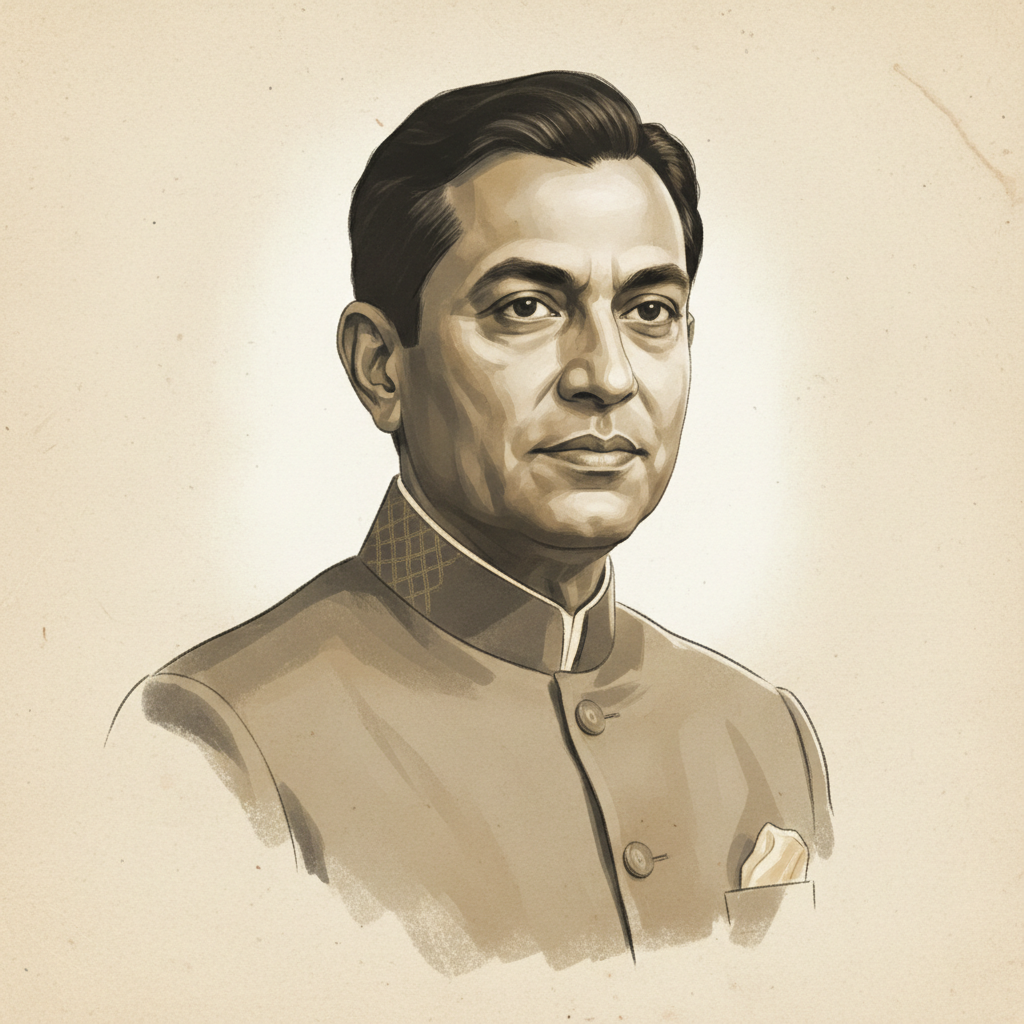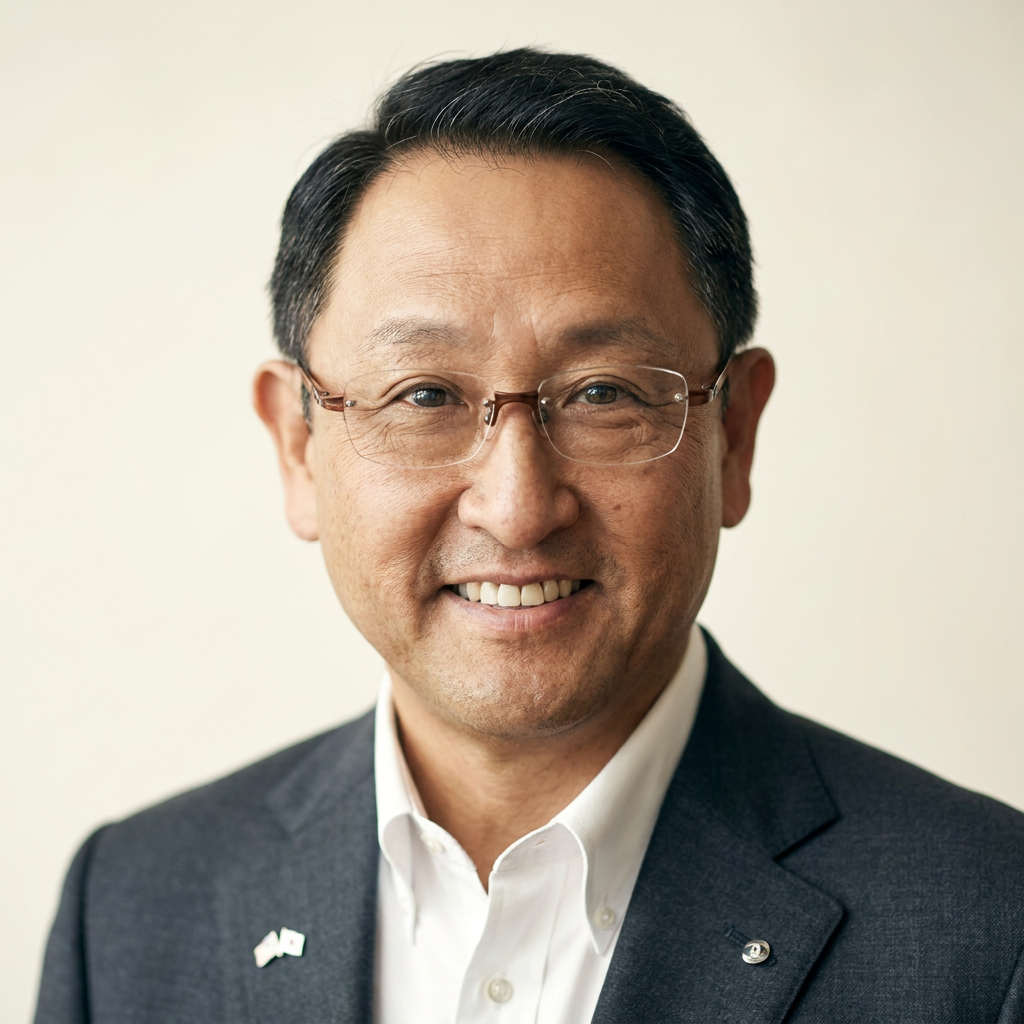
Akio Toyoda
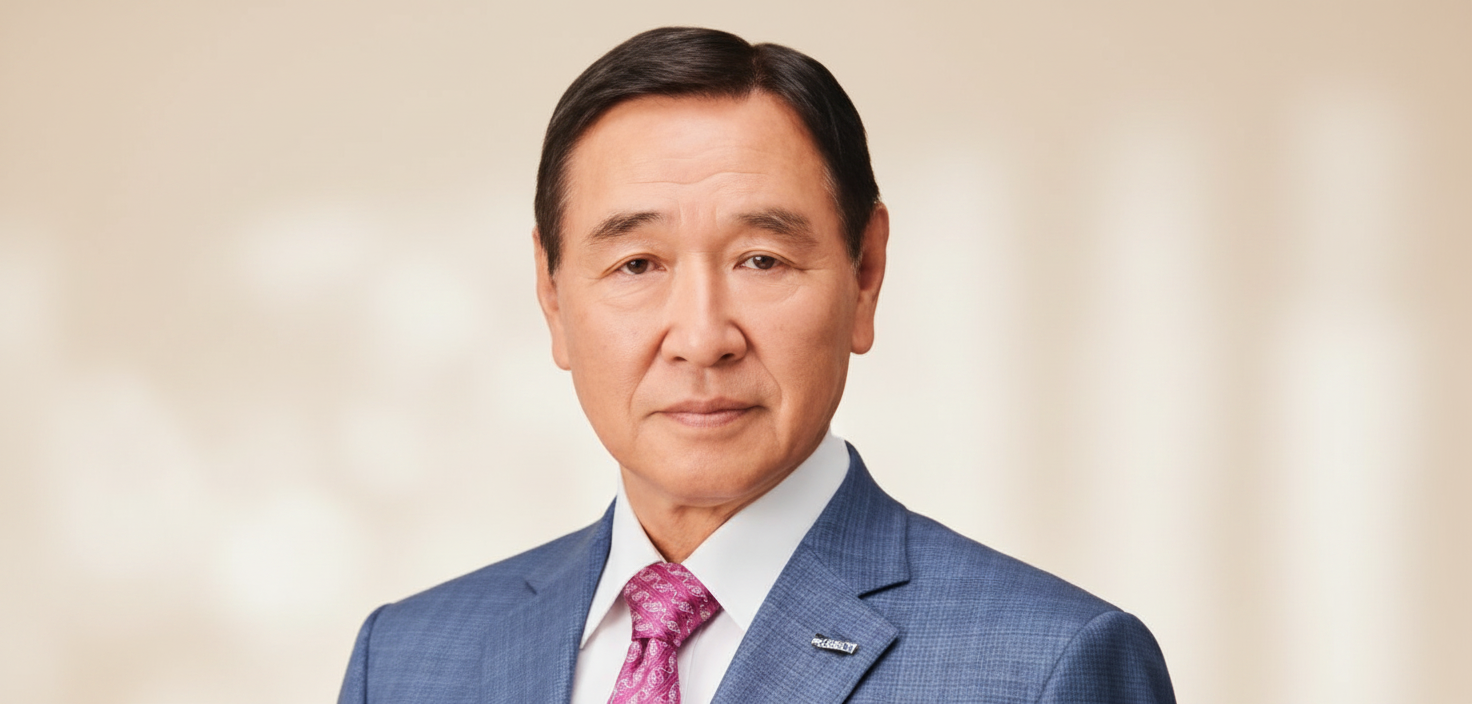
Akio Toyoda led Toyota through an era of unprecedented industry disruption, prioritizing product-centricity, technological transformation, and a renewed commitment to the company's manufacturing roots.
Akio Toyoda, grandson of Toyota founder Kiichiro Toyoda, served as CEO of Toyota Motor Corporation from 2009 to 2023, and subsequently as Chairman of the Board. His tenure was marked by navigating significant crises, including the 2009-2010 recall crisis and the 2011 Tohoku earthquake and tsunami. He championed a shift from a sales-driven approach to one focused on 'making ever-better cars,' fostering internal innovation, and accelerating the company's transition into a mobility company beyond traditional car manufacturing.
Biography
Accomplishments
- 01Successfully navigated Toyota through the 2009-2010 global recall crisis, restoring public trust and implementing robust quality control reforms, including direct oversight of recalls and enhanced executive accountability.
- 02Orchestrated Toyota's strategy shift from a focus on sheer volume to 'making ever-better cars,' fostering a renewed emphasis on product quality, driving dynamics, and appealing design, exemplified by the TNGA (Toyota New Global Architecture) platform introduction (2015).
- 03Initiated and accelerated Toyota's transition into a broader 'mobility company,' establishing Woven Planet Holdings (2021) to integrate software development, autonomous driving, and smart city technologies, diversifying beyond traditional automotive manufacturing.
- 04Championed a multi-pathway approach to electrification, significantly expanding Toyota's hybrid vehicle lineup, introducing the Mirai fuel cell vehicle (2014), and laying the groundwork for a broader battery electric vehicle offensive, despite initial skepticism.
- 05Led Toyota to consistent profitability gains and sustained its position as one of the world's largest automakers, overseeing net revenue growth from approximately ¥18.9 trillion in FY2010 to over ¥37 trillion in FY2023.
- 06Fostered a competitive, internally driven culture through initiatives like 'Toyota Way 2020' and direct participation in motorsport (under the pseudonym 'Morizo'), promoting continuous improvement and challenging established norms.
Lessons for Operators
Key Takeaways
Practical lessons distilled for operators, investors, C-levels, and capital allocators.
Crisis Management as Strategic Reorientation
Akio Toyoda's response to the 2009-2010 recall crisis was not merely reactive but transformative. He used the systemic failure as leverage to fundamentally re-align Toyota's priorities, shifting organizational culture from a volume-driven approach to one deeply rooted in product quality and customer safety. This involved direct leadership accountability and empowering engineers.
Product-Centric Innovation Drives Long-Term Value
Toyoda's insistence on 'making ever-better cars' and eliminating 'boring cars' directly influenced product development, leading to platforms like TNGA. This focus on driver experience, design, and engineering excellence re-energized the brand, demonstrating that sustained market leadership stems from superior product offerings, not just efficient production or aggressive sales.
Orchestrating Transition to a 'Mobility Company'
Recognizing the automotive industry's disruption, Toyoda initiated a bold transformation towards a broader 'mobility company.' This included strategic investments in autonomous driving, AI, and urban planning (Woven City, Woven Planet), positioning Toyota to capture future value beyond traditional vehicle sales and adapt to evolving transportation paradigms.
Balanced Technology Portfolio for Future Uncertainty
Rather than committing exclusively to battery electric vehicles (BEVs), Toyoda championed a multi-pathway electrification strategy encompassing hybrids, plug-in hybrids, fuel cells, and BEVs. This diversified approach hedges against technological risks, caters to varied global market conditions and infrastructure readiness, and maximizes resource allocation efficiency across diverse R&D streams.
The Importance of Personal Leadership and Authenticity
Toyoda's visible and often personal involvement—from testifying before Congress to test-driving vehicles as 'Morizo'—rebuilt trust and re-invigorated Toyota's internal culture. His willingness to confront challenges directly and his passion for cars resonated with employees and customers alike, proving that authentic leadership is critical for navigating crises and fostering loyalty.
Frameworks & Principles
Named frameworks and strategic principles they popularized or embodied.
The Toyota Way (Reinforced under Toyoda)
A set of principles and behaviors guiding Toyota's operations, emphasized by Akio Toyoda to re-center the company. It consists of two main pillars: 'Continuous Improvement' (Kaizen, Challenge, Genchi Genbutsu) and 'Respect for People' (Respect, Teamwork). Toyoda particularly emphasized Genchi Genbutsu (go and see for yourself) in understanding market realities and quality issues.
When to useApplicable for organizations seeking to embed a culture of continuous improvement, problem-solving at the source, long-term thinking, and deep respect for all stakeholders. Useful when transforming operational efficiency and product quality.
Multi-Pathway Electrification Strategy
Toyota's approach under Toyoda to develop and deploy various powertrain technologies (Hybrids, PHEVs, BEVs, FCEVs) simultaneously, rather than committing to a single dominant solution. This strategy acknowledges global market diversity, infrastructure limitations, and differing customer needs, aiming for a flexible, comprehensive portfolio.
When to useRelevant for industries facing significant technological disruption and uncertainty, where a single 'winner' technology is not yet clear. Useful for companies needing to manage capital allocation across multiple R&D initiatives to mitigate risk and maintain market relevance across diverse segments.
Mobility Company Transformation Model
A strategic pivot from being a traditional vehicle manufacturer to a provider of broader transportation solutions. This involves investing in autonomous driving, connectivity, shared mobility services, and smart city infrastructure (e.g., Woven City). It signifies a shift from selling products to offering integrated service ecosystems.
When to useApplicable for mature industries facing commoditization or disruption from new business models. Useful for companies looking to expand their value proposition beyond their core product, leverage new technologies (AI, IoT), and capture opportunities in emerging service-based economies.
Recent Appearances
Latest interviews, keynotes, and press from the past half year.
 youtube.com
 youtube.com
 youtube.com
![[New Year's Greetings] Akio Toyoda on Inherited Dreams ... - YouTube](https://i.ytimg.com/vi/omPb97eg0GA/hqdefault.jpg) youtube.com
youtube.com youtube.com
 youtube.com
 youtube.com
 youtube.com
 youtube.com
 youtube.com
 youtube.com
 youtube.com
 youtube.com
 youtube.com
![The Reasons for Their Success [Cambrian Palace] - YouTube](https://i.ytimg.com/vi/_NVUbSd_hAA/hqdefault.jpg) youtube.com
youtube.com youtube.com
 youtube.com
 youtube.com
 youtube.com
 youtube.com
 youtube.com
 youtube.com
 youtube.com
 youtube.com
 youtube.com
 youtube.com
 youtube.com
 youtube.com
 youtube.com
 youtube.com
 youtube.com
 youtube.com
 youtube.com
 youtube.com
 youtube.com
 youtube.com
 youtube.com
 youtube.com
 youtube.com
 youtube.com
 youtube.com
 youtube.com
 youtube.com
 youtube.com
 youtube.com
 youtube.com
 youtube.com
 youtube.com
 youtube.com
 youtube.com
 youtube.com
 youtube.com
 youtube.com
![[Woven City] Who Lives There? What Trials? Resident Yuta ...](https://i.ytimg.com/vi/FS7T0AgjXzY/hqdefault.jpg) youtube.com
youtube.com youtube.com
 youtube.com
 youtube.com
 youtube.com
 youtube.com
 youtube.com
 youtube.com
 youtube.com
 youtube.com
 youtube.com
 youtube.com
 youtube.com
 youtube.com
 youtube.com
![[Podcast #137] Solving the Thinner Supply Clog? / Serves you ...](https://i.ytimg.com/vi/2Kax2SwMAWU/hqdefault.jpg) youtube.com
youtube.com youtube.com
 youtube.com
 youtube.com
 youtube.com
 youtube.com
 youtube.com
 youtube.com
 youtube.com
 youtube.com
 youtube.com
 youtube.com
 youtube.com
 youtube.com
 youtube.com
 youtube.com
 youtube.com
 youtube.com
 m.youtube.com
 youtube.com
 m.youtube.comm.youtube.com
 youtube.com
 youtube.com
 youtube.com
![[Reality] CEOs of Stagnant Companies Are All the Same - YouTube](https://i.ytimg.com/vi/hTLiCv8zjAQ/hqdefault.jpg) youtube.com
youtube.com![[Management DX that Tripled Operating Profit Margin] BOTANIST ...](https://i.ytimg.com/vi/r2jIQzDCsIo/hqdefault.jpg) youtube.com
youtube.com youtube.com
 youtube.com
![[F1LIFE TALKING] Chairman Akio Toyoda visits Suzuka! Is ... - YouTube](https://i.ytimg.com/vi/FTicVZ5lMvY/hqdefault.jpg) youtube.com
youtube.com youtube.com
 youtube.com
 m.youtube.com
 youtube.com
 youtube.com
 youtube.com
 youtube.com
 youtube.com
Sources & Further Reading
Profiles, interviews, podcasts, and articles used to compile and verify this entry. Each link opens at the original publisher.
Explore Related Titans
Other figures in the archive who share Akio Toyoda's domain, geography, or era.
More in Transportation & Logistics
From Japan
Contemporaries — born 1950s