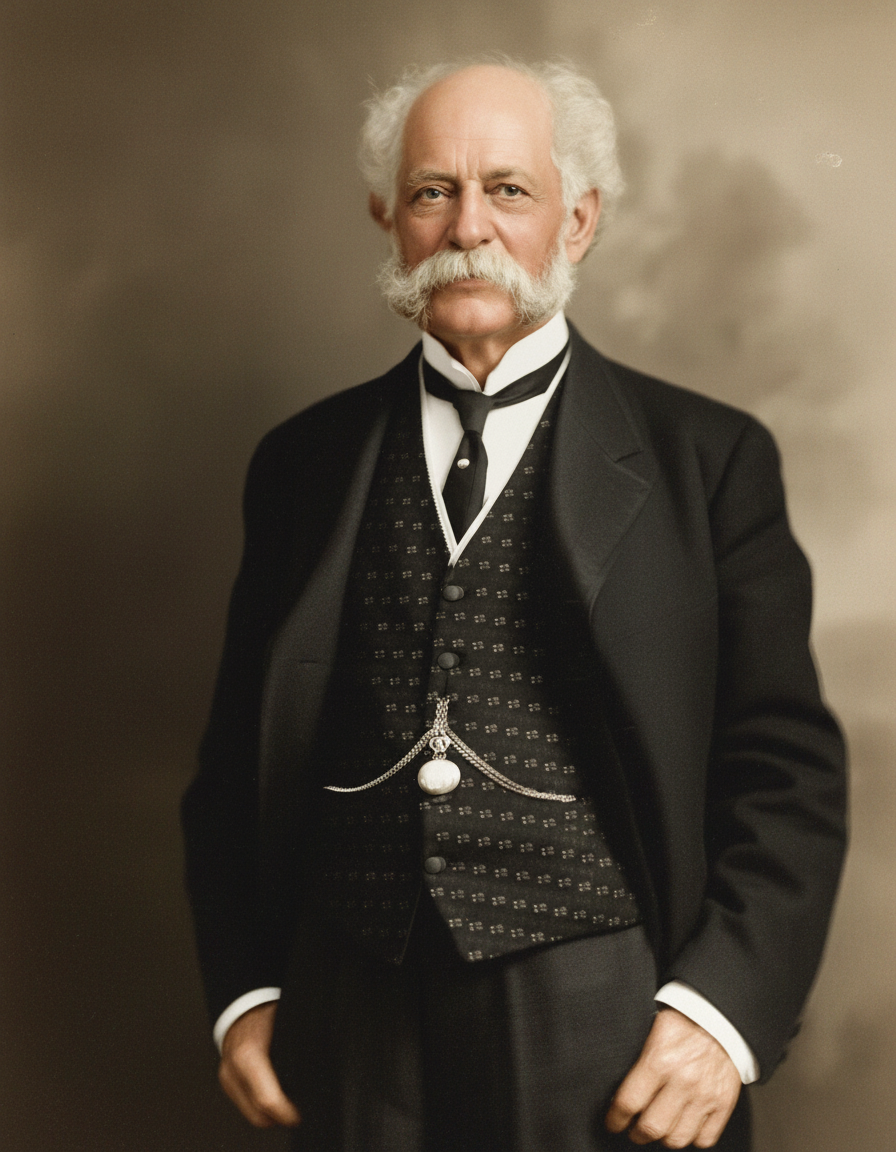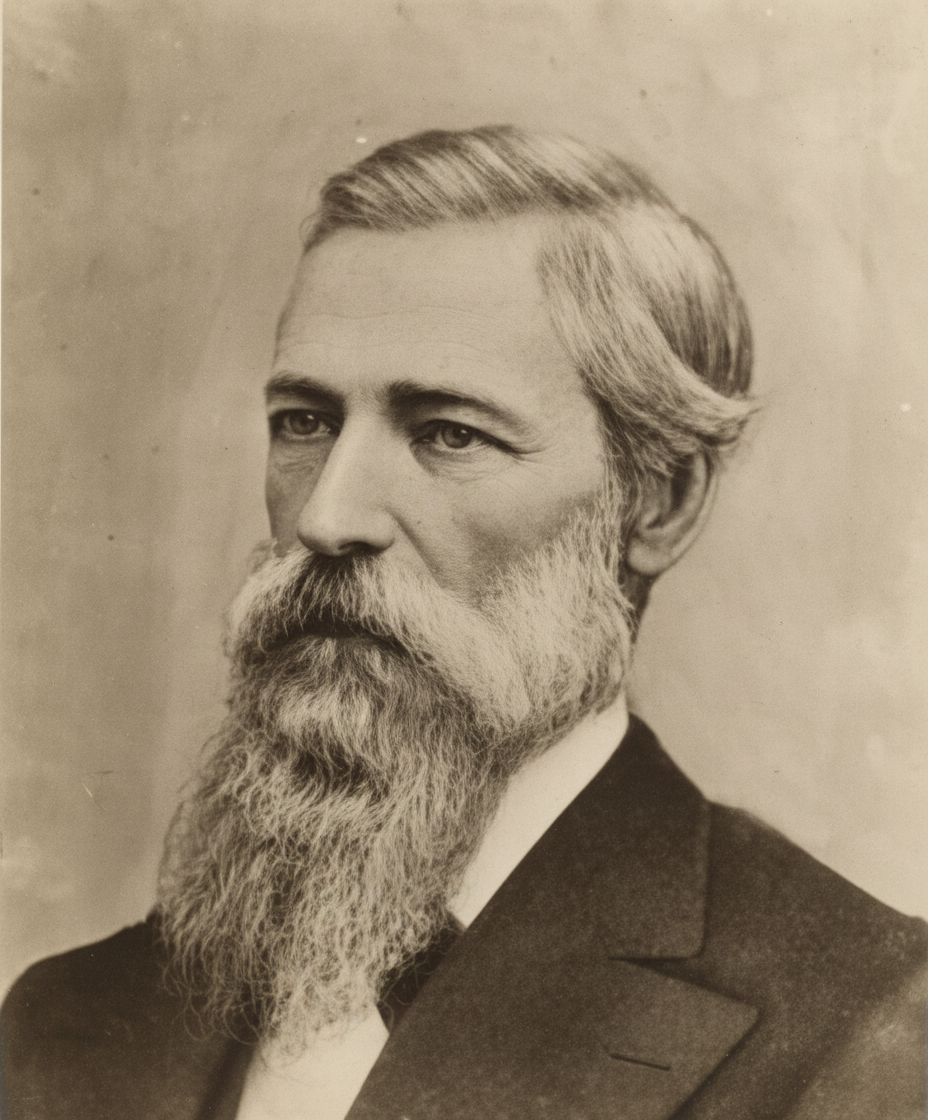
Mark Hopkins
The quiet financial architect of the Transcontinental Railroad, ensuring fiscal prudence amidst unprecedented expansion.
Mark Hopkins was an American merchant and financier, best known as one of the 'Big Four' industrialists who founded the Central Pacific Railroad. As the treasurer, he was the fiscally conservative force behind the ambitious transcontinental project, meticulously managing its finances and ensuring its solvency during rapid construction and significant capital expenditure.
Biography
Accomplishments
- 01Co-founded Huntington & Hopkins, a highly profitable wholesale grocery business in Sacramento (1849), which served as a capital base for future investments.
- 02Instrumental in the founding of the Central Pacific Railroad Company (1861) and served as its indispensable Treasurer, managing all financial aspects from inception.
- 03Successfully secured and managed substantial capital, including bond sales, federal subsidies, and private investments, vital for the construction of the western portion of the First Transcontinental Railroad.
- 04Implemented stringent fiscal controls and meticulous accounting practices that prevented financial collapse during the high-expenditure construction phase of the Central Pacific Railroad (1863-1869).
- 05Played a critical role in the strategic financial planning and consolidation efforts that eventually led to the formation of the Southern Pacific Company.
- 06Navigated complex political and economic landscapes, ensuring continuous funding and financial stability for one of the largest infrastructure projects of the 19th century.
Lessons for Operators
Key Takeaways
Practical lessons distilled for operators, investors, C-levels, and capital allocators.
Fiscal Prudence as a Foundation
Hopkins exemplified how rigorous financial management is not merely an overhead function but a core strategic pillar for ambitious endeavors. His tight control over expenditures and shrewd funding strategies were directly responsible for the Central Pacific's ability to complete its segment of the Transcontinental Railroad.
The Power of Complementary Leadership
The 'Big Four' succeeded because their skill sets were distinct and complementary. Hopkins's analytical, risk-averse financial stewardship provided a necessary counterpoint to the aggressive, politically savvy, and operationally focused aptitudes of his partners. Leaders should actively seek diverse expertise to build resilient teams.
Mastery of Financial Mechanics
In an era without advanced financial instruments, Hopkins mastered the art of securing and managing capital through bond sales, government subsidies, and private investment. His technical proficiency in finance was as critical as the engineering expertise required to lay track over mountains. Understand the financial architecture necessary for your enterprise's scale.
Unwavering Focus on Sustainability
Despite immense pressure for rapid expansion, Hopkins consistently prioritized the financial health and long-term viability of the Central Pacific. This sustainable approach, even if slower at times, prevented catastrophic financial setbacks that could have derailed the entire project. Balance growth aspirations with financial stability.
Leveraging Early Success for Later Venture Capital
The initial profitability of Huntington & Hopkins's grocery business provided the initial seed capital and credibility for the far grander Central Pacific Railroad. Enterprises should build strong, cash-generating foundations that can be leveraged for future, more ambitious projects.
Frameworks & Principles
Named frameworks and strategic principles they popularized or embodied.
The 'Big Four' Partnership Model
A distribution of critical leadership roles (political influence, financial management, procurement, operations) among highly competent individuals, each excelling in their specific domain, working towards a common, audacious goal.
When to useApplicable when tackling large, complex projects requiring diverse expertise and significant capital. Best for scenarios where distinct leadership functions can be clearly delineated and managed by specialized individuals.
Conservative Capital Allocation Strategy
An approach prioritizing meticulous cost control, debt management, and cash flow preservation, even during periods of rapid expansion or significant investment. It focuses on ensuring solvency and minimizing financial risk.
When to useIdeal for capital-intensive industries, startups with uncertain revenue streams, or any business undergoing substantial growth where financial stability is paramount over aggressive, unbridled expansion.
Integrated Financial & Operational Reporting
A system where financial data directly informs and guides operational decisions, and vice-versa, ensuring that construction progress, expenditure, and funding are constantly aligned and monitored for efficiency and control.
When to useEssential for project-based businesses, construction, large-scale manufacturing, or any operation where budget adherence and real-time cost tracking are critical to project success and profitability.
Explore Related Titans
Other figures in the archive who share Mark Hopkins's domain, geography, or era.
More in Technology










From United States




Contemporaries — 19th century