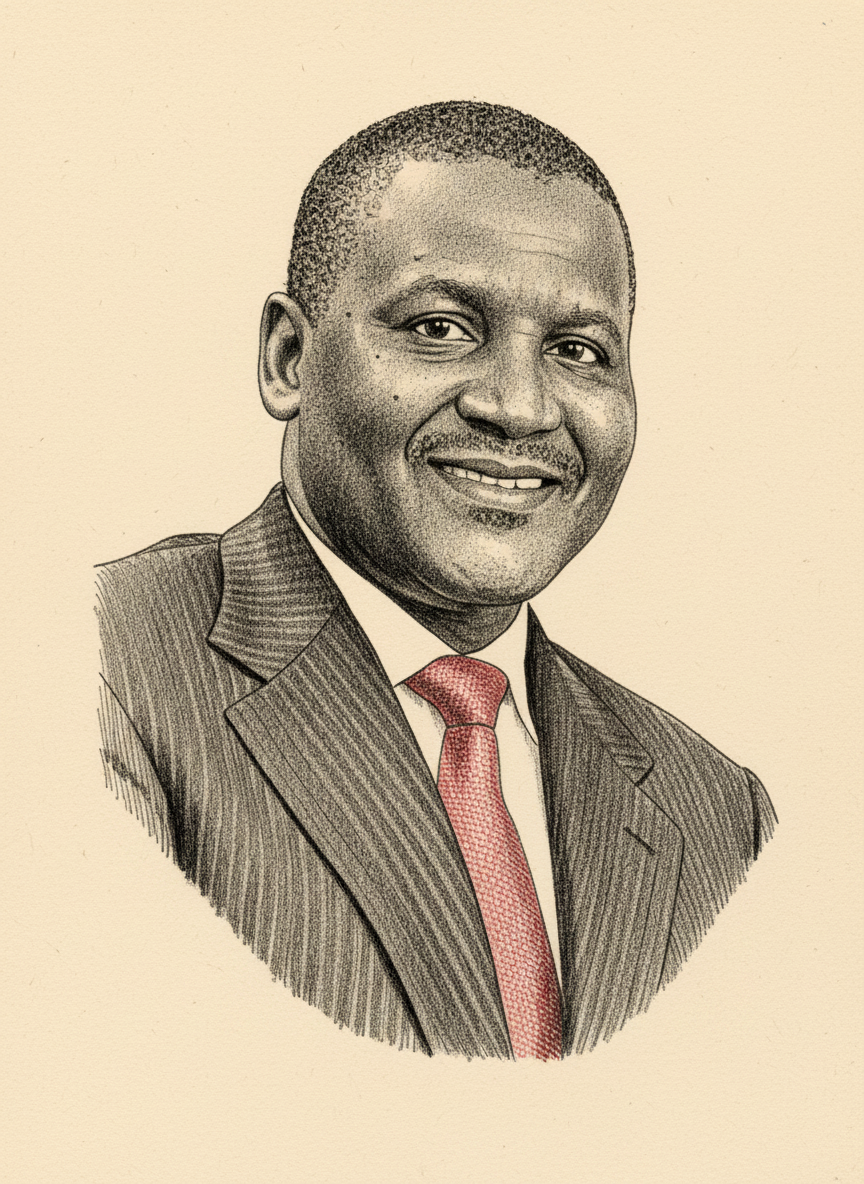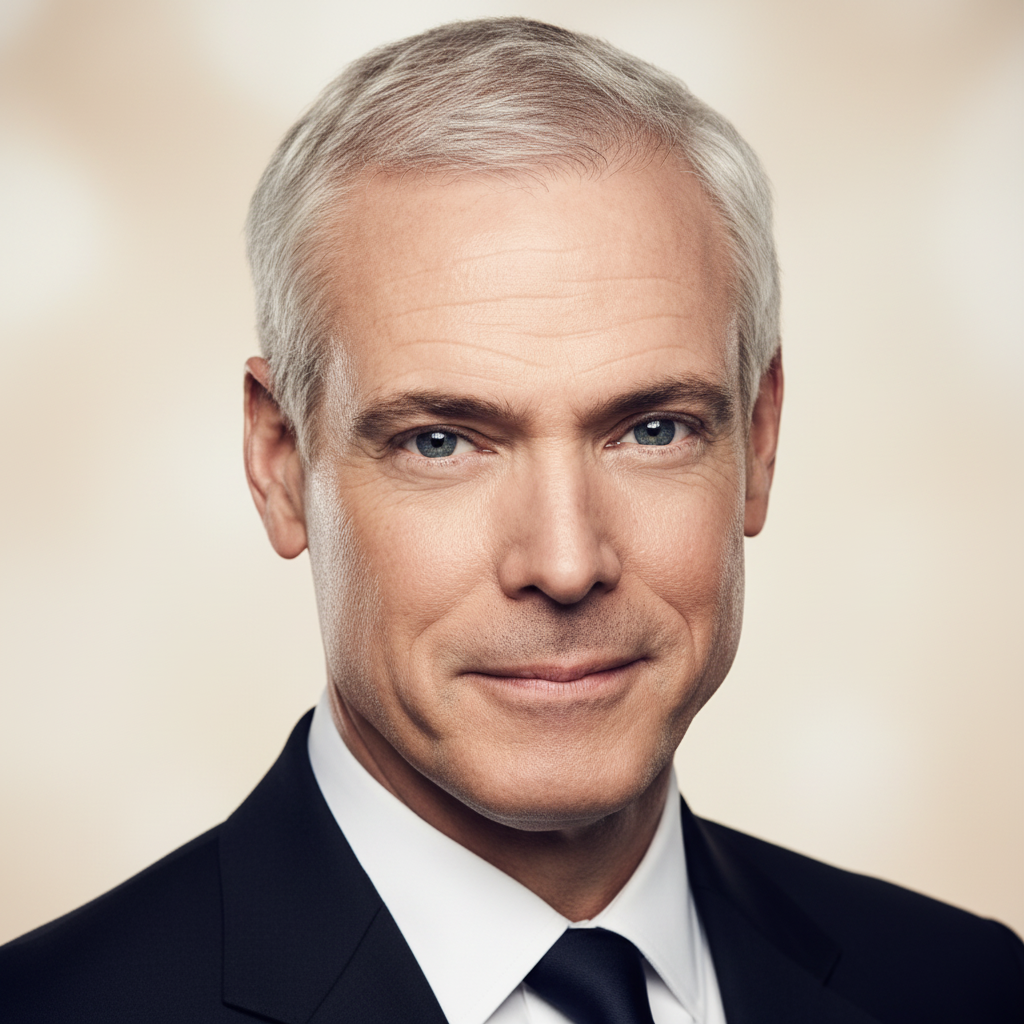
Kenneth Frazier
Kenneth Frazier: A transformative pharmaceutical CEO who navigated industry shifts, championed R&D, and prioritized social responsibility, solidifying Merck's leadership while advocating for ethical capitalism.
Kenneth C. Frazier is an American business executive and former chairman and CEO of the pharmaceutical company Merck & Co. Under his leadership from 2011 to 2021, Merck focused on innovative research, expanding its oncology and vaccine portfolios, and navigating complex regulatory and social landscapes. Frazier is also recognized for his vocal advocacy on social justice and corporate responsibility.
Biography
Accomplishments
- 01Steered Merck through its most significant patent cliff, successfully pivoting the company towards growth by prioritizing oncology, vaccines, and animal health under his leadership from 2011 to 2021.
- 02Oversaw the development and commercialization of Keytruda (pembrolizumab), transforming it into a blockbuster immunotherapy and a cornerstone of Merck's portfolio, generating over $17 billion in 2021.
- 03Successfully managed the legal defense and resolution of tens of thousands of Vioxx lawsuits as General Counsel, mitigating significant financial and reputational risks for Merck during the 2000s.
- 04Championed Merck's strategic acquisitions and divestitures, including the acquisition of Schering-Plough in 2009 (prior to CEO role but as General Counsel) and the spin-off of Organon & Co. in 2021, optimizing the company's therapeutic focus and financial structure.
- 05Consistently ranked among the world's most influential business leaders, advocating for ethical corporate governance, social responsibility, and diversity in leadership.
- 06Co-founded the OneTen coalition, an organization dedicated to upskilling, hiring, and advancing one million Black Americans into family-sustaining jobs over the next 10 years.
Lessons for Operators
Key Takeaways
Practical lessons distilled for operators, investors, C-levels, and capital allocators.
Innovation as a Growth Engine
Frazier consistently prioritized R&D, especially in breakthrough areas like oncology. For operators, this means allocating capital decisively to high-potential innovation pipelines, understanding that sustained growth in competitive sectors like pharmaceuticals relies on developing novel, impactful products rather than incremental improvements.
Ethical Leadership & Reputation Management
His principled stand on social issues and careful navigation of legal challenges demonstrate that a strong ethical compass is critical for long-term corporate resilience. Investors and C-levels should recognize that reputation, built on consistent ethical conduct and transparent communication, is a key intangible asset impacting market trust and brand equity.
Long-Term Value Creation over Short-Term Gains
Frazier's tenure focused on substantial, long-term investments in R&D and strategic portfolio shifts, often requiring patience. Capital allocators should evaluate companies not just on immediate returns, but on their strategic vision, R&D pipeline strength, and commitment to sustainable growth drivers that may not manifest in the next fiscal quarter.
Proactive Portfolio Transformation
Through targeted acquisitions and divestitures, Frazier reshaped Merck's focus. Enterprise leaders must continuously assess their asset base, identifying non-core segments for divestment and high-growth opportunities for investment, ensuring the portfolio remains optimized for market demands and strategic objectives.
The CEO as a Moral Voice
Frazier exemplified a CEO who leveraged his platform to advocate for broader societal issues, demonstrating that corporate leadership extends beyond financial performance. For C-levels and boards, this highlights the evolving expectation for leaders to articulate and act on company values, influencing not just business outcomes but also societal well-being.
Risk Mitigation Through Legal Acumen
His background as General Counsel provided him with a unique perspective on legal and regulatory risks. Operators and investors should ensure leadership teams possess strong analytical skills and a deep understanding of the regulatory landscape, particularly in highly regulated industries, to foresee and effectively mitigate potential threats.
Frameworks & Principles
Named frameworks and strategic principles they popularized or embodied.
Portfolio Optimization Strategy
A systematic approach to evaluating current business units, products, and assets, identifying those to grow, maintain, divest, or acquire, based on market attractiveness, competitive position, and strategic fit.
When to useWhen facing significant market shifts (e.g., patent expirations), evaluating M&A opportunities, or seeking to sharpen strategic focus to maximize long-term shareholder value. Frazier applied this rigorously at Merck through divestments (e.g., Organon) and targeted acquisitions.
Stakeholder Capitalism Model
A business model emphasizing that companies should serve the interests of all stakeholders—employees, customers, suppliers, communities, and the environment—not just shareholders. It posits that long-term shareholder value is best achieved by balancing these interests.
When to useWhen developing corporate social responsibility (CSR) initiatives, refining governance structures, or seeking to enhance brand reputation and employee engagement. Frazier's advocacy for social justice and founding of OneTen exemplifies this model in practice.
Keytruda Growth Playbook
A strategic framework for launching and scaling a blockbuster drug, involving aggressive investment in R&D for multiple indications, swift regulatory approval processes, robust clinical trial programs, and highly effective global commercialization.
When to useFor pharmaceutical and biotech companies developing novel therapeutic agents with broad applicability. It requires significant upfront investment, risk tolerance, and a commitment to broad clinical exploration to unlock full market potential, as demonstrated by Merck's strategy for Keytruda.
Crisis Management & Litigation Framework
A structured approach to anticipate, manage, and resolve significant legal and reputational challenges, involving proactive legal risk assessment, robust defense strategies, transparent communication, and comprehensive settlement planning.
When to useEssential for any enterprise operating in a highly regulated or litigious environment, or when facing a major product recall or public scandal. Frazier's role in handling the Vioxx litigation is a prime example of effective application.
Recent Appearances
Latest interviews, keynotes, and press from the past half year.
 youtube.com
 youtube.com
 youtube.com
 youtube.com
 youtube.com
 youtube.com
 m.youtube.com
 youtube.com
 youtube.com
 youtube.com
 youtube.com
 youtube.com
 youtube.com
 youtube.com
 youtube.com
Sources & Further Reading
Profiles, interviews, podcasts, and articles used to compile and verify this entry. Each link opens at the original publisher.
Explore Related Titans
Other figures in the archive who share Kenneth Frazier's domain, geography, or era.
More in Healthcare & Biotech



From United States





Contemporaries — born 1950s