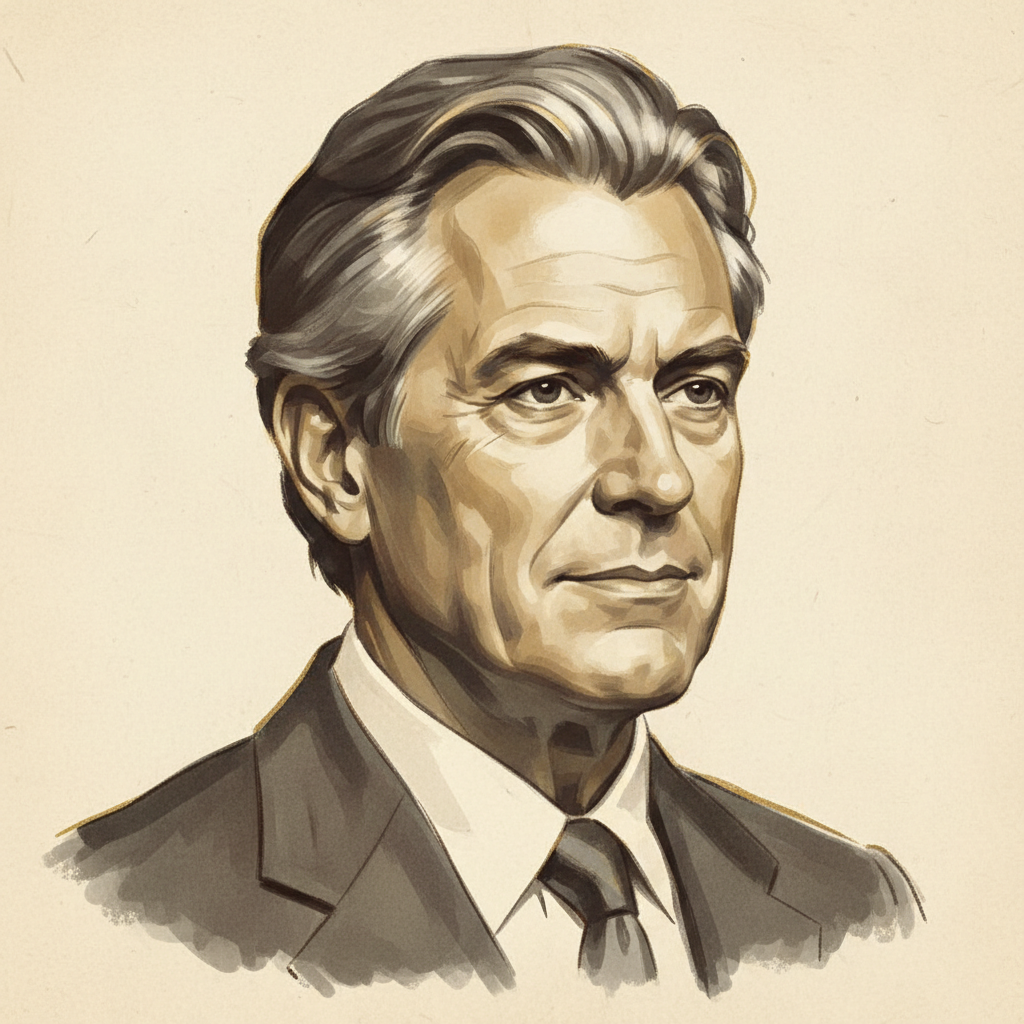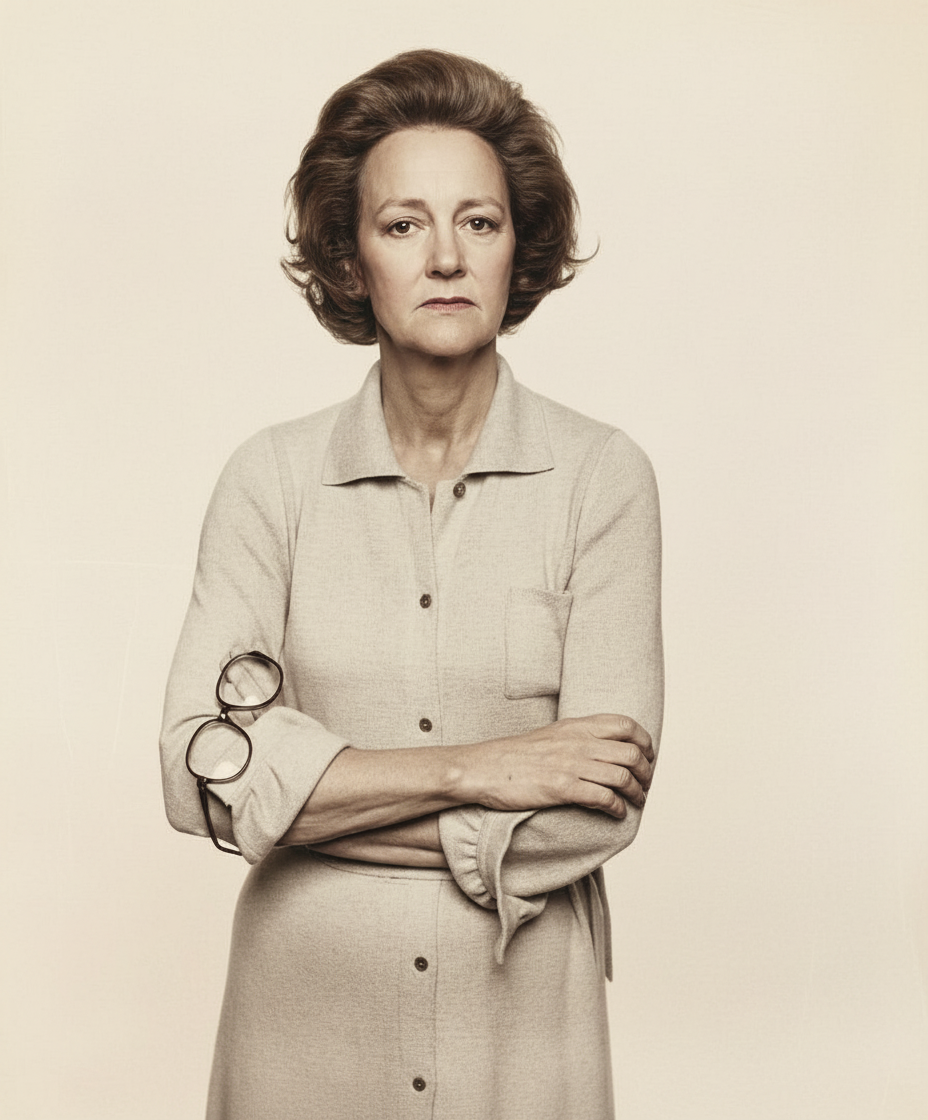
Portrait of Katharine Graham
Historical Mind · 1917 — 2001

Katharine Graham

Katharine Graham, publisher of The Washington Post, navigated the company through the Pentagon Papers and Watergate scandals, championing independent journalism against immense government pressure.

Country
United States
Continent
North America
Industry
Media
Role
Publisher, CEO, Chairman of the Board

Katharine Graham inherited The Washington Post Company upon her husband's death in 1963, transforming it from a struggling family enterprise into a diversified media conglomerate. Her leadership was critically tested during the Pentagon Papers and Watergate investigations, where she made courageous decisions to publish, upholding journalistic integrity under extreme political and financial duress. Graham became a powerful figure in American business and media, pioneering female leadership in a male-dominated industry.

Biography

Katharine Meyer was born in 1917, daughter of Eugene Meyer, who purchased The Washington Post in 1933. She graduated from Vassar College and the University of Chicago, working briefly for a San Francisco newspaper before joining the Post. In 1940, she married Philip Graham, who later became publisher of the Post. Following Philip's suicide in 1963, Katharine unexpectedly took control of The Washington Post Company, initially serving as President, then Publisher in 1969, and CEO in 1973. Despite her initial lack of business experience and personal insecurities, she proved to be an astute and resilient leader. Graham's tenure was defined by two landmark events. In 1971, she made the decisive choice to publish the Pentagon Papers, classified documents detailing the history of U.S. involvement in Vietnam, despite severe legal threats from the Nixon administration and the potential financial ruin of the company, which had recently gone public. Her decision was vindicated by the Supreme Court. From 1972 to 1974, she staunchly supported reporters Bob Woodward and Carl Bernstein's investigation into the Watergate scandal, enduring intense pressure and public attacks from President Nixon. Her unwavering commitment to journalistic independence during these crises solidified The Washington Post's reputation and established Graham as a towering figure in American media. Under her leadership, The Washington Post Company diversified, acquiring Newsweek magazine (purchased by Philip Graham in 1961), television stations, and cable television interests. She stepped down as CEO in 1991, remaining chairman of the executive committee until her death in 2001. Graham broke significant barriers for women in business, becoming the first female CEO of a Fortune 500 company (notable, although the actual list wasn't consistently published until 1955, and the definition varies, she was undoubtedly a pioneering female leader of a major public company). Her autobiography, 'Personal History,' won a Pulitzer Prize.

Accomplishments

  • 01Successfully led The Washington Post Company's initial public offering in 1971, providing capital for expansion and solidifying its financial foundation.
  • 02Made the critical decision to publish the Pentagon Papers in 1971, challenging government censorship and upholding the First Amendment, despite facing a direct injunction from the U.S. Justice Department.
  • 03Supported and defended The Washington Post's investigative reporting on the Watergate scandal (1972-1974), enduring immense political pressure and threats from the Nixon administration.
  • 04Oversaw the significant growth and diversification of The Washington Post Company, expanding beyond print media into television (e.g., Post-Newsweek Stations) and cable.
  • 05Became the first female CEO of a Fortune 500 company, breaking gender barriers in a male-dominated corporate landscape.
  • 06Cultivated a culture of journalistic excellence and editorial independence, elevating The Washington Post's national and international standing.

Lessons for Operators

Leadership requires conviction: Graham's decisions during the Pentagon Papers and Watergate were based on a deeply held belief in journalistic principles, not just business considerations. Define your core values and be prepared to act on them, even when it's costly.
Empower your team: Despite her own insecurities, Graham hired and trusted top talent, including editor Ben Bradlee and reporters Woodward and Bernstein. Effective leaders delegate authority and provide steadfast support, fostering an environment where talent can thrive, especially during crises.
Embrace unexpected leadership: Graham was thrust into leadership without formal preparation. She learned on the job, demonstrating that a willingness to learn, adapt, and seek counsel can overcome perceived inexperience. When faced with an unforeseen leadership role, focus on learning and building a strong support network.
Strategic risk-taking pays dividends: Publishing the Pentagon Papers was a significant legal and financial risk. However, it ultimately enhanced the Post's reputation and long-term value. Evaluate risks thoroughly, but understand that calculated, values-driven risks can lead to outsized long-term gains.
Communication is paramount during crisis: Graham maintained open lines of communication with her editorial team, legal counsel, and board, ensuring alignment and clear direction. In a crisis, transparent and consistent communication both internally and externally is crucial for maintaining trust and control.
Building a strong institutional brand is a long game: Her commitment to journalistic integrity throughout multiple crises built The Washington Post into a highly respected and influential brand. Consistently prioritize your core mission and values; short-term gains at the expense of brand integrity can be devastating in the long run.
The Operator's Playbook

Key Takeaways

Practical lessons distilled for operators, investors, C-levels, and capital allocators.

Lesson 01

Courage in Crisis

Graham's most defining characteristic was her courage, particularly in the face of government pressure during the Pentagon Papers and Watergate. She prioritized journalistic integrity over immediate financial or political repercussions. This underscores that true leadership is often tested not in prosperity, but in adversity, demanding adherence to core principles.

Lesson 02

The Power of Succession and Empowerment

Initially an reluctant leader, Graham grew into her role by embracing it and crucially, by empowering her key personnel, like Executive Editor Ben Bradlee. Her willingness to trust and back her team, even when they took unpopular stances, was foundational to the Post's success and reputation during her tenure.

Lesson 03

Strategic Risk Management

Decisions to publish the Pentagon Papers and pursue Watergate were monumental risks for a publicly traded company. Graham weighed the legal and financial exposure against the public's right to know and the Post's journalistic mission. Her decisions demonstrate that understanding and managing strategic risk, sometimes involving significant downside, is essential for long-term growth and impact.

Lesson 04

Transforming Business Models

Graham didn't just maintain the Post; she diversified it. Recognizing the evolving media landscape, she led the company to expand into television and cable. This adaptability and willingness to venture beyond traditional print media ensured the company's sustained relevance and profitability.

Lesson 05

Breaking Gender Barriers

As one of the most prominent female leaders of her era, Graham demonstrated that capability and leadership transcend gender. Her journey from perceived societal insecurity to powerful executive provided a powerful example for future generations of women in business, reshaping corporate culture norms.

Lesson 06

The Enduring Value of Brand Trust

By upholding the highest standards of journalism, even under immense pressure, Graham built The Washington Post into a brand synonymous with trust and integrity. In any industry, a strong, trustworthy brand is an invaluable asset, driving loyalty and sustained competitive advantage, often built through consistent adherence to mission.

Mental Models

Frameworks & Principles

Named frameworks and strategic principles they popularized or embodied.

01

Values-Based Decision Making

This framework centers decisions on an organization's core values and ethical principles, rather than solely on short-term profits or political expediency. Graham's choice to publish the Pentagon Papers exemplifies this, prioritizing journalistic freedom over potential legal and financial ruin.

When to useWhen facing high-stakes decisions with significant ethical or public relations implications. Useful for aligning organizational actions with its stated mission and brand identity, especially when under external pressure.

02

Empowerment & Decentralized Authority (Crisis Management)

Involves delegating significant authority and trust to competent individuals or teams, particularly during critical periods. Graham empowered Ben Bradlee and the investigative reporters to pursue challenging stories, providing steadfast support and resources.

When to useDuring periods of intense scrutiny or crisis, when rapid, informed action is required at the front lines. Also effective for fostering innovation and ownership within an organization by trusting expert teams.

03

Strategic Diversification

The practice of expanding a company's product lines, markets, or business units to reduce risk and capture new growth opportunities. Graham oversaw the Post's expansion from a regional newspaper into a diversified media conglomerate with interests in television and cable.

When to useWhen a company seeks to mitigate reliance on a single revenue stream or market, or to capitalize on synergistic opportunities in related industries. Requires careful market analysis and integration planning.

Citations

Sources & Further Reading

Profiles, interviews, podcasts, and articles used to compile and verify this entry. Each link opens at the original publisher.

Adjacent Minds

Explore Related Titans

Other figures in the archive who share Katharine Graham's domain, geography, or era.

Media & Entertainment

More in Media & Entertainment
Browse all →
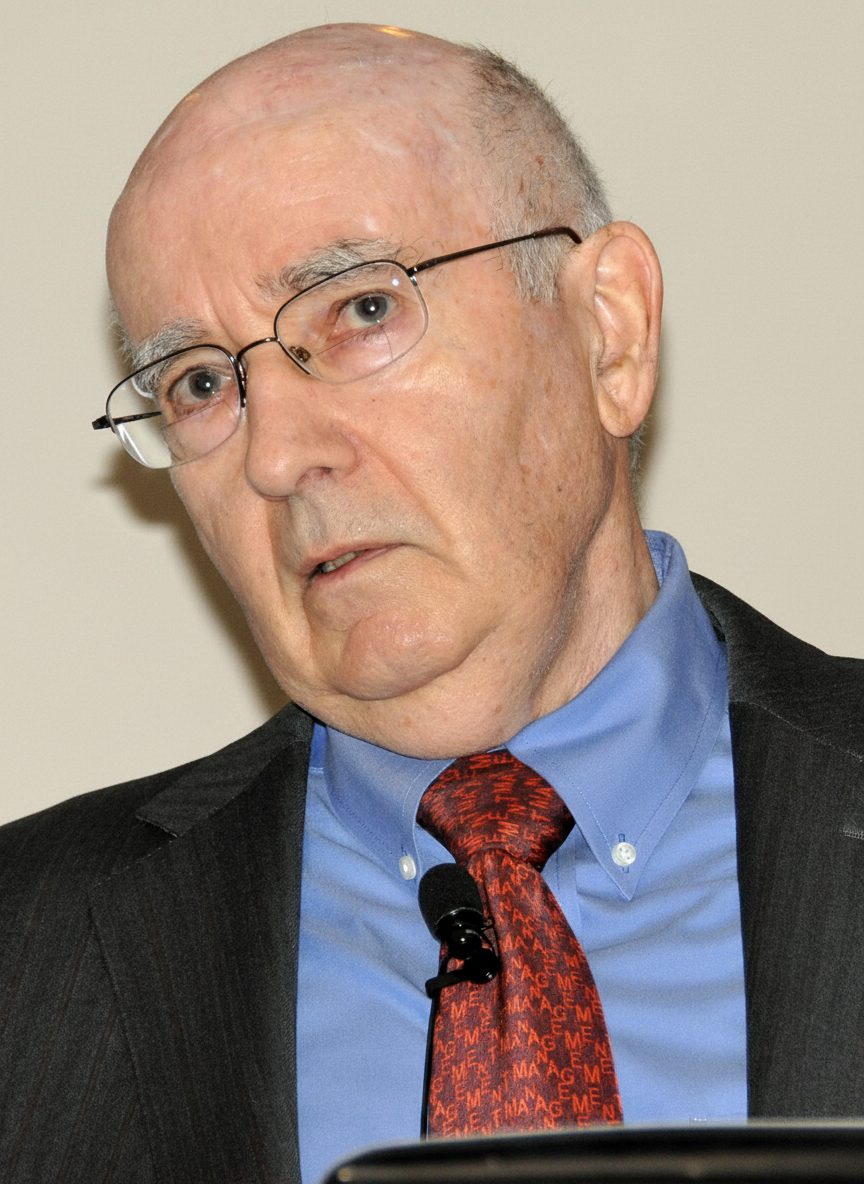
Portrait of Philip Kotler
UNITED STATES / ACADEMIA, CONSULTING, PUBLISHING
Philip Kotler
The father of modern marketing, Philip Kotler revolutionized marketing theory by integrating economics, behavioral science, and management, defining the discipline for academics and practitioners alike.
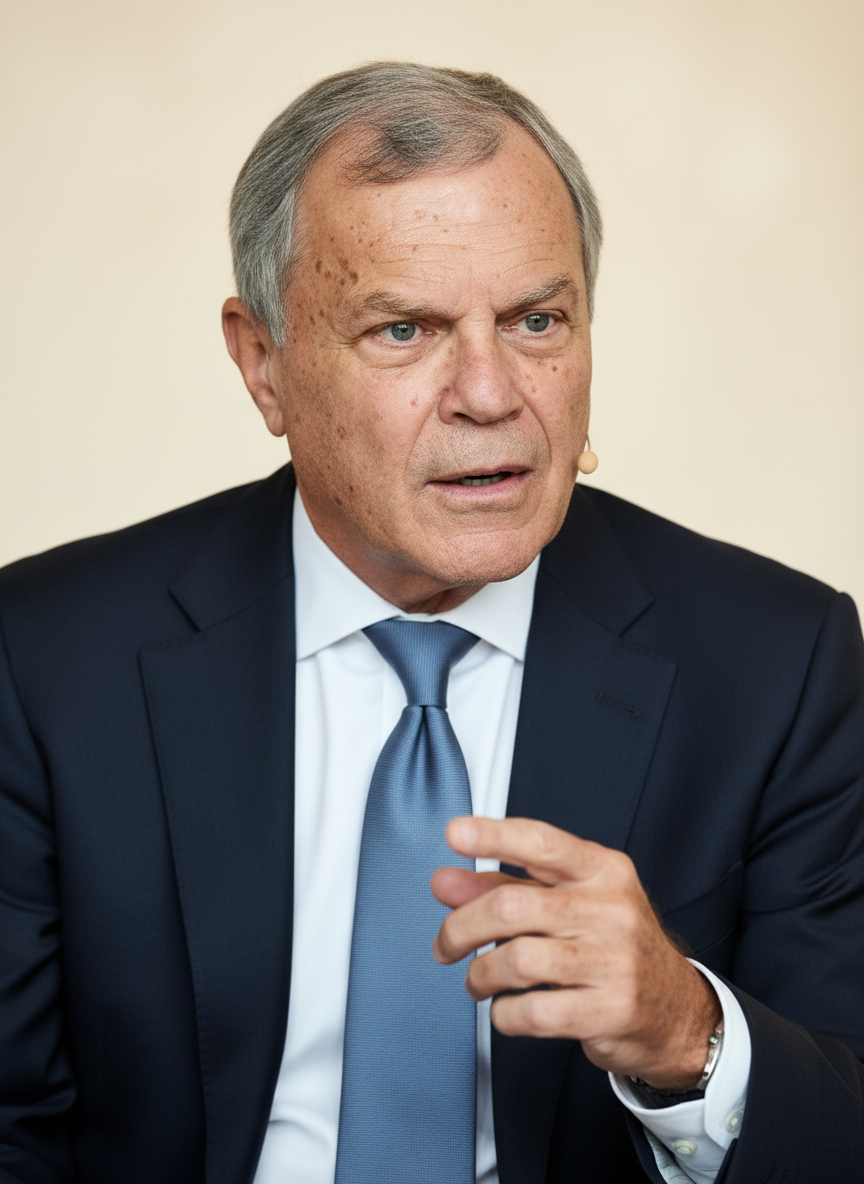
Portrait of Sir Martin Sorrell
UNITED KINGDOM / MARKETING & ADVERTISING
Sir Martin Sorrell
The architect of WPP, transforming a wire-basket manufacturer into the world's largest advertising and marketing services company.
Portrait of Yves Guillemot
FRANCE / VIDEO GAME PUBLISHING
Yves Guillemot
Co-founder and CEO of Ubisoft, a global leader in interactive entertainment, known for strategic long-term vision and navigating industry consolidation.
Portrait of Marjorie Scardino
UNITED STATES / MEDIA AND EDUCATION
Marjorie Scardino
The Transformative CEO who modernized Pearson PLC.
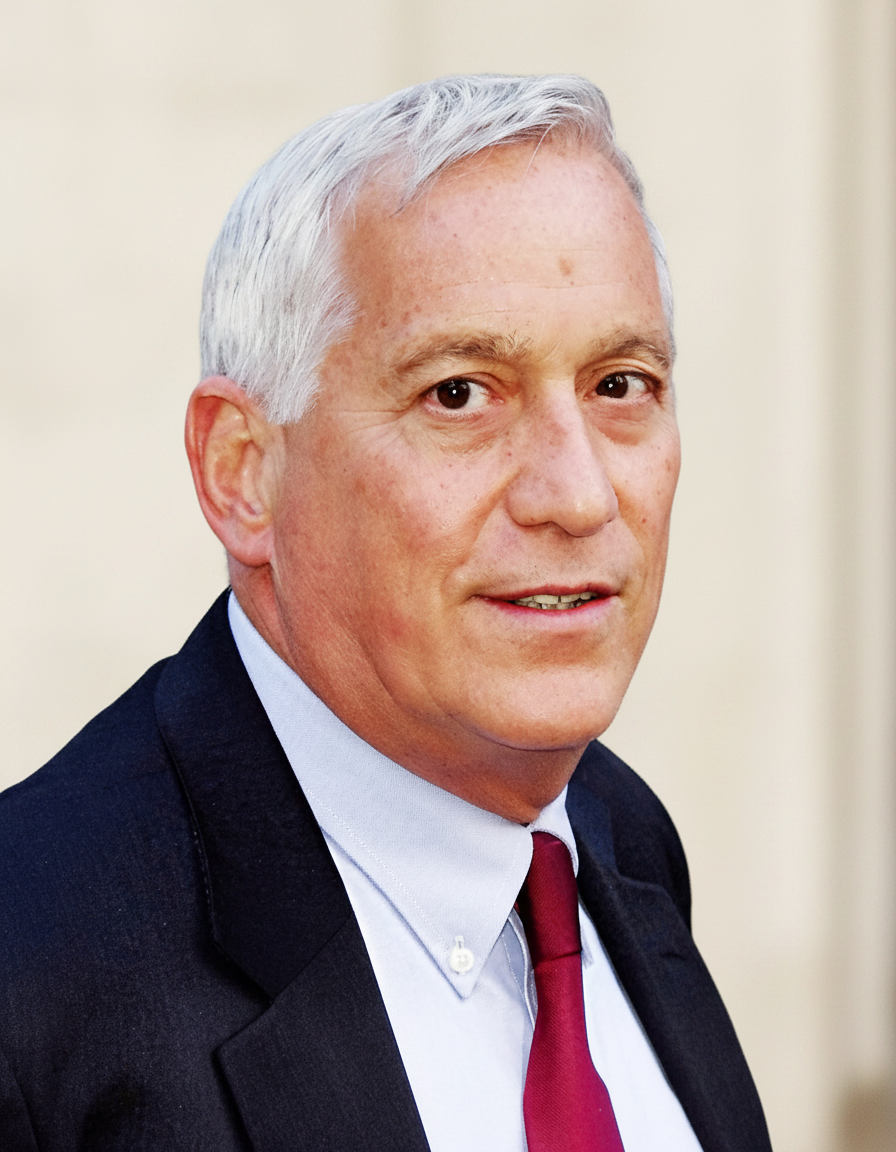
Portrait of Walter Isaacson
UNITED STATES / MEDIA, JOURNALISM, EDUCATION, BIOGRAPHY
Walter Isaacson
The chronicler of innovation and genius, whose deep dives into transformative figures offer strategic insights for leadership and disruption.
Portrait of Ida Tarbell
UNITED STATES / JOURNALISM, PUBLISHING
Ida Tarbell
The investigative journalist who exposed Standard Oil's monopolistic practices, catalyzing anti-trust legislation.
Portrait of Katherine Graham
UNITED STATES / MEDIA AND PUBLISHING
Katherine Graham
Katharine Graham: The accidental CEO who transformed The Washington Post into a media powerhouse and defended journalistic integrity during Watergate.
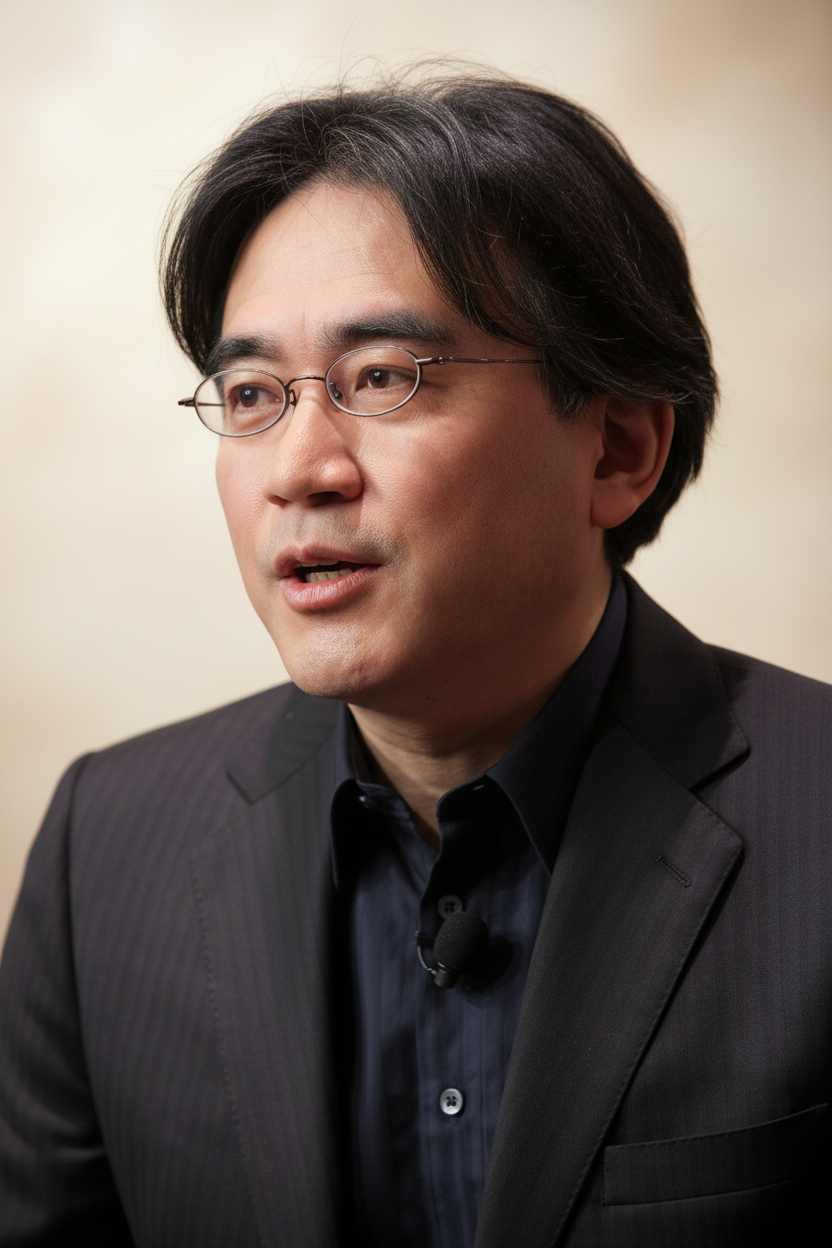
Portrait of Satoru Iwata
JAPAN / VIDEO GAME DEVELOPMENT AND PUBLISHING
Satoru Iwata
The programmer-CEO who prioritized joy and accessibility, revitalizing Nintendo through innovation in game design and hardware.
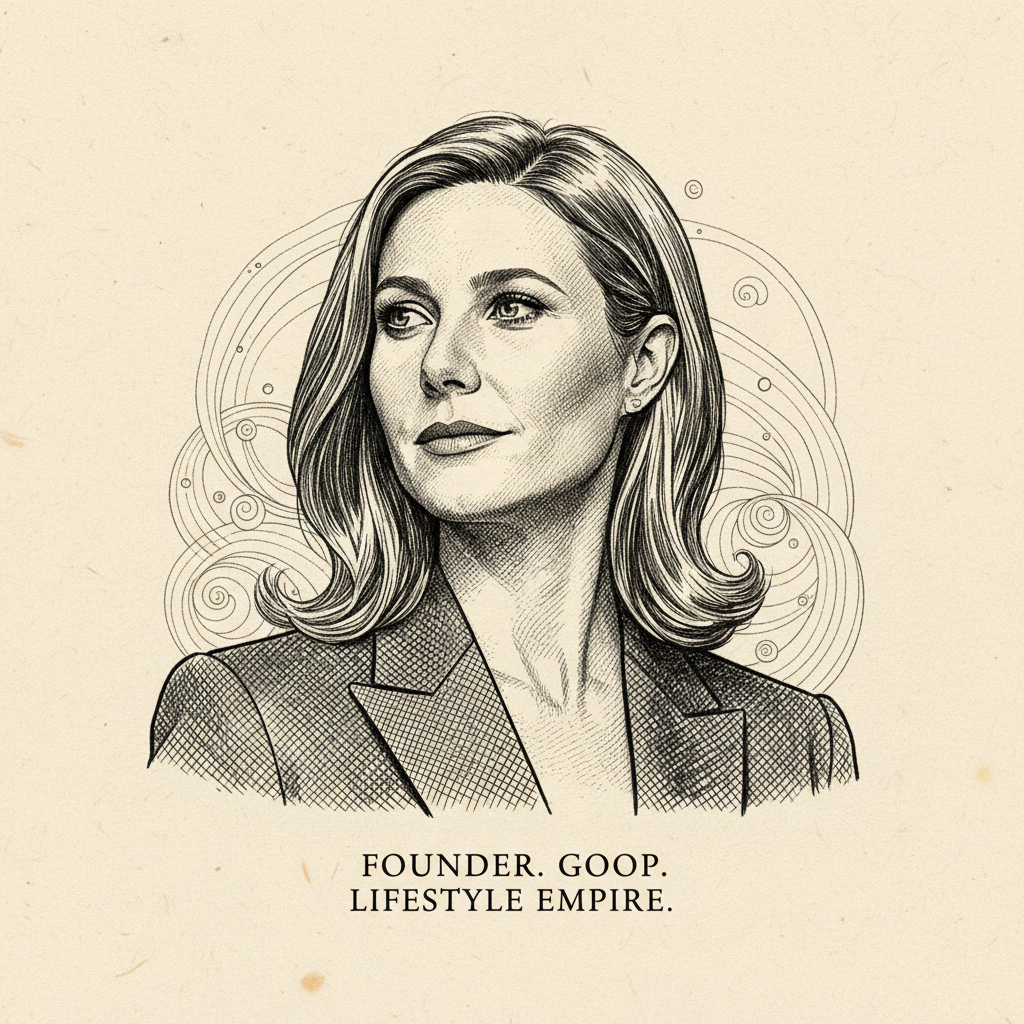
Portrait of Gwyneth Paltrow
UNITED STATES / E-COMMERCE, WELLNESS, MEDIA, CONSUMER GOODS
Gwyneth Paltrow
From Oscar-winning actress to pioneering wellness entrepreneur, Gwyneth Paltrow leveraged personal brand into a diversified lifestyle empire, Goop.
Portrait of Dan Hegarty
IRELAND / MEDIA
Dan Hegarty
Irish radio presenter and music curator known for championing alternative music.
United States

From United States

Browse all →
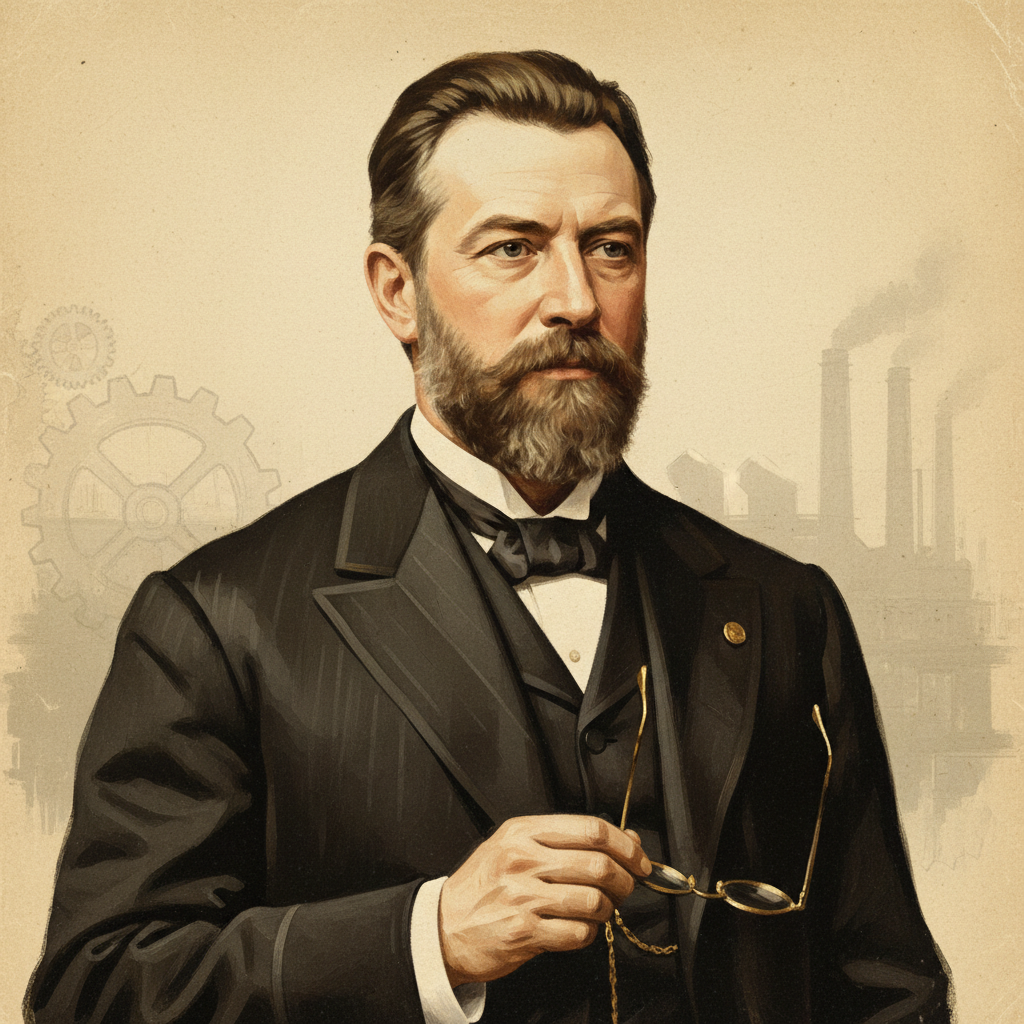
Portrait of Andrew Carnegie
UNITED STATES / STEEL & MANUFACTURING
Andrew Carnegie
The architect of American steel supremacy and a pioneering industrialist whose innovations in cost control and vertical integration reshaped global manufacturing.
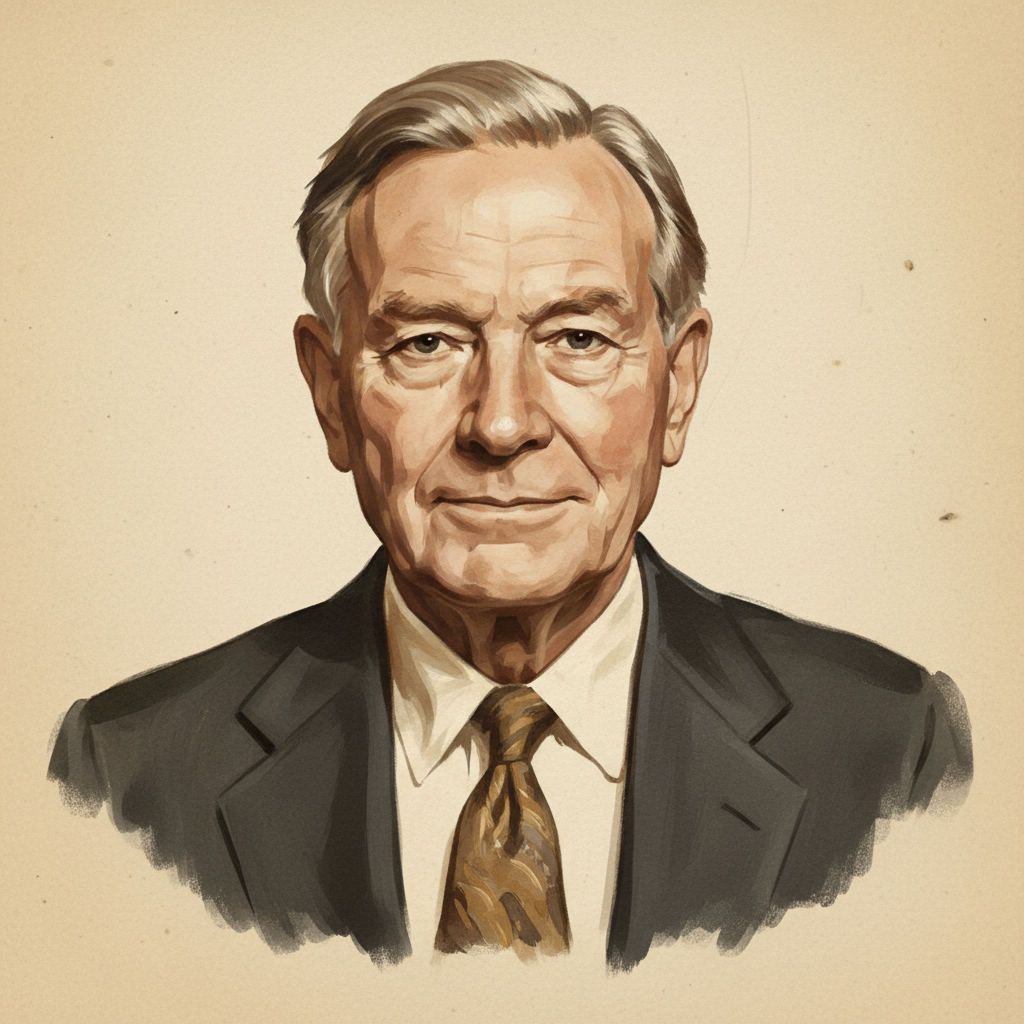
Portrait of Warren Buffett
UNITED STATES / INVESTING
Warren Buffett
The Oracle of Omaha: Architect of long-term value investing and compounding returns through disciplined acquisition and intrinsic value focus.
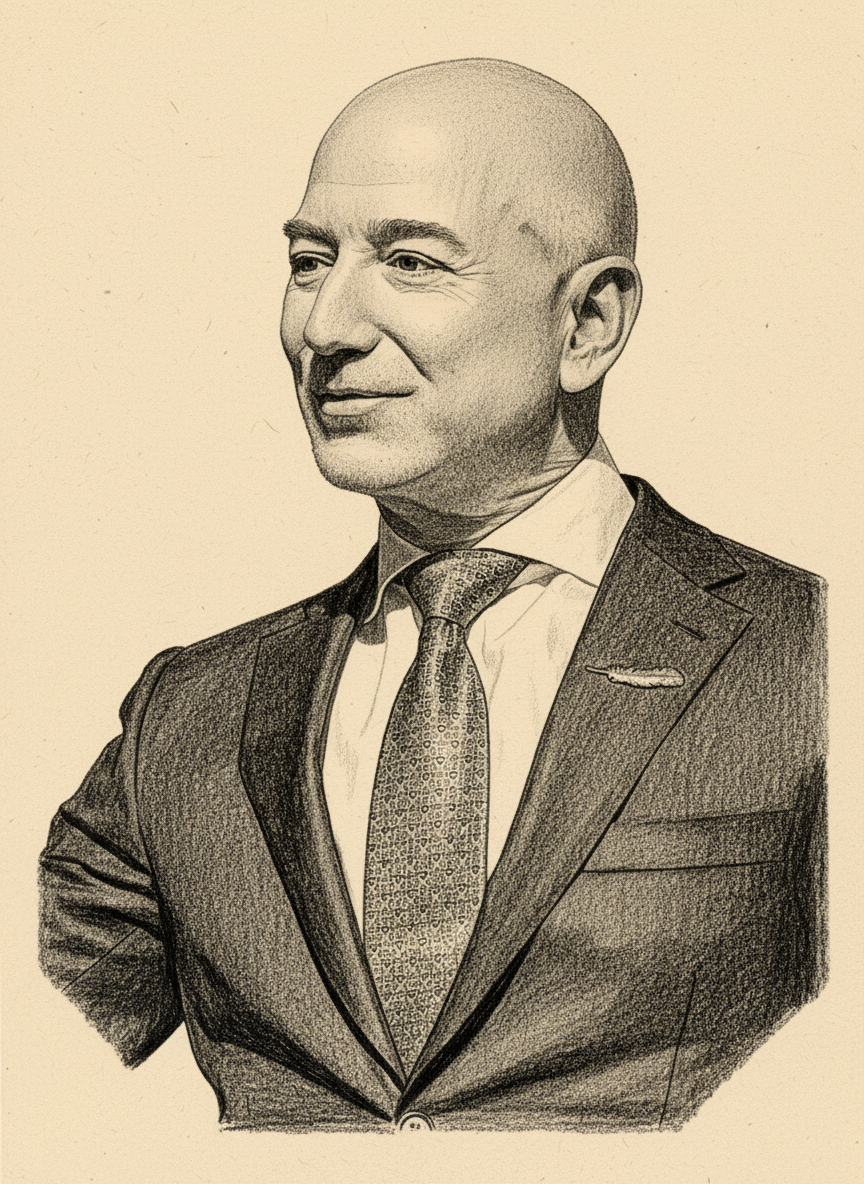
Portrait of Jeff Bezos
UNITED STATES / TECHNOLOGY, RETAIL, LOGISTICS, CLOUD COMPUTING, SPACE EXPLORATION
Jeff Bezos
Architect of Amazon, pioneer of e-commerce, and visionary across cloud computing, logistics, and space exploration.
Portrait of Bill Gates
UNITED STATES / SOFTWARE, TECHNOLOGY, PHILANTHROPY
Bill Gates
Co-founder of Microsoft, architect of the personal computing revolution, and global philanthropist.
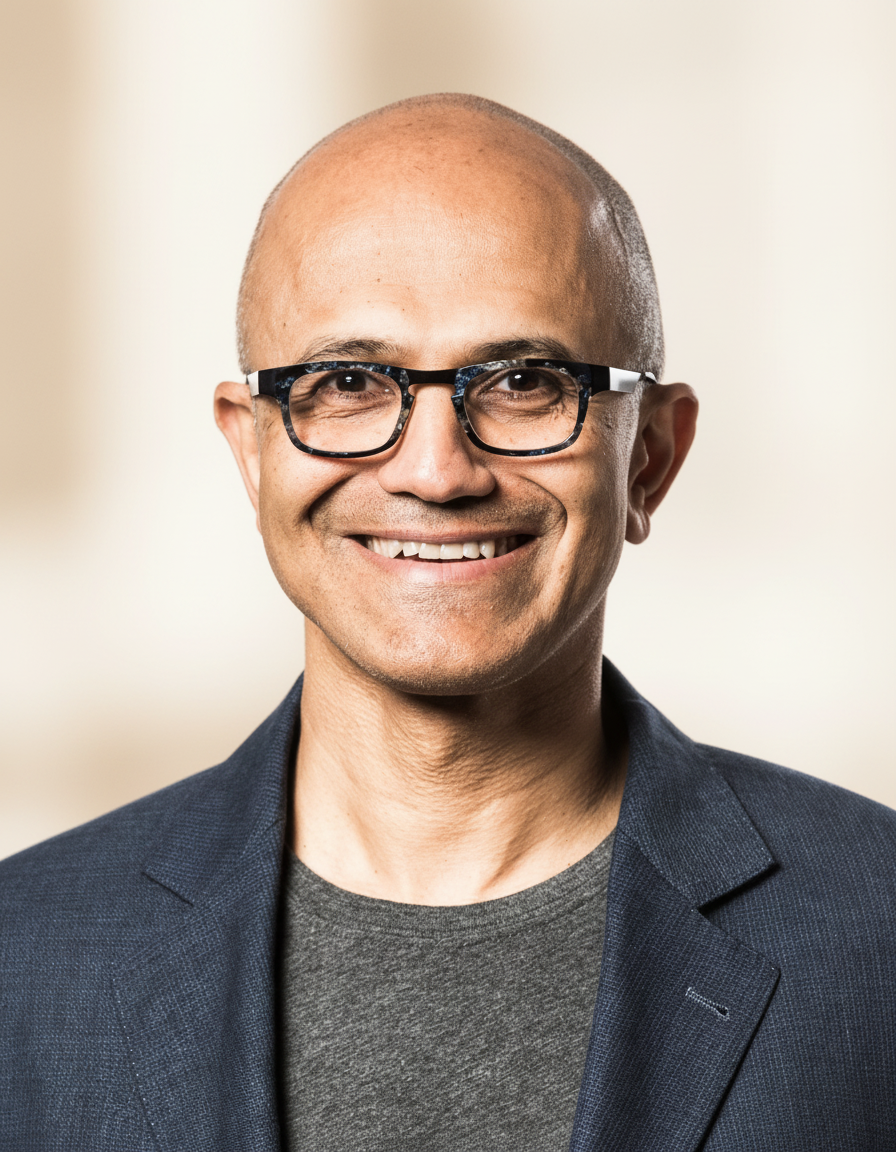
Portrait of Satya Nadella
UNITED STATES / TECHNOLOGY
Satya Nadella
Architect of Microsoft's cloud-first, AI-driven renaissance, shifting culture and strategy to drive sustained growth and market leadership.
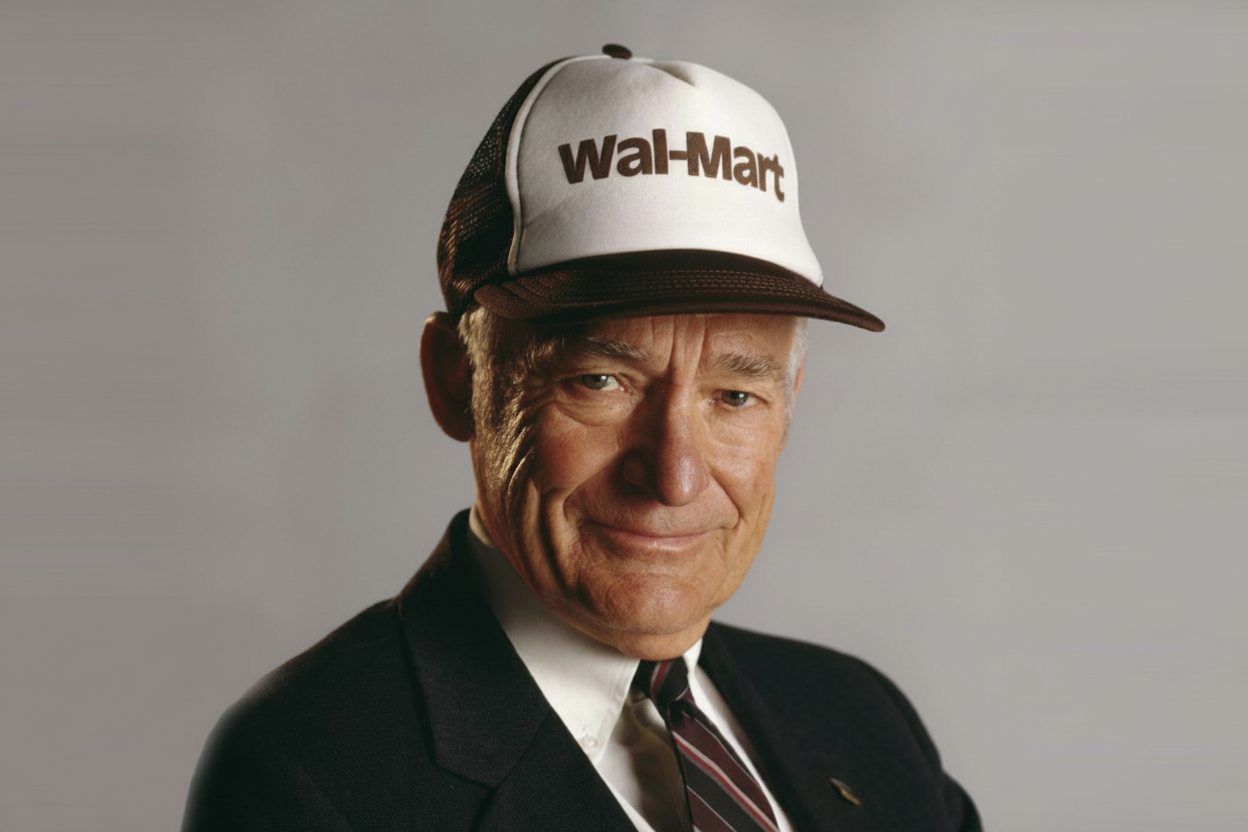
Portrait of Sam Walton
UNITED STATES / RETAIL
Sam Walton
The architect of modern retail, pioneering discount merchandising and logistical efficiency to establish the world's largest retail corporation.
Portrait of Mark Cuban
UNITED STATES / TECHNOLOGY, MEDIA, SPORTS, HEALTHCARE
Mark Cuban
Mark Cuban: The Prolific Disrupter – From Software Startups to Sports Franchises and Pharmaceutical Innovation, Leveraging Technology and Direct-to-Consumer Models.
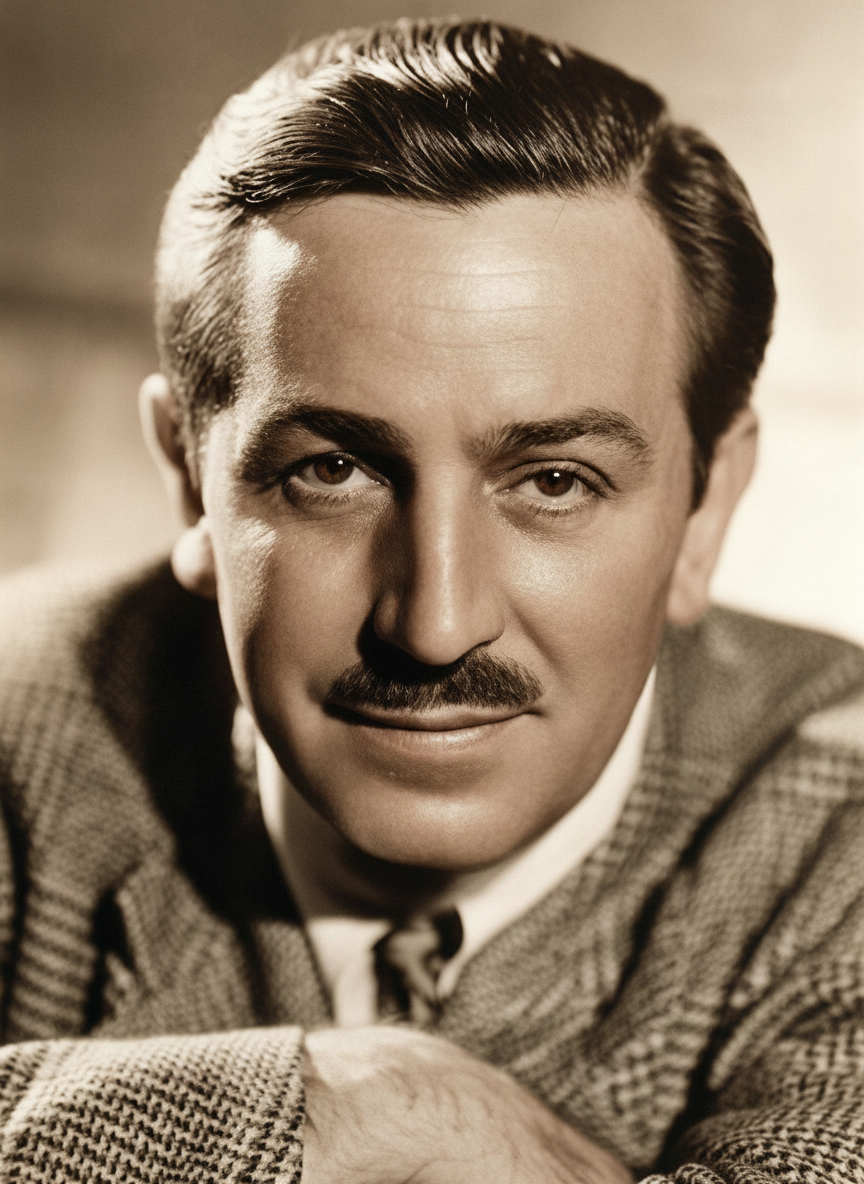
Portrait of Walt Disney
UNITED STATES / ENTERTAINMENT
Walt Disney
Co-founder of The Walt Disney Company, pioneering animation, theme parks, and diversified entertainment.
Portrait of Henry Ford
UNITED STATES / AUTOMOTIVE
Henry Ford
The architect of mass production, democratizing the automobile through efficiency and scale.
Portrait of Mohnish Pabrai
UNITED STATES / FINANCIAL SERVICES
Mohnish Pabrai
The Dhandho Investor: A Value Investing Maverick.
Same Era

Contemporaries — 20th century
Browse all →
Portrait of Warren Buffett
UNITED STATES / INVESTING
Warren Buffett
The Oracle of Omaha: Architect of long-term value investing and compounding returns through disciplined acquisition and intrinsic value focus.
Portrait of Jeff Bezos
UNITED STATES / TECHNOLOGY, RETAIL, LOGISTICS, CLOUD COMPUTING, SPACE EXPLORATION
Jeff Bezos
Architect of Amazon, pioneer of e-commerce, and visionary across cloud computing, logistics, and space exploration.
Portrait of Steve Jobs
USA / TECHNOLOGY
Steve Jobs
Co-founder of Apple Inc. and visionary credited with transforming multiple industries.
Portrait of Elon Musk
SOUTH AFRICA / AEROSPACE, AUTOMOTIVE, ARTIFICIAL INTELLIGENCE, ENERGY, TELECOMMUNICATIONS
Elon Musk
Elon Reeve Musk: Visionary entrepreneur leading advancements in aerospace, automotive, and artificial intelligence.
Portrait of Charlie Munger
USA / DIVERSIFIED HOLDINGS, INVESTMENT MANAGEMENT
Charlie Munger
The architect of modern value investing at Berkshire Hathaway, known for his multidisciplinary approach and acerbic wit.
Portrait of Bill Gates
UNITED STATES / SOFTWARE, TECHNOLOGY, PHILANTHROPY
Bill Gates
Co-founder of Microsoft, architect of the personal computing revolution, and global philanthropist.
Portrait of Satya Nadella
UNITED STATES / TECHNOLOGY
Satya Nadella
Architect of Microsoft's cloud-first, AI-driven renaissance, shifting culture and strategy to drive sustained growth and market leadership.
Portrait of Jensen Huang
TAIWAN (NATURALIZED AMERICAN CITIZEN) / SEMICONDUCTORS, ARTIFICIAL INTELLIGENCE, COMPUTING
Jensen Huang
Co-founder, President, and CEO of NVIDIA, a pioneering force in graphics processing units (GPUs) and artificial intelligence.
Portrait of Sam Walton
UNITED STATES / RETAIL
Sam Walton
The architect of modern retail, pioneering discount merchandising and logistical efficiency to establish the world's largest retail corporation.
Portrait of Mark Cuban
UNITED STATES / TECHNOLOGY, MEDIA, SPORTS, HEALTHCARE
Mark Cuban
Mark Cuban: The Prolific Disrupter – From Software Startups to Sports Franchises and Pharmaceutical Innovation, Leveraging Technology and Direct-to-Consumer Models.