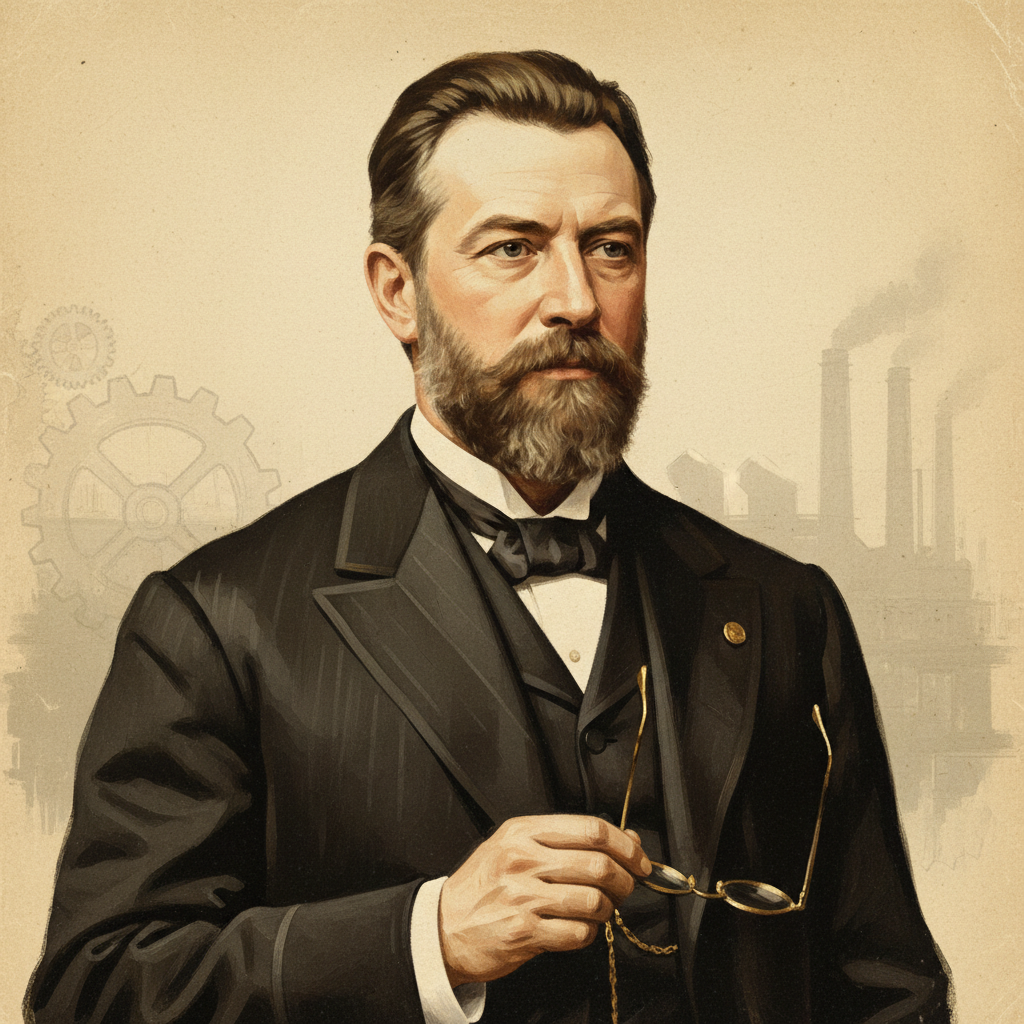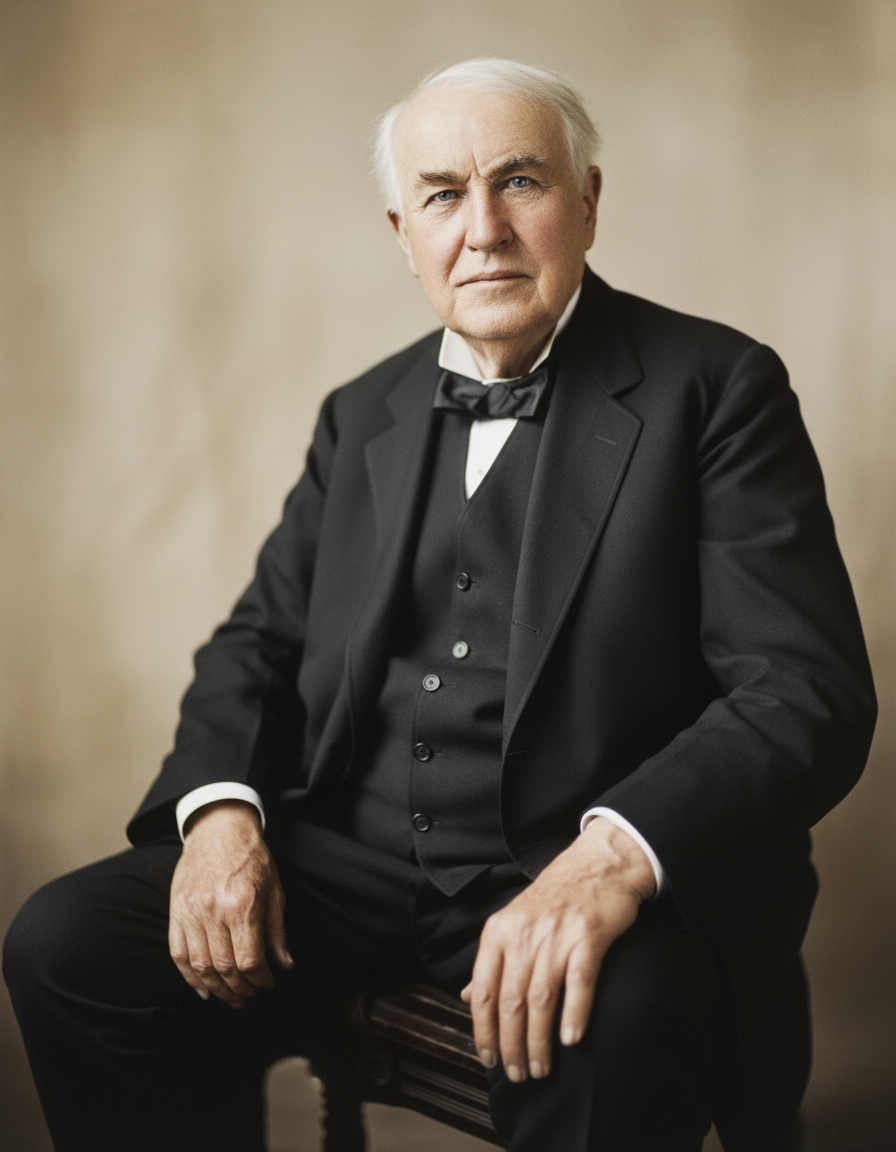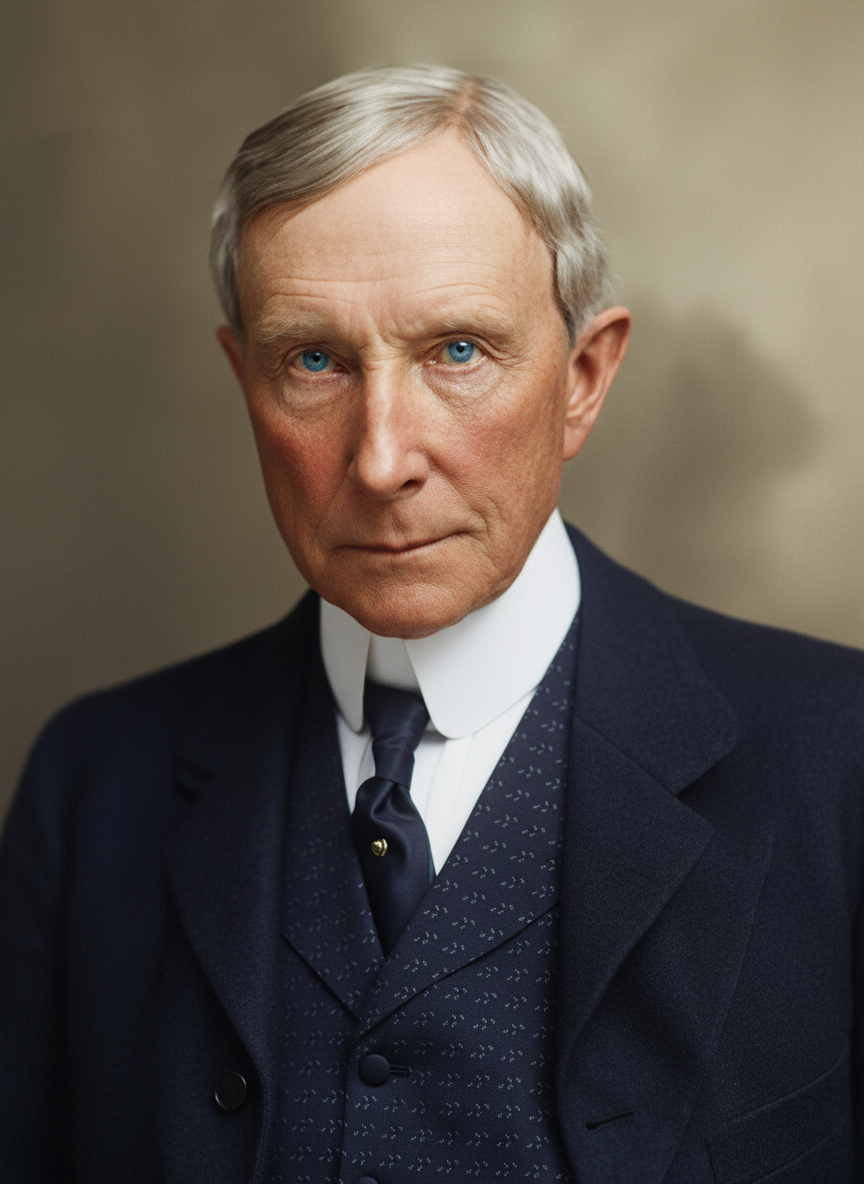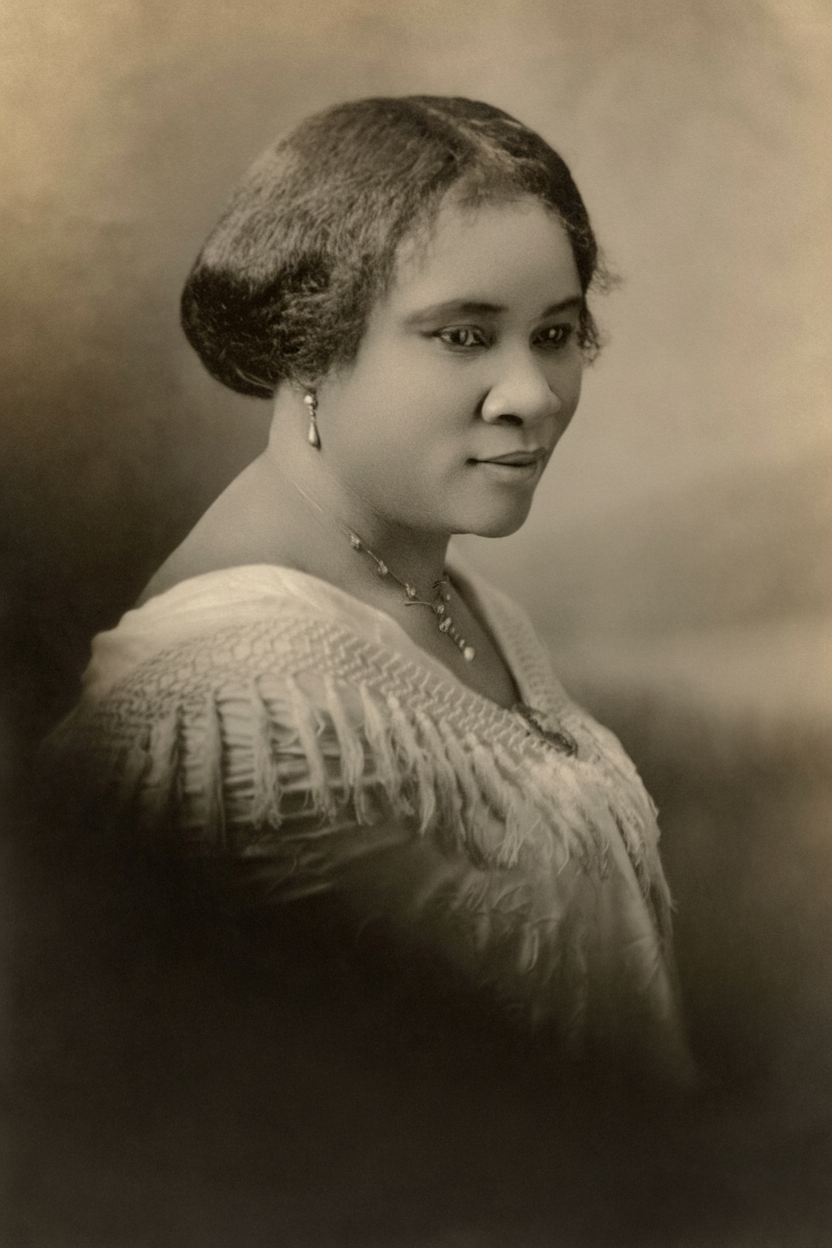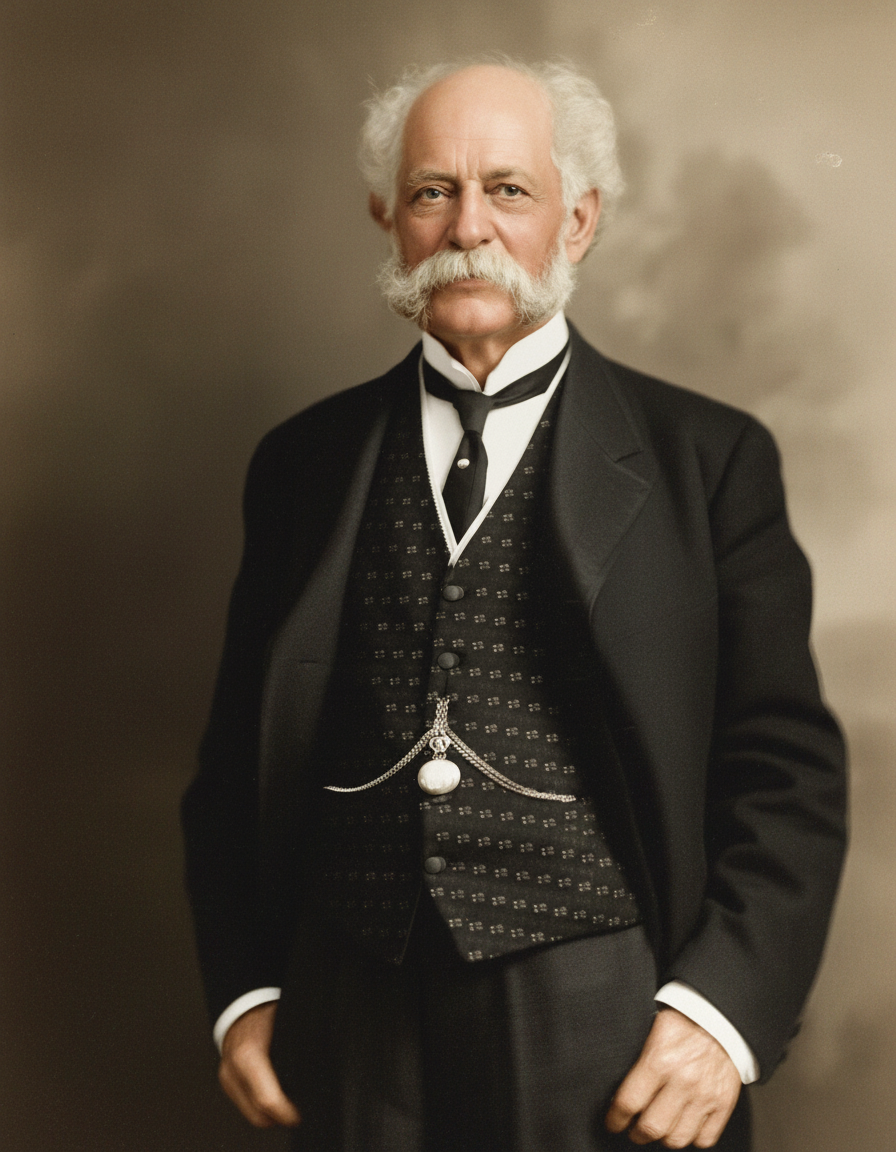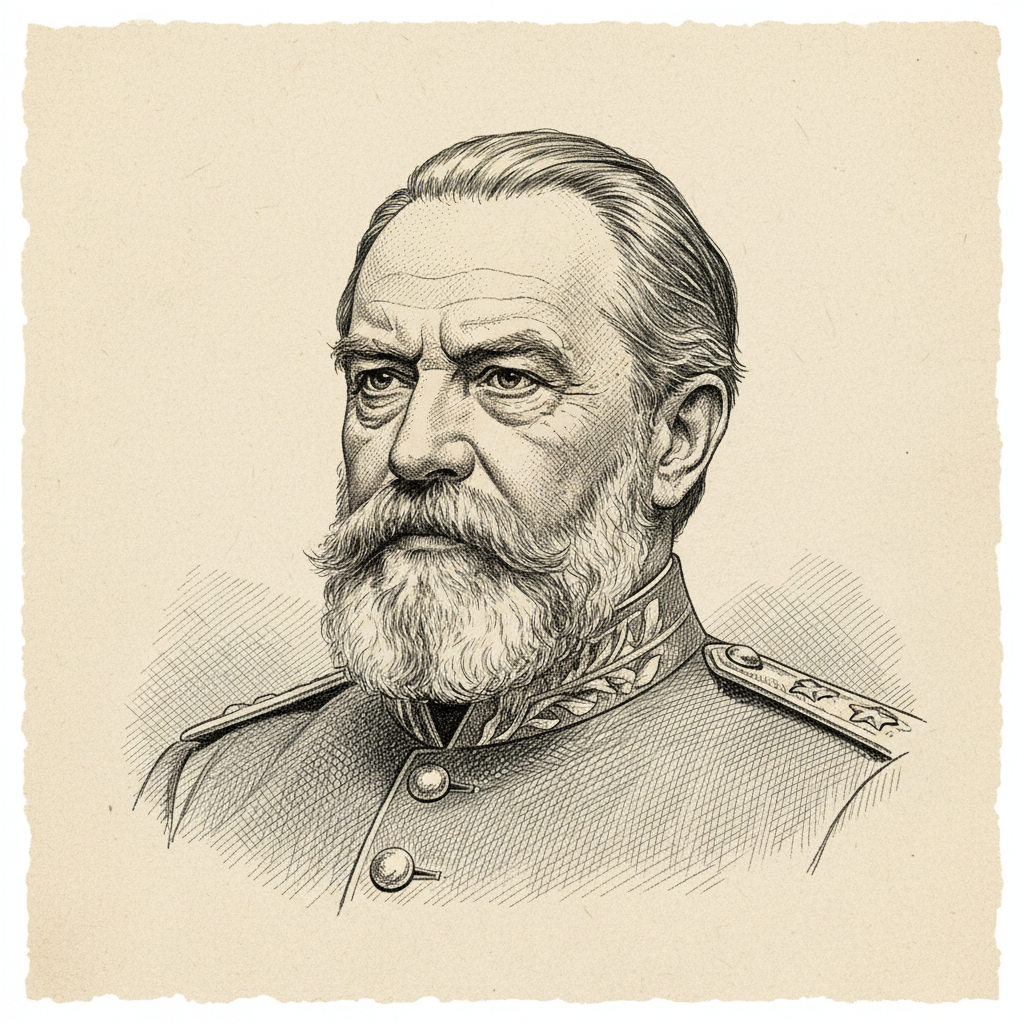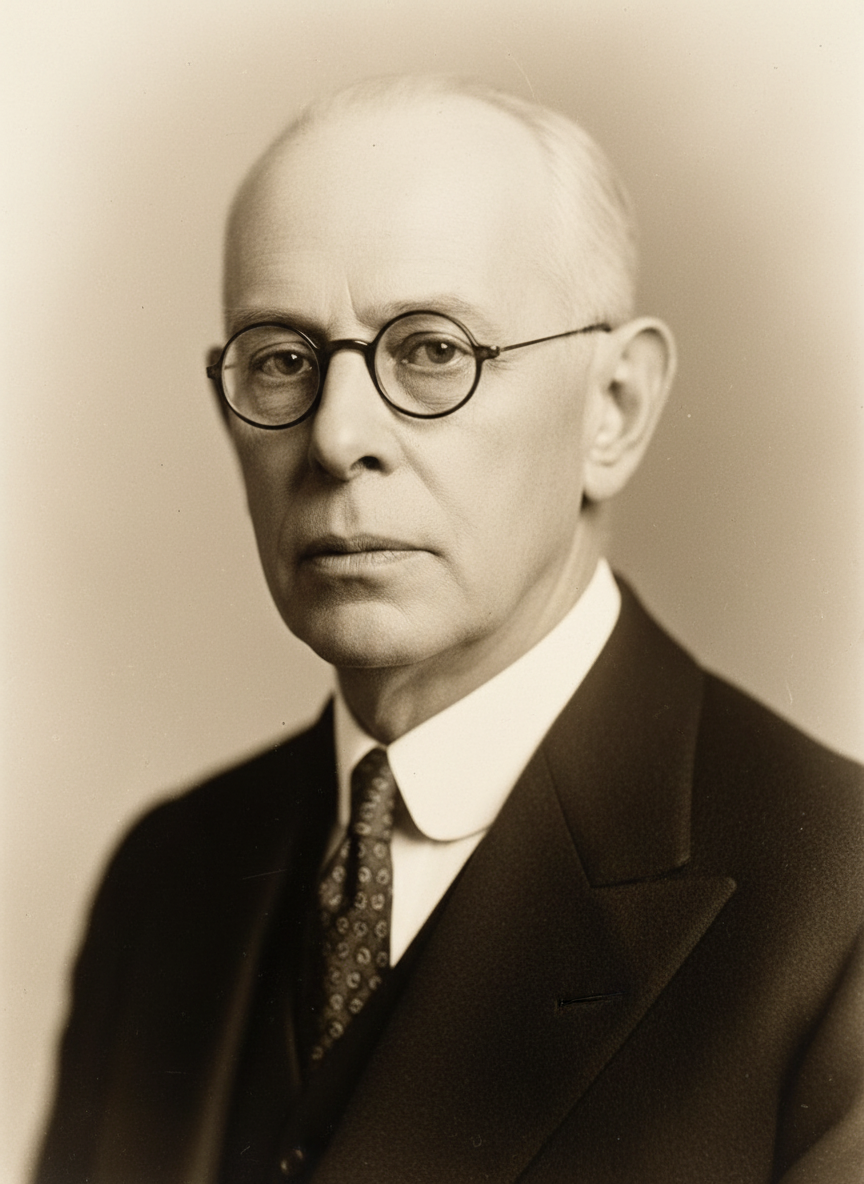
Portrait of Jesse Livermore
Historical Mind · 1877 — 1940

Jesse Livermore

The Grand Turk of Speculation, Jesse Livermore navigated market manias and panics, achieving and losing colossal fortunes through astute observation and audacious conviction.

Country
United States
Continent
North America
Industry
Financial Markets
Role
Speculator, Trader

Jesse Livermore was a legendary American stock trader and speculator, one of the greatest individual traders in history. Starting at 14 as a chalk boy, he mastered tape reading, market timing, and psychological discipline. He amassed and lost several fortunes, most notably profiting immensely from the Panics of 1907 and the 1929 stock market crash by short selling.

Biography

Jesse Lauriston Livermore (1877-1940) began his career at 14, working as a chalk boy in Paine Webber's Boston brokerage house. His innate ability to track and predict stock prices by observing the ticker tape earned him the moniker 'Boy Plunger.' By age 15, he was making his own trades, often in 'bucket shops' where he gambled on price movements without actually owning the shares. Over the ensuing decades, Livermore navigated the volatile financial markets of the early 20th century with unparalleled skill, though not without significant personal cost. He famously made a fortune by shorting the market during the financial Panic of 1907, profiting approximately $3 million. His foresight was so impactful that J.P. Morgan, Jr. at one point requested he cease his short selling to help stabilize the market. Livermore's most spectacular success came during the 1929 stock market crash, where his short positions reportedly yielded him over $100 million. However, his life was marked by extreme financial highs and devastating lows, including multiple bankruptcies and four marriages. His trading methodology, rooted in technical analysis, understanding market psychology, and aggressive position sizing, was decades ahead of its time. Despite his legendary trading prowess, personal struggles and increasing market regulation after the 1929 crash contributed to his ultimate decline. Livermore's career serves as both an inspiration and a cautionary tale regarding the pursuit of speculative wealth.

Accomplishments

  • 01Profited approximately $3 million (equivalent to hundreds of millions today) from short selling during the Panic of 1907.
  • 02Reportedly amassed over $100 million (equivalent to billions today) by shorting the market during the 1929 stock market crash.
  • 03Pioneered systematic approaches to market timing, trend following, and risk management through position sizing, influencing generations of traders.
  • 04Developed a profound understanding of market psychology, recognizing patterns of human behavior in speculative markets.
  • 05Authored 'How to Trade in Stocks' (1940), an influential book detailing his trading philosophy and methods.
  • 06Demonstrated exceptional discipline in adhering to his own trading rules, particularly in cutting losses early.

Lessons for Operators

Develop and strictly adhere to a trading system: Livermore meticulously tracked price movements and volume, formulating specific entry and exit rules. He often detailed his rules even in physical notebooks. 'Don't argue with the tape.' When the market contradicts your thesis, respect the price action.
Cut losses quickly: His fundamental rule was to exit a losing position rapidly before it escalated. 'It is foolhardy to make a second trade, if your first trade shows you a loss. Never average losses.' Establish your maximum acceptable loss per trade and honor it without exception.
Pyramid into winning positions, not losing ones: Livermore scaled up his positions only when in profit, buying more as the market moved in his favor, after initial 'probing trades' confirmed the trend. 'Money is made by sitting, not by trading.' Once a trend is established, let profits run.
Observe and understand market psychology: He recognized that human emotions (fear, greed, hope) drive market behavior and identified recurring patterns. 'The game of speculation is the most consistently fascinating game in the world. But it is not for the stupid, the mentally lazy, the man of less than average emotional balance, or the adventurer who insists on trying to get something for nothing.'
Patience is paramount: Livermore often waited for clear trends and significant economic shifts before taking large positions. 'It never was my thinking that made the big money for me. It always was my sitting. Got that? My sitting tight!' Recognize that opportunity may not always be present.
Never overextend: Despite his aggressive reputation, he understood the importance of capital preservation and avoiding ruin. 'A speculator must be able to cash in on his judgments at the right time. But before he can do so, he must keep his cash in reserve.' Maintain sufficient liquidity to capitalize on future opportunities.
The Operator's Playbook

Key Takeaways

Practical lessons distilled for operators, investors, C-levels, and capital allocators.

Lesson 01

Systemic Discipline Over Intuition

Livermore's success was not random; it stemmed from a disciplined, systematic approach to market observation and trade execution. Operators and investors must codify their decision-making processes to avoid emotional pitfalls and ensure consistency.

Lesson 02

Risk Management as a Core Competency

His unwavering commitment to cutting losses early and scaling into winners represents a foundational principle of effective risk management. For enterprises, this translates to clear stop-loss criteria for investments and projects, and scaling resources into successful ventures only after validated traction.

Lesson 03

Understanding Market/Industry Psychology

Livermore recognized that markets are driven by human sentiment. Enterprise leaders must similarly understand the psychological biases of their customers, competitors, and employees to anticipate market shifts and design effective strategies.

Lesson 04

Patience for Macro Trends

His greatest profits came from identifying and patiently acting on major market shifts (e.g., panics, crashes). Fund managers and C-levels should focus on identifying significant industry or economic mega-trends rather than reacting to short-term noise, positioning capital accordingly for long-term gains.

Lesson 05

Adaptability and Learning from Mistakes

Despite immense success, Livermore also faced significant losses and bankruptcies. His ability to learn from these setbacks, refine his methods, and re-enter the market demonstrates resilience vital for operational and investment leadership.

Lesson 06

Capital Preservation is Paramount

Livermore understood that staying in the game required protecting his capital. For any organization, safeguarding financial reserves and avoiding overly leveraged positions is critical for weathering downturns and seizing emergent opportunities.

Mental Models

Frameworks & Principles

Named frameworks and strategic principles they popularized or embodied.

01

Trend Following and Confirmation

Livermore waited for clear trends to establish themselves before committing significant capital. He used 'probing trades' to test the market's direction, scaling up only when confirmed profitable. He did not predict; he reacted.

When to useApplicable for long-term strategic investments in established market trends, or for fund managers seeking to capitalize on sustained asset price movements. Avoid attempting to 'bottom-fish' or 'top-tick' a market.

02

Pyramiding into Strength / Cutting Weakness

A core principle where one adds to winning positions (pyramiding) and cuts losing positions swiftly. He never averaged down on a losing trade, considering it a fatal mistake. 'Let profits run, cut losses short.'

When to useEssential for capital allocation in project management, M&A, or venture capital. Scale investment in initiatives demonstrating success and pull resources from underperforming projects quickly, rather than doubling down on failures.

03

Observation and Market Tape Reading (Modern Equivalent: Data Analysis)

Livermore's initial edge came from meticulously observing market prices and volume 'on the tape.' He detected supply/demand imbalances and anticipated crowd behavior. This was early technical analysis.

When to useEnterprise leaders and investors must adopt data-driven decision-making. Continuous analysis of market data, customer behavior, and competitor movements is the modern equivalent of 'reading the tape' to identify emerging opportunities or threats.

04

Understanding the 'Line of Least Resistance'

Livermore understood that prices tend to move along the path of least resistance. He did not fight the general market trend, but rather traded in its direction, whether up or down.

When to useStrategic planning and market entry. Identify the dominant forces within an industry or economy and align your strategy with these prevailing currents rather than attempting to buck established momentum.

Citations

Sources & Further Reading

Profiles, interviews, podcasts, and articles used to compile and verify this entry. Each link opens at the original publisher.

Adjacent Minds

Explore Related Titans

Other figures in the archive who share Jesse Livermore's domain, geography, or era.

Finance & Investing

More in Finance & Investing

Browse all →
Portrait of Warren Buffett
UNITED STATES / INVESTING
Warren Buffett
The Oracle of Omaha: Architect of long-term value investing and compounding returns through disciplined acquisition and intrinsic value focus.
Portrait of Charlie Munger
USA / DIVERSIFIED HOLDINGS, INVESTMENT MANAGEMENT
Charlie Munger
The architect of modern value investing at Berkshire Hathaway, known for his multidisciplinary approach and acerbic wit.
Portrait of Mohnish Pabrai
UNITED STATES / FINANCIAL SERVICES
Mohnish Pabrai
The Dhandho Investor: A Value Investing Maverick.
Portrait of Sam Altman
UNITED STATES / ARTIFICIAL INTELLIGENCE, VENTURE CAPITAL
Sam Altman
Architect of Artificial General Intelligence and Venture Capital Visionary.
Portrait of J. Pierpont Morgan
UNITED STATES / BANKING & FINANCE
J. Pierpont Morgan
The architect of American industrial capitalism and financial stability.
Portrait of Ray Dalio
UNITED STATES / INVESTMENT MANAGEMENT
Ray Dalio
The architect of 'radical transparency' and systematic investing, Ray Dalio built Bridgewater Associates into one of the world's largest and most influential hedge funds.
Portrait of Cosimo de' Medici
ITALY / BANKING, FINANCE, STATESMANSHIP
Cosimo de' Medici
The architect of Medici power, leveraging finance and cultural patronage to establish a dynastic legacy.
Portrait of Giovanni di Bicci de' Medici
ITALY / BANKING AND FINANCE
Giovanni di Bicci de' Medici
The silent architect of Florence's financial supremacy and the Medici dynasty.
Portrait of Khaldoon Khalifa Al Mubarak
UNITED ARAB EMIRATES / SOVEREIGN WEALTH FUND MANAGEMENT
Khaldoon Khalifa Al Mubarak
Architect of Abu Dhabi's diversified economic future through strategic sovereign wealth management and international engagement.
Portrait of Stephen Schwarzman
UNITED STATES / FINANCIAL SERVICES
Stephen Schwarzman
Co-founder, Chairman, and CEO of Blackstone, Stephen A. Schwarzman engineered the firm's evolution into the world's largest alternative asset manager.
United States

From United States

Browse all →
Portrait of Andrew Carnegie
UNITED STATES / STEEL & MANUFACTURING
Andrew Carnegie
The architect of American steel supremacy and a pioneering industrialist whose innovations in cost control and vertical integration reshaped global manufacturing.
Portrait of Warren Buffett
UNITED STATES / INVESTING
Warren Buffett
The Oracle of Omaha: Architect of long-term value investing and compounding returns through disciplined acquisition and intrinsic value focus.
Portrait of Jeff Bezos
UNITED STATES / TECHNOLOGY, RETAIL, LOGISTICS, CLOUD COMPUTING, SPACE EXPLORATION
Jeff Bezos
Founder of Amazon, orchestrator of an e-commerce and cloud computing empire, and pioneer in space exploration.
Portrait of Bill Gates
UNITED STATES / SOFTWARE, TECHNOLOGY, PHILANTHROPY
Bill Gates
Co-founder of Microsoft, architect of the personal computing revolution, and global philanthropist.
Portrait of Mark Cuban
UNITED STATES / TECHNOLOGY, MEDIA, SPORTS, HEALTHCARE
Mark Cuban
Mark Cuban: The Prolific Disrupter – From Software Startups to Sports Franchises and Pharmaceutical Innovation, Leveraging Technology and Direct-to-Consumer Models.
Portrait of Sam Walton
UNITED STATES / RETAIL
Sam Walton
The architect of modern retail, pioneering discount merchandising and logistical efficiency to establish the world's largest retail corporation.
Portrait of Henry Ford
UNITED STATES / AUTOMOTIVE
Henry Ford
The architect of mass production, democratizing the automobile through efficiency and scale.
Portrait of Mohnish Pabrai
UNITED STATES / FINANCIAL SERVICES
Mohnish Pabrai
The Dhandho Investor: A Value Investing Maverick.
Portrait of Walt Disney
UNITED STATES / ENTERTAINMENT
Walt Disney
Co-founder of The Walt Disney Company, pioneering animation, theme parks, and diversified entertainment.
Portrait of Thomas Edison
UNITED STATES / INDUSTRIAL & ENERGY
Thomas Edison
The Prolific Inventor and Industrialist Who Electrified the World and Standardized Innovation.