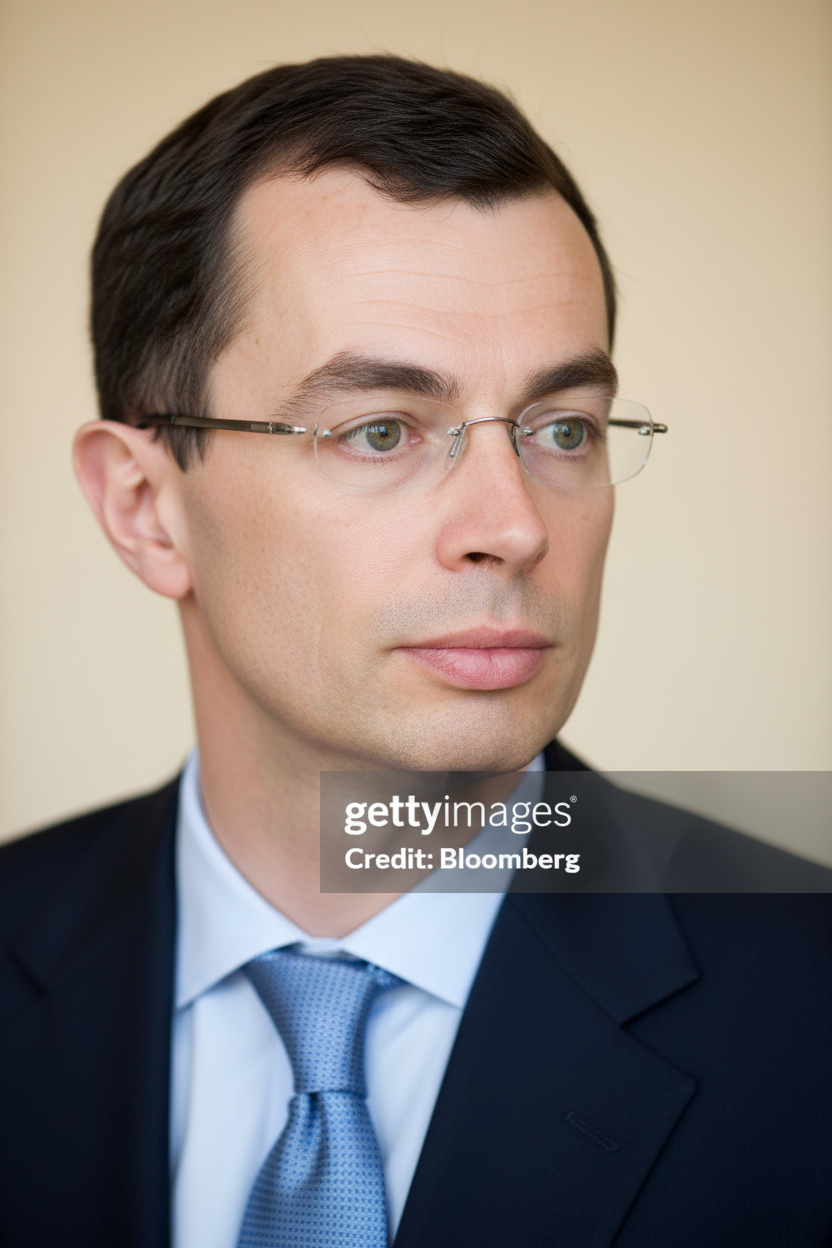
Jean-Pierre Mustier
The turnaround specialist known for deleveraging and simplifying large European financial institutions.
Jean-Pierre Mustier is a French investment banker and executive, best known for his transformative leadership as CEO of UniCredit. He is recognized for his decisive actions in recapitalizing and restructuring the Italian banking giant, previously holding significant roles at Société Générale in investment banking.
Biography
Accomplishments
- 01Orchestrated a €13 billion capital increase for UniCredit in 2017, one of the largest rights issues in European banking history, crucial for the bank's solvency.
- 02Successfully executed the disposal of over €50 billion in non-performing exposures (NPEs) at UniCredit, drastically reducing the bank's risk profile through initiatives like Project Fino (2017).
- 03Divested non-core assets, including UniCredit's asset management arm Pioneer Investments to Amundi for €3.5 billion (2016) and its stake in Bank Pekao, simplifying the bank's structure and boosting capital.
- 04Implemented rigorous cost-cutting programs and efficiency drives at UniCredit, improving the cost-to-income ratio and operational profitability.
- 05Led Société Générale's Corporate and Investment Banking division to significant growth and market share expansion prior to the 2008 financial crisis.
- 06Chaired the European Banking Federation (EBF) from 2019 to 2020, advocating for a stronger, more integrated European banking market.
Lessons for Operators
Key Takeaways
Practical lessons distilled for operators, investors, C-levels, and capital allocators.
Decisive Deleveraging
Mustier's experience at UniCredit demonstrates the power of aggressive balance sheet deleveraging, particularly the disposal of non-performing loans, to stabilize a crisis-ridden financial institution. This action directly improves capital ratios and investor confidence.
Strategic Simplification
The divestment of non-core assets (e.g., asset management, stakes in foreign banks) frees up capital, reduces complexity, and allows management to focus resources on core, profitable businesses. This is crucial for improving efficiency and shareholder value.
Capital Raising Imperative
When confronting severe undercapitalization, a significant capital injection, even if dilutive, is often a prerequisite for survival and turnaround. Mustier's €13 billion rights issue was a testament to his ability to convince investors of UniCredit's future viability.
Operational Efficiency Focus
Implementing rigorous cost-cutting and efficiency programs is vital for long-term health, even after deleveraging. Mustier's focus on improving the cost-to-income ratio via branch closures and digital transformation enhanced UniCredit's competitiveness.
Crisis Leadership
Mustier exemplified crisis leadership by taking bold, often unpopular, decisions under intense scrutiny. His direct communication and clear strategic vision were instrumental in guiding UniCredit through its most challenging period.
Frameworks & Principles
Named frameworks and strategic principles they popularized or embodied.
The 'Clean-Up First' Strategy
Prioritize aggressive balance sheet repair and de-risking (e.g., NPL disposals, capital raising) above all else before attempting growth initiatives. This establishes a stable foundation.
When to useApplicable for organizations facing significant financial distress, asset quality issues, or capital shortfalls where a fundamental balance sheet restructuring is required before any sustained growth can occur.
Core Business Focus via Divestment
Systematically identify and divest non-core or underperforming assets and business lines to simplify operations, improve capital efficiency, and sharpen strategic focus on areas with competitive advantage.
When to useUseful for diversified conglomerates or large institutions that have become overly complex or have disparate business units that do not contribute synergistically, leading to capital inefficiency or management distraction.
The Transparent Turnaround Plan
Develop and clearly articulate a comprehensive, multi-year strategic plan that details capital actions, asset disposals, cost reductions, and operational improvements. Communicate this plan transparently and frequently to all stakeholders.
When to useEssential when an organization is undergoing significant restructuring and needs to rebuild trust with investors, regulators, employees, and customers. Clarity and commitment to the plan are paramount.
Explore Related Titans
Other figures in the archive who share Jean-Pierre Mustier's domain, geography, or era.
More in Finance & Investing









From France









Contemporaries — born 1960s