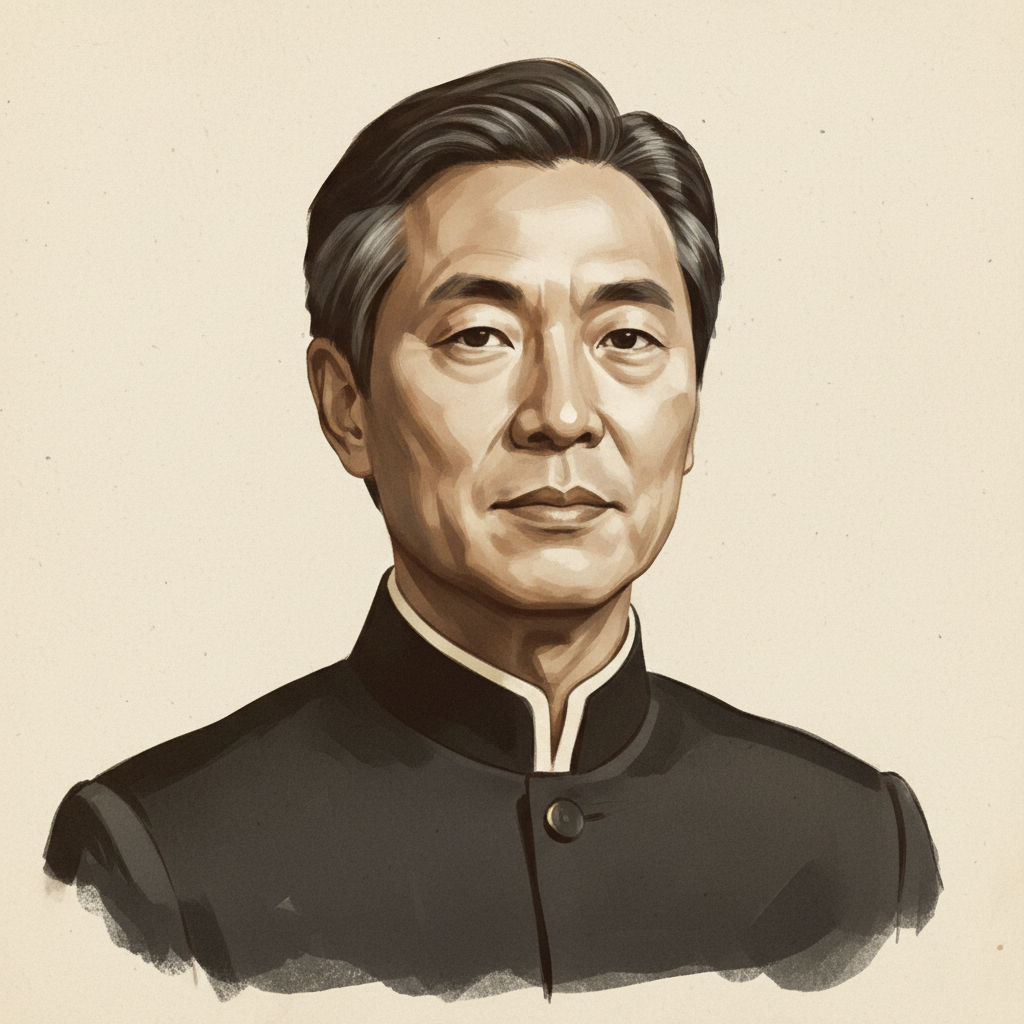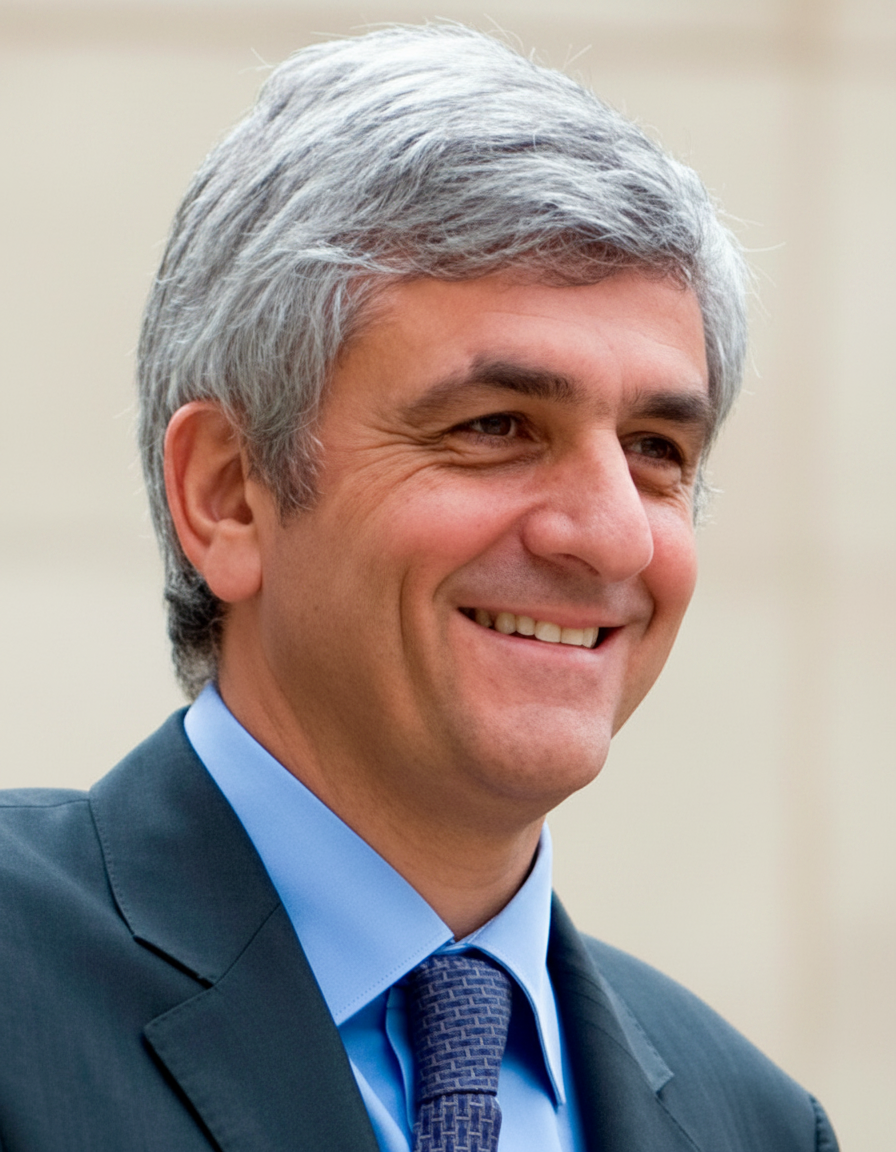
Hervé Morin
Hervé Morin is a veteran French politician recognized for his strategic leadership in national defense and regional development, particularly in fostering aerospace and agricultural sectors.
Hervé Morin is a French centrist politician who served as Minister of Defence from 2007 to 2010 under President Nicolas Sarkozy. Prior to this, he was a long-standing member of the National Assembly. Since 2015, he has led the Normandy Regional Council, focusing on economic development, infrastructure, and regional identity. His career reflects a blend of national strategic leadership and localized economic revitalization.
Biography
Accomplishments
- 01Oversaw the 2008 'Livre Blanc sur la Défense et la Sécurité nationale', fundamentally reshaping French defense strategy and capabilities to adapt to 21st-century threats.
- 02Managed significant modernization and restructuring of the French armed forces, including resource reallocation and technological upgrades while serving as Minister of Defence (2007-2010).
- 03Successfully led the newly merged Normandy region since 2015, integrating regional governance and driving economic initiatives, particularly in aerospace, agriculture, and maritime industries.
- 04Secured and promoted major investments in Normandy's economic sectors, including advocating for industrial clusters and leveraging European funds for regional development projects.
- 05Founded and led the Nouveau Centre (New Centre) political party, establishing a distinct centrist voice within French politics and contributing to coalition governments.
- 06Initiated and championed the 'Grand Site de France' label for the D-Day Landing Beaches, enhancing their recognition and attracting tourism and investment to Normandy.
Lessons for Operators
Key Takeaways
Practical lessons distilled for operators, investors, C-levels, and capital allocators.
Adaptive Defense Strategy
Morin's tenure as Minister of Defence demonstrated the necessity of continually re-evaluating and modernizing national defense frameworks in response to evolving global threats and technological shifts. This involved a strategic white paper, significant force restructuring, and investment in intelligence and high-tech capabilities. Leaders must instigate deep structural changes proactively, not reactively.
Regional Economic Revitalization
As President of the Normandy Regional Council, Morin prioritized leveraging the region's core industrial strengths, such as aerospace and agriculture. His approach illustrates that targeted investment, fostering industrial clusters, and promoting regional identity are crucial for sustained economic growth and attracting external capital. Focus on distinct regional advantages.
The Power of Centrist Leadership
Morin's political career, including founding and leading the Nouveau Centre party, highlights the value of centrist approaches in building consensus and achieving policy goals. In highly polarized environments, leaders capable of bridging ideological divides can drive more stable and implementable policy outcomes.
Holistic Governance
His transition from national defense to regional development showcases a comprehensive understanding of governance. Effective leaders can apply strategic thinking, resource allocation, and stakeholder management skills across diverse sectors, from military affairs to local economic planning and cultural promotion.
Infrastructure and Investment Catalyst
Morin consistently advocated for and secured investments in critical infrastructure and economic projects within Normandy. This underlines the role of political leadership in not just creating policy, but also actively facilitating the tangible investments that underpin long-term regional prosperity and competitiveness.
Frameworks & Principles
Named frameworks and strategic principles they popularized or embodied.
Strategic Defense Review (SDR) Model
A comprehensive process to assess national security threats, define strategic objectives, and allocate resources for defense capabilities. Morin's 2008 White Paper on Defence exemplifies this, leading to a fundamental restructuring of France's armed forces.
When to useWhen a large organization or nation needs to fundamentally reassess its mission, capabilities, and resource allocation in response to a changing external environment (e.g., new competitive landscape, geopolitical shifts, technological disruption).
Regional Economic Cluster Development
A strategy focused on identifying and nurturing geographically concentrated groups of interconnected companies, specialized suppliers, service providers, and associated institutions (e.g., universities) in a particular field. Morin applied this in Normandy for aerospace and agricultural sectors.
When to useTo drive economic growth in a specific geographic area by leveraging existing strengths, fostering collaboration among businesses, and attracting specialized talent and investment. Applicable for regional governments or industry associations.
Public-Private Partnership (PPP) Advocacy
A framework for collaboration between government entities and private sector companies to deliver public services or infrastructure projects. Morin's efforts in Normandy often involved leveraging private investment alongside public funds for regional development.
When to useWhen public funding alone is insufficient for large-scale infrastructure or service projects, or when private sector expertise and efficiency can enhance project delivery and long-term sustainability.
Recent Appearances
Latest interviews, keynotes, and press from the past half year.
 youtube.com
 youtube.com
 youtube.com
 youtube.com
 youtube.com
 youtube.com
 youtube.com
 youtube.com
 youtube.com
 youtube.com
 youtube.com
 youtube.com
 youtube.com
 youtube.com
 m.youtube.com
 youtube.com
 youtube.com
 youtube.com
 m.youtube.com
 youtube.com
 youtube.com
Sources & Further Reading
Profiles, interviews, podcasts, and articles used to compile and verify this entry. Each link opens at the original publisher.
Explore Related Titans
Other figures in the archive who share Hervé Morin's domain, geography, or era.
More in Transportation & Logistics
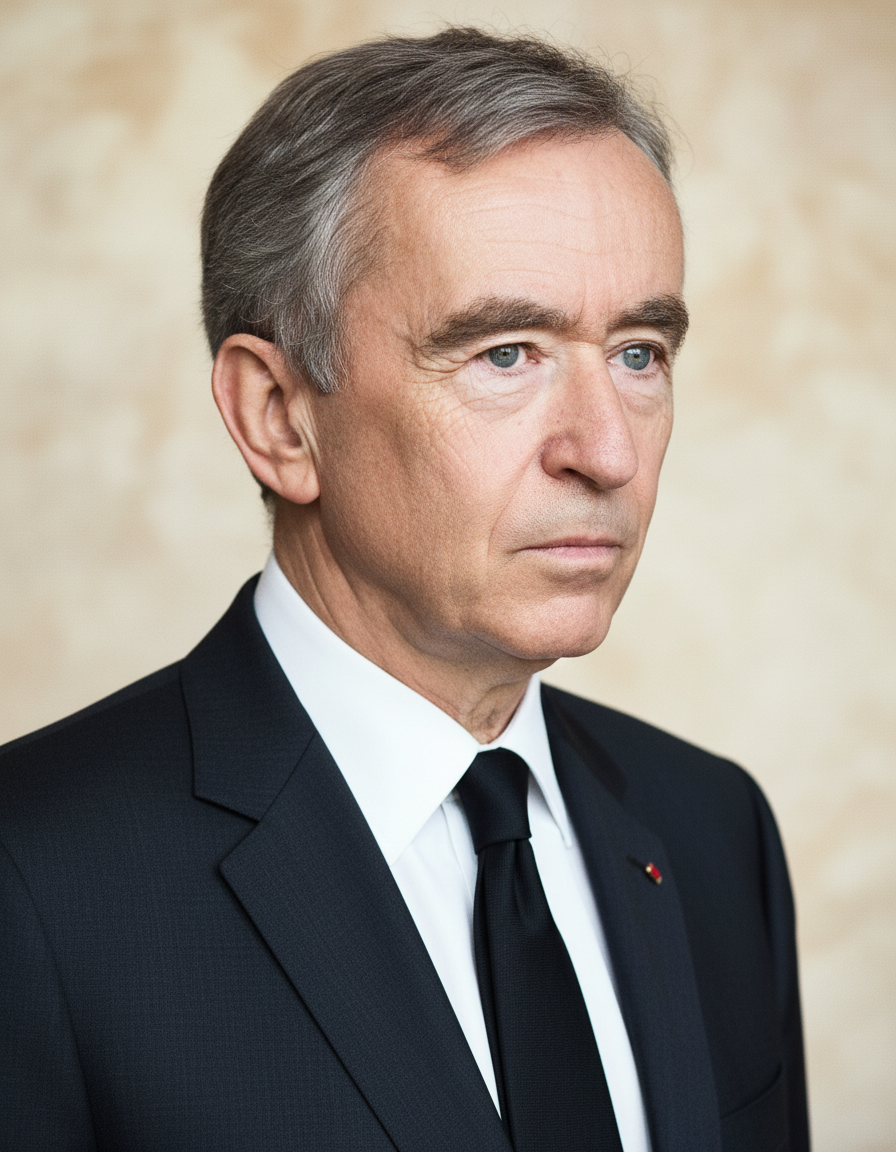
From France


Contemporaries — born 1960s