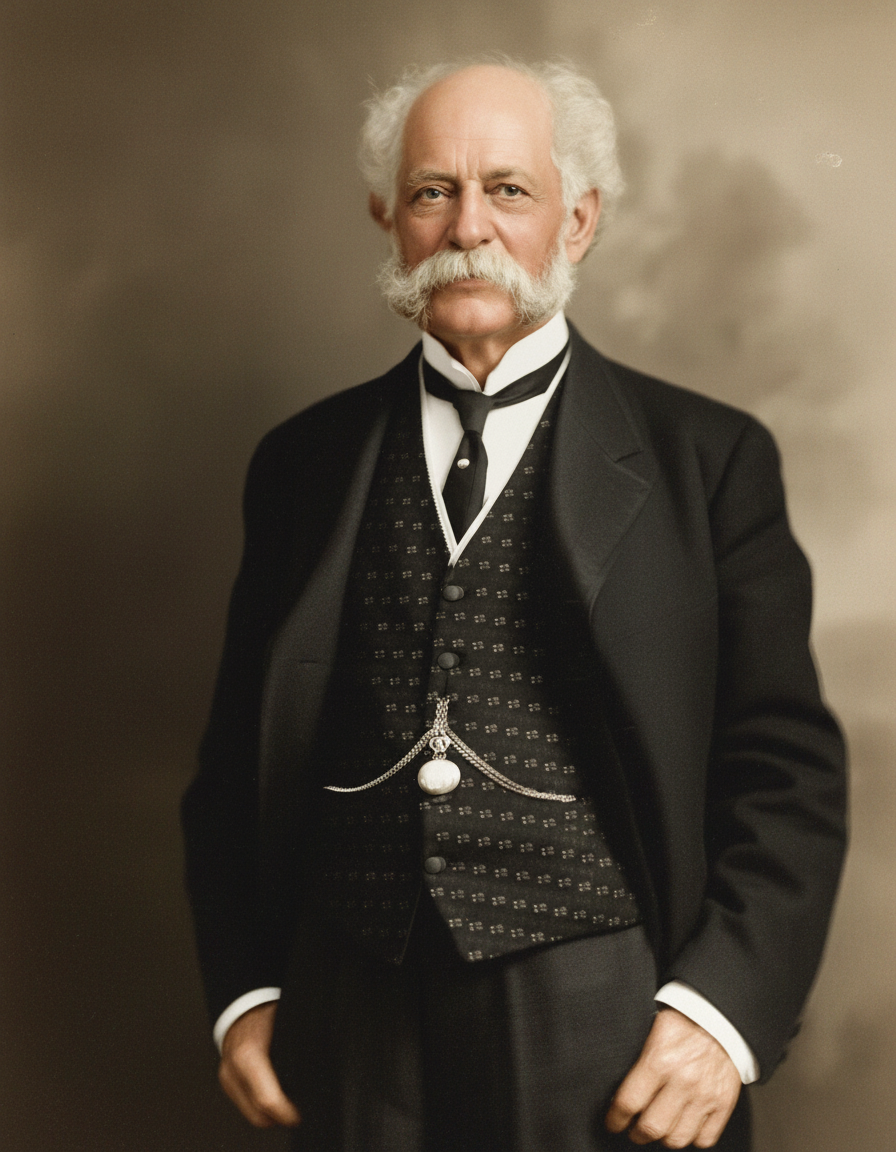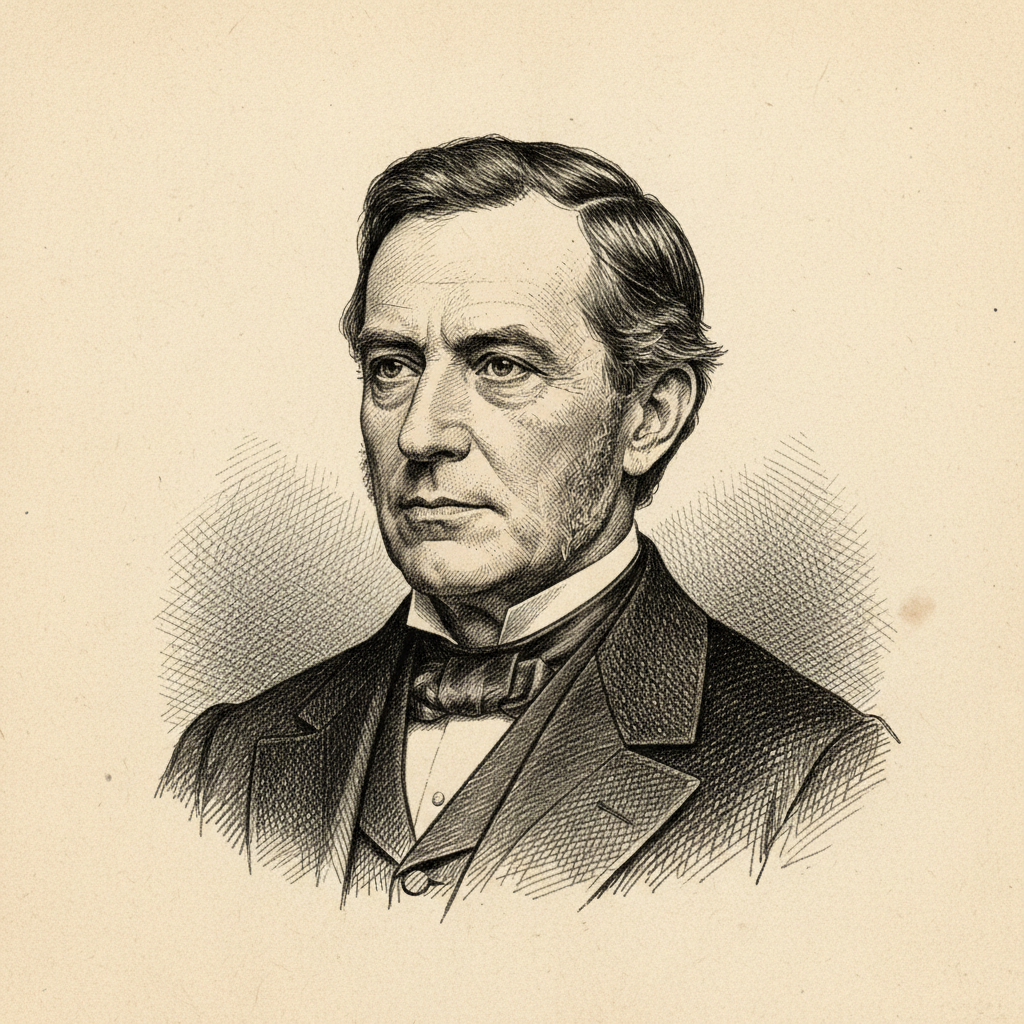
Henry Clay Frick
Henry Clay Frick: The Coking King and Industrial Titans' Architect. Mastering vertical integration and ruthless cost control to forge industrial empires.
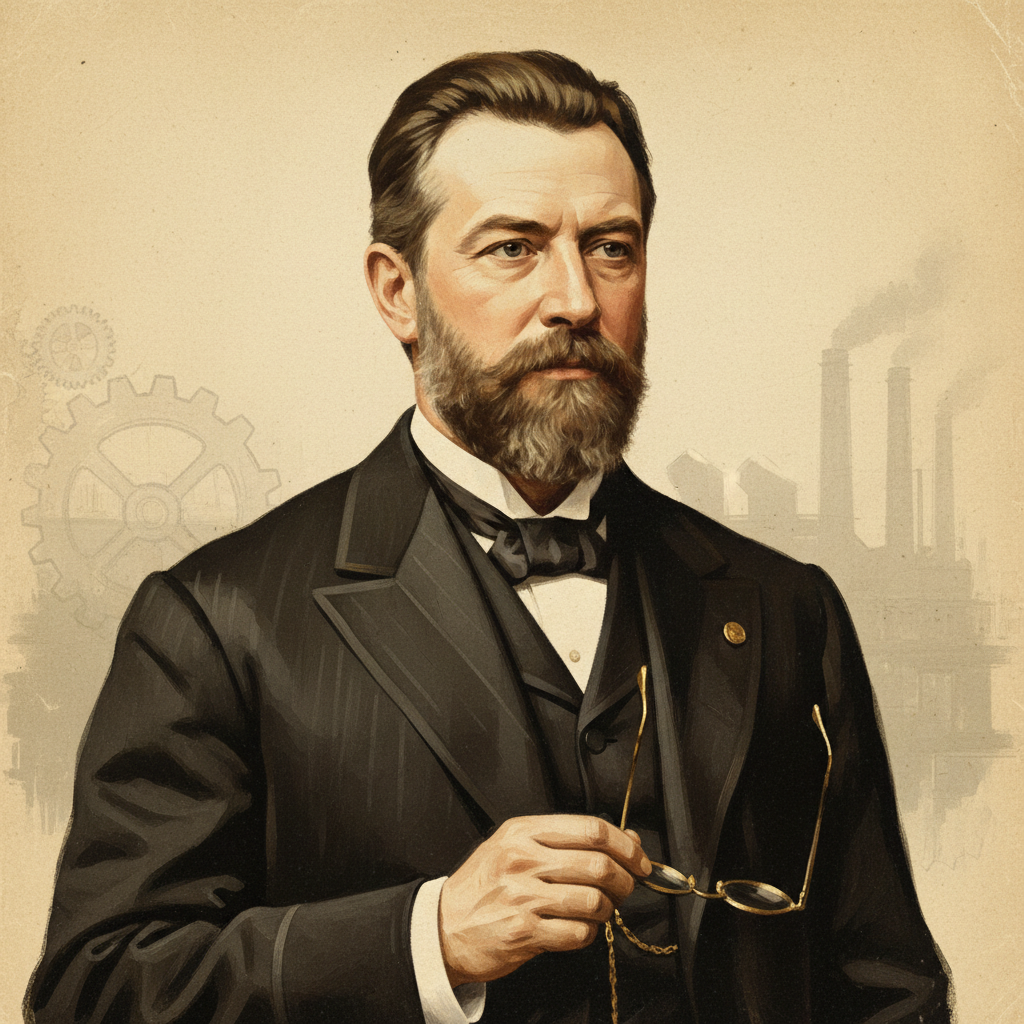
Henry Clay Frick was an American industrialist, financier, and art patron instrumental in the formation of the U.S. Steel Corporation. Beginning his career in the coke industry, he quickly dominated the Connellsville coal fields, becoming a key partner to Andrew Carnegie. Known for his aggressive business tactics and staunch anti-union stance, Frick was a pivotal figure in the Gilded Age's industrial expansion.
Biography
Accomplishments
- 01Founded Frick Coke Company (1871) and became the world's largest coke producer, controlling 80% of the Connellsville field.
- 02Engineered the vertical integration strategy at Carnegie Steel Company, expanding into iron ore, railroads, and shipping, making it the dominant steel producer globally.
- 03Successfully navigated and led Carnegie Steel through the volatile industrial landscape of the late 19th century, achieving unprecedented scale and profitability.
- 04Played a pivotal role in the formation of U.S. Steel Corporation in 1901 by negotiating the sale of his interests, contributing to one of the largest corporate mergers of the era.
- 05Amassed significant wealth and diversified holdings across finance, real estate, and other industries post-Carnegie, becoming a formidable independent capitalist.
- 06Established a lasting philanthropic legacy, donating his extensive art collection and Gilded Age mansion to the public as The Frick Collection.
Lessons for Operators
Key Takeaways
Practical lessons distilled for operators, investors, C-levels, and capital allocators.
Raw Material Dominance
Frick understood that controlling a critical, scarce raw material (Connellsville coal for coke) provided an insurmountable competitive advantage. For modern operators, this translates to owning or securing preferential access to proprietary technology, key intellectual property, or essential supply chain components.
Integrated Value Chains
His advocacy for vertical integration at Carnegie Steel was not just about control, but about optimizing cost, quality, and delivery. Businesses today should analyze their value chains for integration opportunities that yield similar efficiencies and competitive insulation.
Operational Intensity
Frick was notoriously hands-on, driving efficiency and negotiating ruthlessly to minimize costs. This operational intensity is crucial for C-levels: understanding the granular economics of your business allows for strategic pricing and margin protection.
Strategic Alliances and Exits
His partnership with Carnegie, while turbulent, fueled massive growth. Recognizing when to partner, when to consolidate, and when to exit (his sale to J.P. Morgan for U.S. Steel) demonstrates acute financial and strategic timing for fund managers and capital allocators.
Crisis Management & Conviction
Frick faced severe labor unrest (Homestead Strike) and personal attacks, yet he never wavered from his core business objectives. Leaders must project unwavering conviction in their strategy, especially during high-pressure situations, to maintain organizational stability and investor confidence.
Frameworks & Principles
Named frameworks and strategic principles they popularized or embodied.
Vertical Integration Analysis
Assess the strategic benefits and risks of bringing different stages of a supply chain in-house. Consider cost control, quality assurance, supply security, and market power.
When to useWhen evaluating opportunities to acquire suppliers, distributors, or critical raw material assets to gain competitive advantage and economies of scale. Applicable for companies seeking to optimize their supply chain and mitigate external dependencies.
Critical Input Control Strategy
Identify and analyze the most vital and scarce inputs for your industry. Develop strategies to control access, pricing, or supply of these critical components, whether through ownership, long-term contracts, or R&D.
When to useApplicable for industries with high reliance on specific raw materials, patented technologies, or specialized labor. Helps to secure competitive advantage and insulate against supply chain shocks.
Cost Leadership Discipline
An approach focused on becoming the lowest-cost producer in an industry through aggressive efficiency, process optimization, and relentless negotiation, allowing for competitive pricing and sustained profitability.
When to useRelevant for companies in mature or commodity markets, or those targeting price-sensitive customer segments. Requires continuous review of operational expenditures and innovative cost-saving measures.
Recent Appearances
Latest interviews, keynotes, and press from the past half year.
 youtube.com
 youtube.com
 youtube.com
 youtube.com
 m.youtube.com
 youtube.com
 youtube.com
 youtube.com
 youtube.com
 youtube.com
 youtube.com
 youtube.com
 youtube.com
 youtube.com
 youtube.com
 youtube.com
 youtube.com
 youtube.com
 youtube.com
 youtube.com
 youtube.com
 youtube.com
 youtube.com
 m.youtube.com
 youtube.com
 m.youtube.com
Sources & Further Reading
Profiles, interviews, podcasts, and articles used to compile and verify this entry. Each link opens at the original publisher.
Explore Related Titans
Other figures in the archive who share Henry Clay Frick's domain, geography, or era.
More in Technology









From United States



Contemporaries — 19th century