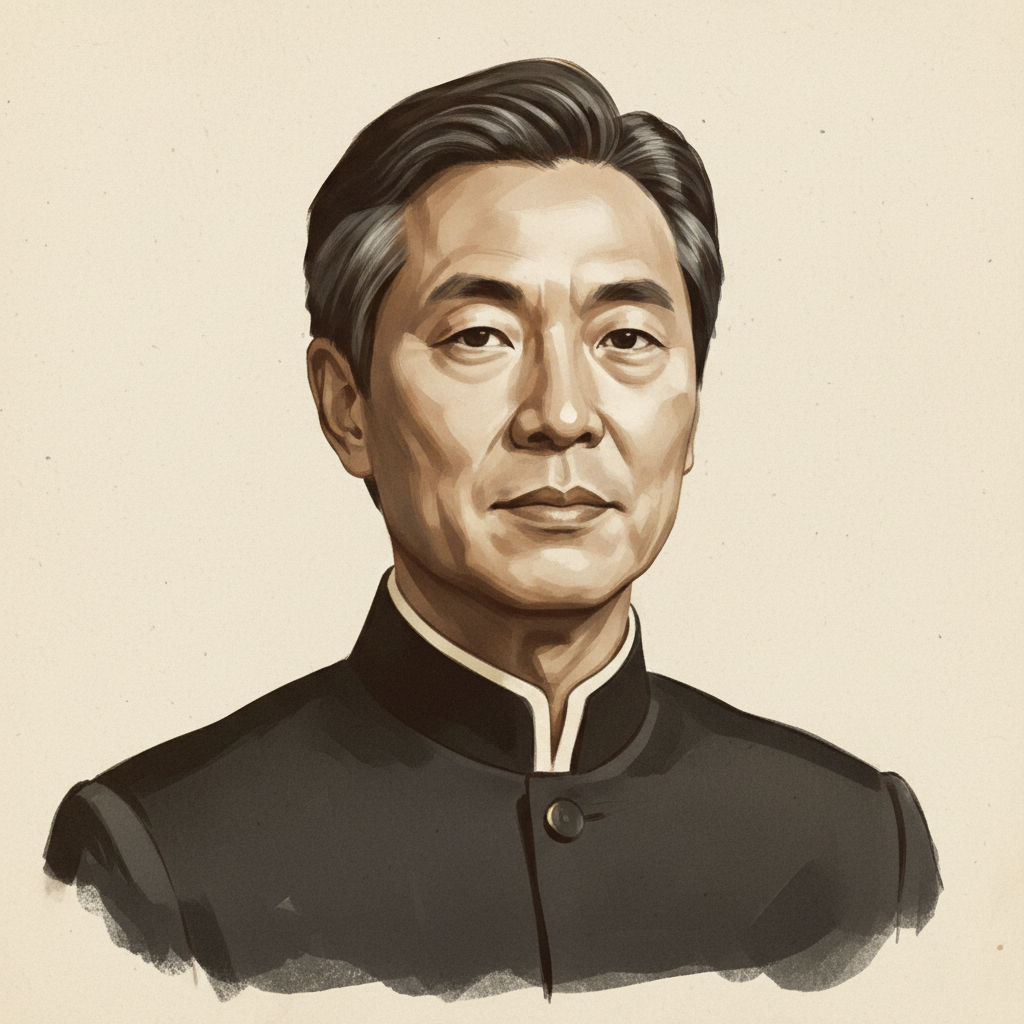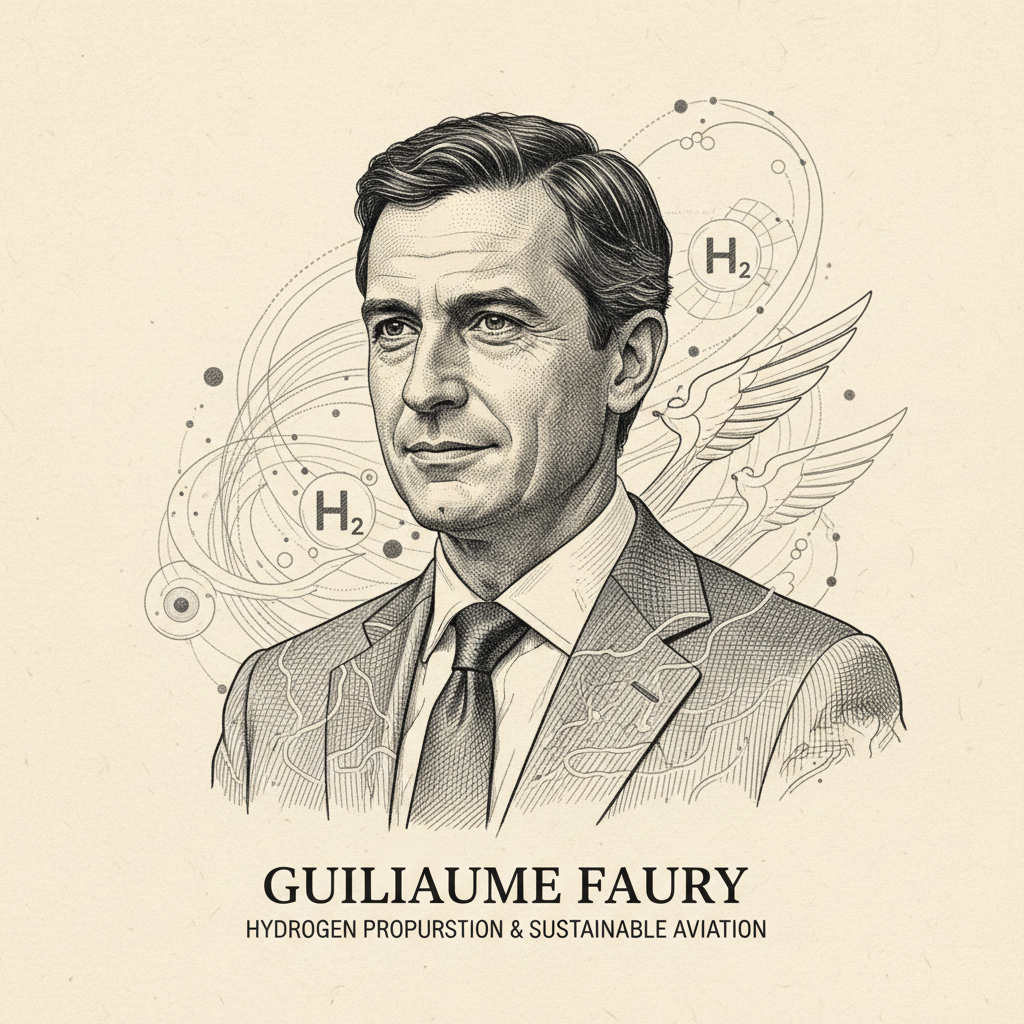
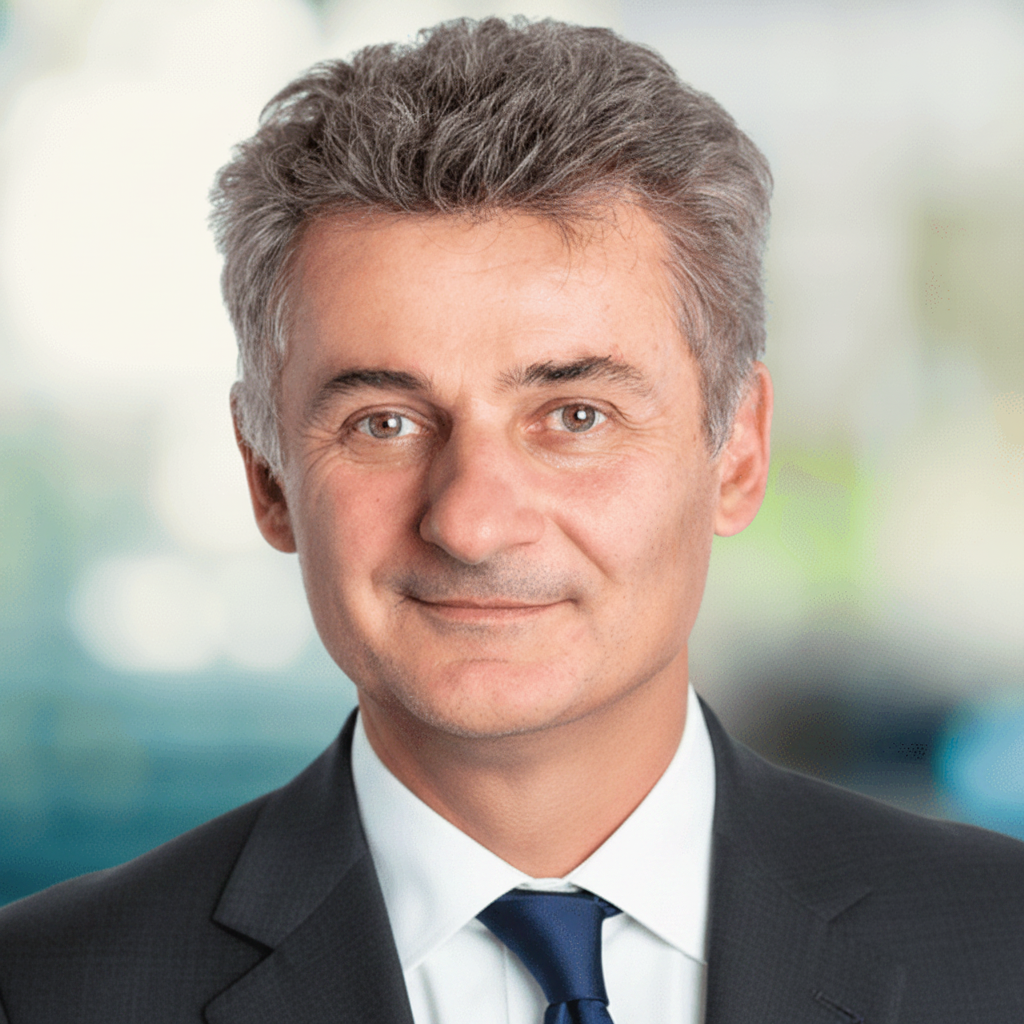
Guillaume Faury
Guillaume Faury: Architect of Airbus's Resilient Future Amidst Geopolitical Shifts and Transformative Technologies.
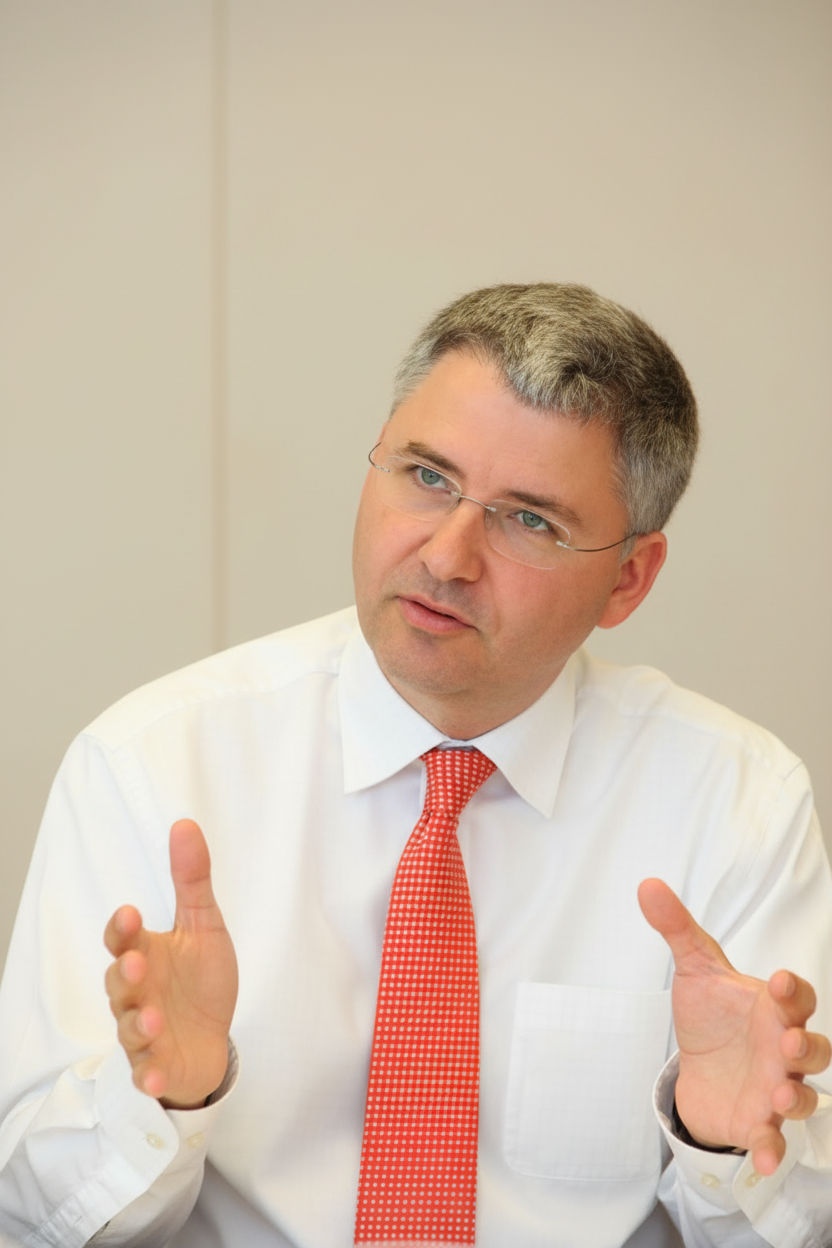
Guillaume Faury is a French engineer and business executive, currently serving as the Chief Executive Officer of Airbus SE since April 2019. Previously, he led Airbus Commercial Aircraft and held leadership roles within Airbus Helicopters and Peugeot S.A. Faury is credited with steering Airbus through the unprecedented challenges of the COVID-19 pandemic, supply chain disruptions, and accelerating its decarbonization and digitalization efforts. His tenure is marked by a strategic focus on industrial transformation, sustainable aviation, and maintaining market leadership.
Biography
Accomplishments
- 01Successfully navigated Airbus through the unprecedented COVID-19 pandemic crisis (2020-2022), implementing production cuts and cost-saving measures while preserving core capabilities.
- 02Accelerated Airbus's commitment to sustainable aviation, launching the ZEROe concept for hydrogen-powered aircraft by 2035 and investing in SAF (Sustainable Aviation Fuel) development.
- 03Streamlined and reorganized Airbus Helicopters (2013-2018), improving profitability and market share, and overseeing the introduction of the H160 program.
- 04Maintained Airbus's commercial aircraft market leadership, securing major orders from key global airlines such as Air India (2023) and Turkish Airlines (2023-2024), often outpacing competitors.
- 05Initiated significant industrial transformation and digitalization programs across Airbus, aiming to enhance operational efficiency, reduce costs, and improve supply chain resilience.
- 06Cultivated a culture of innovation within Airbus, pushing forward on advanced technologies like urban air mobility (UAM) and connectivity solutions.
- 07Strengthened shareholder confidence, demonstrating robust financial performance and order backlogs despite external market volatility.
- 08Managed complex international relations and supply chain challenges, ensuring continued production and delivery targets amidst geopolitical tensions.
Lessons for Operators
Key Takeaways
Practical lessons distilled for operators, investors, C-levels, and capital allocators.
Decisive Crisis Leadership
Faury's rapid response to the COVID-19 aviation collapse – including production cuts, cost control, and strategic communications – prevented deeper financial distress and positioned Airbus for recovery. This underscores the value of swift, firm action in unpredictable environments.
Visionary Sustainability Investment
Under Faury, Airbus has committed significantly to hydrogen-powered aircraft (ZEROe) and SAF, demonstrating that deep decarbonization is not merely a compliance issue but a core component of future competitive advantage and market capture in aerospace.
Industrial Agility & Digitalization
Recognizing the fragility of global supply chains and the need for efficiency, Faury has championed a profound industrial transformation at Airbus. This involves leveraging digital twins, AI, and advanced manufacturing to build more resilient and responsive production systems.
Strategic Portfolio Management
Faury effectively managed the commercial aircraft portfolio while simultaneously bolstering helicopter divisions and investing in future technologies like Urban Air Mobility (UAM). This diversified approach provides resilience and addresses emerging market needs beyond traditional airline demand.
Global Market Dominance Despite Headwinds
Despite intense competition and market volatility, Faury has maintained and, in some segments, expanded Airbus's market share, notably securing landmark orders from growth markets, which reflects strong customer relationships and product relevance.
Fostering Innovation Culture
Faury has cultivated an internal culture that embraces innovation beyond incremental improvements, encouraging exploration of disruptive technologies and new business models, critical for long-term survival in a rapidly evolving sector.
Balancing Shareholder Value and Long-Term R&D
Even while navigating short-term pressures, Faury ensured continued investment in crucial R&D for future programs, demonstrating a commitment to creating sustainable shareholder value through innovation rather than solely through cost-cutting.
Supplier and Ecosystem Engagement
Maintaining strong relationships with a vast global supplier network and engaging with the broader aviation ecosystem (regulators, fuel providers, airports) has been key to both crisis management and the advancement of sustainable aviation initiatives.
Frameworks & Principles
Named frameworks and strategic principles they popularized or embodied.
Dual Transformation Strategy
This framework involves simultaneously optimizing the existing core business (Transformation A) while creating a new, separate growth engine (Transformation B). For Airbus, Transformation A involved streamlining existing aircraft production and cost structures during the pandemic, while Transformation B encompasses the ZEROe program, UAM, and digital services development.
When to useApplicable for established enterprises in mature or disrupted industries that need to defend their core business while exploring disruptive technologies or new business models. It's particularly useful when incremental innovation is insufficient for future growth.
Scenario Planning & Contingency Management
Involves developing plausible future scenarios (e.g., prolonged pandemic impact, severe supply chain disruptions, rapid hydrogen adoption) and pre-defining strategic responses for each. Faury's team likely employed this to prepare for various recovery speeds and market shifts, allowing for agile adjustments.
When to useEssential for businesses operating in highly volatile or uncertain environments where multiple outcomes are possible. It helps leaders anticipate risks, identify opportunities, and build organizational resilience by pre-thinking responses rather than reacting ad-hoc.
Triple Bottom Line (People, Planet, Profit)
This framework extends traditional financial reporting to include social and environmental performance. Airbus's focus on decarbonization (Planet), employee welfare during crises (People), alongside sustained profitability (Profit), aligns with this holistic approach to corporate success.
When to useUseful for organizations aiming for sustainable growth, attracting ESG-conscious investors, and managing long-term risks. It encourages decision-making that considers societal and environmental impact alongside financial returns, building stakeholder trust.
Ecosystem Strategy
Instead of purely competitive dynamics, an ecosystem strategy recognizes that value creation often occurs through collaboration with a network of partners (suppliers, customers, technology providers, regulators, researchers). Airbus's push for hydrogen aviation requires a vast ecosystem of energy providers, infrastructure developers, and regulatory bodies.
When to useIdeal for industries undergoing fundamental shifts where no single company can unilaterally create a new market or solution. It requires engaging diverse stakeholders to co-create standards, infrastructure, and solutions, sharing risks and rewards.
Recent Appearances
Latest interviews, keynotes, and press from the past half year.
 youtube.com
 youtube.com
 youtube.com
 youtube.com
 youtube.com
 youtube.com
 youtube.com
 youtube.com
 youtube.com
 youtube.com
 youtube.com
 youtube.com
 youtube.com
 youtube.com
 youtube.com
 youtube.com
 youtube.com
 youtube.com
 youtube.com
 youtube.com
 youtube.com
 youtube.com
Sources & Further Reading
Profiles, interviews, podcasts, and articles used to compile and verify this entry. Each link opens at the original publisher.
Explore Related Titans
Other figures in the archive who share Guillaume Faury's domain, geography, or era.
More in Transportation & Logistics





From France





Contemporaries — born 1960s