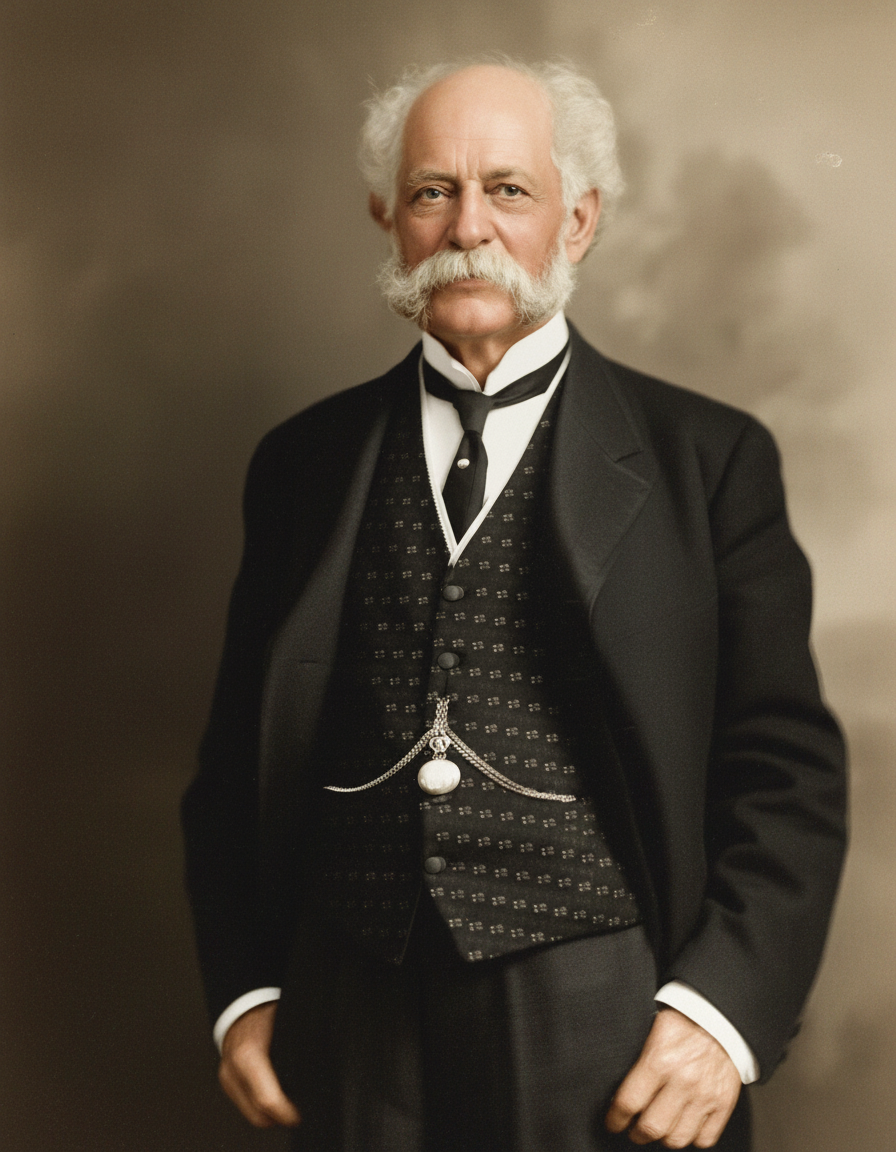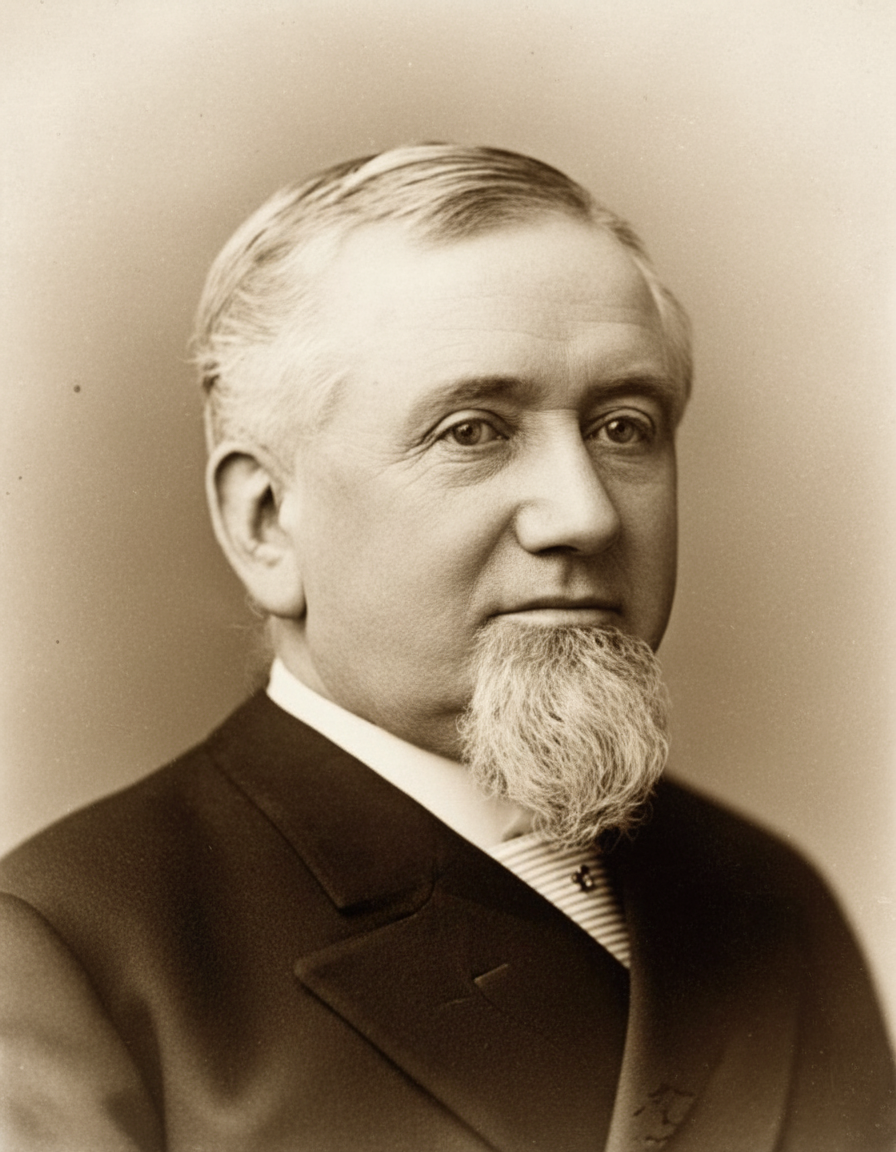
George Pullman
Pioneering the sleeping car and integrated industrial urbanism, George Pullman transformed rail travel and labor relations.
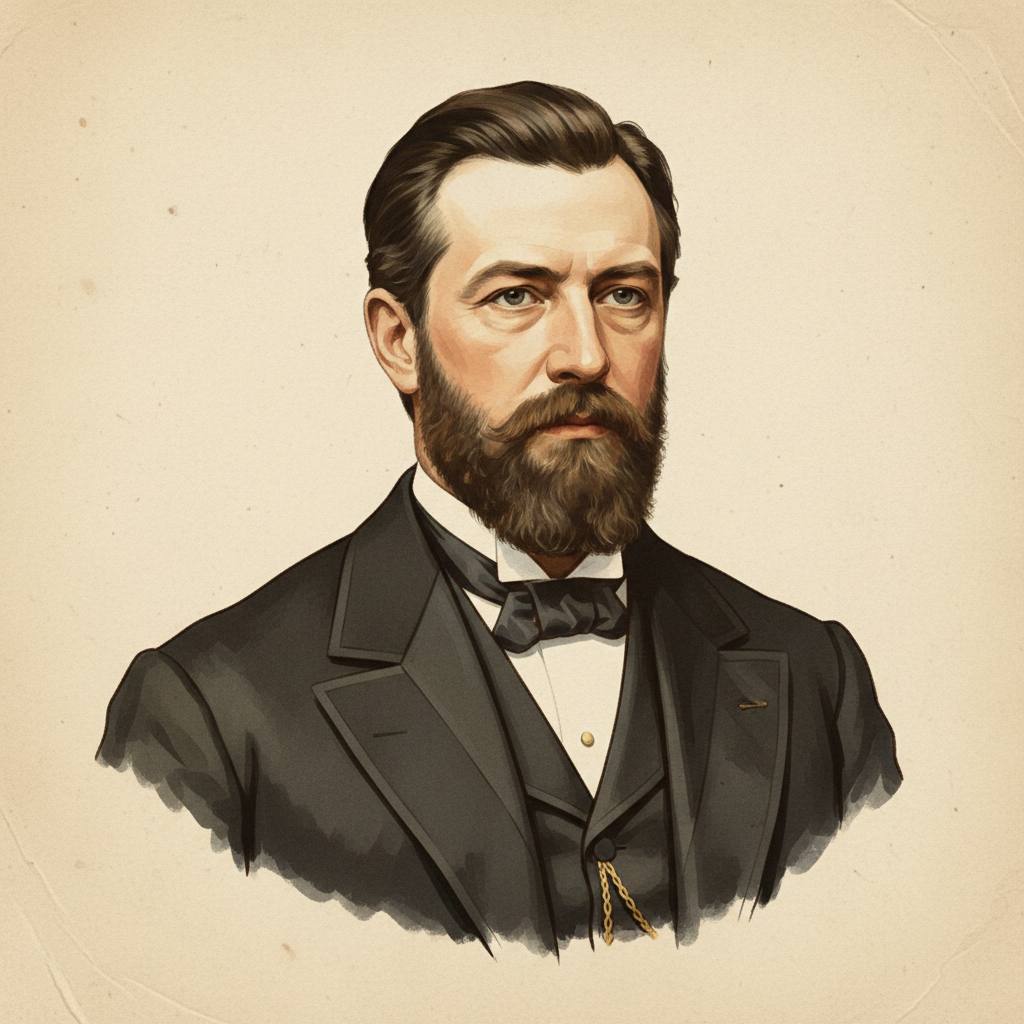
George M. Pullman was an American industrialist and engineer, best known for inventing the Pullman sleeping car and founding the Pullman Palace Car Company. He also created the planned industrial community of Pullman, Illinois, for his employees.
Biography
Accomplishments
- 01Invented and perfected the practical Pullman sleeping car, revolutionizing long-distance rail travel comfort and luxury, first widely adopted with the 'Pioneer' car (1862).
- 02Founded the Pullman Palace Car Company in 1867, building it into a dominant force in railway car manufacturing and operation, achieving a near monopoly on sleeping car services in the U.S.
- 03Pioneered the integrated business model of manufacturing, operating, and servicing railway cars, controlling the entire customer experience and supply chain.
- 04Developed the planned industrial town of Pullman, Illinois (1880-1884), as a model community for his employees, integrating housing, services, and production facilities.
- 05Secured the contract for Abraham Lincoln's funeral train in 1865, a pivotal moment that brought national recognition and demand for his superior sleeping cars.
- 06Introduced innovative amenities in railway travel, including dining cars, parlor cars, and superior interior design, significantly elevating the passenger experience.
Lessons for Operators
Key Takeaways
Practical lessons distilled for operators, investors, C-levels, and capital allocators.
Master the End-to-End Experience
Pullman didn't just build cars; he owned the entire passenger experience, from manufacturing to service. This level of control provides unparalleled brand consistency and quality assurance. Executives should identify critical customer touchpoints where end-to-end control or deep integration offers a significant competitive advantage.
Innovation Must Be Responsive, Not Just Visionary
His success was rooted in a keen understanding of market demand for comfort and luxury in rail travel. Vision without market validation is risky. Continuously assess and adapt to customer needs, even as you push boundaries.
Paternalism Carries Imminent Risks in Labor Management
The Pullman Company Town, while innovative, ultimately failed due to its rigid, top-down control and lack of employee voice. This highlights that while providing benefits can be attractive, it must be balanced with fair terms, transparency, and mechanisms for employee engagement to avoid significant labor unrest and reputational damage.
Reputation is a Fragile Asset
Despite groundbreaking innovations, Pullman's enduring legacy is often overshadowed by the 1894 strike. Corporate actions, particularly concerning labor and community, have lasting impacts on brand and public perception. Proactive stakeholder management and ethical decision-making are paramount.
Strategic Investment in Infrastructure Pays Divisions (Until It Doesn't)
The company town and extensive manufacturing facilities represented significant capital investment, creating a robust operational base. However, rigid investment structures, when paired with inflexible labor policies during economic downturns, can become liabilities. Balance long-term strategic investments with operational flexibility.
Frameworks & Principles
Named frameworks and strategic principles they popularized or embodied.
Vertical Integration Strategy
George Pullman implemented a near-complete vertical integration strategy by not only manufacturing the sleeping cars but also operating them, employing the staff (porters, conductors), and maintaining the fleet. This ensured complete control over quality and the customer experience.
When to useApplicable when a company seeks to achieve greater control over its supply chain, reduce costs, ensure quality, or create a unique, end-to-end customer experience. Best suited for industries where critical components or service elements significantly impact brand perception or operational efficiency.
Service-Oriented Product Development
Pullman's innovation wasn't just in engineering a better car; it was in developing a holistic service that transformed rail travel into a luxurious experience. This involved thoughtful interior design, comfortable amenities, and professional service staff, all integrated around the core product.
When to useUseful when developing products that are intrinsically linked to a service component. Focus on enhancing the entire customer journey and service ecosystem, rather than just the physical product, to create superior value and differentiation.
Industrial Paternalism (with caveats)
The town of Pullman, Illinois, was a prime example of industrial paternalism, where the company provided housing, services, and social infrastructure for its employees. The intent was to foster a stable, productive workforce and harmonious community.
When to useHistorically relevant for understanding early industrial labor management. Modern application requires extreme caution, focusing on ethical employee benefits and welfare programs with robust consultation and equity, avoiding the control and exploitation pitfalls that led to the Pullman Strike.
Sources & Further Reading
Profiles, interviews, podcasts, and articles used to compile and verify this entry. Each link opens at the original publisher.
Explore Related Titans
Other figures in the archive who share George Pullman's domain, geography, or era.
More in Technology








From United States

Contemporaries — 19th century