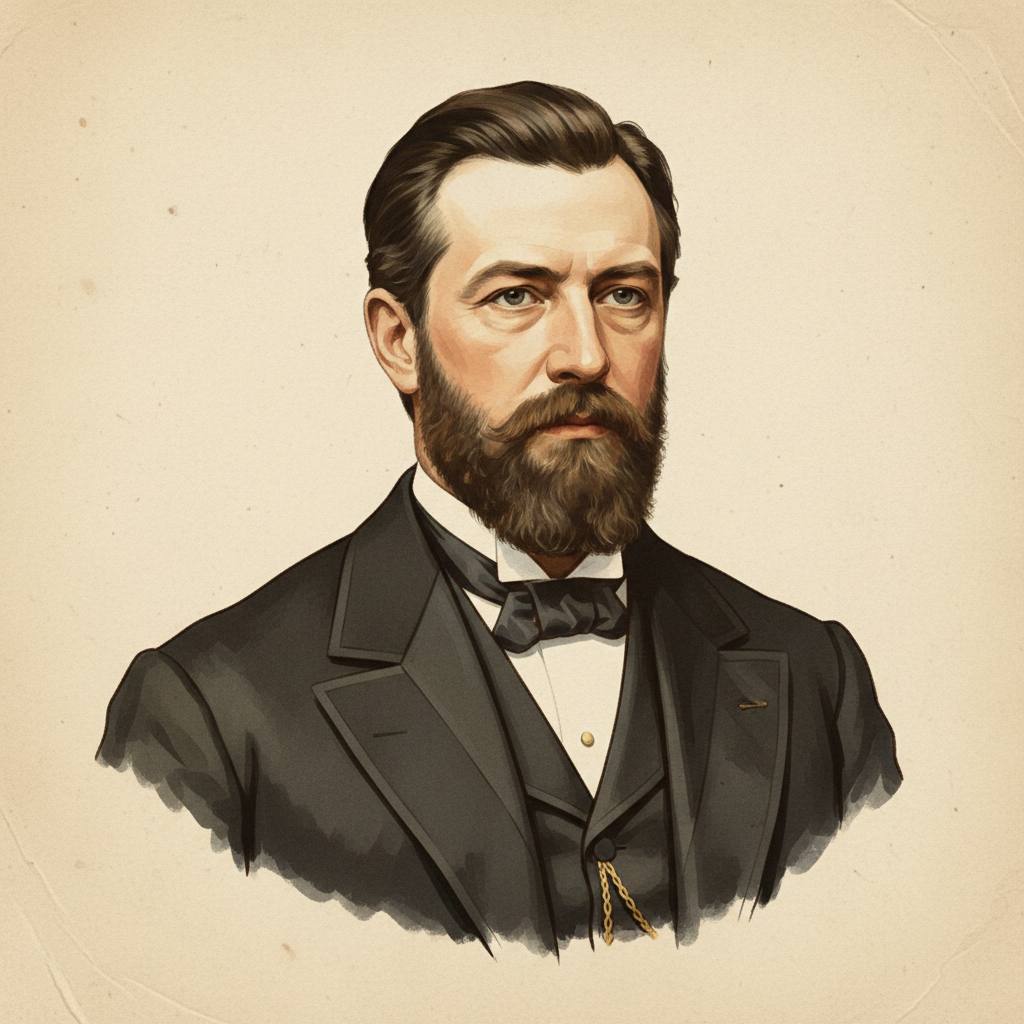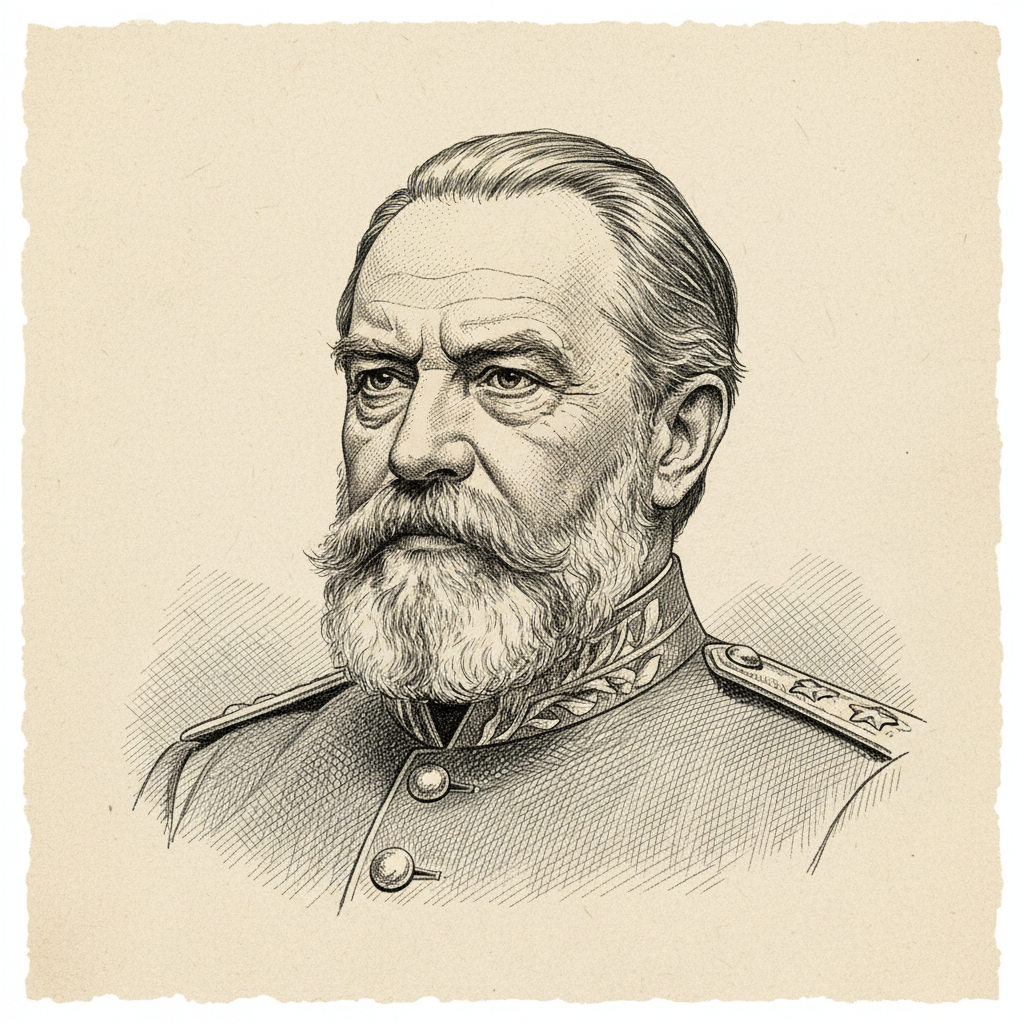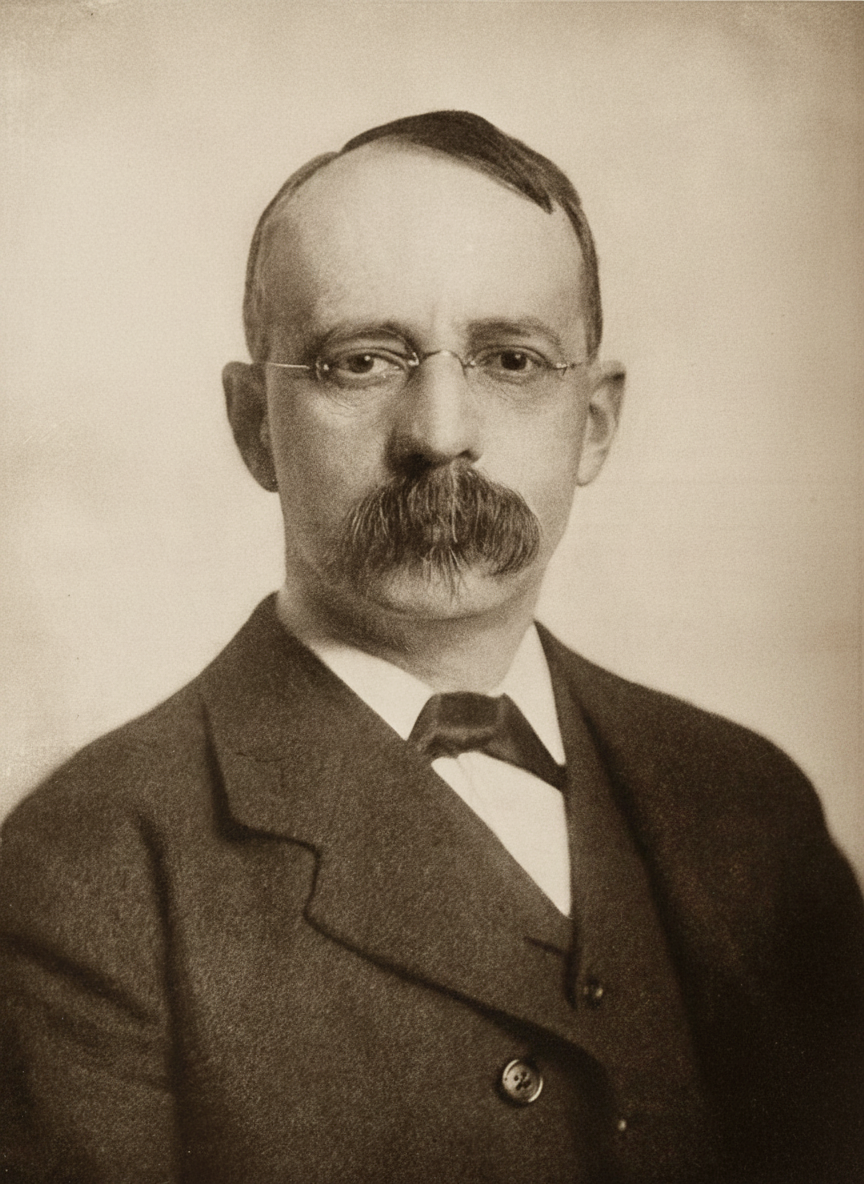
Edward H. Harriman
The railroad baron who rebuilt and controlled the dominant rail network in the American West.
Edward H. Harriman was an American railway executive who, through astute financial maneuvers and aggressive management, consolidated and revitalized numerous failing railroad lines into cohesive and profitable systems, most notably the Union Pacific and Southern Pacific railroads, becoming one of the most powerful figures in American transportation.
Biography
Accomplishments
- 01Rescued and revitalized the Union Pacific Railroad from bankruptcy in 1897, investing over $30 million in its physical plant, turning it into one of the most efficient and profitable railroads in the U.S.
- 02Acquired control of the Southern Pacific Company (including the Central Pacific) in 1901, consolidating a vast network that dominated transcontinental rail traffic in the American West.
- 03Successfully navigated the 'Northern Pacific Corner' in 1901, demonstrating his financial acumen and challenging the established power of figures like J.P. Morgan and James J. Hill.
- 04Engineered significant operational improvements across his controlled railroads, including double-tracking, grade reductions, curvature improvements, and the introduction of heavier rolling stock, dramatically increasing capacity and reducing costs.
- 05Controlled an estimated 15% of all U.S. railway mileage at the height of his power, establishing a vertically integrated transportation empire that stretched from the Midwest to the Pacific Coast and even into steamship lines.
- 06Pioneered a model of corporate restructuring that combined aggressive financial engineering with fundamental operational rehabilitation, setting a precedent for modern private equity and turnaround management.
- 07Despite his reputation as a 'robber baron,' his efforts undeniably improved the infrastructure and efficiency of American railroads, facilitating economic growth and westward expansion.
Lessons for Operators
Key Takeaways
Practical lessons distilled for operators, investors, C-levels, and capital allocators.
Holistic Turnaround Management
Harriman demonstrated that financial restructuring alone is insufficient. True corporate revival demands concurrent, heavy investment in operational infrastructure, management processes, and technology to create sustainable value.
Strategic Vertical/Horizontal Integration
His acquisitions were not random; they were part of a deliberate strategy to control key transportation corridors and reduce intra-industry competition, maximizing network effects and pricing power.
Ruthless Efficiency Pursuit
Harriman's consistent drive to reduce operating costs per ton-mile through technological upgrades (e.g., heavier rails, powerful locomotives) and process improvements (e.g., gentler grades) was central to his profitability.
The Power of Capital Allocation
His genius lay in allocating significant capital to neglected assets, transforming them into high-performing units, illustrating the potent impact of informed, large-scale capital deployment.
Competitive Aggression
Harriman was not afraid to challenge established power centers (e.g., Hill, Morgan) or engage in hostile takeovers when strategic objectives warranted, demonstrating decisive, often combative, leadership.
Long-Term Vision over Short-Term Gains
While a financier, his strategy for railroads involved multi-year plans for fundamental improvements rather than quick speculative profits, leading to enduring enterprise value.
Frameworks & Principles
Named frameworks and strategic principles they popularized or embodied.
Harriman's Operational Reconstruction Model
A systematic approach to corporate turnaround emphasizing simultaneous financial stabilization and intensive operational reinvestment. It involves substantial capital infusions into core physical assets (e.g., infrastructure, equipment), process optimization, and leadership overhaul.
When to useApplicable for companies in mature industries with dilapidated or underperforming physical assets, or those requiring significant capital investment to modernize and compete effectively. Ideal for private equity turnarounds or deep restructuring efforts where operational transformation is key to value creation.
Strategic Network Consolidation
A strategy focused on acquiring and integrating complementary or competing assets to create a dominant, vertically or horizontally integrated network. The goal is to reduce competition, enhance pricing power, create economies of scale, and improve logistical efficiency.
When to useEffective in industries with high fixed costs, significant geographical reach, or where control over the supply chain or distribution network provides a critical competitive advantage. Useful for companies looking to establish market dominance or achieve scale efficiencies in fragmented markets.
Value-Driven Capital Allocation
A financial discipline where capital deployment decisions are strictly tied to maximizing long-term shareholder value through a balance of reinvestment in core business, strategic acquisitions, and debt management. Harriman's focus on reinvesting profits into infrastructure exemplifies this.
When to useApplicable for any enterprise, but particularly critical for capital-intensive businesses or those undergoing significant change. It informs decisions on R&D, CAPEX, M&A, and dividend policies, ensuring resources are directed to areas with the highest potential return and strategic impact.
Sources & Further Reading
Profiles, interviews, podcasts, and articles used to compile and verify this entry. Each link opens at the original publisher.
Explore Related Titans
Other figures in the archive who share Edward H. Harriman's domain, geography, or era.
More in Technology







From United States
Contemporaries — 19th century