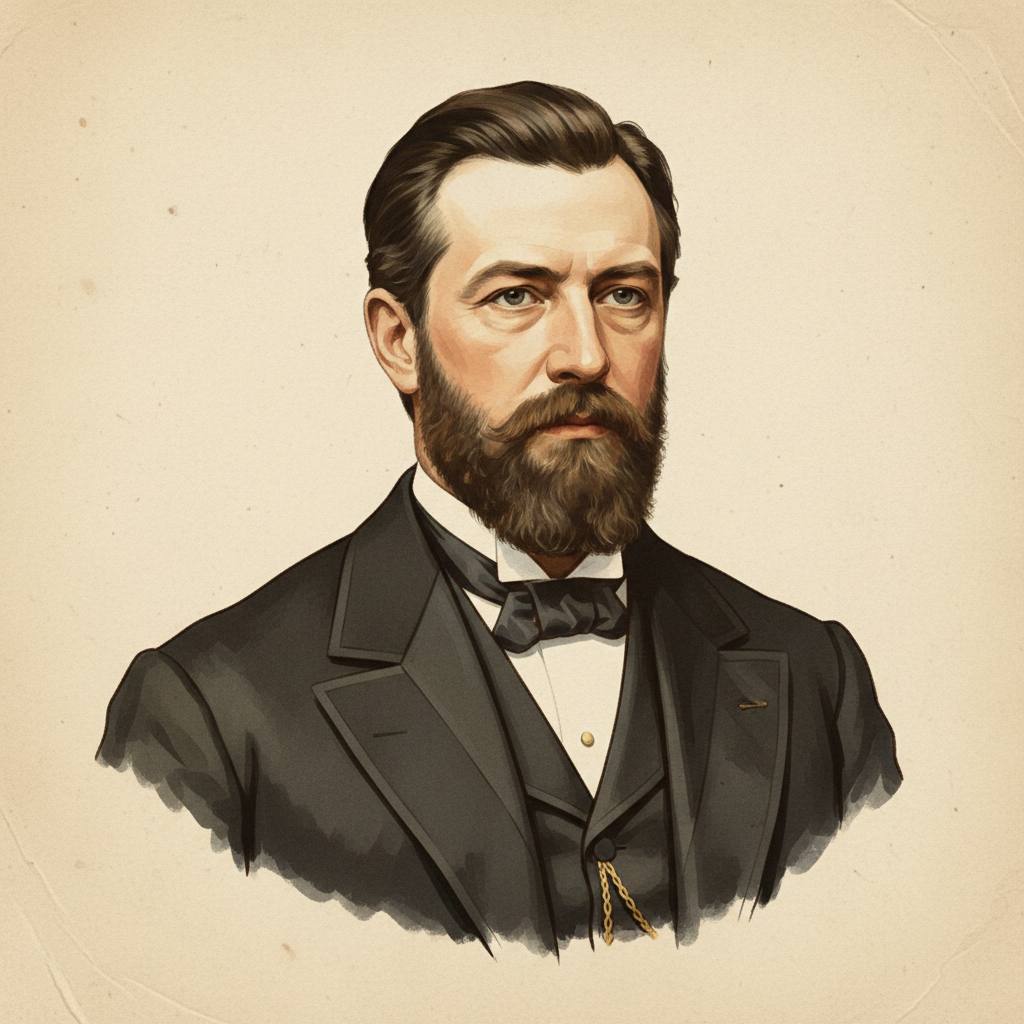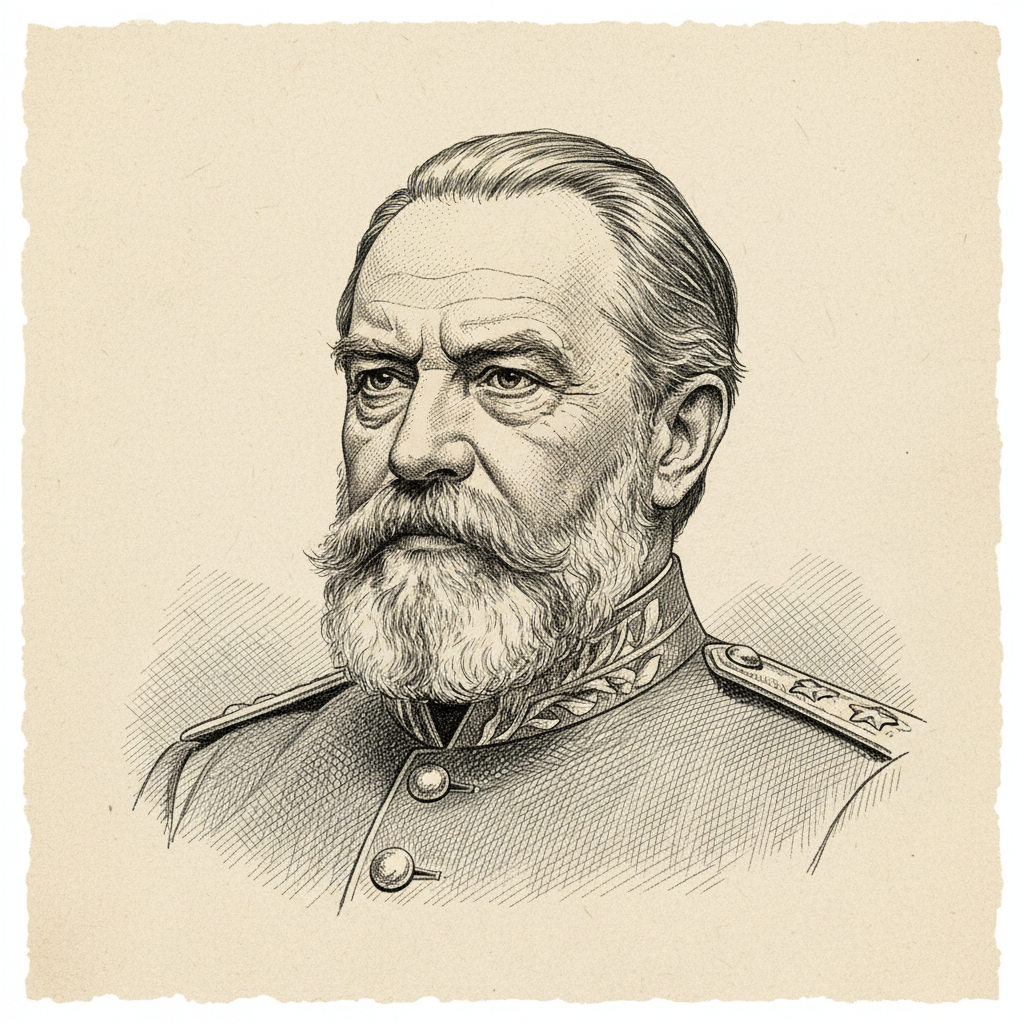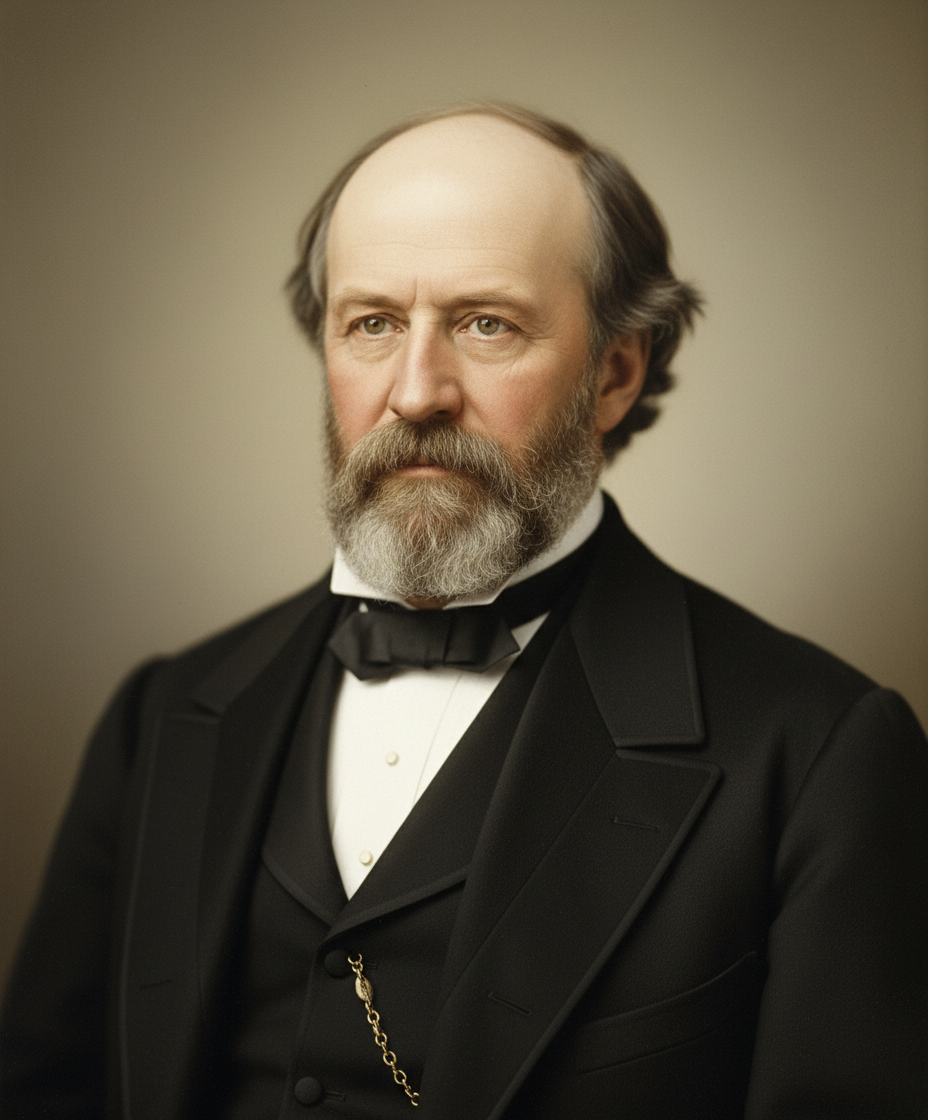
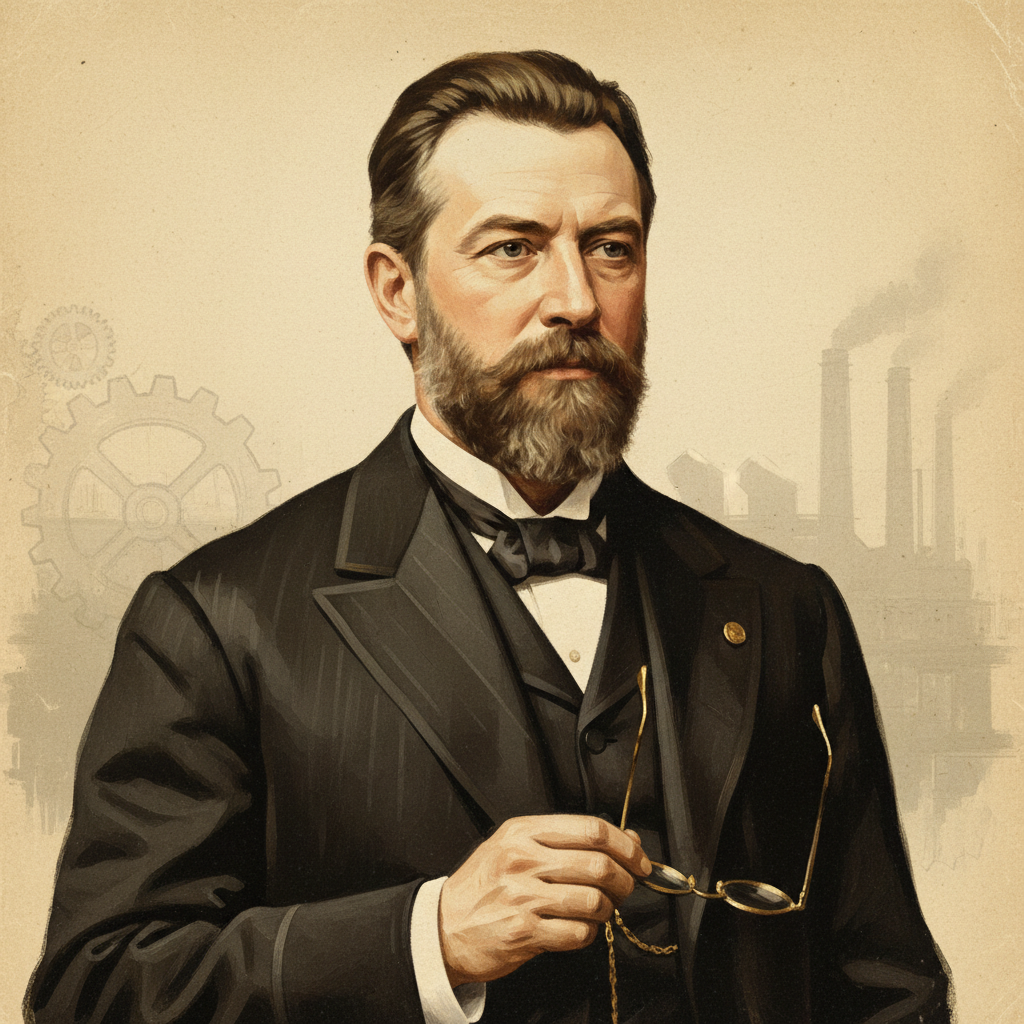
Collis P. Huntington
The Iron Duke: Architect of Transcontinental Rail and a Master of Vertical Integration.
Collis P. Huntington was a foundational figure in American infrastructure, co-founding the Central Pacific Railroad and significantly expanding the Southern Pacific Railroad. He built an empire encompassing rail, shipping, and industrial manufacturing, demonstrating aggressive expansion, shrewd financial dealings, and effective political lobbying.
Biography
Accomplishments
- 01Co-founded the Central Pacific Railroad (1861) and served as its primary financier and political agent, securing federal support for the western leg of the First Transcontinental Railroad.
- 02Orchestrated the construction of the Central Pacific, culminating in the driving of the Golden Spike at Promontory Summit, Utah, in 1869, uniting the East and West.
- 03Expanded the Southern Pacific Railroad into a vast network, establishing dominant rail lines across California, Nevada, Arizona, New Mexico, and Texas, connecting to New Orleans.
- 04Implemented significant vertical integration by acquiring and operating associated businesses, including steamship lines (e.g., Pacific Mail Steamship Company) and industrial facilities (e.g., Sacramento Iron Works), to control the entire supply chain.
- 05Successfully navigated complex political landscapes and engaged in extensive, albeit controversial, lobbying efforts to secure land grants, subsidies, and favorable legislation for his railroad interests.
- 06Formed the Chesapeake and Ohio Railway system, linking Richmond, Virginia, to the Ohio River, and later extended it to Newport News, creating a significant coal-exporting port.
Lessons for Operators
Key Takeaways
Practical lessons distilled for operators, investors, C-levels, and capital allocators.
Integrated Market Dominance
Huntington's success stemmed from his ability to not only build railroads but to integrate them with shipping, mining, and manufacturing. For operators, this means looking beyond core product/service to control key dependencies and expand ecosystem influence. Investors should favor businesses with strong ecosystem control and robust vertical integration.
Political Acumen as a Competitive Edge
His unparalleled ability to lobby and secure government support (land grants, subsidies) was as crucial as his operational skill. Enterprise leaders in regulated industries must prioritize and strategically invest in government relations and public policy engagement. Capital allocators should factor in a company's regulatory risk mitigation and influencing capabilities.
Capital Formation and Risk-Taking
Huntington was adept at structuring complex financial arrangements and taking on immense debt and equity risk to fund monumental projects. This highlights the importance of robust capital formation strategies and a willingness to embrace calculated, large-scale risk for transformative growth, especially in capital-intensive sectors.
Long-Term Vision and Geographic Expansion
His vision extended beyond immediate returns, focusing on connecting vast, underdeveloped regions and creating new markets. Operators should maintain a long-term strategic outlook, identifying future growth corridors and investing proactively. Fund managers should seek companies demonstrating a clear growth roadmap underpinned by long-term market trends.
Ruthless Execution and Competitor Acquisiton
Huntington was known for his relentless pursuit of goals, often through aggressive acquisition of competing lines and strong-arm tactics. While ethical considerations are paramount today, the lesson is in decisive action against competitors to consolidate market power. Enterprise leaders must demonstrate resolve in competitive landscapes.
Frameworks & Principles
Named frameworks and strategic principles they popularized or embodied.
Ecosystem Control & Vertical Integration Strategy
A strategy focused on gaining control over critical elements of your supply chain, distribution, or adjacent services to reduce dependencies, enhance profitability, and build defensible moats. Huntington exemplified this by owning rail lines, steamships, and even manufacturing facilities for rolling stock.
When to useWhen operating in capital-intensive industries with complex supply chains, or when external dependencies pose significant operational risks or cost pressures. Applicable for private equity looking to enhance portfolio company margins or strategizing for market dominance.
Grand Bargain Lobbying
This involves identifying significant public policy intersections with private enterprise and actively shaping legislation or regulation to create mutually beneficial — often highly lucrative for the enterprise — outcomes. Huntington's securing of federal land grants and subsidies is a prime example.
When to useIn heavily regulated sectors (e.g., energy, telecommunications, pharmaceuticals, infrastructure) or when pursuing large-scale projects requiring public-private partnerships or significant governmental approval. Crucial for C-levels and founders in emerging regulated markets.
Asset Accumulation for Network Effects
A strategy focused on acquiring and connecting a critical mass of physical or digital assets to create overwhelming network effects, where the value of the network grows disproportionately with each additional node. Huntington did this with railroad lines, making his system increasingly indispensable.
When to useApplicable for businesses building platforms, logistics networks, or any system where interconnected assets create disproportionate value. Investors should prefer businesses with clear paths to establishing and leveraging dominant network effects.
Sources & Further Reading
Profiles, interviews, podcasts, and articles used to compile and verify this entry. Each link opens at the original publisher.
Explore Related Titans
Other figures in the archive who share Collis P. Huntington's domain, geography, or era.
More in Technology






From United States



Contemporaries — 19th century