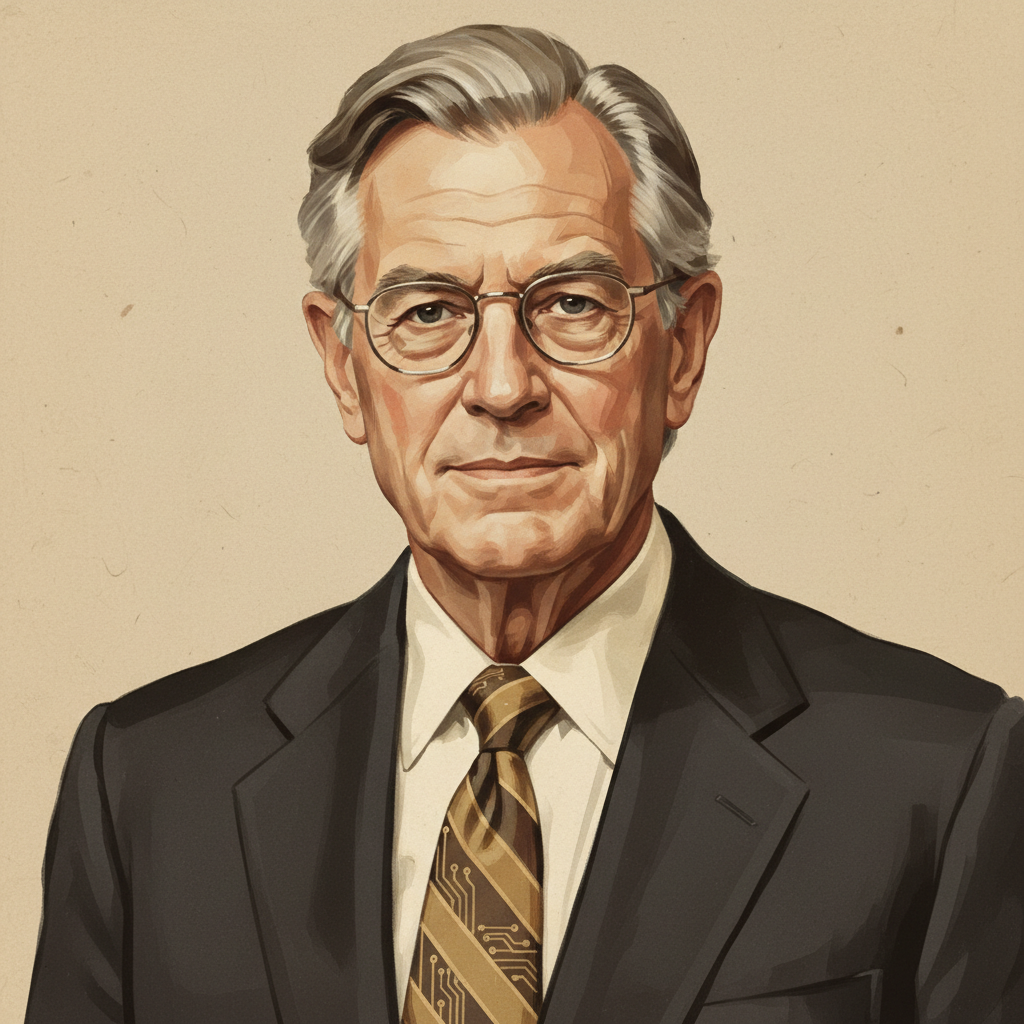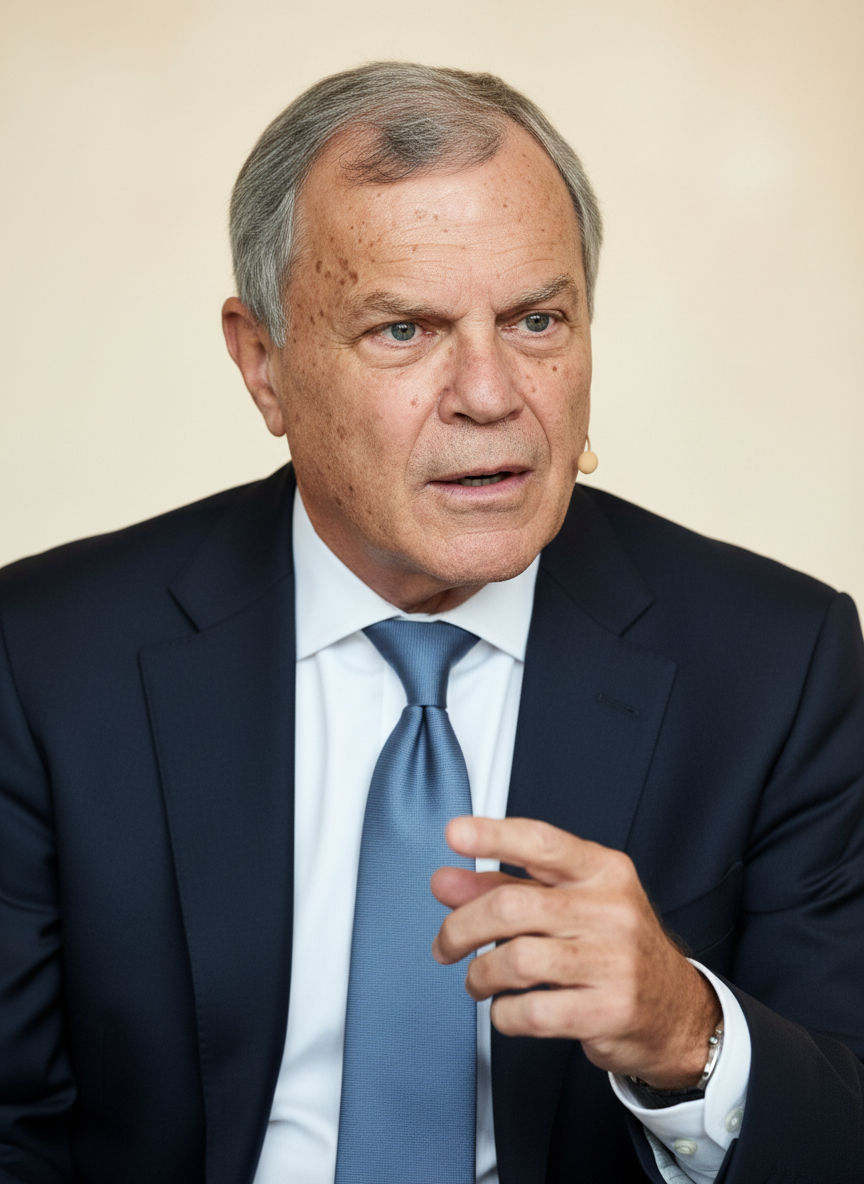
William Swanson
The architect of modern Raytheon, known for integrating diverse businesses into a unified aerospace and defense powerhouse.
William 'Bill' Swanson was the CEO and Chairman of Raytheon Company, a major U.S. defense contractor, from 2003 to 2014. He is credited with transforming Raytheon through strategic acquisitions, divestitures, and a focus on operational excellence, delivering consistent shareholder value during a complex geopolitical landscape.
Biography
Accomplishments
- 01Steered Raytheon through a period of significant growth and market consolidation, increasing annual revenues from approximately $18 billion in 2003 to over $24 billion by 2013, despite fluctuating defense budgets.
- 02Engineered the successful integration of various acquired businesses (e.g., Hughes Aircraft Company's defense operations, Texas Instruments Defense Systems & Electronics) into a cohesive operational structure, enhancing synergy and reducing redundancy.
- 03Championed a culture of operational excellence, leading to improved program execution, enhanced product reliability, and increased customer satisfaction across Raytheon's diverse portfolio of defense systems.
- 04Expanded Raytheon's international presence, growing foreign military sales and establishing strategic partnerships in key global markets, diversifying the company's revenue streams beyond domestic government contracts.
- 05Maintained strong financial performance, delivering consistent earnings per share growth and returning capital to shareholders through dividends and share repurchases, demonstrating effective capital allocation.
- 06Authored and widely distributed 'Swanson's Unwritten Rules of Management,' providing practical, experience-based advice that influenced leadership development internally and externally.
Lessons for Operators
Key Takeaways
Practical lessons distilled for operators, investors, C-levels, and capital allocators.
Strategic Portfolio Optimization
Continuously evaluate and adjust your business portfolio. Shed underperforming or non-strategic assets and acquire capabilities that align with future market demands and core competencies. Example: Raytheon’s divestment of its aircraft unit enabled greater focus on high-margin defense electronics and missile systems.
Deep Operational Acumen
True leadership requires a thorough understanding of your operational mechanics, from program management to supply chain. Swanson's background enabled him to instill a pervasive culture of execution excellence, directly impacting product delivery and financial performance.
Cultivate a 'Builder' Mentality
Beyond quarterly results, invest in the long-term health and innovation pipeline of your company. Swanson allocated resources to R&D for next-generation defense technologies, ensuring future relevance and market leadership.
Leadership Through Principles
Clearly articulate and consistently embody core principles. Swanson's 'Unwritten Rules' offered practical guidance, reinforcing a culture of integrity, accountability, and practical decision-making throughout the organization.
Global Market Diversification
Do not over-rely on a single market or customer. Actively pursue international growth and partnerships to create resilience against domestic economic or political shifts, a strategy Raytheon rigorously executed to balance its U.S. government contracts.
The Power of Clear Communication
Effective leadership requires transparent and frequent communication with all stakeholders – employees, customers, and investors. Swanson was known for his direct and pragmatic communication style which built trust and aligned organizational efforts.
Frameworks & Principles
Named frameworks and strategic principles they popularized or embodied.
Swanson's Unwritten Rules of Management
A set of practical, experience-based managerial tenets focusing on common sense, integrity, accountability, and respectful leadership. Rules include principles like 'Always do your best,' 'Give credit to others,' and 'The person who has the problem is often the one closest to its solution.'
When to useFor leaders at all levels seeking to improve personal effectiveness, team dynamics, ethical decision-making, and fostering a high-performance, values-driven culture. Useful for mentoring, leadership development, and setting organizational behavioral standards.
Strategic Portfolio Review & Rebalancing
A systematic process of evaluating existing business units and product lines against strategic objectives, market trends, and competitive landscape. It involves identifying candidates for growth, maintenance, harvest, or divestiture to optimize resource allocation and enhance overall corporate value.
When to useApplicable for any organization facing market shifts, seeking to optimize capital allocation, or aiming to sharpen strategic focus. Ideal when considering M&A activities, significant R&D investments, or responding to changes in regulatory or funding environments (e.g., defense spending cuts).
Integrated Program Management (IPM)
A systematic approach to project execution, particularly for complex, long-cycle programs common in aerospace and defense. IPM emphasizes robust planning, cross-functional team collaboration, risk management, and continuous monitoring against baseline performance (cost, schedule, technical).
When to useEssential for organizations managing large-scale, intricate projects with multiple stakeholders, tight budgets, and stringent delivery requirements. Critical for defense contractors, infrastructure companies, and R&D-intensive industries to ensure successful program delivery and customer satisfaction.
Explore Related Titans
Other figures in the archive who share William Swanson's domain, geography, or era.
More in Transportation & Logistics







From United States





Contemporaries — born 1940s