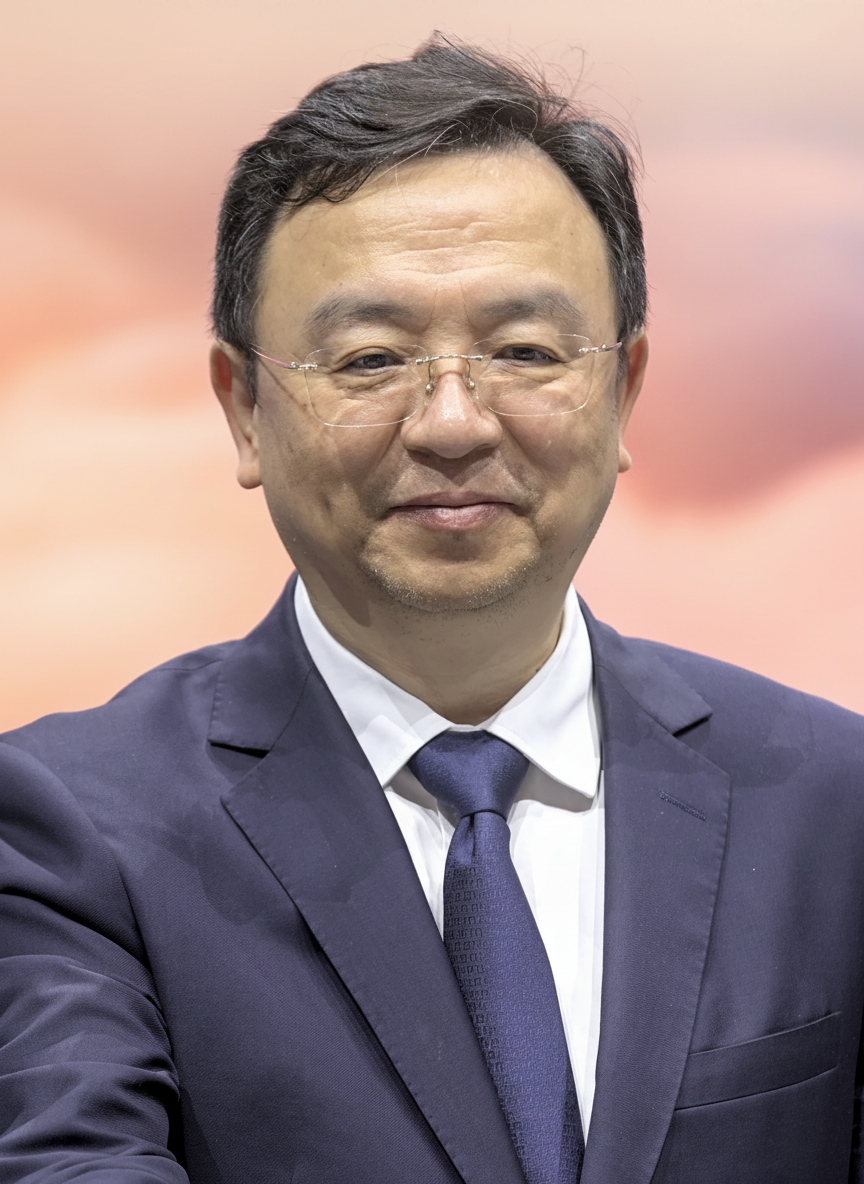
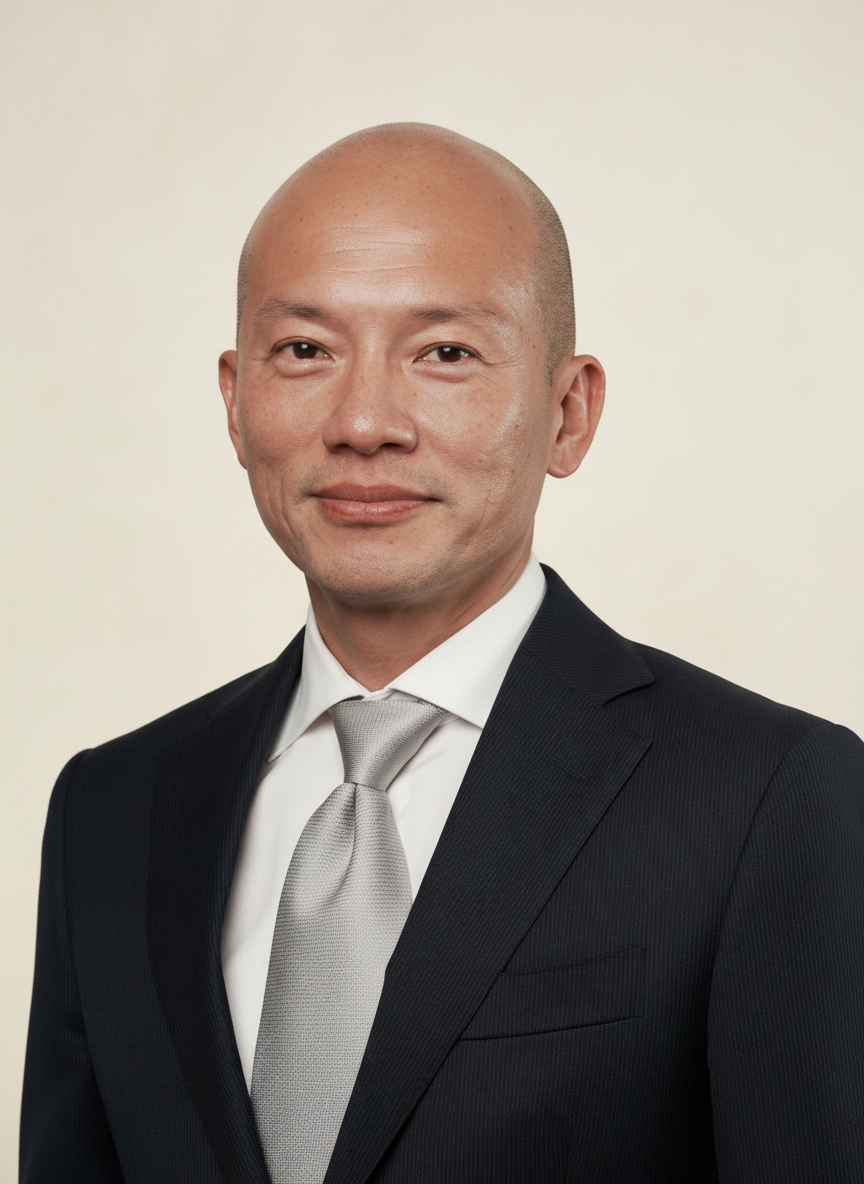
Wang Chuanfu
The visionary founder who transformed BYD from a battery manufacturer into a global electric vehicle and energy storage powerhouse.
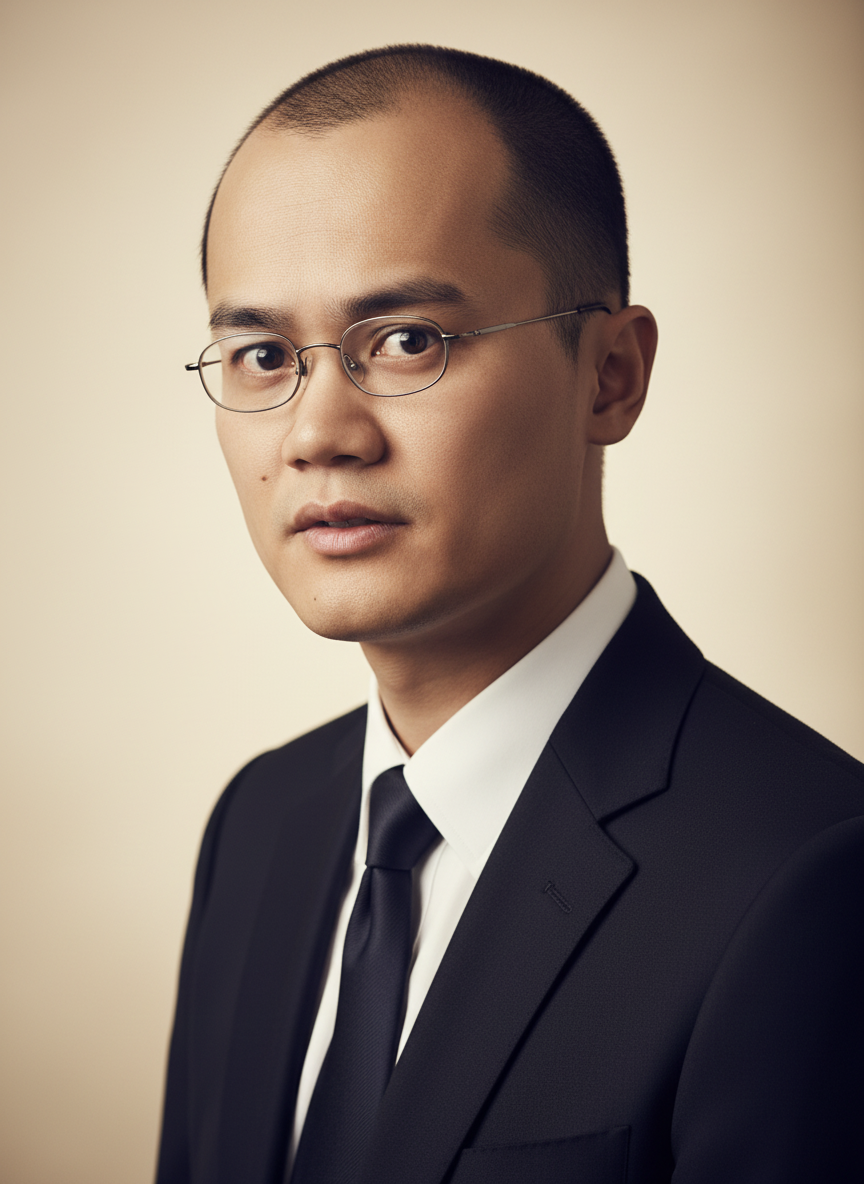
Wang Chuanfu, born in 1966, is a Chinese chemist and entrepreneur. He founded BYD Company Limited in 1995 as a rechargeable battery manufacturer. Under his leadership, BYD diversified into automobiles in 2003, subsequently becoming a global leader in electric vehicles (EVs), battery technology, and renewable energy solutions. His strategic vision has positioned BYD as a direct competitor to established automotive giants and a critical player in the energy transition.
Biography
Accomplishments
- 01Founded BYD Company Limited in 1995, growing it from a battery startup to a Fortune Global 500 company.
- 02Successfully pivoted BYD into the automotive industry in 2003, diversifying beyond batteries into electric vehicles.
- 03Pioneered a vertically integrated business model, controlling key components from battery cells to entire vehicles and charging infrastructure.
- 04Developed and commercialized advanced battery technologies, such as the Blade Battery (2020), enhancing safety and energy density for EVs.
- 05Transformed BYD into a leading global manufacturer of electric vehicles, surpassing traditional automakers in EV sales volume in certain periods (e.g., Q4 2023 EV sales surpassed Tesla).
- 06Expanded BYD's offerings to include electric buses, trucks, forklifts, and urban rail transit systems (e.g., SkyRail), demonstrating a broad commitment to electric mobility.
- 07Secured investment from Warren Buffett's Berkshire Hathaway in 2008, lending significant credibility and capital to BYD's growth strategy.
Lessons for Operators
Key Takeaways
Practical lessons distilled for operators, investors, C-levels, and capital allocators.
Master the Supply Chain
Wang's insistence on vertical integration, producing everything from battery cells to chips, demonstrates that deep control over key inputs can be a formidable competitive advantage. This reduces reliance on external suppliers, cuts costs, and accelerates time-to-market for innovations. Operators should identify critical bottleneck components and evaluate insourcing or strategic partnerships to gain control.
Iterate and Adapt
From initial battery production to internal combustion engine cars, and finally to a global EV leader, BYD constantly adapted its product strategy. This agility, combined with a willingness to pivot and invest heavily in emerging technologies, is critical for sustained market leadership. Enterprise leaders must foster an organizational culture that embraces experimentation and rapid learning.
Patient Capital Deployment
BYD's entry into the auto industry was a long-term play, requiring significant capital and patience for returns. Wang Chuanfu secured early funding, but the success was built on sustained investment over two decades. Investors and capital allocators should recognize that transformative ventures often demand patient capital and a willingness to withstand initial market skepticism.
Ecosystem Thinking
BYD doesn't just sell cars; it sells energy storage solutions, electric buses, trucks, and even urban rail systems. This ecosystem approach addresses multiple facets of the energy transition, creating synergistic growth opportunities. Fund managers and C-levels should look beyond individual products to identify and invest in companies building comprehensive solutions for major market shifts.
Cost Efficiency as a Core Competency
BYD's ability to offer competitive products often stems from its deep-seated culture of manufacturing efficiency and cost control, inherited from its battery days. This allows them to scale rapidly and gain market share. Enterprise leaders should regularly scrutinize operational costs and process efficiencies, recognizing that cost advantage can be as powerful as technological superiority.
Frameworks & Principles
Named frameworks and strategic principles they popularized or embodied.
Vertical Integration Strategy
A business strategy where a company controls multiple stages of its production process, from raw materials to final product distribution. BYD applied this by producing its own batteries, electric motors, and even semiconductors.
When to useWhen critical components of your value chain are volatile in supply, high in cost, or offer a significant opportunity for competitive differentiation through in-house innovation and control. It's especially effective in industries undergoing rapid technological change or supply chain disruptions.
Core Competency Diversification
Leveraging existing strengths and intellectual property (e.g., battery technology) to enter new, related markets (e.g., from consumer electronics batteries to EV batteries, then entire EVs, then electric buses and energy storage systems).
When to useWhen seeking growth opportunities beyond existing markets, by identifying internal capabilities that can be reapplied or adapted to solve problems in adjacent sectors. It reduces risk compared to completely unrelated diversification.
Long-Term Strategic Patience
Committing to a strategic vision for an extended period, understanding that significant market shifts and technological transformations require substantial and sustained investment over many years before yielding substantial returns. This contrasts with short-term, quarterly earnings-driven decision-making.
When to useEssential when entering disruptive markets, developing entirely new technologies, or building large-scale infrastructure. It requires strong conviction from leadership and patient capital investors who understand the extended time horizon for value creation.
Recent Appearances
Latest interviews, keynotes, and press from the past half year.
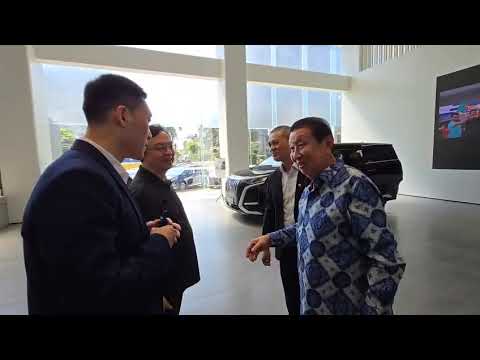 youtube.com
 youtube.com
 youtube.com
 youtube.com
 youtube.com
 youtube.com
 youtube.com
 youtube.com
Sources & Further Reading
Profiles, interviews, podcasts, and articles used to compile and verify this entry. Each link opens at the original publisher.
Explore Related Titans
Other figures in the archive who share Wang Chuanfu's domain, geography, or era.
More in Energy & Resources






From China


Contemporaries — born 1960s