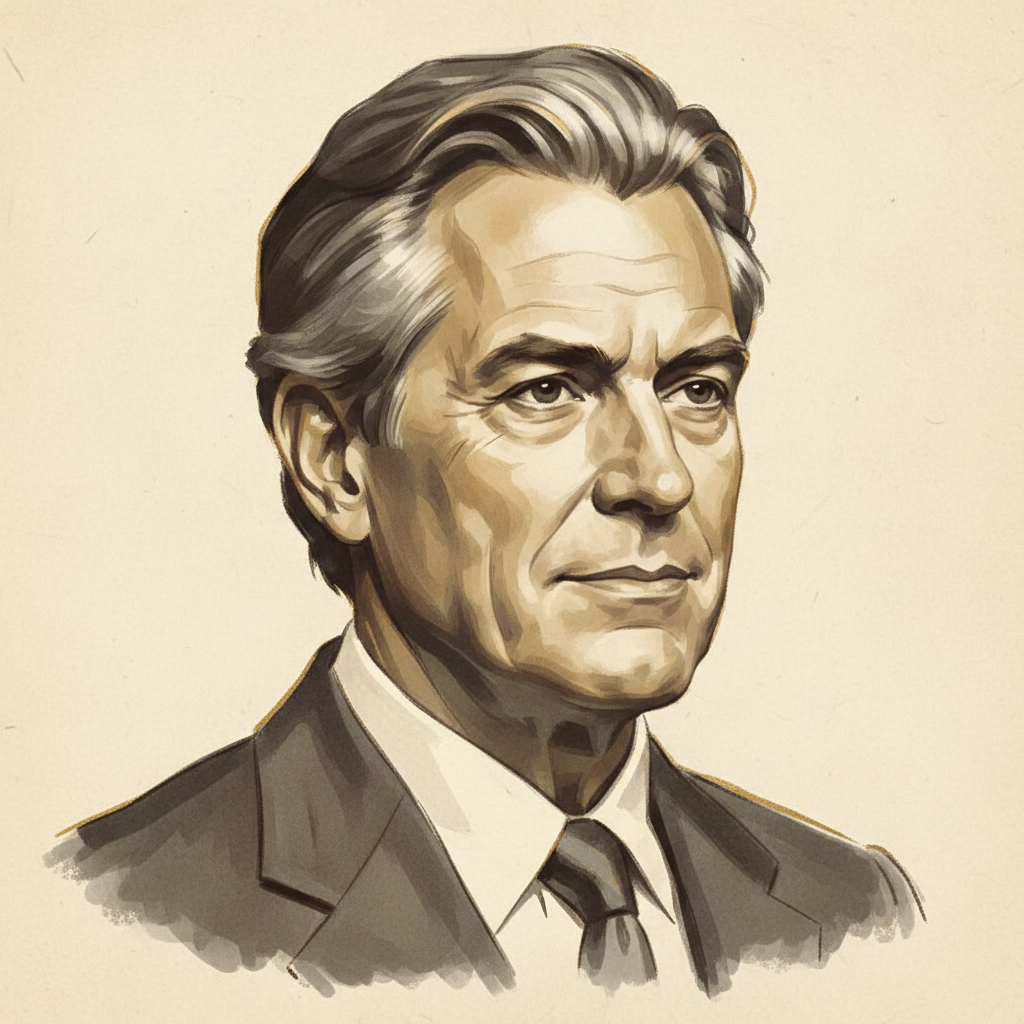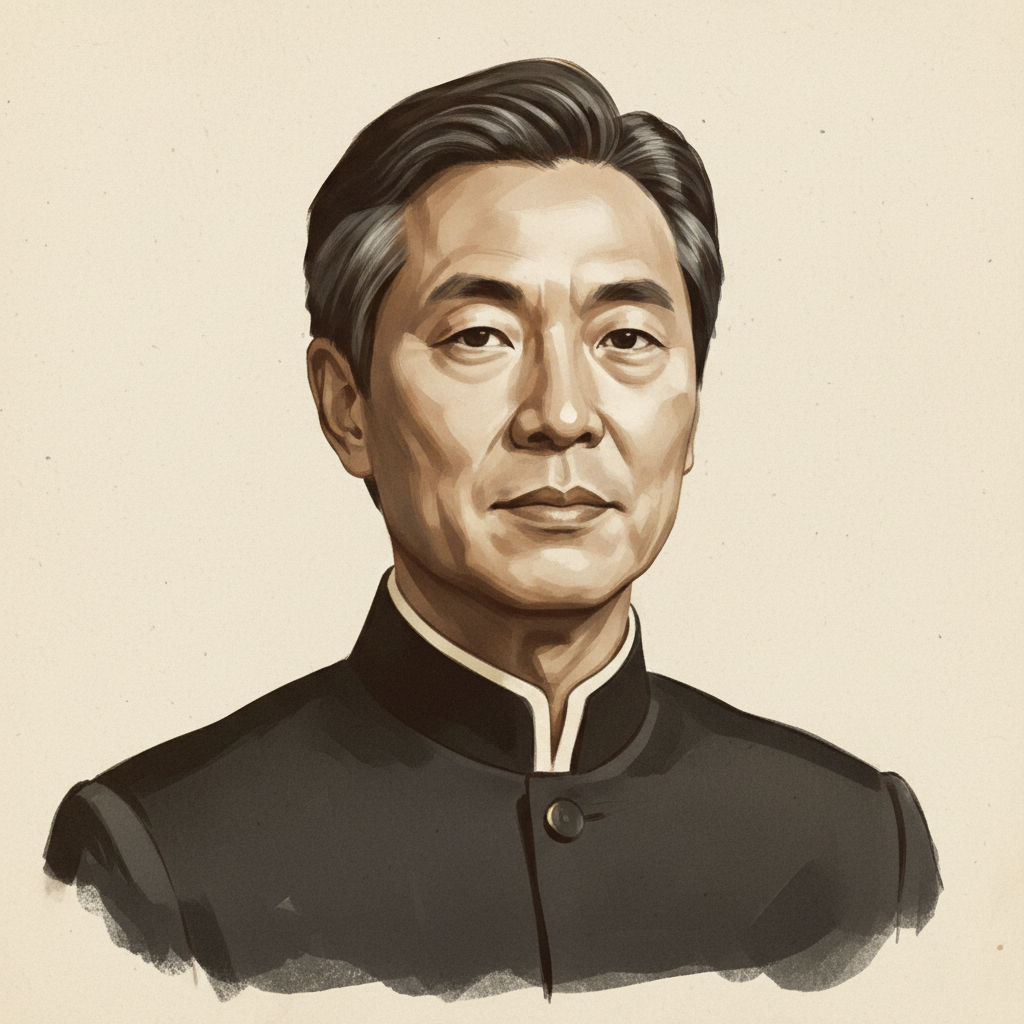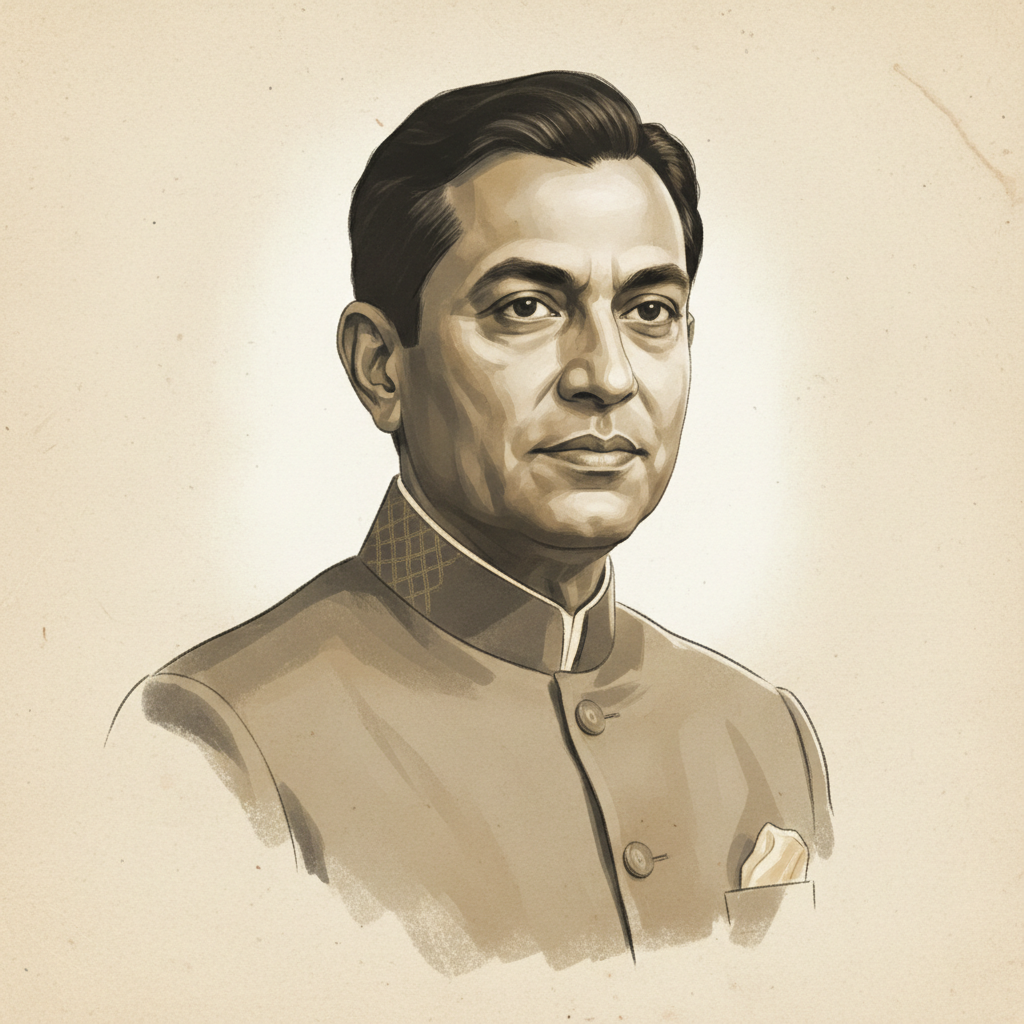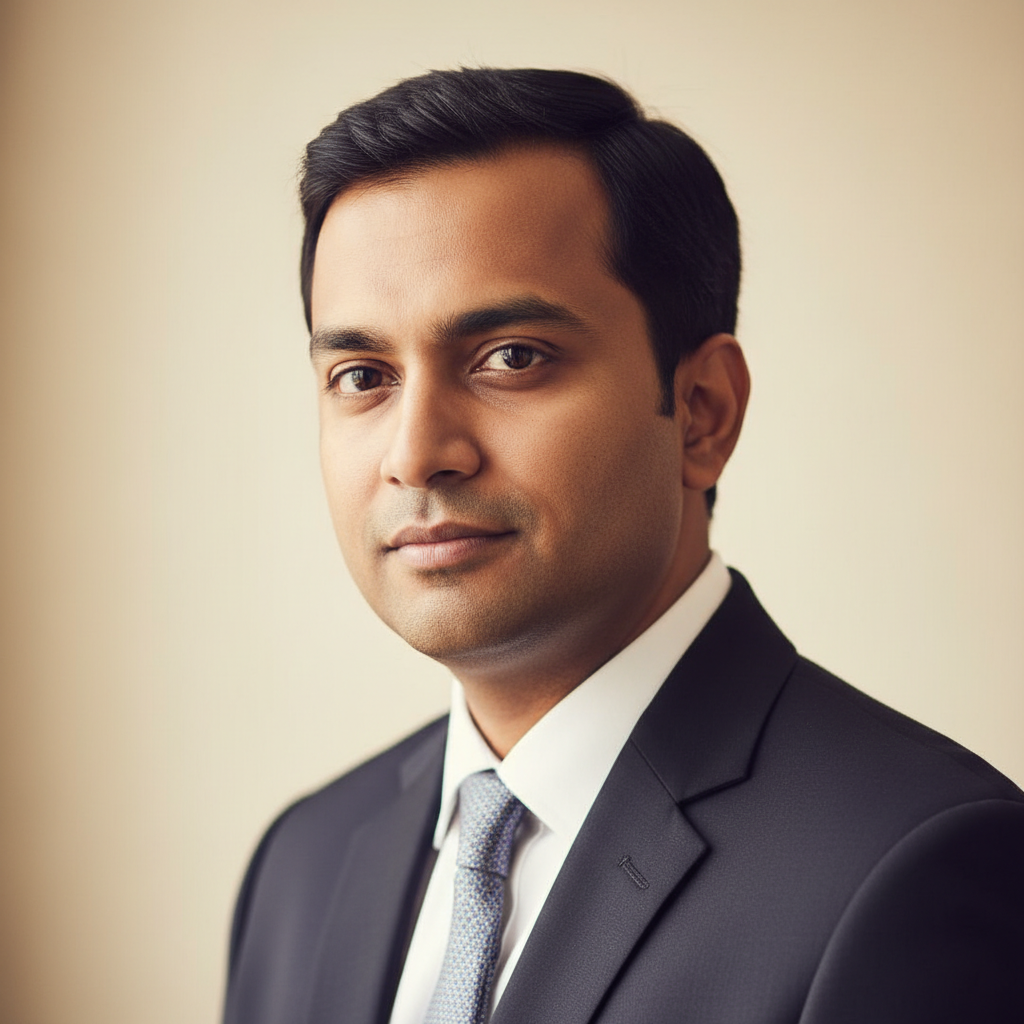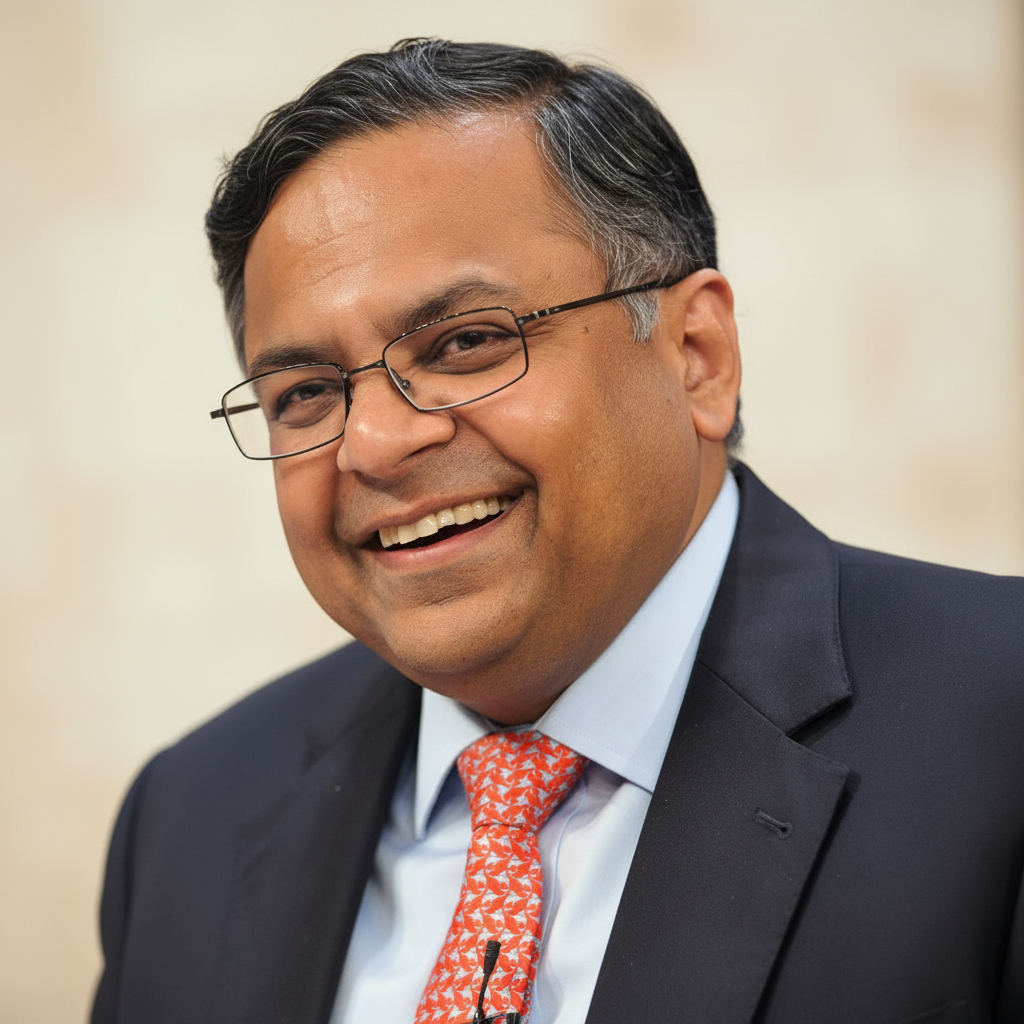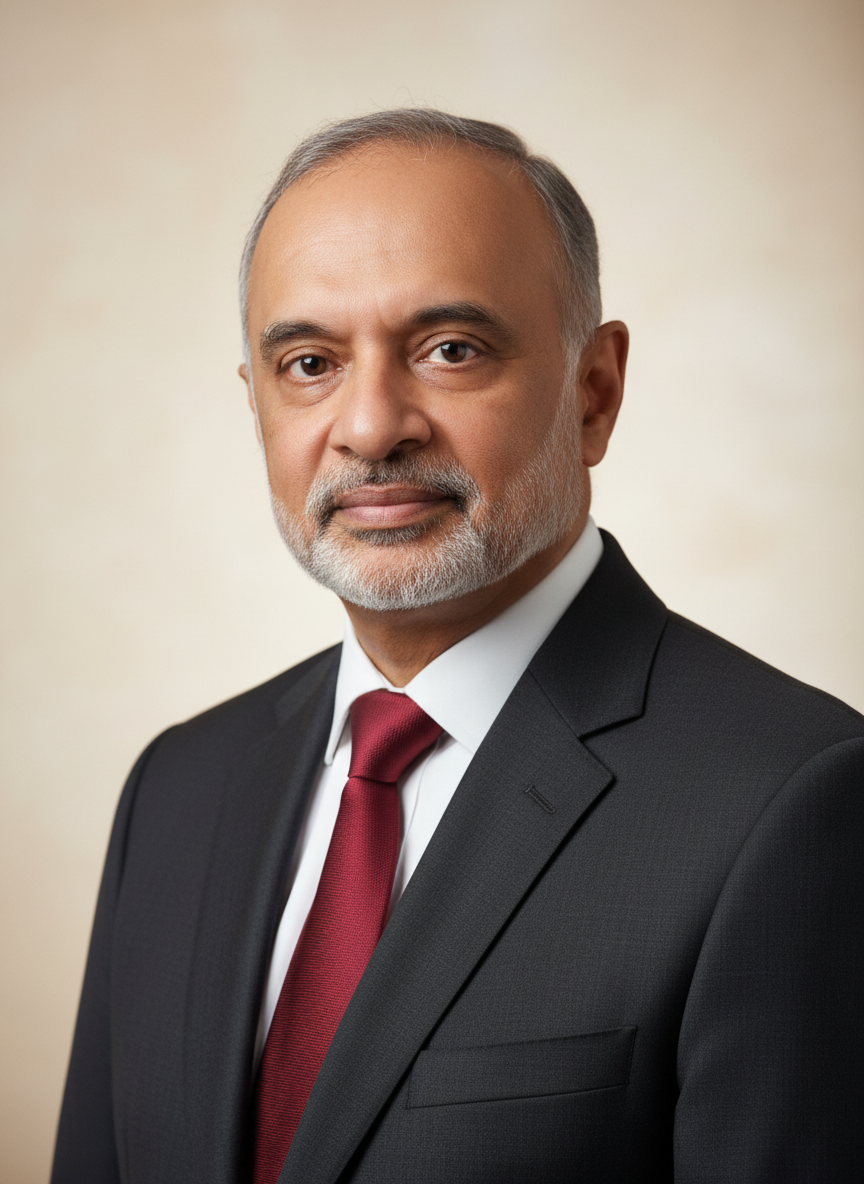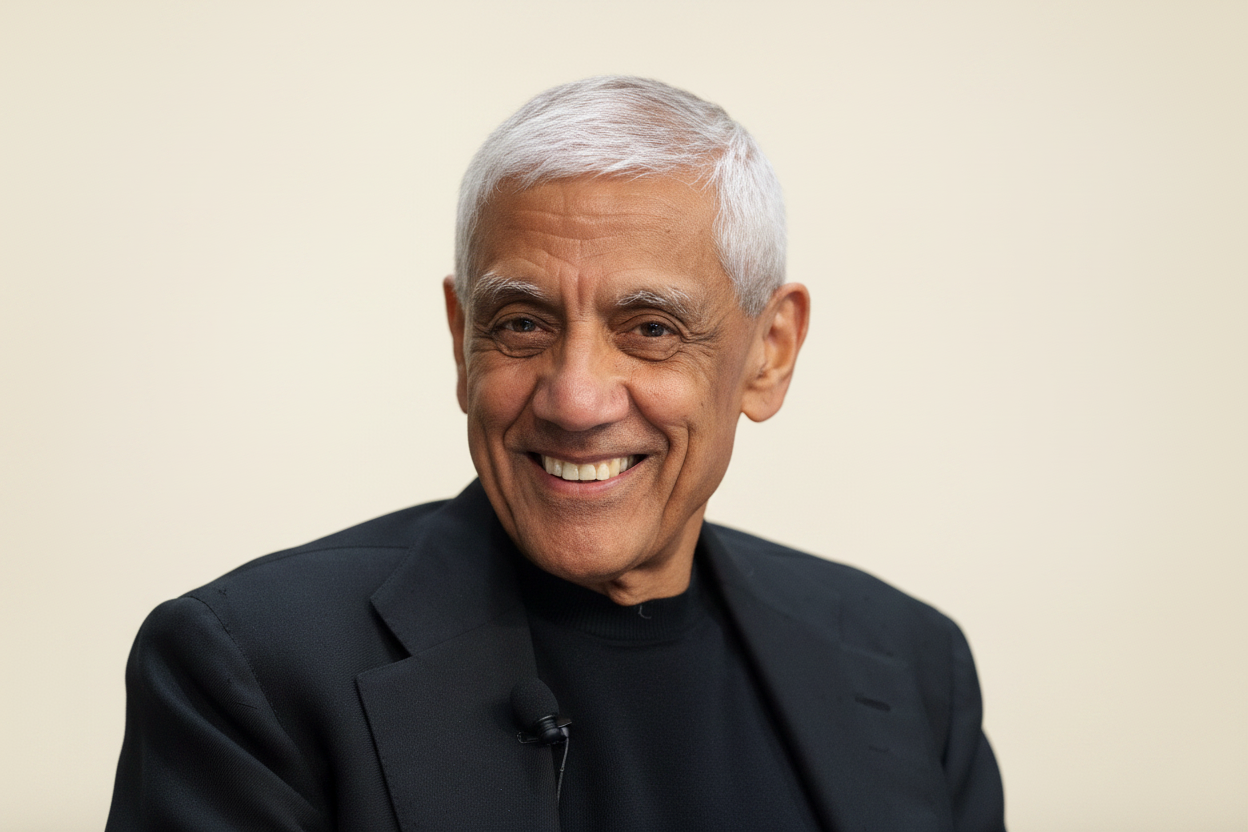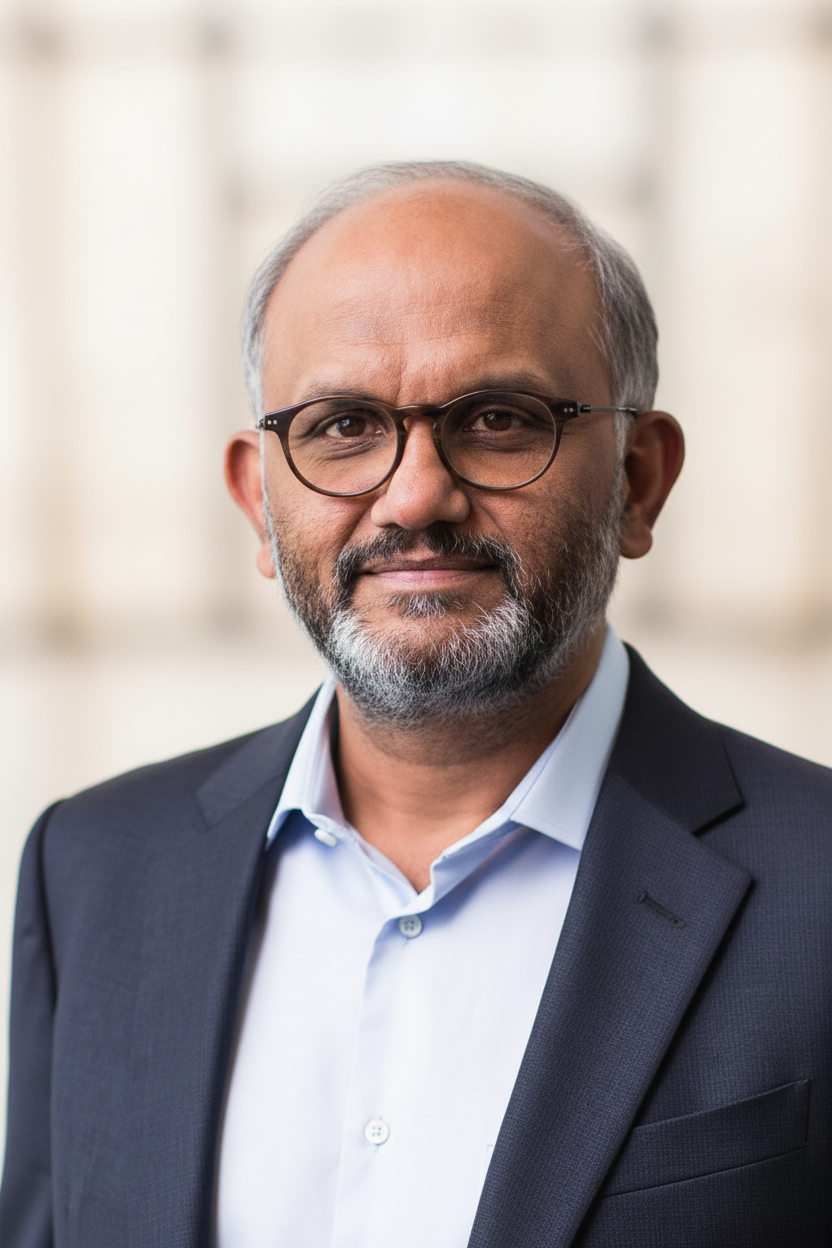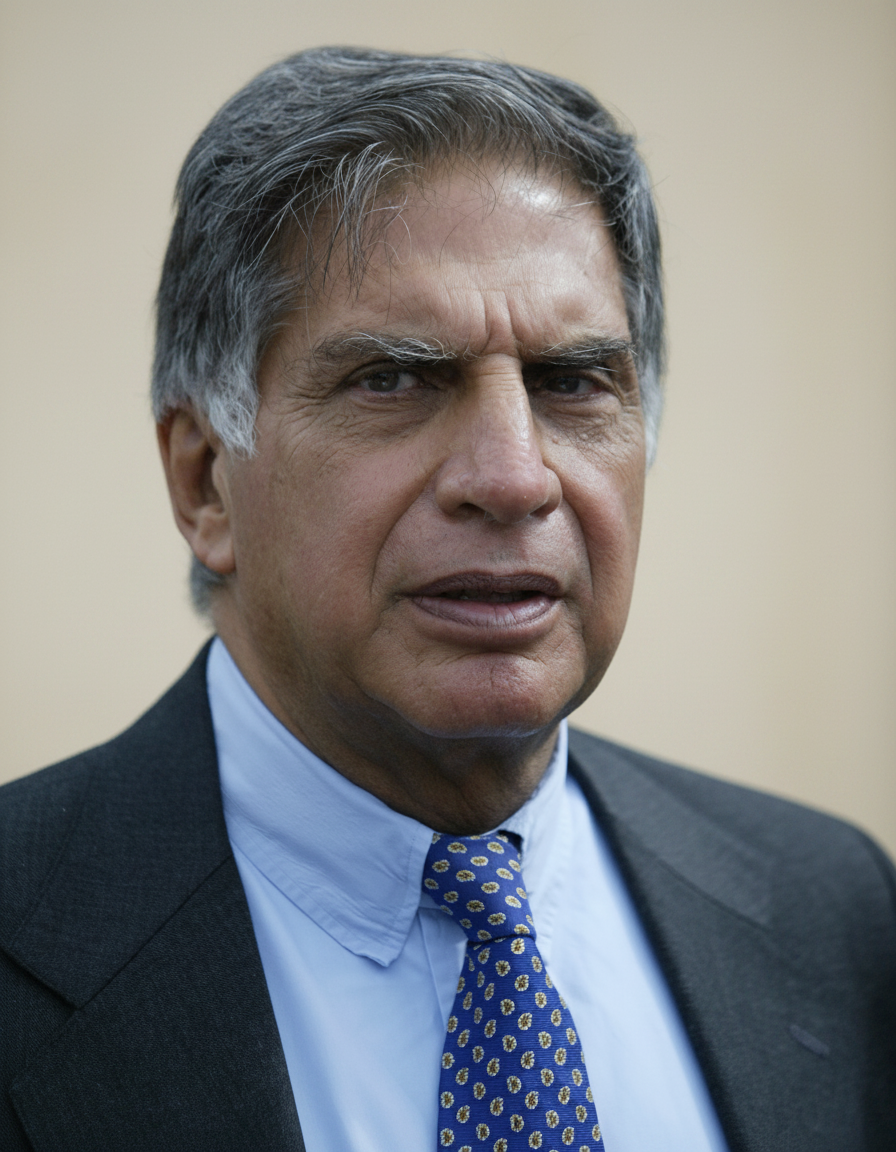
Portrait of Ratan Tata
Modern Architect · 1937 — Present

Ratan Tata

Architect of Tata Group's global transformation and India's industrial diversification.

Country
India
Continent
Asia
Industry
Conglomerate, Automotive, Steel, Hospitality, IT, Telecommunications
Role
Former Chairman, Tata Group

Ratan Naval Tata, a scion of the Tata family, chaired the Tata Group from 1991 to 2012, and briefly as interim chairman in 2016-2017. He orchestrated a period of unprecedented global expansion, transforming the Indian conglomerate into a multinational powerhouse through strategic acquisitions and pioneering new ventures, significantly impacting India's industrial landscape.

Biography

Ratan Naval Tata (born 1937) assumed leadership of the Tata Group in 1991, succeeding J.R.D. Tata. Educated at Cornell University (B.S. Architecture) and Harvard Business School (Advanced Management Program), his early career at Tata Steel and other group companies provided a foundational understanding of operations. His tenure as chairman marked a strategic pivot from a domestically focused entity to a globally competitive enterprise. Key to this transformation were bold acquisitions, including Tetley Tea (2000), Corus Group (2007), and Jaguar Land Rover (2008), which established Tata Group's presence in international markets and diversified its revenue streams. Domestically, Tata championed the development of the Tata Nano, aiming to provide affordable transportation, and steered Tata Consultancy Services (TCS) into a leading global IT services firm. Beyond business, Tata is recognized for his commitment to ethical governance and philanthropic initiatives, upholding the Tata Group's historical values.

Accomplishments

  • 01Led the acquisition of Tetley Tea in 2000 for $430 million, establishing Tata Consumer Products (then Tata Tea) as the world's second-largest tea brand.
  • 02Orchestrated the acquisition of Anglo-Dutch steelmaker Corus Group in 2007 for $12.1 billion, making Tata Steel the world's fifth-largest steel producer.
  • 03Successfully acquired Jaguar Land Rover (JLR) from Ford Motor Company in 2008 for $2.3 billion, turning around the iconic British luxury brands into a highly profitable division.
  • 04Spearheaded the development and launch of the Tata Nano in 2008, an attempt to produce the world's most affordable car, demonstrating disruptive innovation in cost-sensitive markets.
  • 05Oversaw the significant growth of Tata Consultancy Services (TCS), transforming it into a global IT services leader and a major revenue driver for the group.
  • 06Instituted and reinforced a strong culture of corporate governance and ethical leadership across the diverse Tata Group entities, maintaining the group's reputation for integrity.

Lessons for Operators

Embrace calculated risks for strategic growth: Tata's acquisitions of Corus and JLR, though initially met with skepticism, demonstrated a willingness to take significant, well-researched risks to achieve global scale and brand diversification.
Prioritize long-term vision over short-term fluctuations: His commitment to projects like the Tata Nano, despite commercial challenges, underscored a belief in market transformation and social impact, rather than immediate quarterly returns.
Integrate acquired assets culturally and operationally: The successful turnaround of JLR showcased an ability to integrate disparate corporate cultures and leverage global talent effectively post-acquisition.
Innovate for unmet market needs: The Nano project, regardless of its ultimate commercial success, exemplified a strategic approach to product development focused on addressing a large, underserved consumer segment.
Cultivate a diversified portfolio for resilience: Tata's emphasis on expanding into diverse sectors (steel, automotive, IT, consumer goods) provided the group with stability and reduced reliance on any single industry.
Maintain strong ethical foundations even during aggressive expansion: Tata consistently emphasized the importance of ethical conduct and social responsibility, which enhanced brand equity and stakeholder trust globally.
The Operator's Playbook

Key Takeaways

Practical lessons distilled for operators, investors, C-levels, and capital allocators.

Lesson 01

Global Ambition Through Acquisition

Ratan Tata's tenure proved that a legacy domestic conglomerate could transform into a global powerhouse through a disciplined yet aggressive acquisition strategy. This requires identifying synergistic targets, securing financing, and demonstrating post-merger integration prowess.

Lesson 02

Innovation in Emerging Markets

The Tata Nano project, though challenging, illustrates the potential and pitfalls of disruptive innovation targeting mass-market affordability. Operators should consider designing products/services specifically for price-sensitive, high-volume markets, understanding unique distribution and cost structures.

Lesson 03

Value Creation in Distressed Assets

The acquisition and turnaround of Jaguar Land Rover exemplify how strategic investment and operational restructuring can unlock significant value from underperforming or neglected global brands. This requires strong leadership, capital infusion, and a clear strategic vision for revitalization.

Lesson 04

The Power of Diversification

Tata Group's diverse portfolio, expanded under Ratan Tata, provided significant resilience against economic downturns and sector-specific challenges. Investors and C-levels should consider how strategic diversification, even within a core mandate, can mitigate risk and open new growth avenues.

Lesson 05

Ethical Leadership as a Competitive Advantage

Tata's unwavering commitment to ethical business practices and corporate social responsibility solidified Tata Group's reputation. In an era of increasing scrutiny, strong governance and ethical conduct can differentiate a company, attract talent, and build long-term stakeholder trust.

Mental Models

Frameworks & Principles

Named frameworks and strategic principles they popularized or embodied.

01

Global Acquisition & Integration Model

A strategic framework for identifying, acquiring, and integrating global assets, focusing on cultural synergy, financial leverage, and operational turnaround post-acquisition. Emphasizes due diligence on market potential and talent retention.

When to useApplicable for companies seeking rapid international expansion, market entry, or technology acquisition through M&A, particularly when targeting established but potentially underperforming global brands.

02

Frugal Innovation Paradigm (Nano Model)

A product development and market entry strategy focused on designing high-value, low-cost solutions for price-sensitive, mass-market segments. It involves rethinking traditional production processes, supply chains, and distribution to achieve extreme cost efficiencies without compromising essential functionality.

When to useRelevant for businesses aiming to disrupt existing markets with ultra-affordable products/services, expand into emerging economies, or address underserved consumer bases with limited purchasing power.

03

Conglomerate Synergy & Portfolio Management

A model for managing a diversified group of businesses, emphasizing capital allocation across sectors, leveraging shared resources (e.g., brand, talent, R&D), and ensuring independent yet coordinated growth. Focuses on minimizing internal competition while maximizing cross-business learning.

When to useUseful for large, multi-industry corporations or private equity firms managing a portfolio of distinct companies, seeking to optimize resource deployment and enhance collective strength.

Citations

Sources & Further Reading

Profiles, interviews, podcasts, and articles used to compile and verify this entry. Each link opens at the original publisher.

Adjacent Minds

Explore Related Titans

Other figures in the archive who share Ratan Tata's domain, geography, or era.

Technology

More in Technology

Browse all →
Portrait of Steve Jobs
USA / TECHNOLOGY
Steve Jobs
Co-founder of Apple Inc. and visionary credited with transforming multiple industries.
Portrait of Jeff Bezos
UNITED STATES / TECHNOLOGY, RETAIL, LOGISTICS, CLOUD COMPUTING, SPACE EXPLORATION
Jeff Bezos
Founder of Amazon, orchestrator of an e-commerce and cloud computing empire, and pioneer in space exploration.
Portrait of Elon Musk
SOUTH AFRICA / AEROSPACE, AUTOMOTIVE, ARTIFICIAL INTELLIGENCE, ENERGY, TELECOMMUNICATIONS
Elon Musk
Elon Reeve Musk: Visionary entrepreneur leading advancements in aerospace, automotive, and artificial intelligence.
Portrait of Jensen Huang
TAIWAN (NATURALIZED AMERICAN CITIZEN) / SEMICONDUCTORS, ARTIFICIAL INTELLIGENCE, COMPUTING
Jensen Huang
Co-founder, President, and CEO of NVIDIA, a pioneering force in graphics processing units (GPUs) and artificial intelligence.
Portrait of Satya Nadella
INDIA / TECHNOLOGY
Satya Nadella
The architect of Microsoft's cloud-first, AI-centric transformation and culture revival.
Portrait of Bill Gates
UNITED STATES / SOFTWARE, TECHNOLOGY, PHILANTHROPY
Bill Gates
Co-founder of Microsoft, architect of the personal computing revolution, and global philanthropist.
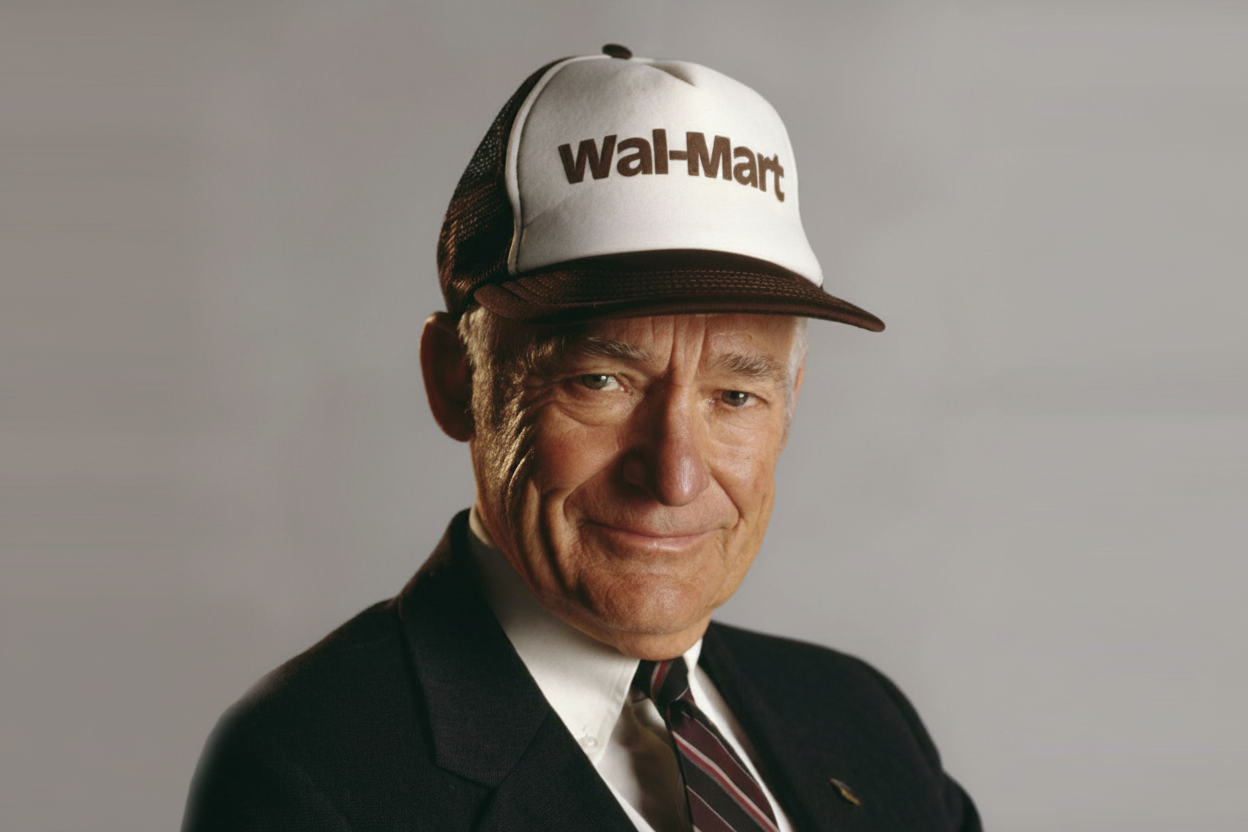
Portrait of Sam Walton
UNITED STATES / RETAIL
Sam Walton
The architect of modern retail, pioneering discount merchandising and logistical efficiency to establish the world's largest retail corporation.
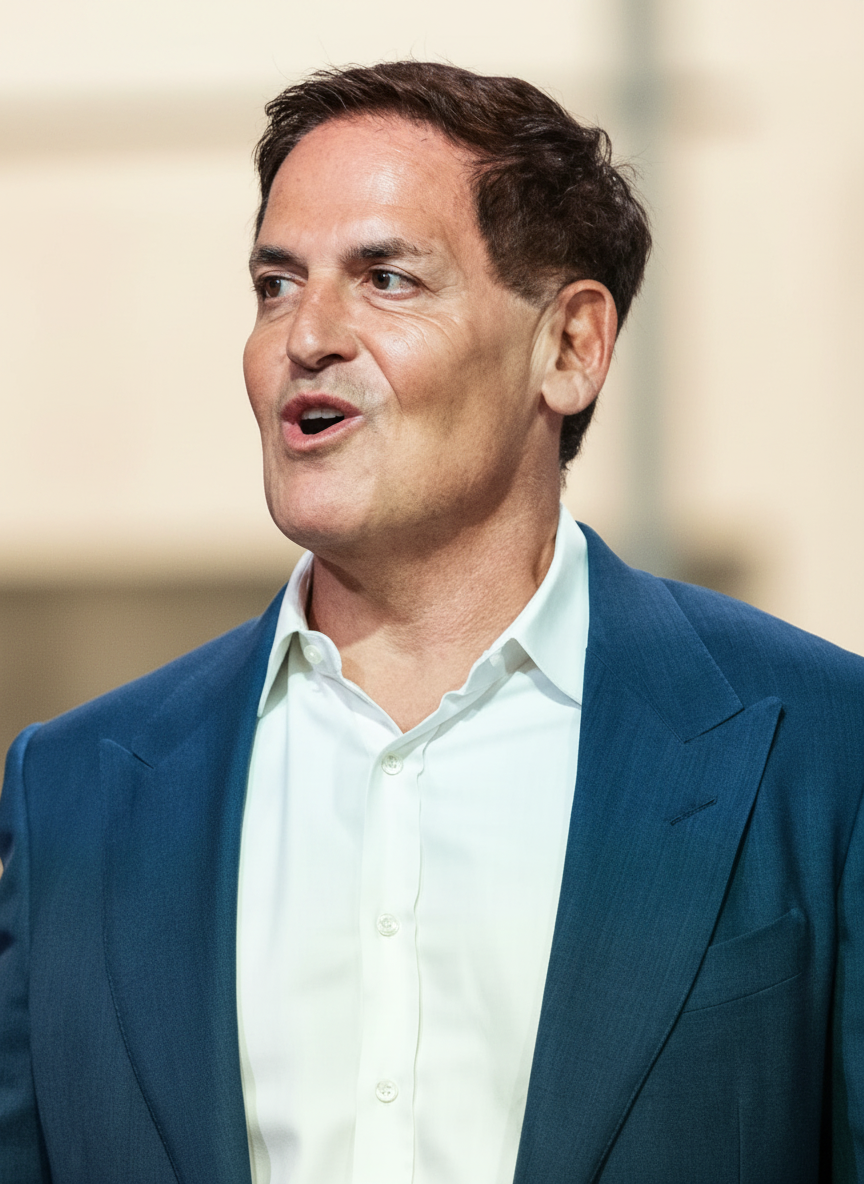
Portrait of Mark Cuban
UNITED STATES / TECHNOLOGY, MEDIA, SPORTS, HEALTHCARE
Mark Cuban
Mark Cuban: The Prolific Disrupter – From Software Startups to Sports Franchises and Pharmaceutical Innovation, Leveraging Technology and Direct-to-Consumer Models.
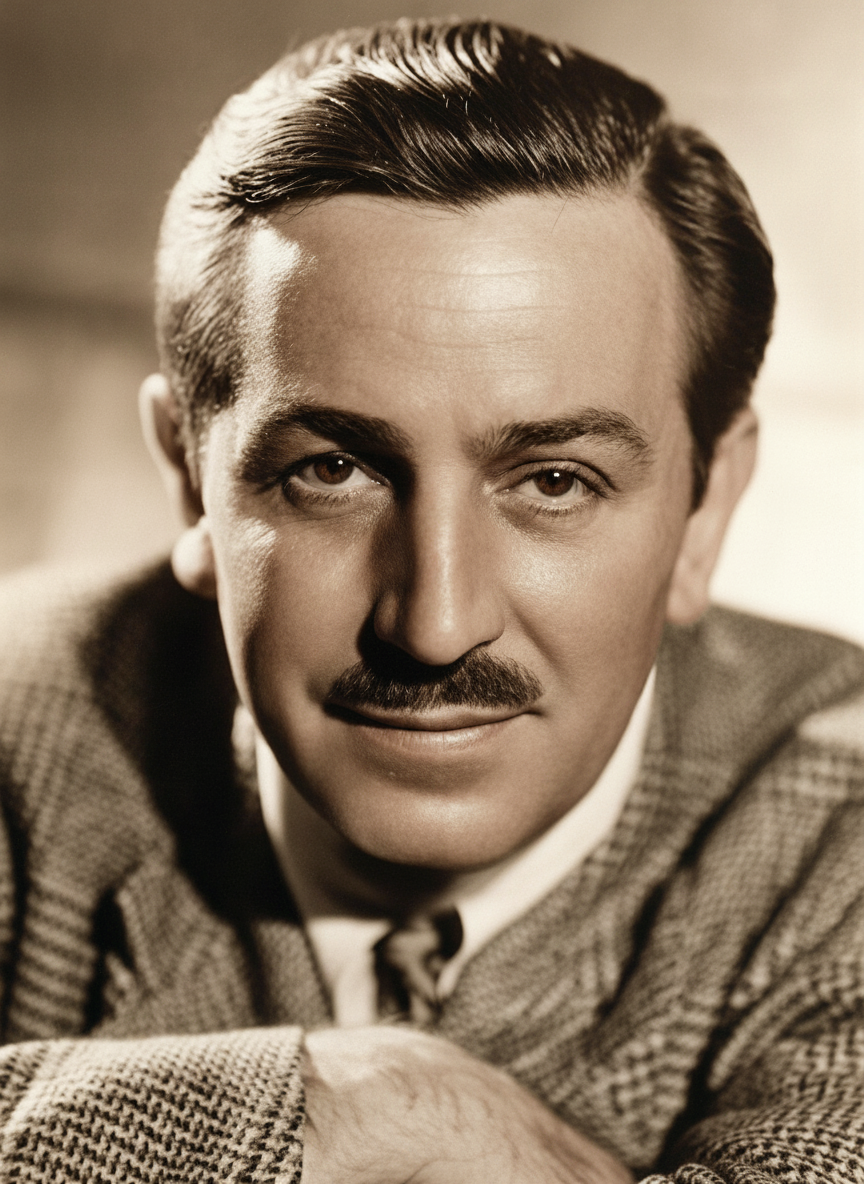
Portrait of Walt Disney
UNITED STATES / ENTERTAINMENT
Walt Disney
Co-founder of The Walt Disney Company, pioneering animation, theme parks, and diversified entertainment.
Portrait of Jack Ma
CHINA / E-COMMERCE, TECHNOLOGY, FINANCE
Jack Ma
Co-founder of Alibaba Group, pioneering e-commerce and digital finance in China.
Same Era

Contemporaries — born 1930s
Browse all →
Portrait of Warren Buffett
UNITED STATES / INVESTING
Warren Buffett
The Oracle of Omaha: Architect of long-term value investing and compounding returns through disciplined acquisition and intrinsic value focus.
Portrait of Phil Knight
UNITED STATES / APPAREL & FOOTWEAR
Phil Knight
The visionary co-founder of Nike, Inc., who transformed athletic footwear from a functional commodity into a global cultural phenomenon.
Portrait of Amancio Ortega
SPAIN / FASHION RETAIL
Amancio Ortega
The architect of fast fashion, transforming global retail with Zara and Inditex.
Portrait of Mikhail Gorbachev
SOVIET UNION / GOVERNMENT
Mikhail Gorbachev
The architect of Soviet reform and unintended dissolution.
Portrait of Charles Koch
UNITED STATES / DIVERSIFIED CONGLOMERATE
Charles Koch
Architect of Koch Industries' diversified growth and proponent of market-based management.
Portrait of James Simons
UNITED STATES / FINANCE, TECHNOLOGY, ASSET MANAGEMENT
James Simons
The Enigma of Quantitative Finance: Architect of Automated Alpha Generation.
Portrait of Amos Tversky
ISRAEL / ACADEMIA, BEHAVIORAL ECONOMICS, PSYCHOLOGY
Amos Tversky
Pioneering the empirical study of cognitive biases and heuristics that shape human judgment and decision-making under uncertainty.
Portrait of Eli Broad
UNITED STATES / REAL ESTATE, FINANCIAL SERVICES
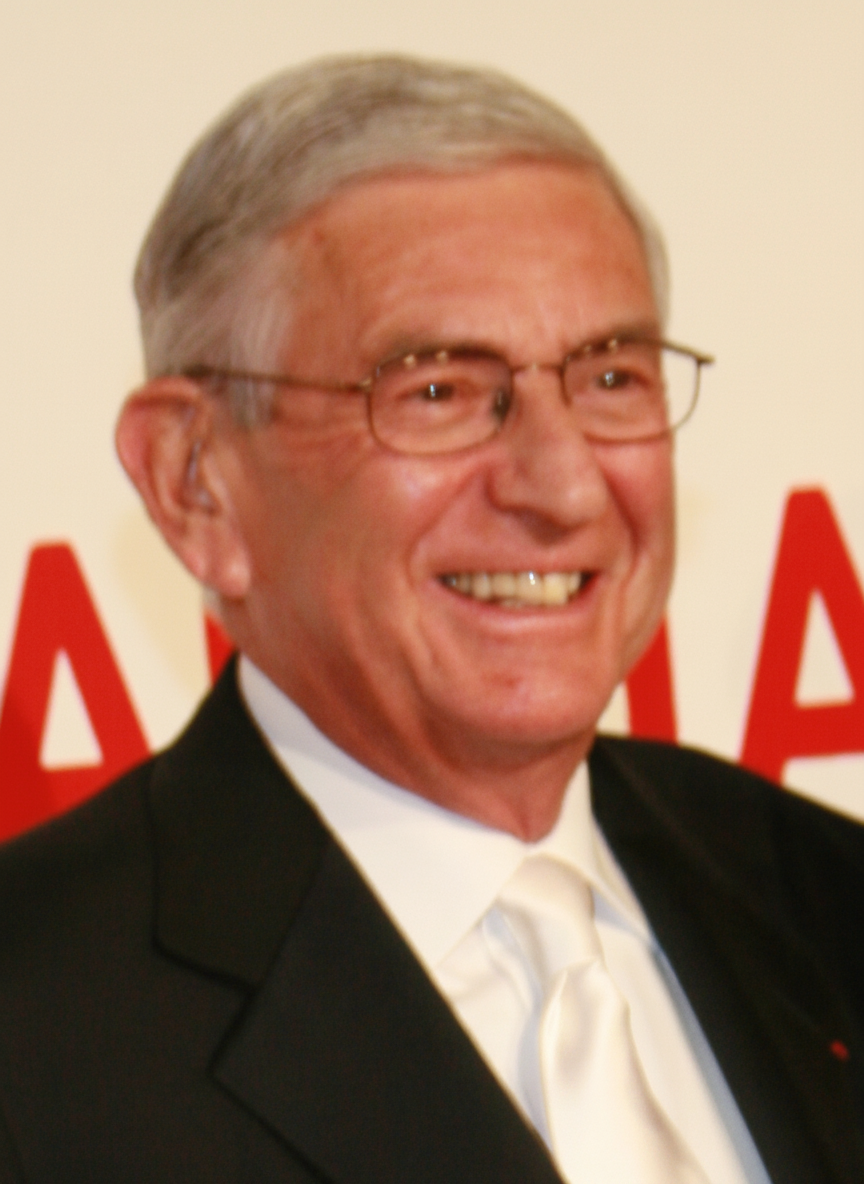
Eli Broad
The relentless entrepreneur who co-founded two Fortune 500 companies in divergent industries through strategic vision and disciplined execution.
Portrait of Leonardo Del Vecchio
ITALY / EYEWEAR, MANUFACTURING, RETAIL
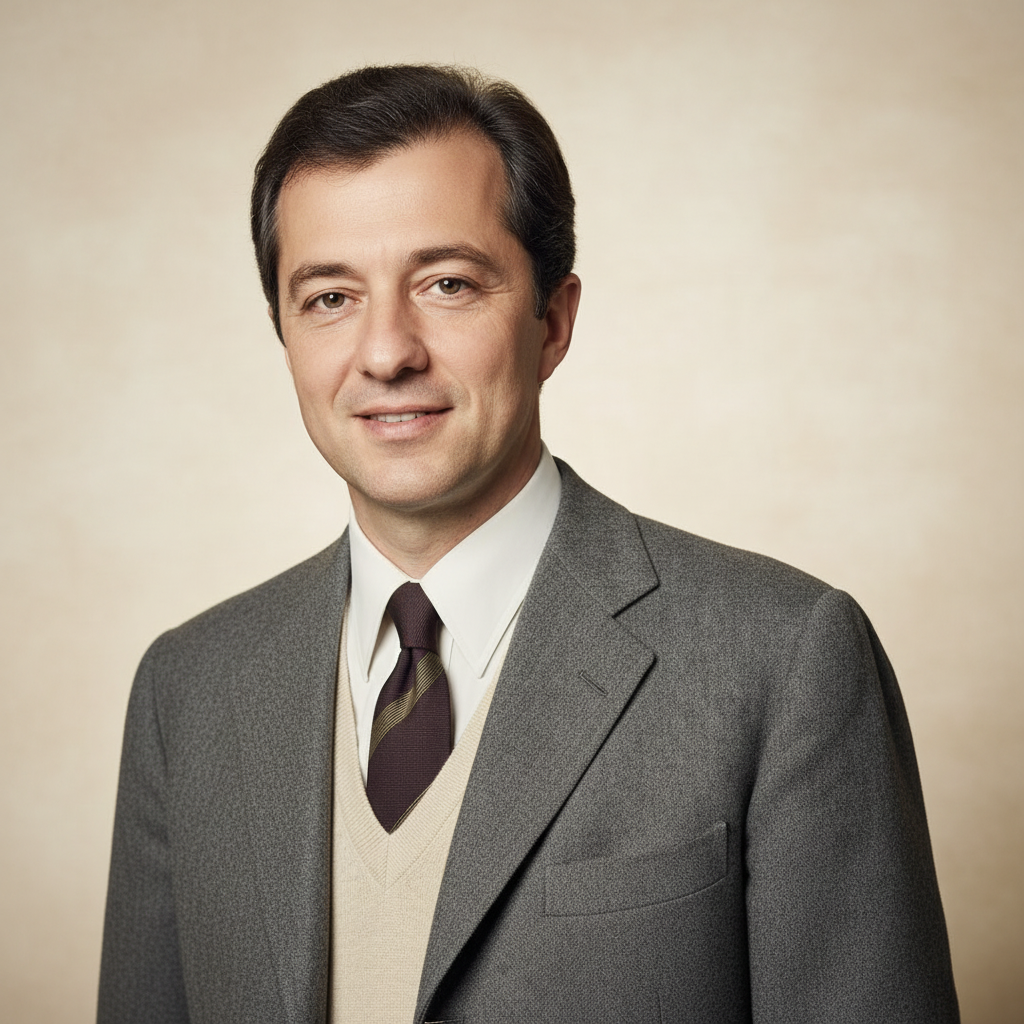
Leonardo Del Vecchio
The architect of the vertical integration strategy that transformed the global eyewear industry.
Portrait of Oscar de la Renta
DOMINICAN REPUBLIC / UNITED STATES / LUXURY FASHION
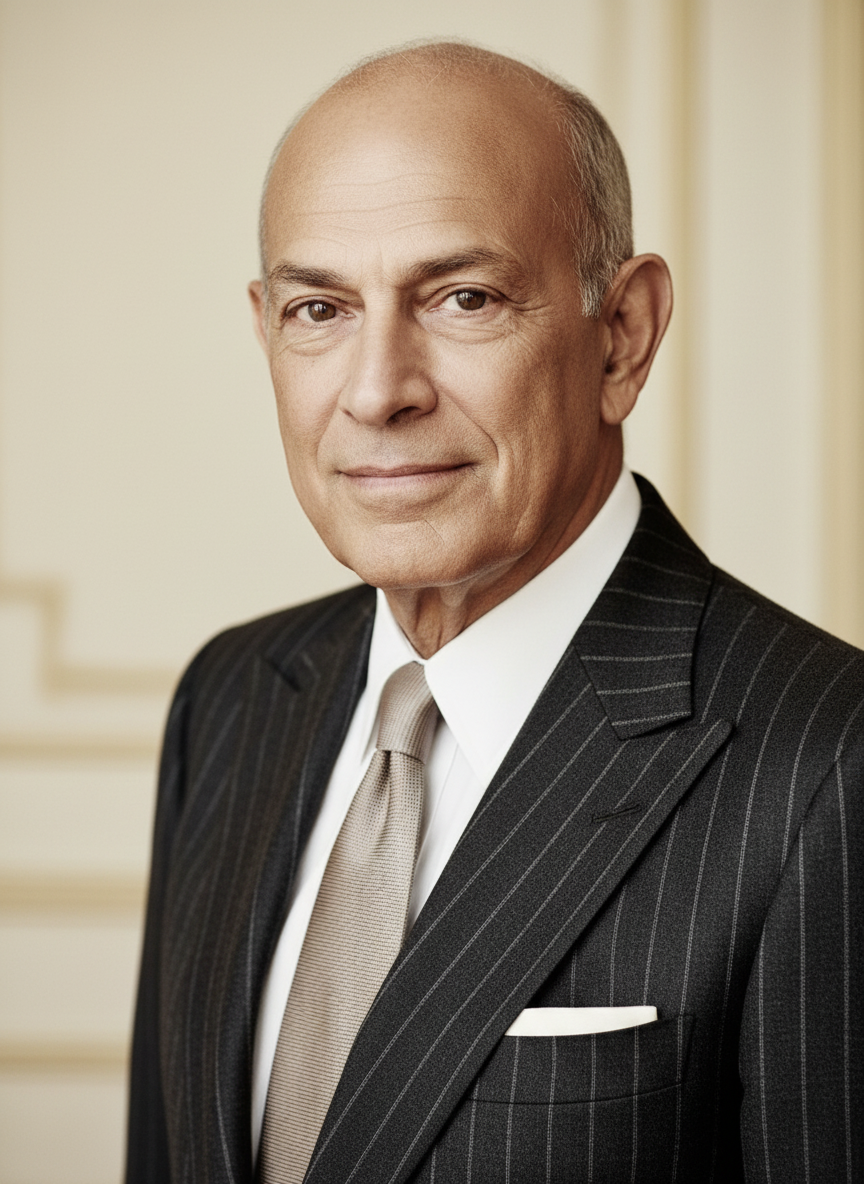
Oscar de la Renta
The Dominican couturier whose eponymous brand became a global standard-bearer for sophisticated luxury and timeless elegance.