
Paddy Padmanabhan
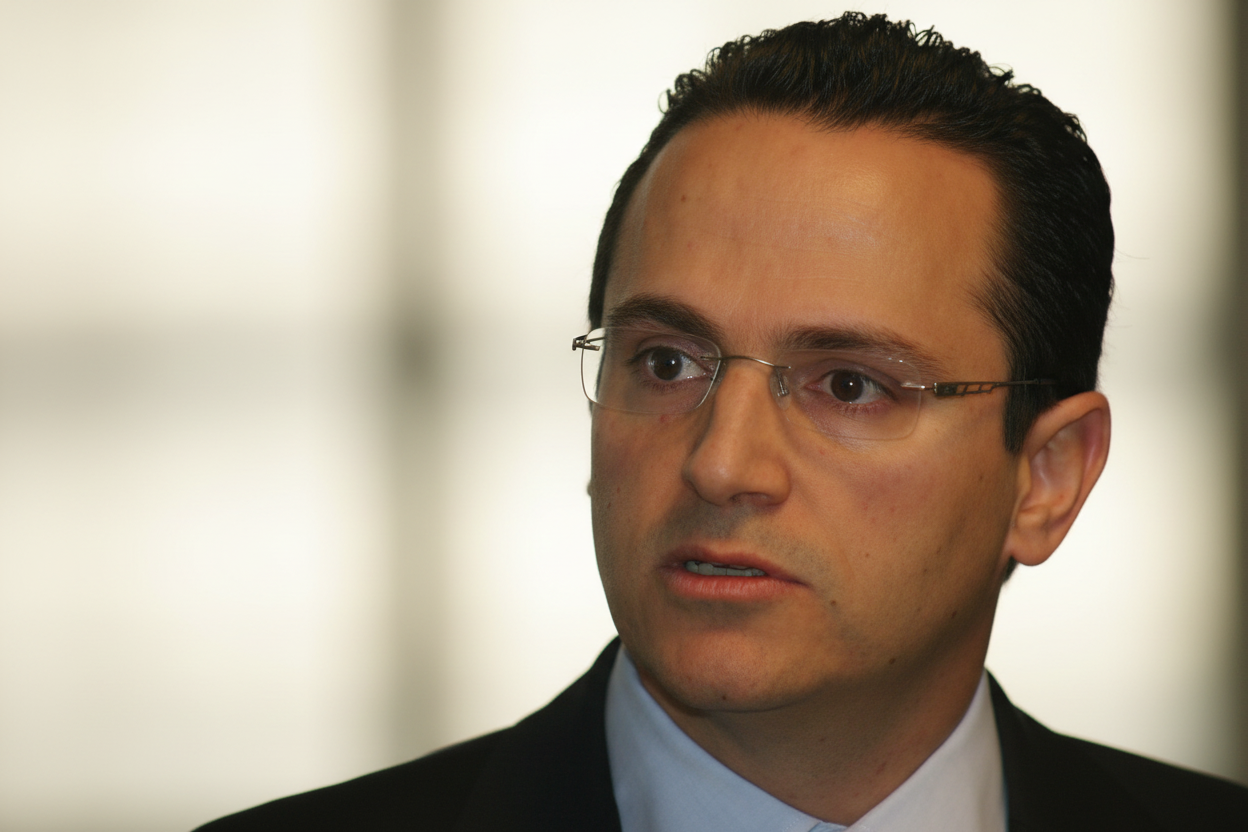
Paddy Padmanabhan is a distinguished entrepreneur and leader in the renewable energy sector, known for his instrumental role in developing utility-scale solar and wind projects globally.
Paddy Padmanabhan is the CEO and founder of several successful renewable energy companies, including Ivanpah Solar Electric Generating System, and has been a driving force in the transition to clean energy. His career spans over two decades, marked by the development and financing of multi-billion dollar projects.
Biography
Accomplishments
- 01Co-founded and led BrightSource Energy as CEO, developing the 392 MW Ivanpah Solar Electric Generating System, the largest concentrating solar power plant at its inception.
- 02Secured over $1.6 billion in U.S. Department of Energy loan guarantees for the Ivanpah project, demonstrating exceptional financial acumen and stakeholder management.
- 03Instrumental in the development and financing of numerous utility-scale renewable energy projects globally, including solar and wind, accumulating billions in project value.
- 04Pioneered the commercialization of concentrating solar power (CSP) technology, bringing advanced energy solutions to market.
- 05Held Senior Vice President role at AES Corporation, overseeing significant power generation asset development and management across diverse international markets.
- 06Successfully navigated complex regulatory environments and secured critical permits for large-scale energy infrastructure projects.
Lessons for Operators
Key Takeaways
Practical lessons distilled for operators, investors, C-levels, and capital allocators.
De-Risking New Technologies
For nascent but promising energy technologies, leveraging government backing (e.g., loan guarantees) and strategic partnerships can mitigate investment risk and accelerate market adoption. Operators and investors should actively seek and structure such collaborative frameworks.
Long-Term Vision in Clean Energy
The development cycle for utility-scale renewable energy is often multi-year. Investors and C-levels must adopt a long-term perspective, committing to sustained R&D and capital deployment, rather than seeking immediate returns.
The Power of Strategic Partnerships
Major projects are rarely executed in isolation. Forming robust alliances with technology providers, off-takers, and financial institutions is essential for sharing risks, accessing capital, and combining expertise. Identify partners whose strengths complement your weaknesses.
Global Perspective for Market Expansion
Understanding diverse international energy markets and regulatory landscapes is critical for identifying new growth opportunities and adapting business models. Leaders should cultivate international teams and insights.
Communication and Narrative
Effectively articulating the value proposition and impact of complex projects is paramount for attracting capital, talent, and public support. Craft compelling stories that resonate with diverse audiences, as effective marketing and leadership enlightenment often rely on clear, inspiring communication. (Referencing recent discussions on storytelling and leadership communication).
Resilience in Development
Large-scale energy projects inevitably face technical, financial, and regulatory hurdles. A resilient leadership approach, focused on problem-solving and adaptive strategies, is crucial for overcoming challenges and bringing projects to fruition.
Frameworks & Principles
Named frameworks and strategic principles they popularized or embodied.
Public-Private Partnership (PPP) Model
A collaborative framework where government entities and private companies co-invest and co-manage large infrastructure projects. This model often involves government-backed financing or guarantees to reduce private sector risk, particularly for pioneering technologies or projects with significant public benefits.
When to useWhen developing large-scale, capital-intensive infrastructure projects, especially those involving new or unproven technologies, where de-risking capital for private investors is crucial. Applicable for utility-scale renewable energy, advanced manufacturing, and public transportation projects.
Project Finance Structure
A method of funding large infrastructure, industrial projects, and public services using a non-recourse or limited recourse financial structure, where debt and equity are used to finance the project. The project's revenues are then used to repay the debt and provide a return to equity investors. The primary security for the loans is the project's assets and cash flows.
When to useFor financing multi-billion dollar energy or infrastructure projects where the project itself generates sufficient cash flow to service debt. This isolates financial risk to the project entity rather than the sponsor's balance sheet, making it suitable for renewable energy plants, power generation facilities, and large-scale manufacturing units.
Technology Commercialization Lifecycle
A staged process outlining the journey of a new technology from research and development (R&D) to market adoption and widespread use. Key stages include basic research, applied research, development, demonstration, deployment, and diffusion, each requiring different types of investment and strategic focus.
When to useWhen evaluating or investing in early-stage disruptive technologies, particularly in sectors like renewable energy, biotech, or advanced materials. It helps identify required capital at each stage, potential market barriers, and appropriate commercialization strategies to bridge the 'valley of death' between R&D and market scale.
Recent Appearances
Latest interviews, keynotes, and press from the past half year.
 youtube.com
 youtube.com
 youtube.com
 youtube.com
 youtube.com
 youtube.com
 youtube.com
 youtube.com
 youtube.com
 youtube.com
 youtube.com
 youtube.com
 youtube.com
 youtube.com
 youtube.com
 youtube.com
Sources & Further Reading
Profiles, interviews, podcasts, and articles used to compile and verify this entry. Each link opens at the original publisher.
Explore Related Titans
Other figures in the archive who share Paddy Padmanabhan's domain, geography, or era.
More in Energy & Resources








From United States









Contemporaries — born 1960s