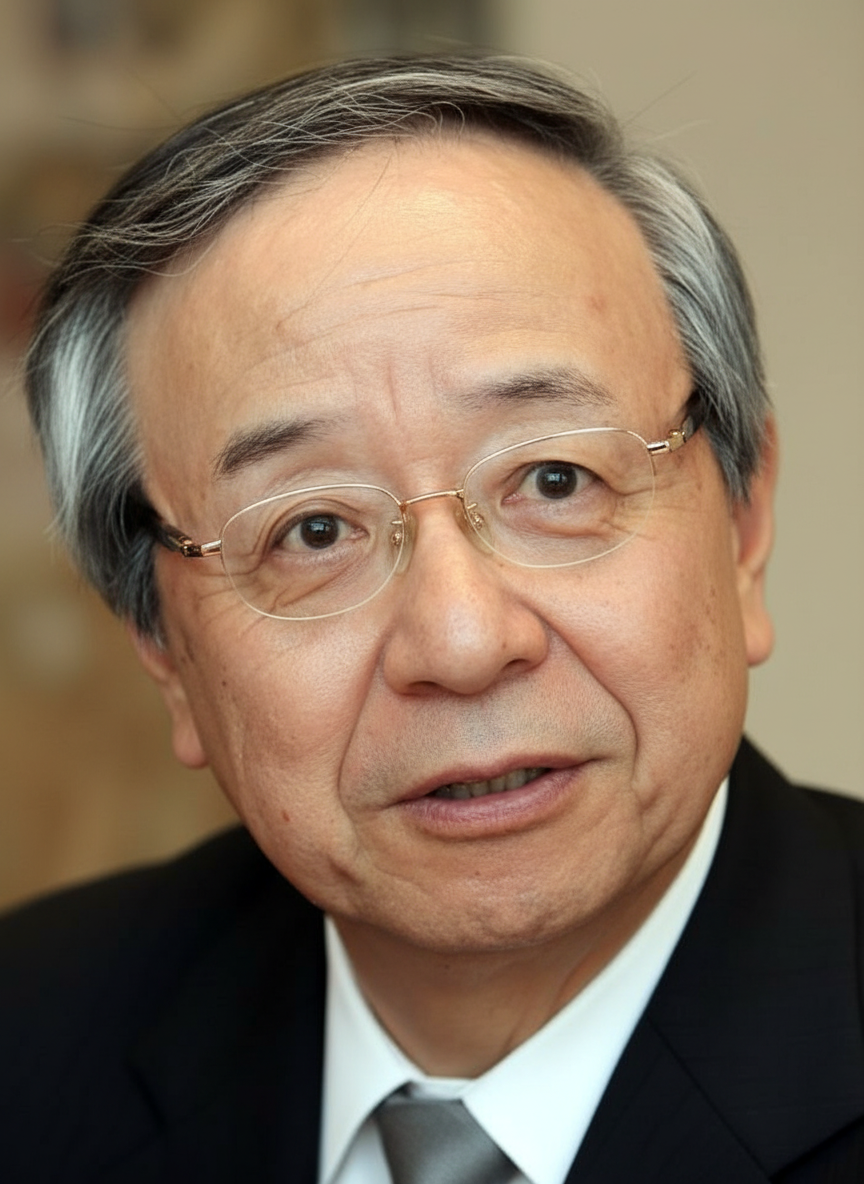
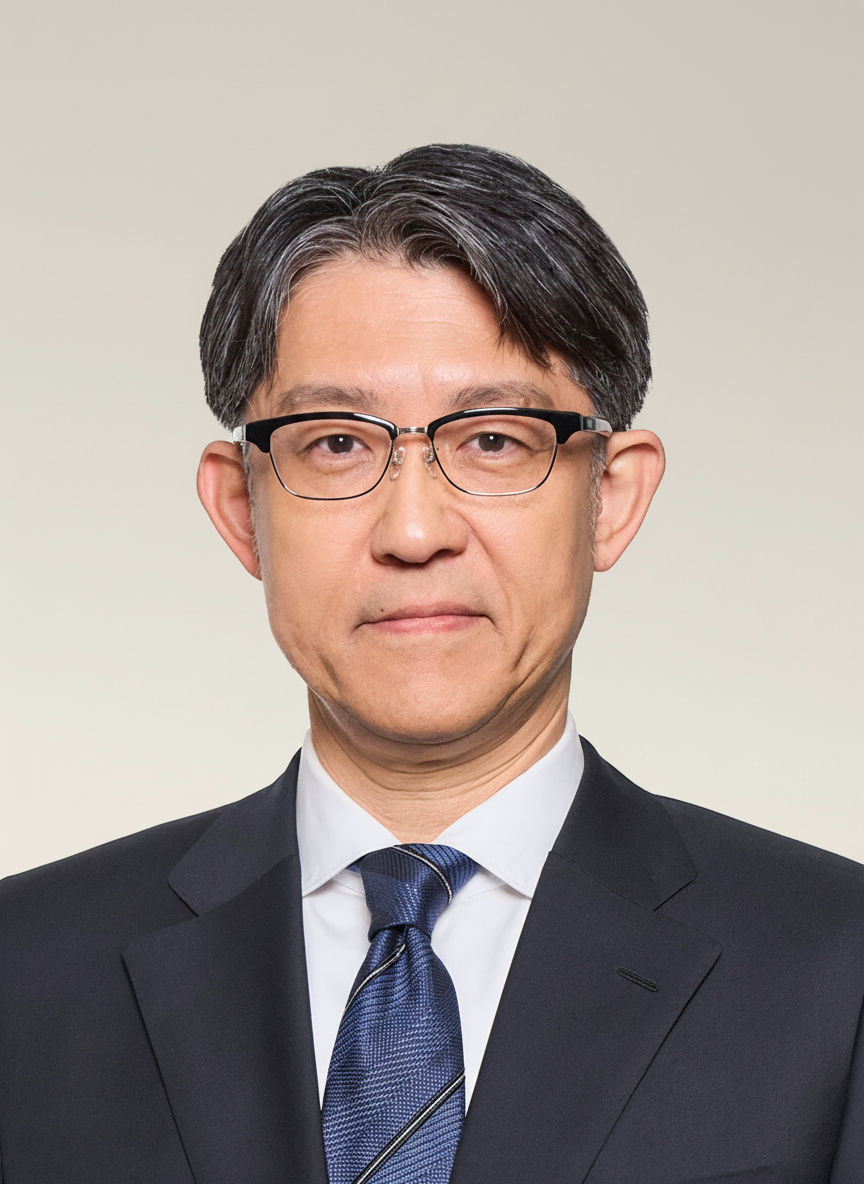
Masatoshi Ito
Architect of modern Japanese convenience retail who transformed a family dry-goods shop into Seven & i Holdings and acquired its American parent.
Masatoshi Ito was a titan of Japanese commerce who transformed a small post-war Tokyo clothing shop into Ito-Yokado, one of Japan's leading retail conglomerates. In 1973, he backed the licensing of the American 7-Eleven brand, pioneering precision logistics, high-density clustering, and point-of-sale inventory discipline. When American franchisor Southland Corporation collapsed into bankruptcy in 1991, Ito engineered its acquisition, completing one of modern business history's most successful reverse takeovers and forging Seven & i Holdings into a global enterprise.
Biography
Accomplishments
- 01Scaled Ito-Yokado from a single post-war apparel shop into Japan's most profitable supermarket and general merchandise network by the late 1970s.
- 02Licensed 7-Eleven from Dallas-based Southland Corporation in 1973, inaugurating Japan's modern convenience store industry with the Toyosu, Tokyo store in 1974.
- 03Institutionalized 'Tanpin Kanri' (item-by-item management) and real-time POS data tracking across thousands of franchised locations, drastically cutting lost sales and obsolete inventory.
- 04Engineered the 1991 reverse takeover of bankrupt American parent company Southland Corporation for $430 million, restoring the global brand to solvency and profitability.
- 05Formed Seven & i Holdings in 2005, creating one of the world's largest retail networks spanning tens of thousands of locations across Asia and North America.
- 06Partnered with and heavily endowed Peter Drucker's management academy, founding the Peter F. Drucker and Masatoshi Ito Graduate School of Management at Claremont Graduate University.
Lessons for Operators
Key Takeaways
Practical lessons distilled for operators, investors, C-levels, and capital allocators.
Reverse Master-Franchise Capitalization
By mastering operations at the licensee level, operators can build operational and capital advantages that enable the eventual acquisition of the debt-burdened original franchisor.
Gross-Profit Alignment
Seven-Eleven Japan aligned incentives by sharing in store gross margins rather than total revenue, compelling headquarters to help operators reduce product obsolescence and maximize unit profits.
Data-Driven Item-Level Merchandising
Deploying granular data systems (POS tracking combined with weather and event metrics) shifts purchasing from intuition-based guessing to hypothesis-driven testing per SKU.
High-Density Cluster Penetration
Saturating specific municipal radii before geographic expansion maximizes supply chain efficiency, reinforces brand recognition, and boxes out competitor retail footprints.
Frameworks & Principles
Named frameworks and strategic principles they popularized or embodied.
Tanpin Kanri (Item-by-Item Management)
A retail execution framework where store clerks form hypotheses for every individual SKU's demand based on variables like local weather, school schedules, and seasonal shifts, verifying outcomes through daily POS sell-through data to prevent both stockouts and markdowns.
When to useDeploy in high-turnover consumer environments with limited shelf space and perishable inventory to maximize working-capital velocity.
High-Density Market Dominance Clustering
A distribution strategy where an operator exclusively targets high store density within a tightly bounded geographic cluster rather than spreading locations thinly across broad territories, minimizing delivery travel times and maximizing regional market share.
When to useUse when entering new logistics-heavy retail markets where route density directly dictates unit operating margins and freshness guarantees.
Operational Reverse Takeover (RTO) Playbook
A corporate development model where a disciplined regional licensee optimizes cash-flow generation, retains low debt, and preserves dry powder to acquire its distressed, highly levered master licensor during a credit crisis.
When to useApply when a parent intellectual property owner misallocates capital or takes on unsustainable leverage, allowing an operationally superior licensee to buy the core IP at a discount.
Sources & Further Reading
Profiles, interviews, podcasts, and articles used to compile and verify this entry. Each link opens at the original publisher.
Explore Related Titans
Other figures in the archive who share Masatoshi Ito's domain, geography, or era.
More in Technology









From Japan



Contemporaries — 20th century