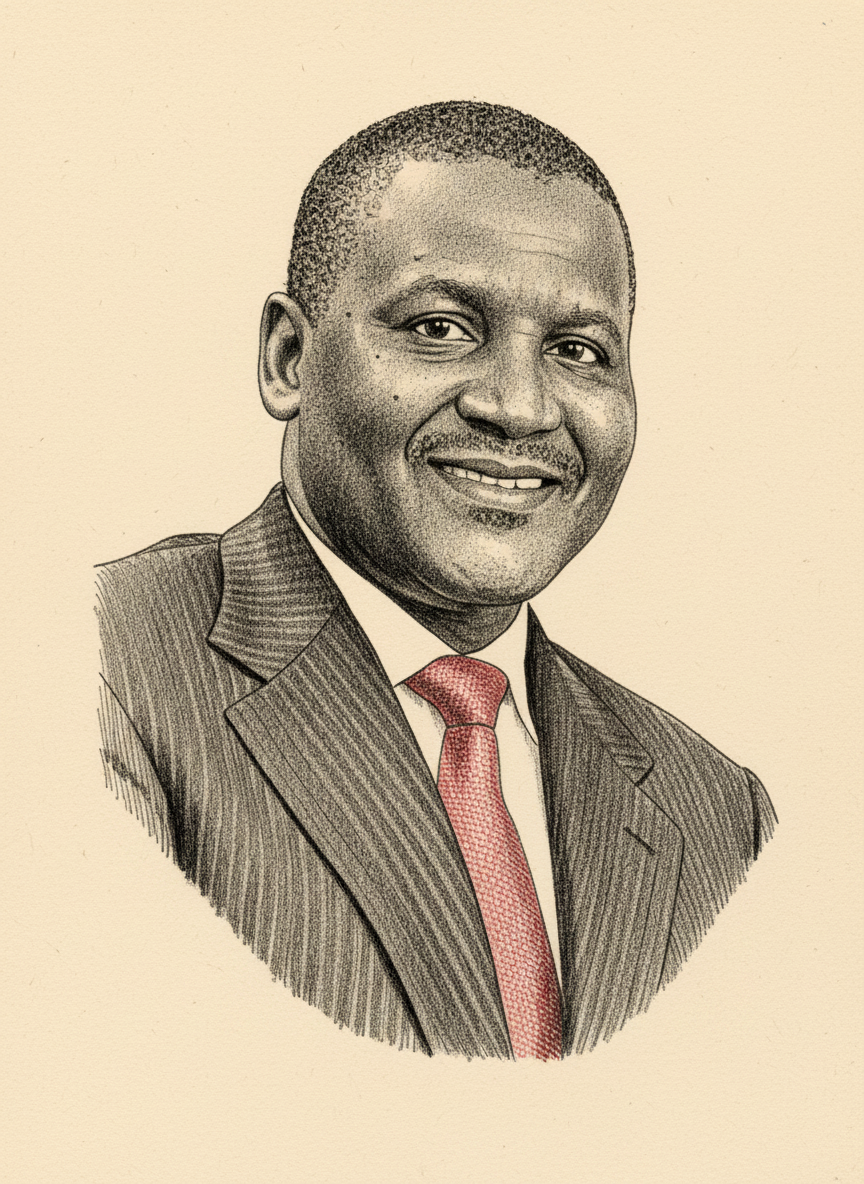
Marillyn Hewson
Architect of sustainable growth and strategic portfolio optimization in the complex aerospace and defense sector.
Marillyn Hewson served as President and CEO of Lockheed Martin from 2013 to 2020, and as Executive Chairman from 2020 to 2021. Her tenure was marked by record financial performance, strategic portfolio refinement, and significant shareholder value creation amidst a challenging geopolitical landscape and fluctuating defense budgets.
Biography
Accomplishments
- 01Successfully led Lockheed Martin as CEO from 2013-2020, achieving record financial performance, including a significant increase in market capitalization and shareholder returns.
- 02Orchestrated the strategic acquisition of Sikorsky Aircraft in 2015 for $9 billion, solidifying Lockheed Martin's leadership in the rotary-wing sector.
- 03Implemented disciplined portfolio optimization, including the divestiture of the government IT and services business in 2016, enabling greater focus on core aerospace and defense segments.
- 04Navigated the company through periods of U.S. defense budget sequestration, maintaining profitability and securing key programs like the F-35 Joint Strike Fighter.
- 05Championed digital transformation and innovation across the enterprise, investing in technologies such as artificial intelligence, hypersonics, and cybersecurity.
- 06Consistently ranked among the world's most powerful women and top CEOs, earning recognition for her leadership and impact on the global defense industry.
Lessons for Operators
Key Takeaways
Practical lessons distilled for operators, investors, C-levels, and capital allocators.
Portfolio Optimization
Regularly assess and restructure your business portfolio to focus on high-growth, high-margin areas that align with strategic objectives. Be prepared to divest non-core assets and make strategic acquisitions.
Operational Discipline
In capital-intensive, long-cycle industries, relentless focus on operational efficiency, cost control, and project execution quality is paramount for consistent profitability and stakeholder trust.
Innovation Imperative
Maintain a robust R&D pipeline and invest in next-generation technologies to ensure long-term competitiveness and market leadership, even during periods of fiscal constraint.
Strategic Leadership Continuum
Effective leadership requires not just present performance but also foresight in talent management, digital transformation, and market positioning to ensure sustainable success for decades.
Global Market Penetration
Do not limit growth ambitions to domestic markets. Actively pursue international sales and partnerships to hedge against regional downturns and unlock new revenue sources.
Shareholder Value Focus
Leadership decisions should consistently aim to enhance shareholder value through organic growth, strategic M&A, capital allocation, and strong governance.
Frameworks & Principles
Named frameworks and strategic principles they popularized or embodied.
Portfolio Lifecycle Management
A systematic approach to evaluating business units and product lines for their strategic fit, market position, and financial performance, leading to decisions on investment, divestiture, or acquisition.
When to useWhen facing shifts in market demand, technological disruption, or needing to optimize resource allocation across a diversified enterprise. Useful for enhancing core competencies and shedding underperforming assets.
Strategic Cost Management (SCM)
An approach that goes beyond traditional cost cutting to integrate cost reduction efforts with strategic goals, focusing on activities that create customer value while eliminating waste.
When to useDuring periods of budget constraint, intense competition, or when aiming to improve profitability and pricing power without compromising product quality or innovation.
Integrated Market & Technology Roadmapping
A process linking market trends, customer needs, and technological capabilities to define future product and service development, ensuring R&D investments align with strategic opportunities.
When to useIn high-technology industries to guide R&D spending, anticipate future market needs, and synchronize product development cycles with customer acquisition strategies.
Sources & Further Reading
Profiles, interviews, podcasts, and articles used to compile and verify this entry. Each link opens at the original publisher.
Explore Related Titans
Other figures in the archive who share Marillyn Hewson's domain, geography, or era.
More in Transportation & Logistics









From United States








Contemporaries — born 1950s