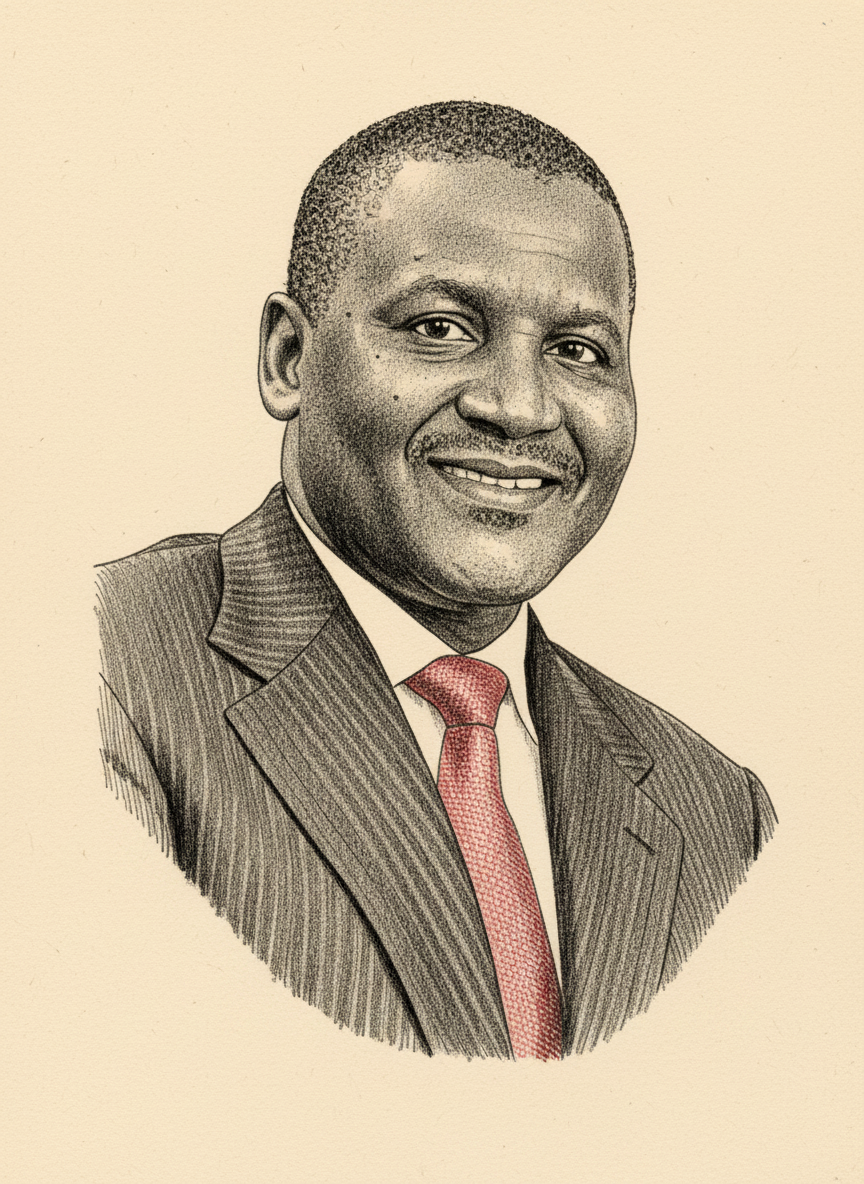
John Reed
A transformational leader in pharmaceutical R&D, known for steering major pipeline overhauls and integrating advanced biotechnologies.
John Reed is a distinguished figure in pharmaceutical R&D, recognized for his leadership in complex scientific and organizational transformations. His career spans key roles at major pharmaceutical companies, where he consistently focused on pipeline productivity, strategic licensing, and the integration of novel scientific approaches, particularly in oncology and immunology.
Biography
Accomplishments
- 01Orchestrated a significant overhaul of Roche's pRED structure (2013-2019), leading to improved R&D efficiency and a more robust early-stage pipeline.
- 02Spearheaded successful licensing deals and acquisitions at Roche, notably expanding their neuroscience and oncology portfolios, including the strategic partnership with AC Immune in Alzheimer's disease.
- 03Implemented data-driven target validation and decision-making processes across global R&D operations at both Roche and Sanofi, enhancing early-stage success rates.
- 04Led the integration of advanced biotechnologies, including gene therapy and mRNA platforms, into Sanofi's R&D strategy (2019-2023), positioning the company for future growth.
- 05Oversaw the expansion of Sanofi's immunology franchise, driving key clinical advancements in areas like atopic dermatitis and asthma.
- 06Championed a culture of open innovation and external collaboration, establishing numerous academic and biotech partnerships during his tenures at Roche and Sanofi.
Lessons for Operators
Key Takeaways
Practical lessons distilled for operators, investors, C-levels, and capital allocators.
Strategic Portfolio Reshaping
Reed's career exemplifies the necessity of continuous portfolio evaluation and aggressive re-prioritization to allocate capital to the most promising assets. This often involves divesting non-core programs and investing in novel technologies or therapeutic areas with high unmet need, a strategy critical for pharma's long-term sustainability.
Open Innovation Imperative
His approach highlights that no single company can innovate in isolation. Establishing robust external partnerships, spanning academia, biotechs, and technology firms, is paramount to accessing cutting-edge science and accelerating drug discovery, mitigating internal R&D capacity limitations.
Data-Driven Development
Reed consistently advocated for the integration of advanced data analytics and AI in early-stage R&D. For operators, this means investing in bioinformatics, computational biology, and predictive modeling capabilities to enhance target identification, validate hypotheses, and improve clinical trial design, thereby reducing late-stage failures and costs.
Leadership in Transition
His experience at both Roche and Sanofi demonstrates that leading major R&D functions requires not only scientific acumen but also strong organizational leadership to manage change, inspire teams, and embed new processes and technologies effectively across global operations.
Patient-Centric Commercialization
While focused on early research, Reed ensured that projects aligned with clear patient needs and therapeutic benefits. This lesson for investors and C-levels is to ensure R&D is always explicitly linked to high-value market opportunities and differentiated patient outcomes, enhancing future commercial success.
Frameworks & Principles
Named frameworks and strategic principles they popularized or embodied.
Pipeline Productivity Index (PPI)
A metric system used to assess the efficiency and output of an R&D pipeline, often incorporating factors like success rates at different phases, cycle times, and projected net present value (NPV) of assets. Reed implicitly used such concepts to justify portfolio shifts.
When to useRegularly assess R&D efficiency and resource allocation; evaluate potential M&A targets' pipeline strength; or benchmark internal R&D performance against industry leaders.
External Innovation Sourcing Funnel
A structured approach to identify, evaluate, and integrate external scientific assets or platforms. This involves scouting, due diligence (scientific, clinical, commercial), deal execution (licensing, M&A), and integration post-deal.
When to useWhen internal R&D capabilities are insufficient; needing to accelerate pipeline growth; or seeking to diversify therapeutic modalities or disease areas.
Target Product Profile (TPP) early validation
A framework where the desired characteristics of a new drug, including clinical efficacy, safety, and commercial attributes, are defined early in discovery and continuously re-evaluated against scientific and market data.
When to useFrom the earliest stages of drug discovery through clinical development to ensure projects align with unmet medical needs and market potential, minimizing late-stage pivots or failures.
Explore Related Titans
Other figures in the archive who share John Reed's domain, geography, or era.
More in Healthcare & Biotech









From United Kingdom










Contemporaries — born 1950s