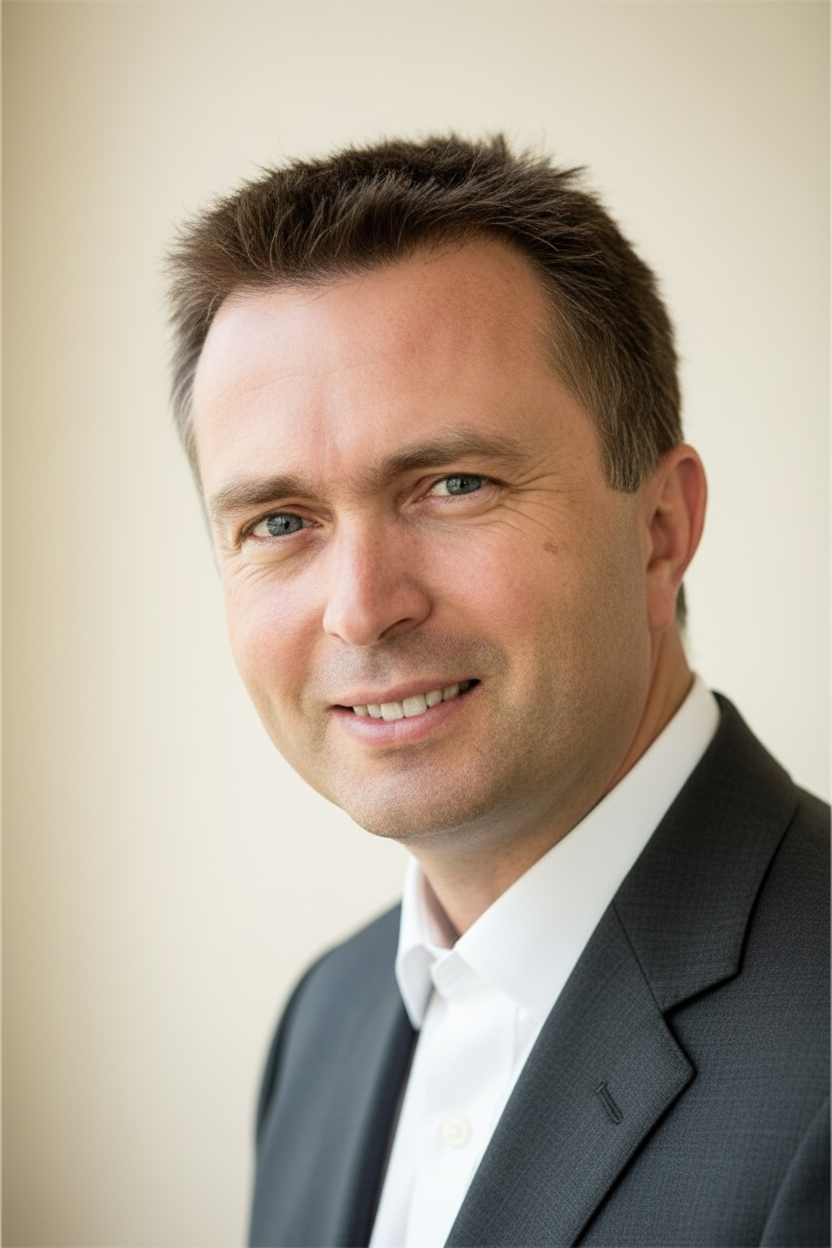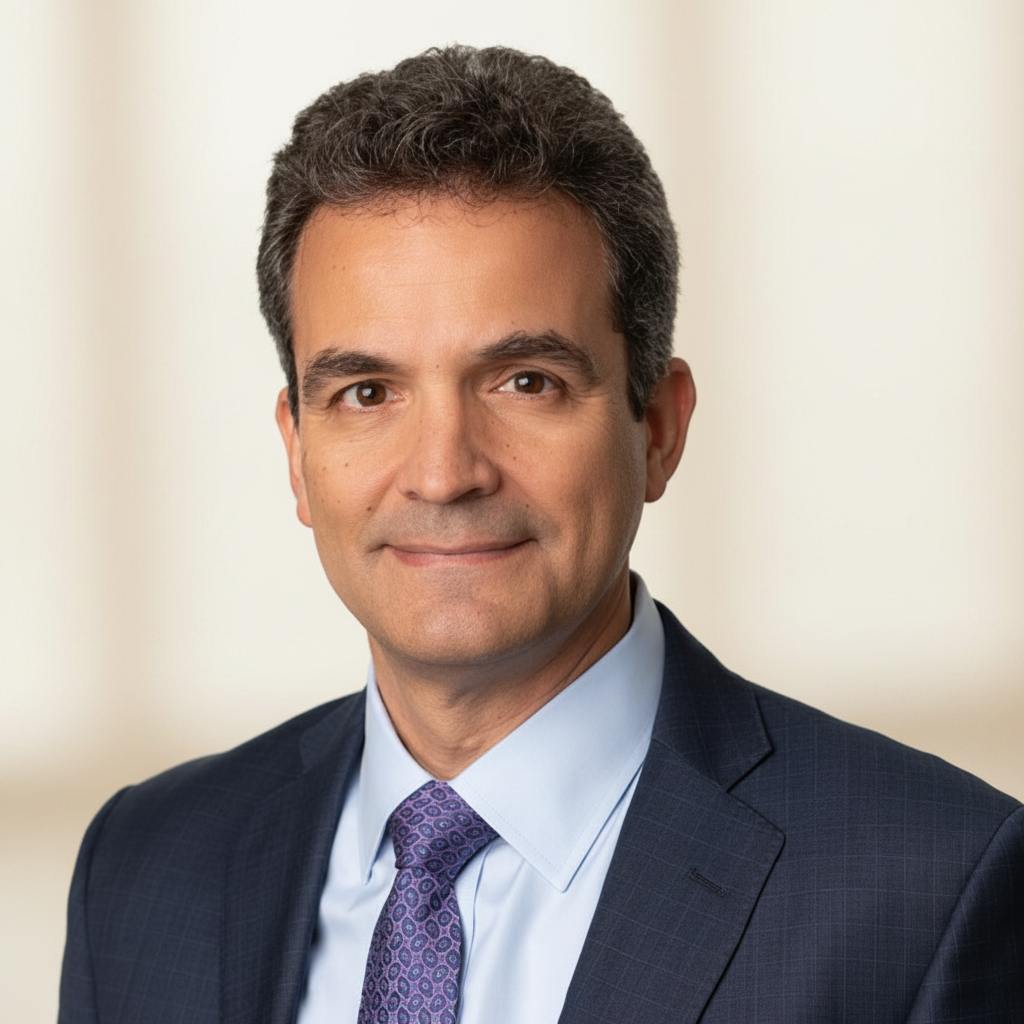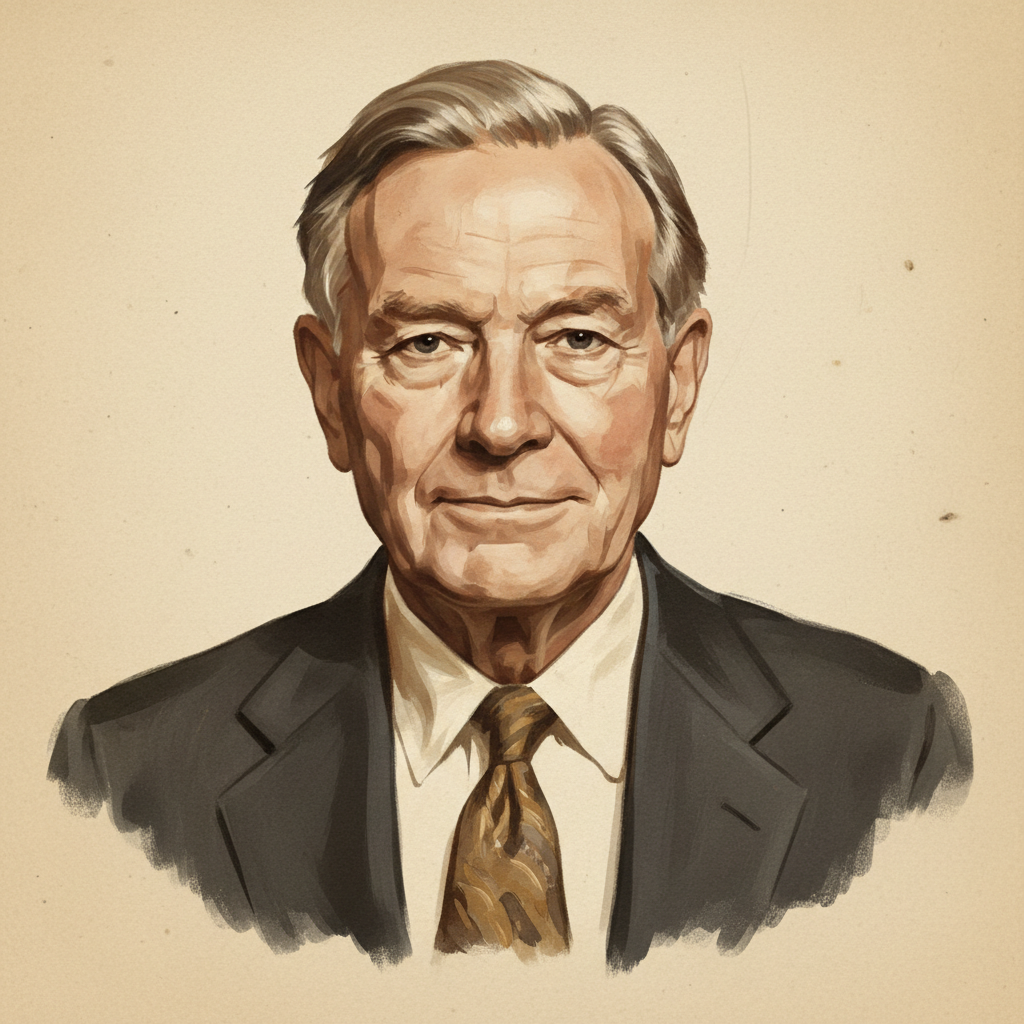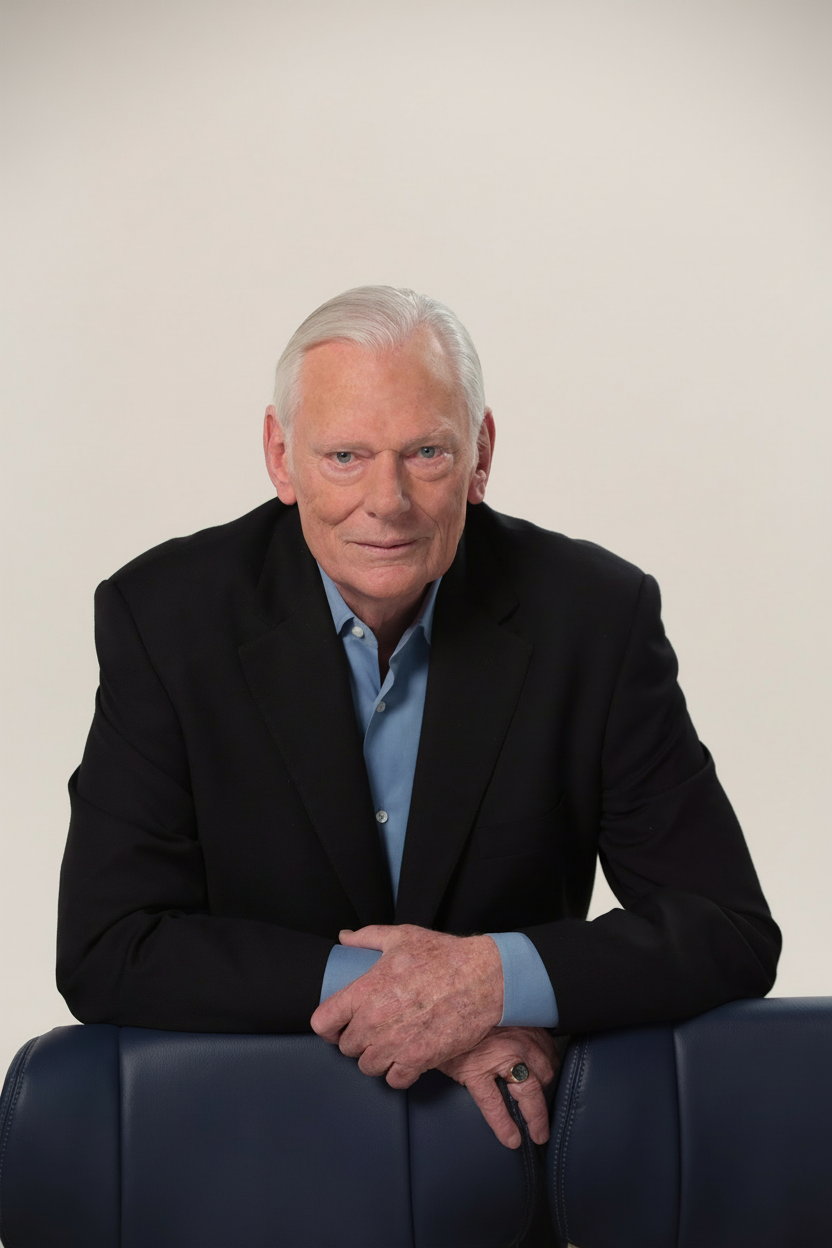
Portrait of Herb Kelleher
Historical Mind · 1931 — 2019

Herb Kelleher

The maverick co-founder and long-time CEO of Southwest Airlines, credited with pioneering the low-cost carrier model and transforming the airline industry.

Country
United States
Continent
North America
Industry
Aviation
Role
Co-founder, CEO, and Chairman of Southwest Airlines

Herb Kelleher, a lawyer by trade, co-founded Southwest Airlines in 1967 (incorporated in 1971) with Rollin King. He served as CEO from 1982 to 2001 and as Chairman until 2008. Kelleher defied conventional airline wisdom by focusing on point-to-point, short-haul flights with a single aircraft type (Boeing 737s), rapid turnarounds, no frills, and a fun corporate culture. His strategy made Southwest consistently profitable, even during industry downturns, and established the blueprint for low-cost air travel globally.

Biography

Born Herbert D. Kelleher in Camden, New Jersey, in 1931, Kelleher earned his law degree from New York University School of Law in 1956. He moved to San Antonio, Texas, where he practiced law. In 1967, Kelleher and client Rollin King conceived the idea for Southwest Airlines over dinner, envisioning a high-frequency, low-fare airline serving three Texas cities: Dallas, Houston, and San Antonio. The airline faced immediate and protracted legal challenges from established carriers (Braniff, Texas International, Continental) who sought to block its entry. Kelleher's legal acumen was instrumental in successfully defending Southwest, culminating in a landmark Supreme Court decision in 1971 that allowed Southwest to commence operations. Kelleher officially became CEO in 1982, having served as general counsel and chairman for many years prior. Under his leadership, Southwest meticulously executed its low-cost, high-value strategy: a standardized fleet (minimizing maintenance, training, and parts inventory costs), direct flights (avoiding costly hub-and-spoke systems), no meal service (reducing catering expenses and turnaround times), and an emphasis on employee empowerment and customer service. He famously fostered a unique, fun-loving corporate culture, believing that happy employees equate to happy customers. This culture was not merely anecdotal; it was integral to the airline's operational efficiency and brand loyalty. Key operational innovations included the "ten-minute turn" for aircraft at the gate, vastly increasing aircraft utilization. During his tenure, Southwest remained profitable for 47 consecutive years (through 2019), a feat unmatched by its peers. Kelleher stepped down as CEO in 2001, remaining as Chairman until 2008. He passed away in 2019, leaving a legacy acknowledged as the architect of the modern low-cost airline industry.

Accomplishments

  • 01Co-founded Southwest Airlines in 1967 and successfully navigated its legal battles to commence operations in 1971.
  • 02Led Southwest Airlines to 30 consecutive years of profitability under his CEO leadership (1982-2001), a record unparalleled in the airline industry at the time.
  • 03Pioneered the low-cost carrier (LCC) business model, fundamentally reshaping global air travel dynamics and inspiring numerous imitators (e.g., Ryanair, easyJet, Spirit).
  • 04Developed a highly distinctive and influential corporate culture focused on employee happiness, empowerment, and fun, directly contributing to operational efficiency and customer loyalty.
  • 05Successfully maintained Southwest's profitability and market leadership through multiple economic downturns, including the post-9/11 period, without resorting to layoffs or executive pay cuts.

Lessons for Operators

Challenge industry incumbents and their assumptions: Kelleher identified that passengers prioritized price and convenience over traditional full-service amenities for short-haul travel, directly opposing established carriers' strategies.
Culture is a strategic asset: Invest in and cultivate a strong, distinctive corporate culture where employees feel valued and empowered. This translates to superior customer service and operational resilience.
Ruthless operational simplicity: Standardize processes (e.g., single aircraft type, point-to-point routes, no complex ancillary services) to reduce costs and increase efficiency. Simplicity allows for agility and lower fixed costs.
Focus on a specific market segment: Do not attempt to be everything to everyone. Southwest initially focused on specific, underserved intrastate routes with a clear value proposition, then expanded incrementally.
Maintain long-term vision despite short-term pressures: Southwest faced existential legal threats and intense competition. Kelleher's unwavering commitment to the original strategy was crucial for its survival and ultimate success.
The Operator's Playbook

Key Takeaways

Practical lessons distilled for operators, investors, C-levels, and capital allocators.

Lesson 01

Strategy by Subtraction

Kelleher's genius was not in adding features, but in systematically removing costly, non-essential services (meals, reserved seating, interlining baggage) that did not align with the core customer value proposition of low fares and frequent flights. This reduced operational complexity and costs significantly.

Lesson 02

Employee-Centric Leadership

Kelleher famously stated, "Your employees come first. If you treat your employees right, they treat the customer right, and that makes for good business." This philosophy fostered loyalty, high morale, and a willingness to go above and beyond, directly impacting service quality and efficiency.

Lesson 03

Low-Cost, Not Cheap

Southwest's strategy was about providing excellent value at a low price, not being a 'cheap' airline. Kelleher understood that customers would pay for reliability, friendliness, and convenience, even without luxury amenities. This distinction is crucial for brand perception and long-term viability.

Lesson 04

Operational Obsession

The 'ten-minute turn' was a physical manifestation of this. Every process was optimized for speed, efficiency, and cost reduction. This relentless focus on operational excellence underpinned the entire low-cost model, allowing Southwest to achieve higher aircraft utilization than competitors.

Mental Models

Frameworks & Principles

Named frameworks and strategic principles they popularized or embodied.

01

Value Proposition Innovation

Kelleher demonstrated that a successful value proposition can be built by re-evaluating customer needs and offering a drastically different solution than incumbents. He identified that for short-haul travel, speed, frequency, and low price trumped traditional full-service amenities.

When to useApplicable when entering mature markets, challenging existing paradigms, or when current solutions are over-serving customer needs in costly ways. Requires deep understanding of unmet or underserved customer desires.

02

Culture as a Competitive Advantage

Kelleher's leadership proved that a unique, strong, and intentionally cultivated corporate culture can be a powerful differentiator and a source of sustainable competitive advantage, especially in service-oriented industries. It impacts recruitment, retention, employee performance, and customer satisfaction.

When to useCritical for businesses reliant on human capital and customer interaction. Useful for building a resilient organization capable of weathering economic downturns and adapting to change. Requires consistent leadership modeling and reinforcement.

03

The Single-Aircraft-Type Strategy

Southwest's commitment to a sole aircraft type (Boeing 737) dramatically simplified operations, reduced training costs, minimized spare parts inventory, streamlined maintenance, and facilitated rapid crew swaps. This model became a pillar of low-cost airline efficiency.

When to useRelevant for industries with high equipment or asset costs and complex operational logistics. Applicable where standardization can drive significant efficiencies in procurement, maintenance, training, and operational flexibility.

Citations

Sources & Further Reading

Profiles, interviews, podcasts, and articles used to compile and verify this entry. Each link opens at the original publisher.

Adjacent Minds

Explore Related Titans

Other figures in the archive who share Herb Kelleher's domain, geography, or era.

Transportation & Logistics

More in Transportation & Logistics
Browse all →
Portrait of Henry Ford
UNITED STATES / AUTOMOTIVE
Henry Ford
The architect of mass production, democratizing the automobile through efficiency and scale.
Portrait of Soichiro Honda
JAPAN / AUTOMOTIVE
Soichiro Honda
From garage mechanic to global automotive titan, Soichiro Honda built a legacy grounded in engineering prowess and entrepreneurial zeal.
Portrait of Kiichiro Toyoda
JAPAN / AUTOMOTIVE
Kiichiro Toyoda
The engineer who pivoted a textile machinery company into a global automotive titan by relentlessly pursuing 'just-in-time' efficiency.
Portrait of Stefan Winkelmann
GERMANY / AUTOMOTIVE
Stefan Winkelmann
The architect behind the contemporary resurgence and consistent elevation of iconic automotive brands, demonstrating mastery in brand identity, market positioning, and product strategy within the ultra-luxury and performance segments.
Portrait of Jost Capito
GERMANY / AUTOMOTIVE & MOTORSPORT
Jost Capito
A motorsport executive renowned for transforming underperforming teams into championship contenders through strategic leadership, operational restructuring, and fostering high-performance cultures.
Portrait of Håkan Samuelsson
SWEDEN / AUTOMOTIVE
Håkan Samuelsson
Architect of Volvo Cars' modern renaissance and electrification strategy.
Portrait of Tom Arseneault
UNITED STATES / AEROSPACE & DEFENSE
Tom Arseneault
Tom Arseneault: A leader in defense innovation and strategic growth, driving BAE Systems' North American trajectory.
Portrait of Li Shufu
CHINA / AUTOMOTIVE MANUFACTURING
Li Shufu
The architect of Geely Automobile Holdings, transforming a refrigerator parts manufacturer into a global automotive giant through audacious acquisitions and strategic integration.
Portrait of Michael O'Leary
IRELAND / AVIATION
Michael O'Leary
The architect of Europe's ultra-low-cost airline model.
Portrait of Jean-Dominique Senard
FRANCE / AUTOMOTIVE
Jean-Dominique Senard
Architect of Strategic Alliances: Leading Renault through transformative partnerships and governance restructuring.
United States

From United States

Browse all →
Portrait of Andrew Carnegie
UNITED STATES / STEEL & MANUFACTURING
Andrew Carnegie
The architect of American steel supremacy and a pioneering industrialist whose innovations in cost control and vertical integration reshaped global manufacturing.
Portrait of Warren Buffett
UNITED STATES / INVESTING
Warren Buffett
The Oracle of Omaha: Architect of long-term value investing and compounding returns through disciplined acquisition and intrinsic value focus.
Portrait of Jeff Bezos
UNITED STATES / TECHNOLOGY, RETAIL, LOGISTICS, CLOUD COMPUTING, SPACE EXPLORATION
Jeff Bezos
Founder of Amazon, orchestrator of an e-commerce and cloud computing empire, and pioneer in space exploration.
Portrait of Bill Gates
UNITED STATES / SOFTWARE, TECHNOLOGY, PHILANTHROPY
Bill Gates
Co-founder of Microsoft, architect of the personal computing revolution, and global philanthropist.
Portrait of Mark Cuban
UNITED STATES / TECHNOLOGY, MEDIA, SPORTS, HEALTHCARE
Mark Cuban
Mark Cuban: The Prolific Disrupter – From Software Startups to Sports Franchises and Pharmaceutical Innovation, Leveraging Technology and Direct-to-Consumer Models.
Portrait of Sam Walton
UNITED STATES / RETAIL
Sam Walton
The architect of modern retail, pioneering discount merchandising and logistical efficiency to establish the world's largest retail corporation.
Portrait of Henry Ford
UNITED STATES / AUTOMOTIVE
Henry Ford
The architect of mass production, democratizing the automobile through efficiency and scale.
Portrait of Mohnish Pabrai
UNITED STATES / FINANCIAL SERVICES
Mohnish Pabrai
The Dhandho Investor: A Value Investing Maverick.
Portrait of Walt Disney
UNITED STATES / ENTERTAINMENT
Walt Disney
Co-founder of The Walt Disney Company, pioneering animation, theme parks, and diversified entertainment.
Portrait of Thomas Edison
UNITED STATES / INDUSTRIAL & ENERGY
Thomas Edison
The Prolific Inventor and Industrialist Who Electrified the World and Standardized Innovation.
Same Era

Contemporaries — 20th century

Browse all →
Portrait of Warren Buffett
UNITED STATES / INVESTING
Warren Buffett
The Oracle of Omaha: Architect of long-term value investing and compounding returns through disciplined acquisition and intrinsic value focus.
Portrait of Steve Jobs
USA / TECHNOLOGY
Steve Jobs
Co-founder of Apple Inc. and visionary credited with transforming multiple industries.
Portrait of Jeff Bezos
UNITED STATES / TECHNOLOGY, RETAIL, LOGISTICS, CLOUD COMPUTING, SPACE EXPLORATION
Jeff Bezos
Founder of Amazon, orchestrator of an e-commerce and cloud computing empire, and pioneer in space exploration.
Portrait of Elon Musk
SOUTH AFRICA / AEROSPACE, AUTOMOTIVE, ARTIFICIAL INTELLIGENCE, ENERGY, TELECOMMUNICATIONS
Elon Musk
Elon Reeve Musk: Visionary entrepreneur leading advancements in aerospace, automotive, and artificial intelligence.
Portrait of Charlie Munger
USA / DIVERSIFIED HOLDINGS, INVESTMENT MANAGEMENT
Charlie Munger
The architect of modern value investing at Berkshire Hathaway, known for his multidisciplinary approach and acerbic wit.
Portrait of Satya Nadella
INDIA / TECHNOLOGY
Satya Nadella
The architect of Microsoft's cloud-first, AI-centric transformation and culture revival.
Portrait of Jensen Huang
TAIWAN (NATURALIZED AMERICAN CITIZEN) / SEMICONDUCTORS, ARTIFICIAL INTELLIGENCE, COMPUTING
Jensen Huang
Co-founder, President, and CEO of NVIDIA, a pioneering force in graphics processing units (GPUs) and artificial intelligence.
Portrait of Bill Gates
UNITED STATES / SOFTWARE, TECHNOLOGY, PHILANTHROPY
Bill Gates
Co-founder of Microsoft, architect of the personal computing revolution, and global philanthropist.
Portrait of Mark Cuban
UNITED STATES / TECHNOLOGY, MEDIA, SPORTS, HEALTHCARE
Mark Cuban
Mark Cuban: The Prolific Disrupter – From Software Startups to Sports Franchises and Pharmaceutical Innovation, Leveraging Technology and Direct-to-Consumer Models.
Portrait of Sam Walton
UNITED STATES / RETAIL
Sam Walton
The architect of modern retail, pioneering discount merchandising and logistical efficiency to establish the world's largest retail corporation.