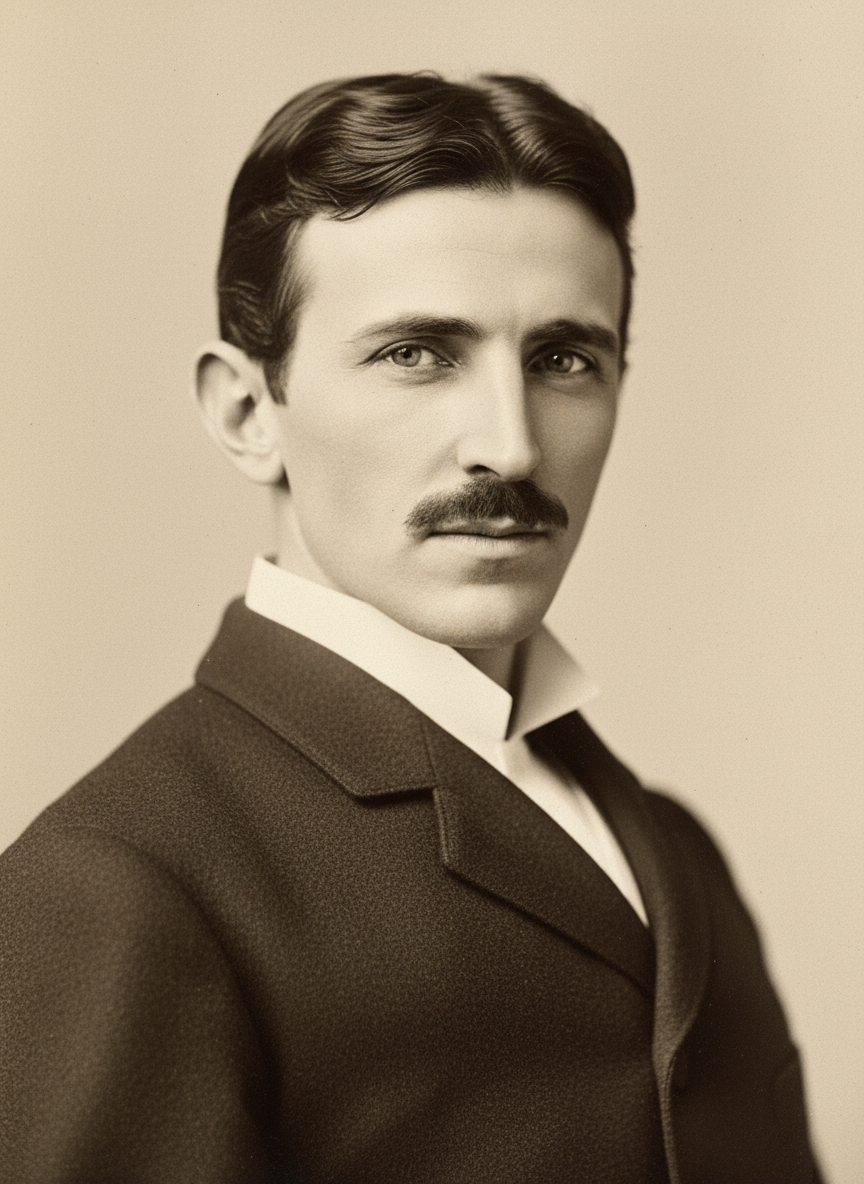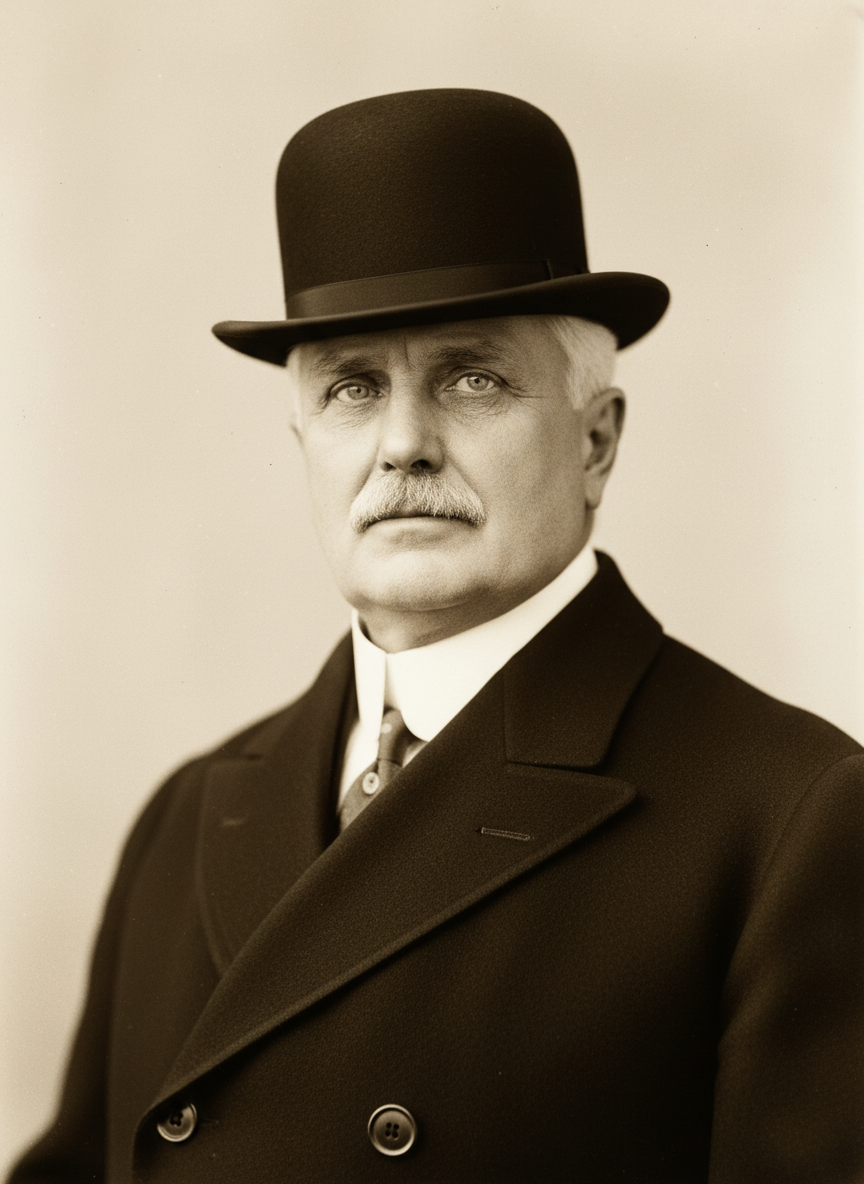
Frank Winfield Woolworth
Architect of the five-and-dime model who pioneered fixed-price merchandising, direct factory purchasing, and cash-and-carry retail.
Frank Winfield Woolworth transformed modern retail by developing the 'five-and-dime' store format, replacing merchant-driven haggling and credit with open self-service display cases, fixed pricing, and cash-only transactions. By eliminating wholesalers and leveraging aggregated chain purchasing power, he created the world's first global mass-merchandising chain, scaling to over 1,000 stores and self-funding the iconic Woolworth Building with cash.
Biography
Accomplishments
- 01Established the Lancaster, Pennsylvania store in June 1879, proving the unit economics of the fixed five-and-dime pricing model.
- 02Eliminated retail wholesale middlemen by sourcing directly from manufacturers, negotiating extreme volume discounts via guaranteed upfront cash payments.
- 03Pioneered self-selection merchandising by moving products from behind high counters onto open, eye-level display tables with clear, non-negotiable price tags.
- 04Formed the Woolworth Syndicate, an innovative decentralized alliance of regional retail operators that pooled buying volume decades before formal corporate consolidation.
- 05Executed the 1912 corporate merger consolidating 596 stores across six affiliated retail networks into a unified $65 million public corporation.
- 06Engineered the cash-only retail transaction model, which eliminated bad consumer debt, accounts receivable carrying costs, and collection overhead.
- 07Commissioned and fully cash-financed the $13.5 million Woolworth Building in New York City (1913), the world's tallest skyscraper at the time, without taking on debt.
Lessons for Operators
Key Takeaways
Practical lessons distilled for operators, investors, C-levels, and capital allocators.
Reverse-Engineered Unit Costing
Woolworth did not determine prices via cost-plus margin formulas. He established fixed consumer price ceilings (5 and 10 cents) and used scale orders to force manufacturers to re-engineer their production methods to hit his target acquisition costs.
Disintermediation as Competitive Moat
By bypassing distributors and jobbers, Woolworth captured the wholesale spread for himself. He shared a portion of these savings with consumers via lower prices while retaining superior margins relative to local dry-goods merchants.
Zero-Credit Working Capital Architecture
Operating strictly cash-and-carry insulated the company from retail credit losses and eliminated the administrative overhead of customer ledgers, enabling rapid reinvestment of working capital into new store openings.
Visual Merchandising as Labor Substitution
Open display counters with clear pricing turned stores into self-service environments, reducing the required expertise and headcount of retail clerks and lowering unit-level operating expense ratios.
Cash Discipline and Balance Sheet Sovereignty
Woolworth maintained extreme operational liquidity. Funding the $13.5 million Woolworth Building entirely out of cash reserves proved that disciplined, high-velocity cash-flow generation could fund massive capital projects without dilution or leverage.
Frameworks & Principles
Named frameworks and strategic principles they popularized or embodied.
Target-Price Backward Integration
A sourcing and product design methodology where the retail price is treated as a hard constraint rather than a variable. The firm works directly with Tier-1 manufacturers to strip unneeded packaging, optimize raw materials, and guarantee volume commitments to achieve target gross margins at fixed consumer price points.
When to useApply when entering commoditized or fragmented retail markets where consumer price elasticity is high and incumbents rely on traditional cost-plus pricing through multi-layered distribution tiers.
Consortium Purchasing Pre-Merger Model
A strategic expansion framework where independent or semi-autonomous operators coordinate procurement through a centralized buyer. Members retain operational equity and regional autonomy while scaling purchasing power to match dominant incumbents, laying the operational groundwork for an eventual corporate consolidation.
When to useUse when expanding capital-constrained multi-unit operations, retail networks, or healthcare rollups where rapid purchasing scale is required without taking on early corporate debt or equity dilution.
Sources & Further Reading
Profiles, interviews, podcasts, and articles used to compile and verify this entry. Each link opens at the original publisher.
Explore Related Titans
Other figures in the archive who share Frank Winfield Woolworth's domain, geography, or era.
More in Technology




From United States




Contemporaries — 19th century