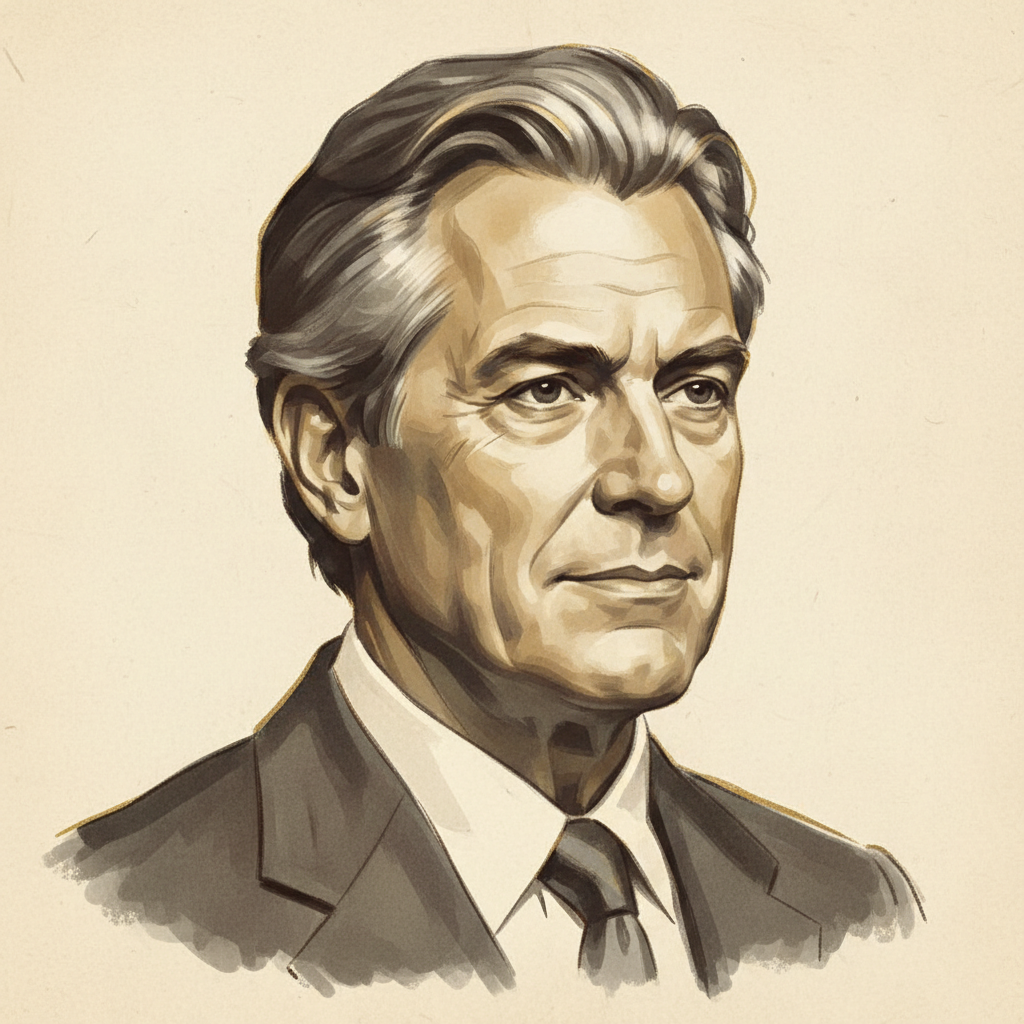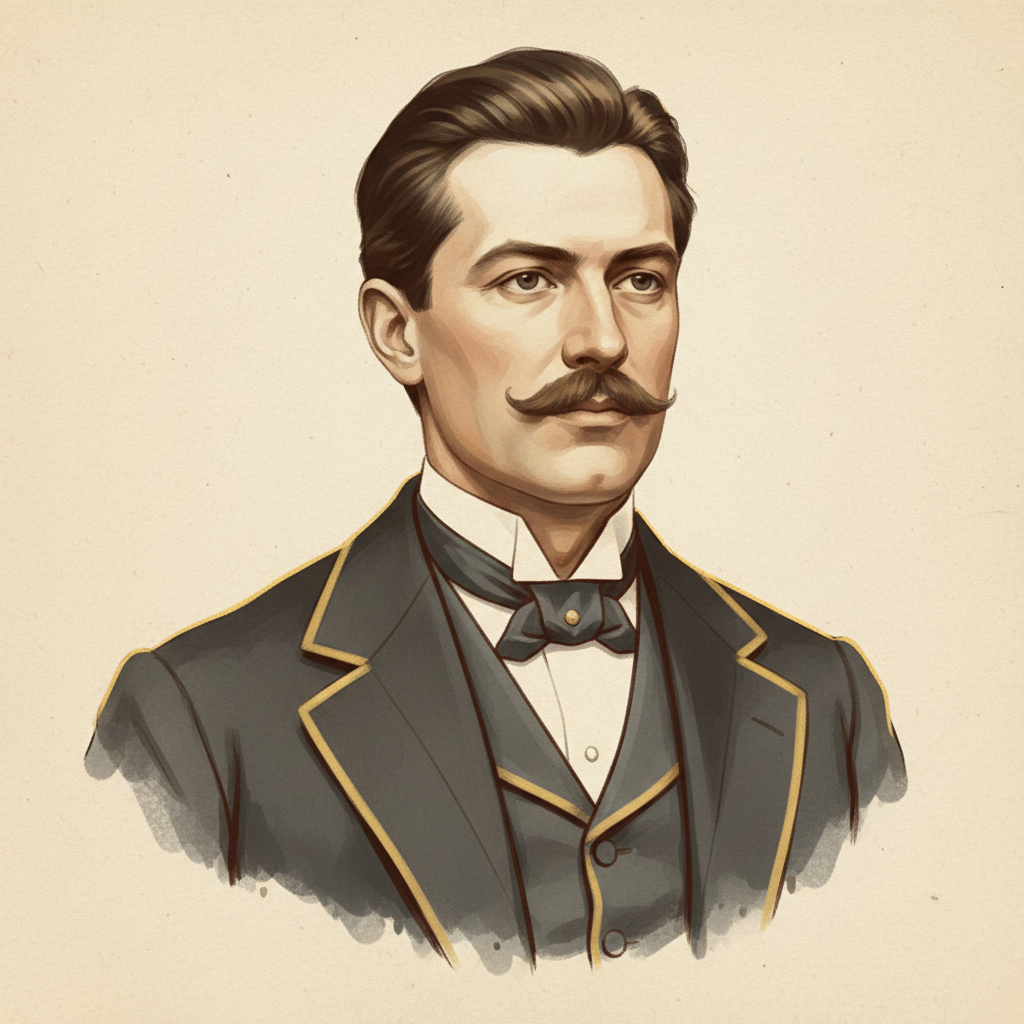
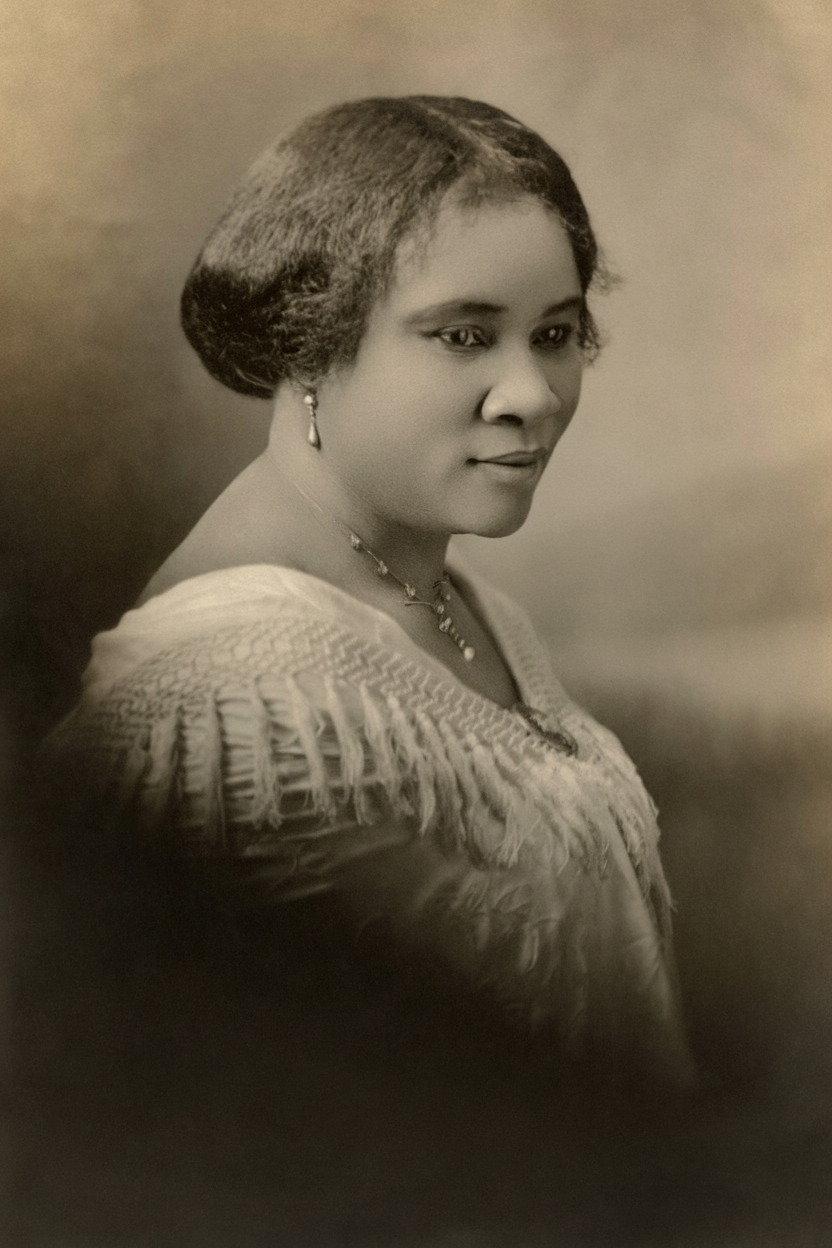
Portrait of Chester Barnard
Historical Mind · 1886 — 1961

Chester Barnard

Pioneering corporate executive and theorist who redefined organizational authority as cooperative consensus.

Country
United States
Continent
North America
Industry
Telecommunications & Management Theory
Role
Corporate Executive & Management Theorist

Chester Barnard was an American telecommunications executive who served as president of New Jersey Bell Telephone Company and authored 'The Functions of the Executive' (1938), fundamentally reshaping modern organizational theory by defining corporations as cooperative systems driven by communication and the acceptance of authority.

Biography

Chester Irving Barnard was born on November 7, 1886, in Malden, Massachusetts. After studying economics at Harvard University from 1906 to 1909 on a scholarship without taking a formal degree due to a missing science credit, he entered the American Telephone and Telegraph Company (AT&T) statistical department in 1909. Barnard quickly rose through the Bell System ranks, demonstrating an exceptional grasp of commercial operations, regulatory alignment, and organizational architecture. In 1927, at age forty-one, he was appointed the first president of New Jersey Bell Telephone Company, navigating the enterprise through the Great Depression, aggressive union movements, and state regulatory friction while preserving workforce productivity and operational integrity. Drawing directly on his operational experience at AT&T, Barnard delivered the Lowell Institute lectures in Boston in 1937, which culminated in his seminal 1938 work, 'The Functions of the Executive'. The text revolutionized organizational thinking by rejecting classical command-and-control doctrines in favor of viewing the firm as a dynamic, cooperative human system. Beyond telecommunications, Barnard deployed his administrative acumen in public service, organizing and directing the United Service Organizations (USO) during World War II from 1942 to 1945, co-authoring the pivotal Acheson-Lilienthal Report on atomic energy international control in 1946, serving as president of the Rockefeller Foundation (1948–1952), and chairing the National Science Board (1952–1954). He died in New York City on June 7, 1961, leaving an intellectual legacy that directly influenced Herbert Simon, modern behavioral economics, and contemporary organizational governance.

Accomplishments

  • 01Served as the inaugural president of New Jersey Bell Telephone Company from 1927 to 1948, maintaining operational continuity and fiscal stability during the Great Depression.
  • 02Published 'The Functions of the Executive' in 1938 with Harvard University Press, establishing the foundational modern behavioral theory of enterprise management and formal authority.
  • 03Directed the United Service Organizations (USO) as national president from 1942 to 1945, coordinating millions of volunteers across global wartime operations.
  • 04Co-authored the 1946 Acheson-Lilienthal Report, which established early United States diplomatic and operational policy framework regarding the international control of atomic energy.
  • 05Presided over the Rockefeller Foundation from 1948 to 1952, deploying institutional capital into global public health and early agricultural Green Revolution research initiatives.

Lessons for Operators

Authority in organizations flows upward from subordinates who choose to accept executive directives, not downward purely by hierarchical decree.
A leader's primary structural responsibility is to build, preserve, and refine the enterprise communication architecture rather than execute operational micro-decisions.
Sustainable executive tenure requires establishing an equilibrium between individual incentives and corporate contributions to prevent talent and morale attrition.
Formal organizational charts fail without parallel cultivation and monitoring of the informal social networks that actually drive execution.
Corporate moral code and executive character set the parameters of what an enterprise can realistically execute over long operational cycles.
The Operator's Playbook

Key Takeaways

Practical lessons distilled for operators, investors, C-levels, and capital allocators.

Lesson 01

Acceptance Theory of Authority

Legitimacy exists only when the recipient comprehends the directive, believes it aligns with company purpose, sees it as compatible with personal interest, and possesses mental and physical ability to comply.

Lesson 02

The Zone of Indifference

Executives possess operational leverage only within orders that subordinates accept without conscious question; broadening this zone requires institutional trust rather than punitive policy.

Lesson 03

Economy of Incentives

Financial compensation alone is insufficient for sustained alignment; enterprises must offer non-material incentives including distinction, desirable working conditions, and shared pride in purpose.

Lesson 04

Communication Network Integrity

Executive orders are effective only if communication channels are established, widely known, accessible to all personnel, and staffed by competent and authenticated line leaders.

Mental Models

Frameworks & Principles

Named frameworks and strategic principles they popularized or embodied.

01

Acceptance Theory of Authority

A four-part gatekeeper framework determining whether a managerial directive will be executed: (1) intelligibility to the subordinate, (2) consistency with organizational purpose, (3) alignment with individual interest, and (4) operational feasibility for the actor.

When to useUse when rolling out enterprise transformations, operational restructuring, or mandate-driven initiatives where frontline resistance threatens execution.

02

Incentive-Contribution Equilibrium

An organizational solvency model calculating whether total enterprise inducements (pecuniary, social, prestige, mission alignment) exceed the burdens (labor, opportunity cost, compliance) required of participants.

When to useUse during executive compensation design, retention audits, post-merger cultural integrations, and corporate restructurings to diagnose and stop critical talent turnover.

03

Informal Organization Interdependence

A structural audit methodology that evaluates how informal personal contacts, unwritten social norms, and shadow networks either lubricate or distort the formal corporate hierarchy.

When to useUse when formal governance processes stall, bottlenecks emerge despite clear org charts, or onboarding new executive leadership into legacy institutional cultures.

Citations

Sources & Further Reading

Profiles, interviews, podcasts, and articles used to compile and verify this entry. Each link opens at the original publisher.

Adjacent Minds

Explore Related Titans

Other figures in the archive who share Chester Barnard's domain, geography, or era.

Technology

More in Technology

Browse all →
Portrait of Steve Jobs
USA / TECHNOLOGY
Steve Jobs
Co-founder of Apple Inc. and visionary credited with transforming multiple industries.
Portrait of Jeff Bezos
UNITED STATES / TECHNOLOGY, RETAIL, LOGISTICS, CLOUD COMPUTING, SPACE EXPLORATION
Jeff Bezos
Architect of Amazon, pioneer of e-commerce, and visionary across cloud computing, logistics, and space exploration.
Portrait of Elon Musk
SOUTH AFRICA / AEROSPACE, AUTOMOTIVE, ARTIFICIAL INTELLIGENCE, ENERGY, TELECOMMUNICATIONS
Elon Musk
Elon Reeve Musk: Visionary entrepreneur leading advancements in aerospace, automotive, and artificial intelligence.
Portrait of Jensen Huang
TAIWAN (NATURALIZED AMERICAN CITIZEN) / SEMICONDUCTORS, ARTIFICIAL INTELLIGENCE, COMPUTING
Jensen Huang
Co-founder, President, and CEO of NVIDIA, a pioneering force in graphics processing units (GPUs) and artificial intelligence.
Portrait of Satya Nadella
UNITED STATES / TECHNOLOGY
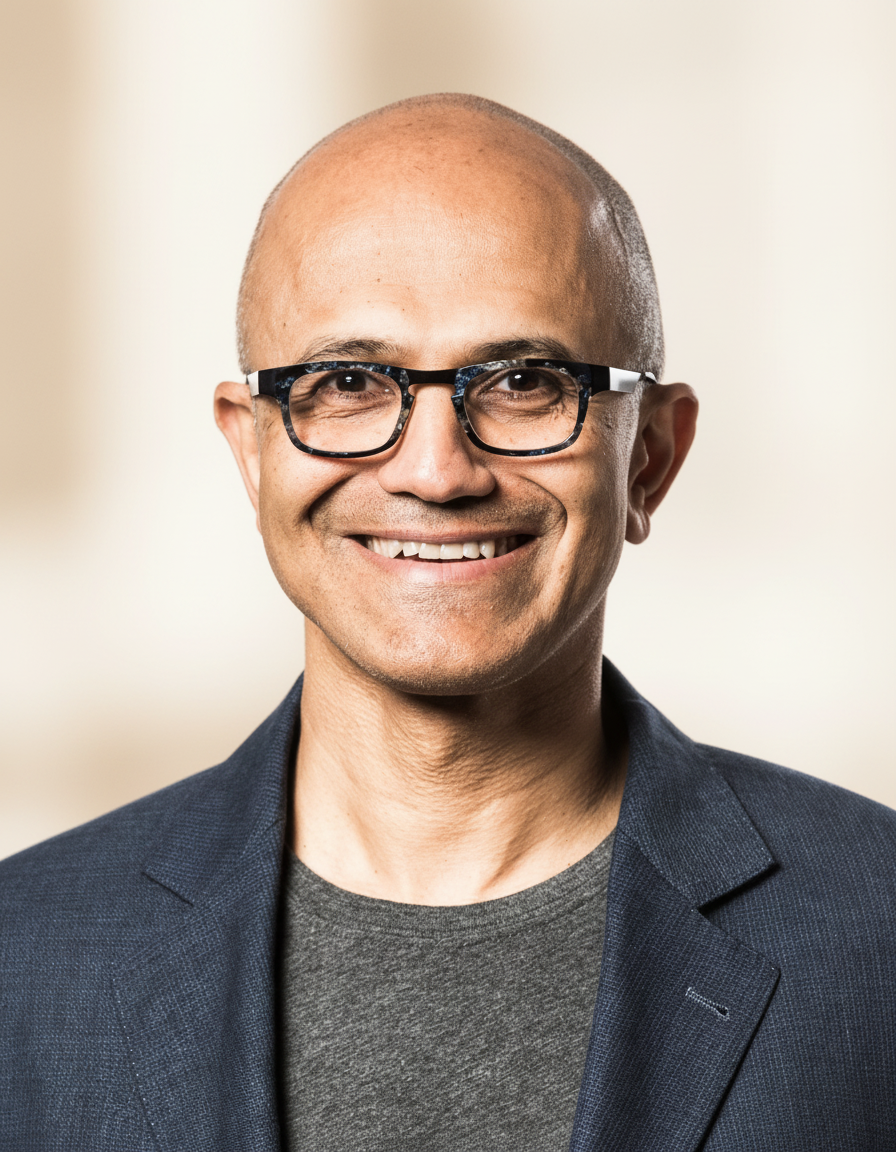
Satya Nadella
Architect of Microsoft's cloud-first, AI-driven renaissance, shifting culture and strategy to drive sustained growth and market leadership.
Portrait of Bill Gates
UNITED STATES / SOFTWARE, TECHNOLOGY, PHILANTHROPY
Bill Gates
Co-founder of Microsoft, architect of the personal computing revolution, and global philanthropist.
Portrait of Mark Cuban
UNITED STATES / TECHNOLOGY, MEDIA, SPORTS, HEALTHCARE
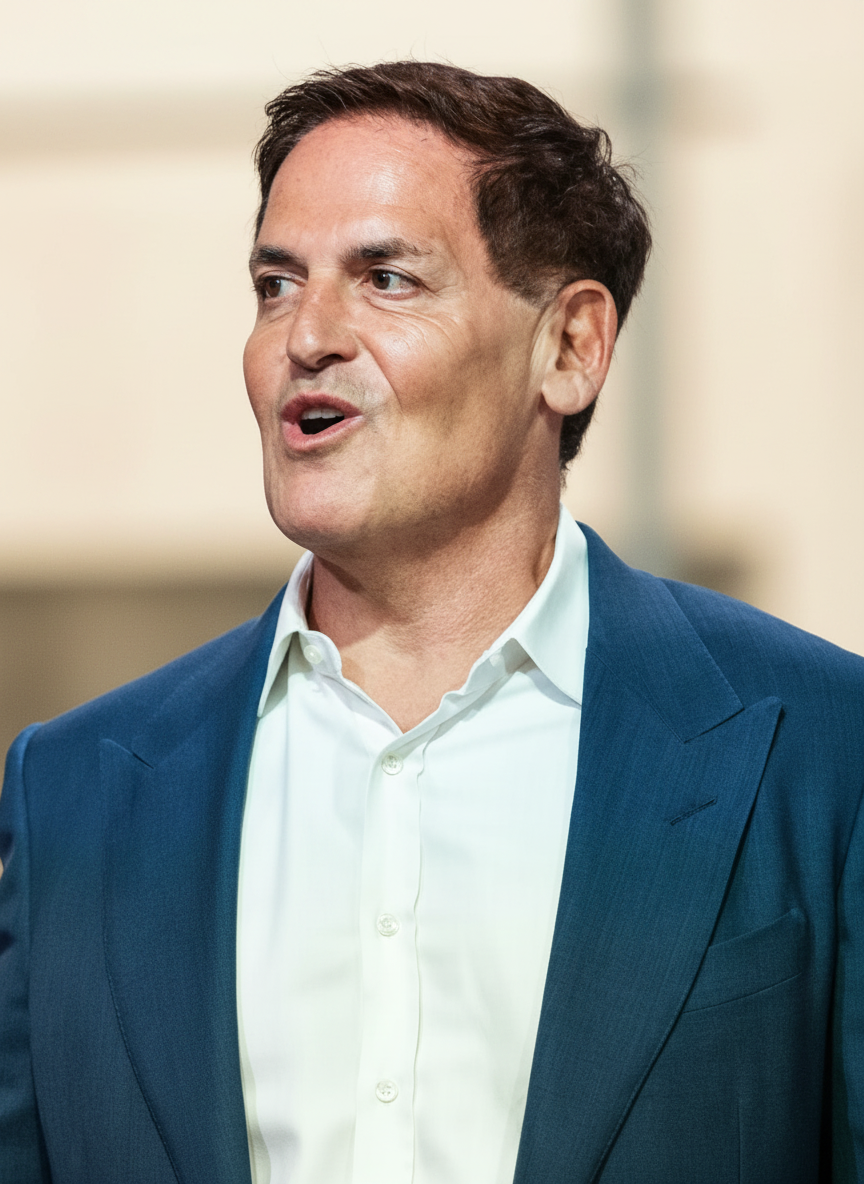
Mark Cuban
Mark Cuban: The Prolific Disrupter – From Software Startups to Sports Franchises and Pharmaceutical Innovation, Leveraging Technology and Direct-to-Consumer Models.
Portrait of Sam Walton
UNITED STATES / RETAIL
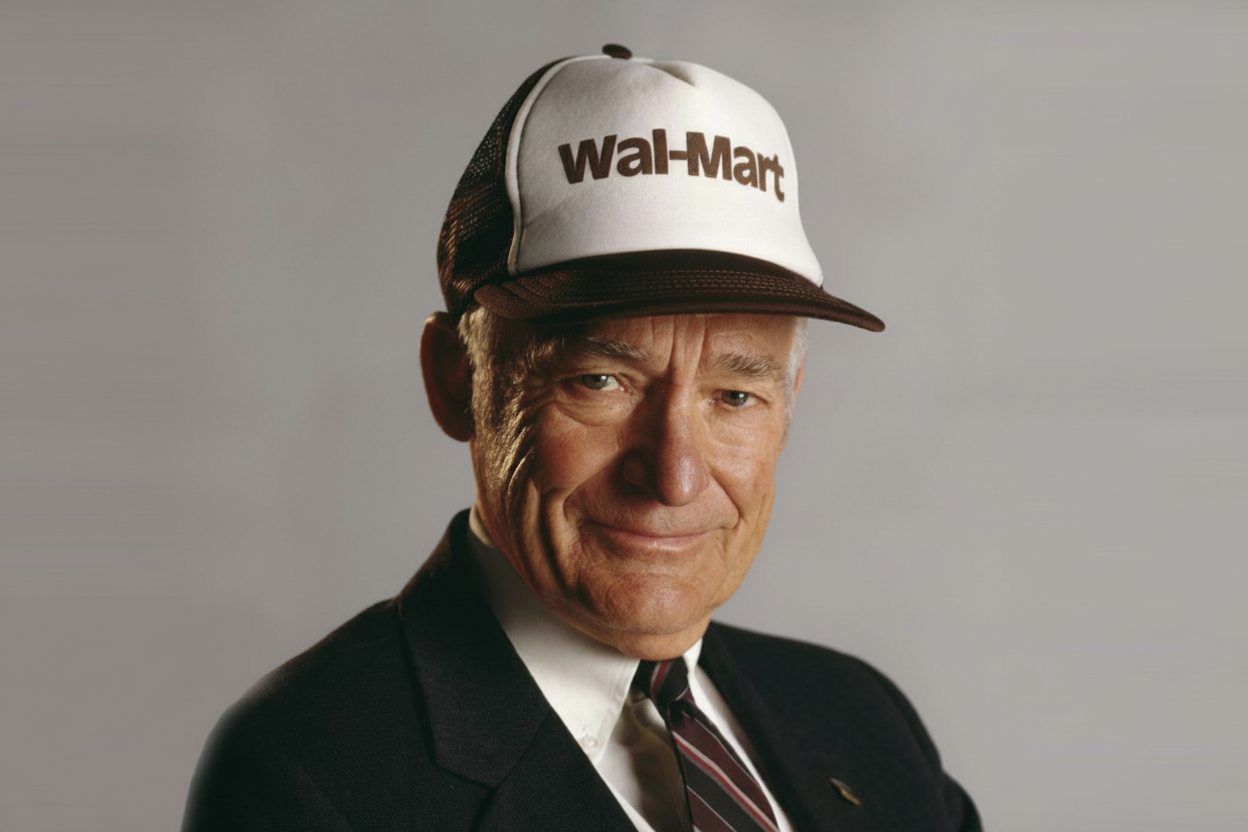
Sam Walton
The architect of modern retail, pioneering discount merchandising and logistical efficiency to establish the world's largest retail corporation.
Portrait of Jack Ma
CHINA / E-COMMERCE, TECHNOLOGY, FINANCE
Jack Ma
Co-founder of Alibaba Group, pioneering e-commerce and digital finance in China.
Portrait of Walt Disney
UNITED STATES / ENTERTAINMENT
Walt Disney
Co-founder of The Walt Disney Company, pioneering animation, theme parks, and diversified entertainment.
United States

From United States

Browse all →
Portrait of Andrew Carnegie
UNITED STATES / STEEL & MANUFACTURING
Andrew Carnegie
The architect of American steel supremacy and a pioneering industrialist whose innovations in cost control and vertical integration reshaped global manufacturing.
Portrait of Warren Buffett
UNITED STATES / INVESTING
Warren Buffett
The Oracle of Omaha: Architect of long-term value investing and compounding returns through disciplined acquisition and intrinsic value focus.
Portrait of Jeff Bezos
UNITED STATES / TECHNOLOGY, RETAIL, LOGISTICS, CLOUD COMPUTING, SPACE EXPLORATION
Jeff Bezos
Architect of Amazon, pioneer of e-commerce, and visionary across cloud computing, logistics, and space exploration.
Portrait of Satya Nadella
UNITED STATES / TECHNOLOGY
Satya Nadella
Architect of Microsoft's cloud-first, AI-driven renaissance, shifting culture and strategy to drive sustained growth and market leadership.
Portrait of Bill Gates
UNITED STATES / SOFTWARE, TECHNOLOGY, PHILANTHROPY
Bill Gates
Co-founder of Microsoft, architect of the personal computing revolution, and global philanthropist.
Portrait of Mark Cuban
UNITED STATES / TECHNOLOGY, MEDIA, SPORTS, HEALTHCARE
Mark Cuban
Mark Cuban: The Prolific Disrupter – From Software Startups to Sports Franchises and Pharmaceutical Innovation, Leveraging Technology and Direct-to-Consumer Models.
Portrait of Sam Walton
UNITED STATES / RETAIL
Sam Walton
The architect of modern retail, pioneering discount merchandising and logistical efficiency to establish the world's largest retail corporation.
Portrait of Mohnish Pabrai
UNITED STATES / FINANCIAL SERVICES
Mohnish Pabrai
Pioneer of asymmetric 'heads I win, tails I don't lose much' value investing and zero-management-fee partnership structures.
Portrait of Walt Disney
UNITED STATES / ENTERTAINMENT
Walt Disney
Co-founder of The Walt Disney Company, pioneering animation, theme parks, and diversified entertainment.
Portrait of Henry Ford
UNITED STATES / AUTOMOTIVE
Henry Ford
The architect of mass production, democratizing the automobile through efficiency and scale.
Same Era

Contemporaries — 19th century
Browse all →
Portrait of Andrew Carnegie
UNITED STATES / STEEL & MANUFACTURING
Andrew Carnegie
The architect of American steel supremacy and a pioneering industrialist whose innovations in cost control and vertical integration reshaped global manufacturing.
Portrait of Henry Ford
UNITED STATES / AUTOMOTIVE
Henry Ford
The architect of mass production, democratizing the automobile through efficiency and scale.
Portrait of Thomas Edison
UNITED STATES / INDUSTRIAL & ENERGY
Thomas Edison
The Prolific Inventor and Industrialist Who Electrified the World and Standardized Innovation.
Portrait of J. Pierpont Morgan
UNITED STATES / BANKING & FINANCE
J. Pierpont Morgan
The architect of American industrial capitalism and financial stability.
Portrait of John D. Rockefeller
UNITED STATES / OIL & ENERGY
John D. Rockefeller
Architect of Standard Oil: Pioneering Vertical and Horizontal Integration in the Petroleum Industry.
Portrait of Konosuke Matsushita
JAPAN / CONSUMER ELECTRONICS
Konosuke Matsushita
The Founder of Panasonic, pioneered mass-market electronics and the 'management philosophy' approach to business.
Portrait of Coco Chanel
FRANCE / FASHION & LUXURY
Coco Chanel
The architect of modern female fashion, transforming haute couture into an empire of timeless style and aspirational luxury.
Portrait of Madam C.J. Walker
UNITED STATES / BEAUTY & COSMETICS
Madam C.J. Walker
America's First Self-Made Woman Millionaire, Founder of a Global Haircare and Cosmetics Empire.
Portrait of Henry J. Heinz
UNITED STATES / FOOD & BEVERAGE
Henry J. Heinz
Henry J. Heinz: The pioneer of branded foods, meticulous quality, and innovative marketing, transforming the food industry from local bulk sales to a trusted global enterprise.
Portrait of Nikola Tesla
SERBIA / ELECTRICAL ENGINEERING, ENERGY, TELECOMMUNICATIONS
Nikola Tesla
Nikola Tesla: The visionary engineer whose innovations in alternating current laid the foundation for modern electrical power systems, driving the second industrial revolution.