Bill Ford
Fourth-generation leader of Ford Motor Company, advocating for sustainability and balancing legacy with innovation.
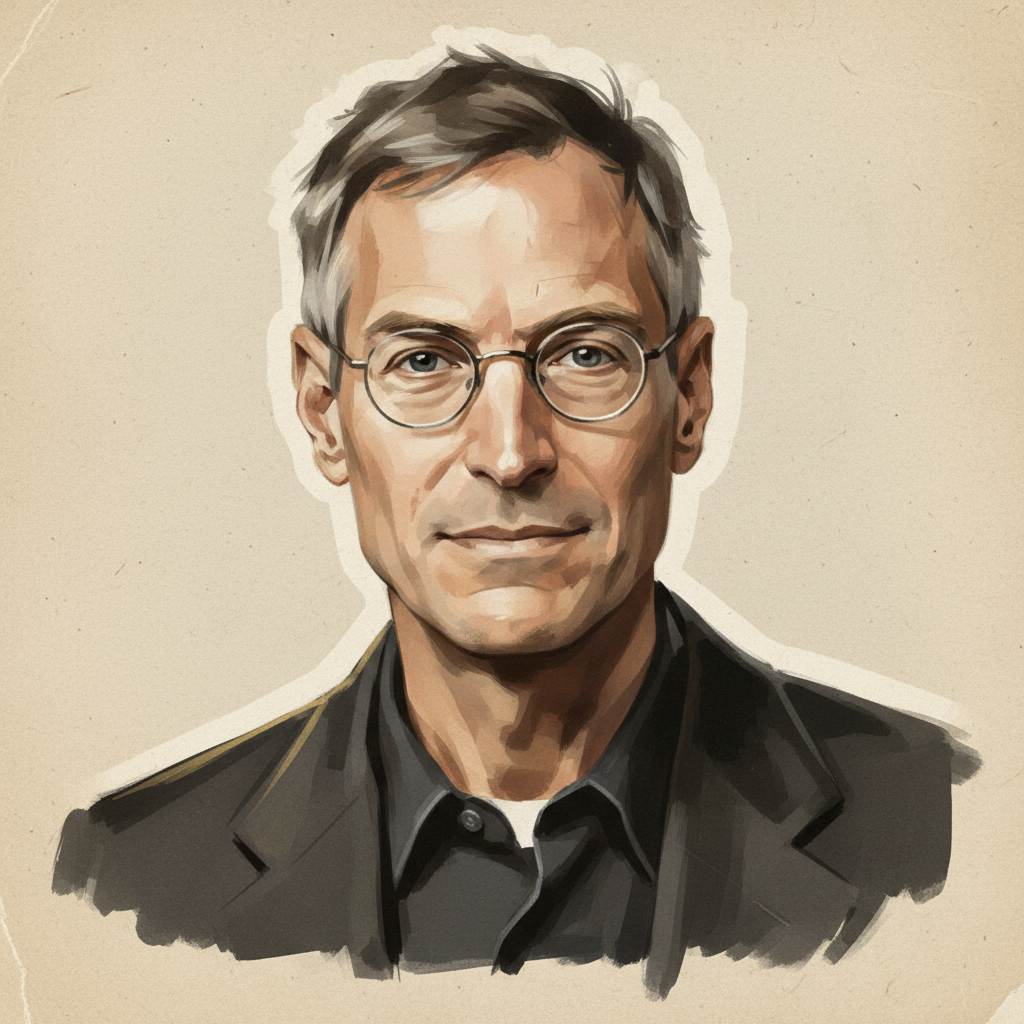
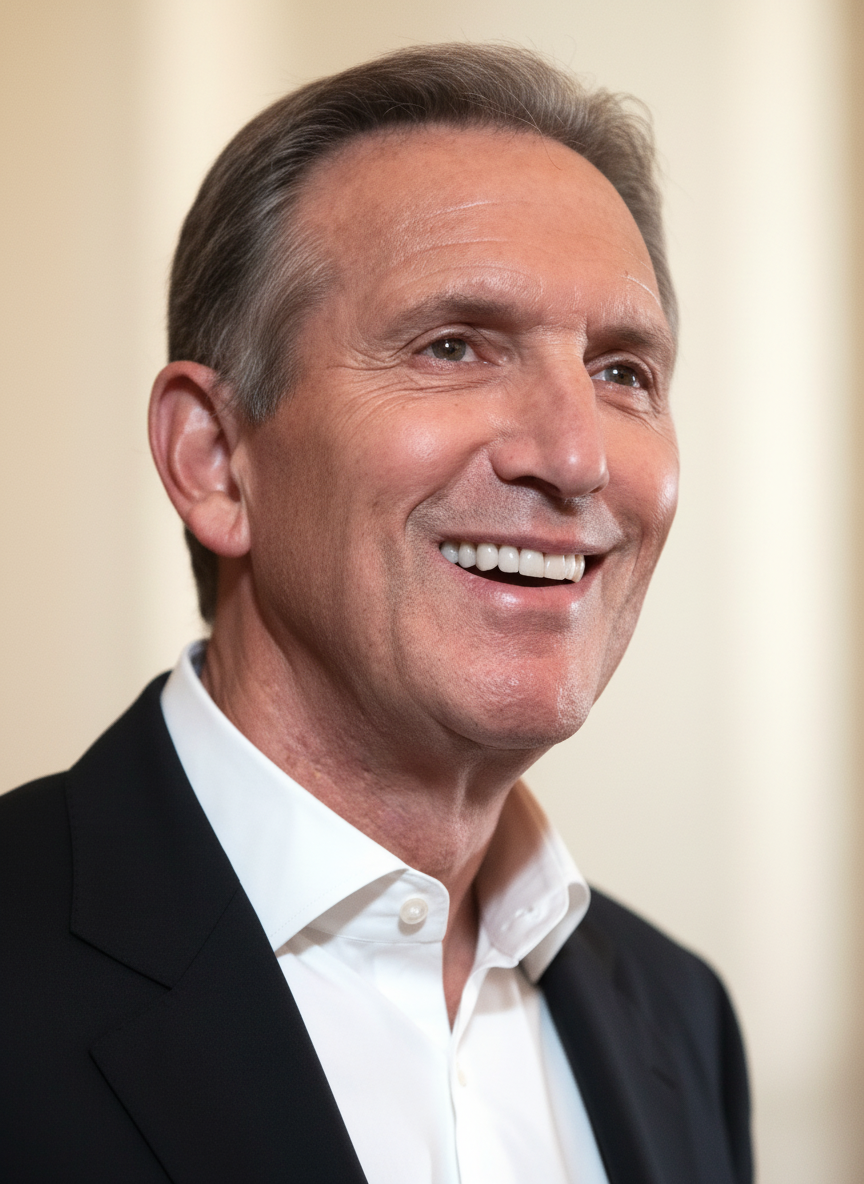
William Clay Ford Jr., known as Bill Ford, is the executive chairman of Ford Motor Company since 1999. The great-grandson of company founder Henry Ford, he joined the board in 1988 and served as CEO from 2001 to 2006. He is also the vice chair of the Detroit Lions NFL franchise and chair of the United States-Mexico Chamber of Commerce.
Biography
Accomplishments
- 01Appointed CEO of Ford Motor Company in 2001, navigating the company through the post-9/11 economic downturn.
- 02Led Ford's strategic shift towards environmental sustainability, introducing hybrid vehicles and advocating for fuel efficiency early in the 21st century.
- 03Recruited Alan Mulally as CEO in 2006, a critical leadership decision that played a significant role in Ford's avoidance of government bailout during the 2008 financial crisis.
- 04Successfully maintained family control and influence over Ford Motor Company as Executive Chairman since 1999, preserving its foundational legacy.
- 05Oversaw the expansion of Ford's global production capabilities and market penetration, particularly in emerging economies.
- 06Initiated the 'Way Forward' restructuring plan in 2006 to address declining market share and profitability before the global financial crisis.
Lessons for Operators
Key Takeaways
Practical lessons distilled for operators, investors, C-levels, and capital allocators.
Strategic Leadership vs. Operational Management
Bill Ford's transition from CEO to Executive Chairman illustrates the distinct values of strategic oversight versus day-to-day operational leadership. Leaders should recognize their optimal contributions and structure their roles accordingly.
Early Advocate for Sustainability
His consistent push for environmental initiatives, even when unpopular or costly, demonstrates the long-term value of anticipating market and regulatory shifts, positioning companies for future competitive advantage.
The Power of External Talent
The strategic recruitment of Alan Mulally highlighted that sometimes the best solutions come from outside the traditional corporate structure, emphasizing the importance of fresh perspectives in turnaround situations.
Legacy Management
Navigating a family-controlled enterprise requires a delicate balance of honoring heritage while pushing for necessary modernizations and change. Ford's tenure exemplifies managing this complex dynamic.
Resilience in Crisis
Leading during periods of significant economic uncertainty (post-9/11, pre-2008 crisis) demonstrates the importance of decisive, albeit sometimes difficult, leadership choices to ensure long-term corporate survival.
Frameworks & Principles
Named frameworks and strategic principles they popularized or embodied.
Generational Stewardship Model
This framework examines the dynamics of leadership within multi-generational family businesses, focusing on balancing legacy, innovation, and long-term sustainability while addressing potential conflicts of interest.
When to useApplicable for family enterprises undergoing leadership transitions, assessing internal and external leadership recruitment strategies, and managing brand identity tied to historical lineage.
Transition to Sustainable Business (TSB)
A paradigm for integrating environmental, social, and governance (ESG) factors into core business strategy, product development, and operational processes, often requiring significant initial investment for long-term gain.
When to useUtilize when evaluating investments in green technologies, assessing corporate social responsibility programs, or planning a strategic pivot towards more sustainable business models.
Turnaround Leadership Principles
This framework focuses on the critical decisions, organizational restructuring, and leadership styles necessary to revive underperforming companies, often involving decisive changes in management and strategy.
When to useRelevant for fund managers assessing distressed assets, C-levels implementing radical change, or investors evaluating management teams in challenging industries.
Recent Appearances
Latest interviews, keynotes, and press from the past half year.
 youtube.com
 youtube.com
 youtube.com
 youtube.com
 youtube.com
 youtube.com
 youtube.com
 youtube.com
 youtube.com
 youtube.com
 youtube.com
 youtube.com
 youtube.com
 youtube.com
 youtube.com
 youtube.com
 youtube.com
 youtube.com
 youtube.com
 youtube.com
 youtube.com
 youtube.com
 youtube.com
 youtube.com
 youtube.com
 youtube.com
 youtube.com
 youtube.com
 youtube.com
 youtube.com
 youtube.com
 youtube.com
 youtube.com
 youtube.com
 youtube.com
 youtube.com
 youtube.com
 youtube.com
 youtube.com
 youtube.com
 youtube.com
 youtube.com
 youtube.com
 youtube.com
 youtube.com
 youtube.com
 youtube.comm.youtube.com
 youtube.com
 youtube.com
 youtube.com
 youtube.com
 youtube.com
 youtube.com
 youtube.com
 youtube.com
 youtube.com
 youtube.com
 youtube.com
 youtube.com
 youtube.com
 youtube.com
 youtube.com
 youtube.com
 youtube.com
 youtube.com
 youtube.com
 youtube.com
 youtube.com
 youtube.com
 youtube.com
 m.youtube.com
 youtube.com
 youtube.com
 youtube.com
 youtube.com
 youtube.com
 youtube.com
 youtube.com
 youtube.com
 youtube.com
 youtube.com
 youtube.com
 youtube.com
 youtube.com
 youtube.com
 youtube.com
 youtube.com
 youtube.com
 youtube.com
 youtube.com
 youtube.com
 youtube.com
 m.youtube.com
 youtube.comyoutube.com
 youtube.com
 youtube.com
 youtube.com
 youtube.com
 youtube.com
 youtube.com
 youtube.com
 youtube.com
 youtube.com
 youtube.com
 youtube.com
 youtube.com
 youtube.com
 youtube.com
 youtube.com
 youtube.com
Sources & Further Reading
Profiles, interviews, podcasts, and articles used to compile and verify this entry. Each link opens at the original publisher.
Explore Related Titans
Other figures in the archive who share Bill Ford's domain, geography, or era.
More in Transportation & Logistics




From United States

Contemporaries — born 1950s