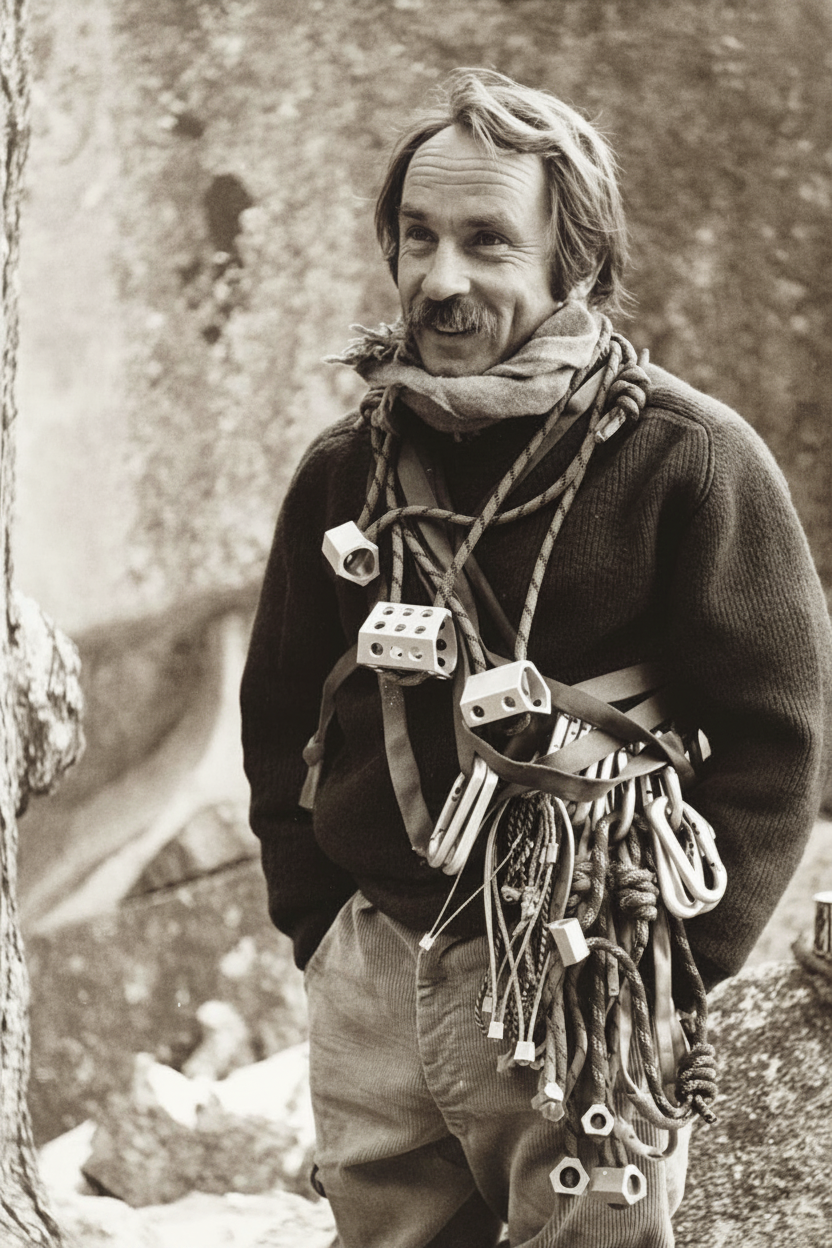
Yvon Chouinard
Founder of Patagonia, pioneer of sustainable business practices, and innovator in outdoor equipment and apparel.
Yvon Chouinard is an American rock climber, environmentalist, and businessman. He founded Patagonia, Inc., a company renowned for its commitment to environmental stewardship, high-quality outdoor apparel, and unconventional business practices. Chouinard's entrepreneurial journey began with hand-forging climbing pitons, evolving into a global brand that consistently challenges traditional corporate paradigms.
Biography
Accomplishments
- 01Founded Chouinard Equipment in 1957, revolutionizing climbing hardware with durable and innovative pitons.
- 02Pivoted Chouinard Equipment in the late 1960s to produce 'clean climbing' gear (aluminum chocks), mitigating environmental damage caused by previous products.
- 03Established Patagonia, Inc. in 1973, growing it into a globally recognized brand synonymous with quality and environmental responsibility.
- 04Co-founded 1% for the Planet in 2002, a non-profit organization encouraging businesses to donate 1% of annual sales to environmental causes.
- 05Successfully transitioned Patagonia to use 100% organic cotton for all its cotton products by 1996, setting an industry standard.
- 06Transferred ownership of Patagonia in 2022 to the Patagonia Purpose Trust and the Holdfast Collective, dedicating all future profits to environmental conservation and climate action, valued at roughly $3 billion.
Lessons for Operators
Key Takeaways
Practical lessons distilled for operators, investors, C-levels, and capital allocators.
Mission-Driven Capital Allocation
Investors and allocators should evaluate companies not just on financial metrics, but on their ingrained purpose. Chouinard's Patagonia proves that deeply embedded environmental and social missions can foster long-term resilience, brand equity, and ultimately, sustainable returns. The 2022 ownership transfer is a prime example of structuring capital for perpetual mission alignment.
Product-Led Environmentalism
Operators should view environmental responsibility not as a cost center, but as an integral part of product development and innovation. Chouinard's pivot to 'clean climbing' gear and Patagonia's organic cotton initiative demonstrate that designing for minimal impact and maximum durability can differentiate a brand and create market leadership.
Holistic Supply Chain Stewardship
C-levels must scrutinize their entire supply chain for ethical and environmental performance. Patagonia's efforts, from material sourcing (organic cotton) to promoting repair over replacement, highlight the opportunity to build a truly responsible and resilient supply chain that mitigates risk and enhances brand reputation.
Succession Planning for Values
Enterprise leaders should consider innovative succession planning that safeguards core values, especially for founder-led businesses. Chouinard's decision to irrevocably direct all future profits to environmental causes offers a radical yet actionable model for ensuring a company's ethos outlives its founders, preventing mission drift after leadership changes or private equity acquisitions.
The Premium for Purpose
Consumers and talent are increasingly willing to pay a premium for, and work for, companies with genuine purpose. Patagonia's market success, despite higher pricing often associated with its ethical sourcing and manufacturing, underscores the financial viability of a purpose-driven brand strategy. This creates opportunities for companies that authentically embed social and environmental good.
Frameworks & Principles
Named frameworks and strategic principles they popularized or embodied.
The 'Clean Climbing' Paradigm Shift
A business model innovation where a company actively disrupts its own profitable product line to introduce a more environmentally benign, albeit initially risky, alternative. This framework emphasizes proactive environmental stewardship as a driver of product evolution and market differentiation.
When to useApplicable when a company's core products are identified as having significant negative environmental impacts. It encourages R&D and strategic pivots toward sustainable alternatives, even if it means cannibalizing existing revenue streams, to maintain long-term brand integrity and leadership.
1% for the Planet Model
A commitment framework where businesses pledge to donate 1% of their annual gross sales to approved environmental non-profits. This is not based on profit but on top-line revenue, ensuring consistent support regardless of profitability fluctuations.
When to useIdeal for companies looking to formalize their commitment to environmental giving and demonstrate a clear, quantifiable contribution. It establishes a verifiable standard for corporate philanthropy and can enhance brand reputation and employee engagement.
Mission-Driven Ownership Structure (Patagonia Model)
An unprecedented ownership model where a company's equity is transferred to a trust and a non-profit collective, ensuring that all profits not reinvested in the business are used exclusively for environmental protection and climate action, permanently securing the company's mission.
When to useRelevant for founders and long-term owners of mission-driven businesses who seek to ensure their company's core purpose endures in perpetuity, free from the pressures of external shareholders or traditional M&A scenarios. It's a radical solution for securing a legacy of impact.
Sources & Further Reading
Profiles, interviews, podcasts, and articles used to compile and verify this entry. Each link opens at the original publisher.
Explore Related Titans
Other figures in the archive who share Yvon Chouinard's domain, geography, or era.
More in Technology


From United States

Contemporaries — born 1930s