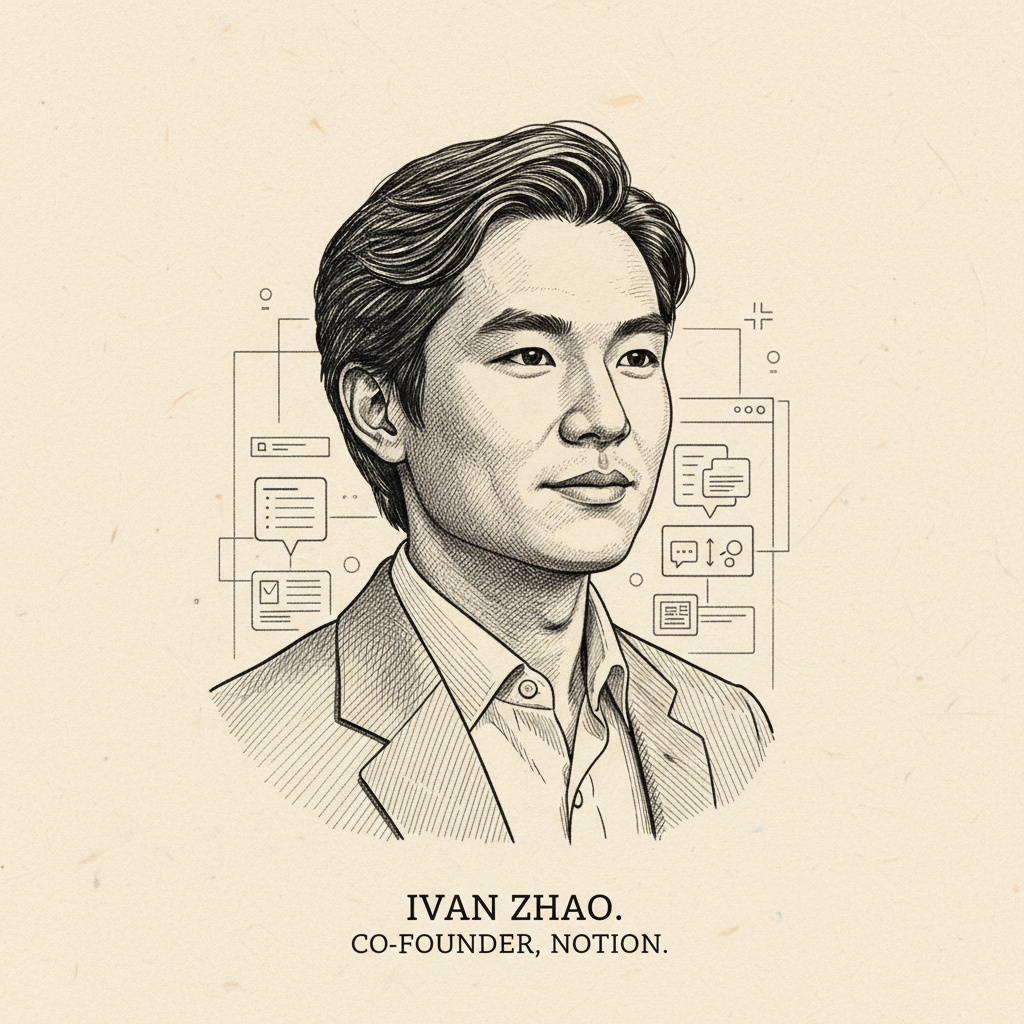
RJ Scaringe
Founder and CEO of Rivian, pioneering electric adventure vehicles and sustainable mobility solutions.
Robert Joseph Scaringe is an American engineer and businessman who is the founder and chief executive officer (CEO) of electric vehicle manufacturer Rivian and Mind Robotics.
Biography
Accomplishments
- 01Founded Rivian in 2009, growing it into a publicly traded electric vehicle manufacturer.
- 02Led Rivian's successful development and market launch of the R1T electric pickup truck and R1S electric SUV, both highly acclaimed for performance and utility.
- 03Secured a landmark order for 100,000 electric delivery vans (EDVs) from Amazon, a critical commercial validation and revenue driver.
- 04Pioneered Rivian's 'skateboard' platform, a modular EV architecture designed for flexibility and efficient production across different vehicle types.
- 05Raised billions in venture capital and led Rivian's IPO in November 2021, one of the largest in history.
- 06Established a clear brand identity for Rivian centered on 'adventure' and sustainability, differentiating it in the EV market.
Lessons for Operators
Key Takeaways
Practical lessons distilled for operators, investors, C-levels, and capital allocators.
Market Niche Identification
Scaringe's pivot to electric trucks and SUVs for adventure/utility purposes demonstrates the value of identifying and targeting underserved, high-potential market segments rather than directly competing in saturated ones.
Strategic Capital & Partnerships
Securing investments and large commercial orders from strategic partners like Amazon not only provides vital capital but also validates the product and manufacturing capabilities, accelerating market entry and scaling.
Proprietary Platform Development
Investing heavily in a proprietary, flexible 'skateboard' platform allows for cost efficiencies, rapid iteration, and scalability across multiple vehicle types, creating a competitive moat in hardware-intensive industries.
Brand Building & Vision
A clear, consistent brand narrative focused on specific values (e.g., adventure, sustainability) can cultivate a loyal customer base and differentiate a company in a crowded market, even pre-product launch.
Long-Term Commitment to Innovation
Bringing a novel automotive company from concept to mass production requires over a decade of sustained investment, R&D, and resilience, emphasizing that transformational ventures are not short-term plays.
Frameworks & Principles
Named frameworks and strategic principles they popularized or embodied.
Niche Market Strategy (NMS)
Focusing resources on a specific, often underserved, segment of a larger market where competition is less intense or existing solutions are inadequate. This allows for specialized product development and targeted marketing.
When to useWhen entering a crowded industry, identifying high-growth but overlooked customer segments, or when resources are limited and cannot compete directly with incumbents across broad markets.
Platform Business Model
Developing a core technological infrastructure (like Rivian's 'skateboard' chassis) that can be leveraged to create multiple distinct products or services, fostering economies of scale and scope.
When to useWhen a common underlying technology can serve diverse product applications, or to efficiently introduce new product variants without recreating fundamental components.
Anchor Customer Strategy
Securing a large, influential customer or partner early in a company's lifecycle to provide significant revenue, credibility, and operational feedback, thereby de-risking the venture and attracting further investment.
When to useWhen a startup needs substantial initial revenue, market validation, or access to distribution channels, particularly in B2B or capital-intensive industries.
Sources & Further Reading
Profiles, interviews, podcasts, and articles used to compile and verify this entry. Each link opens at the original publisher.
Explore Related Titans
Other figures in the archive who share RJ Scaringe's domain, geography, or era.
More in Transportation & Logistics







From United States







Contemporaries — born 1980s