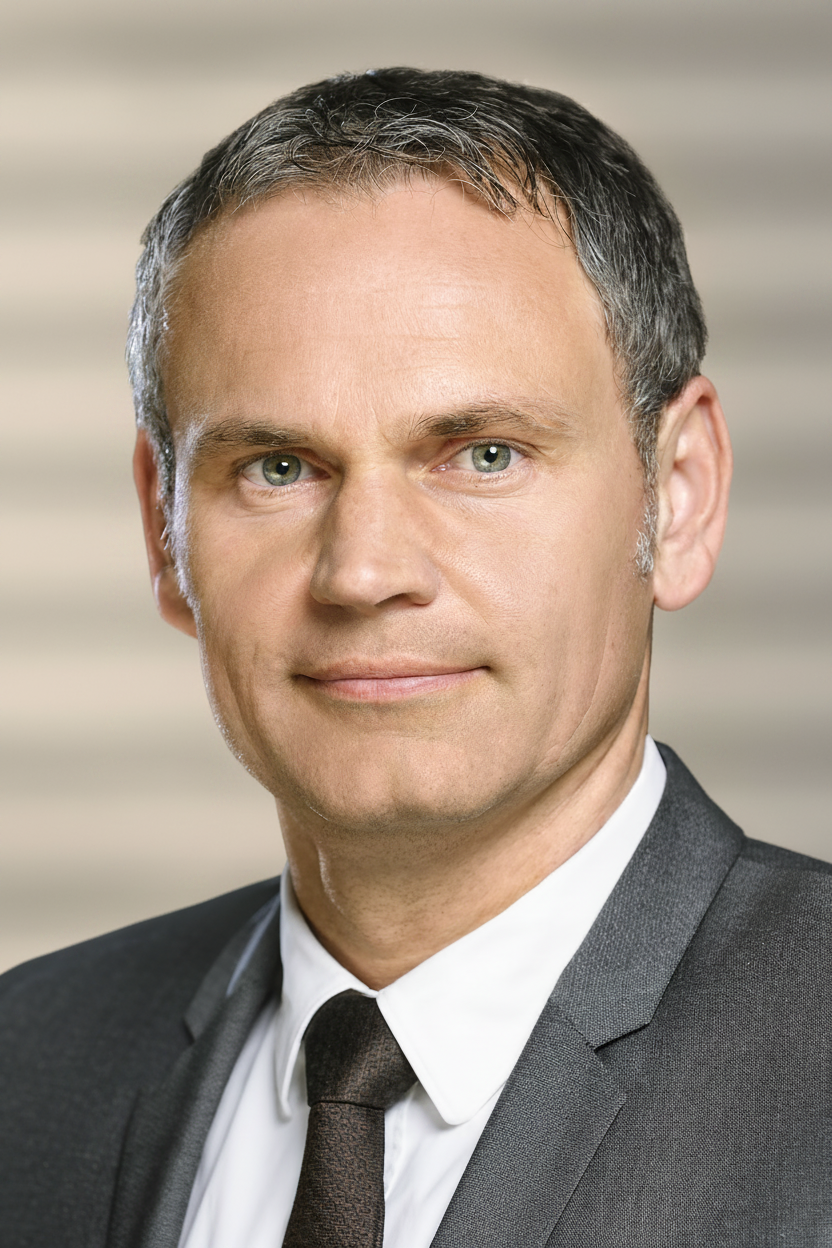
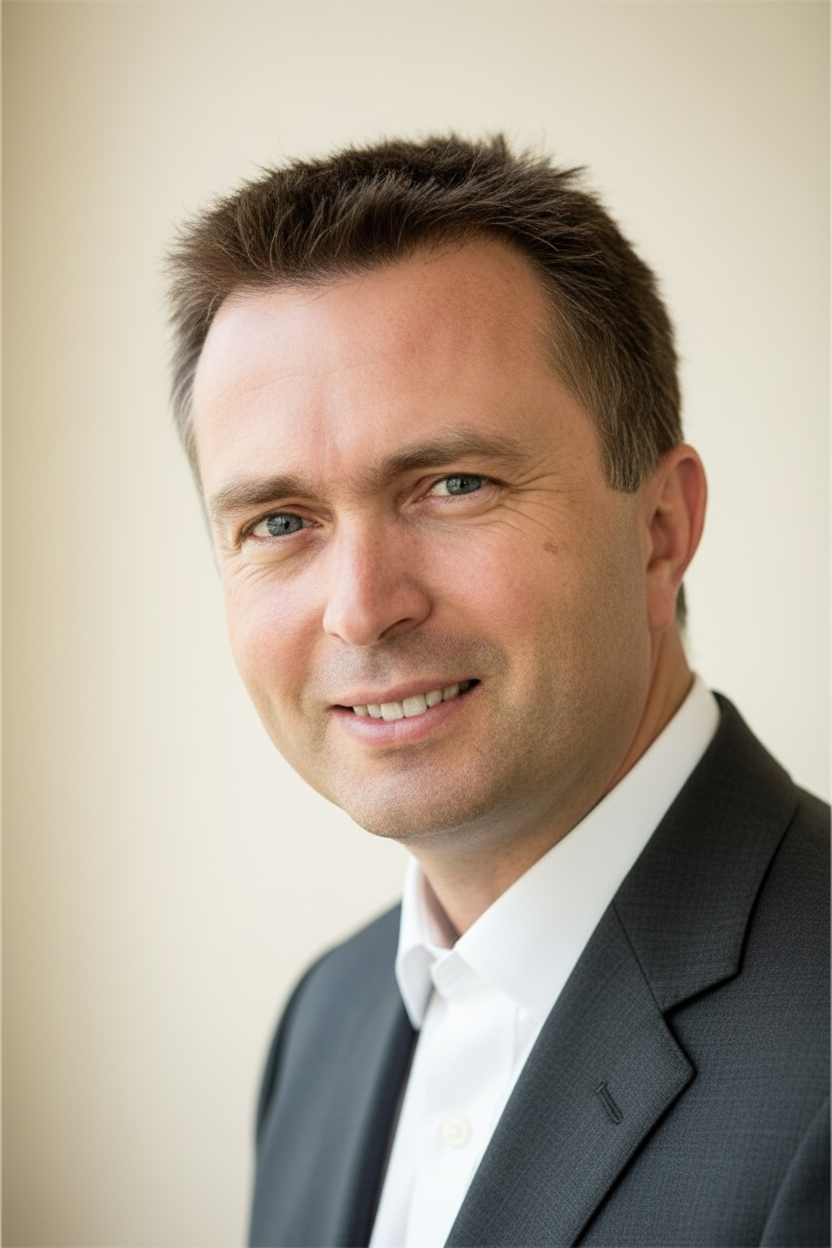
Oliver Blume
Oliver Blume: Architect of Porsche's IPO and Volkswagen Group's electric transformation.
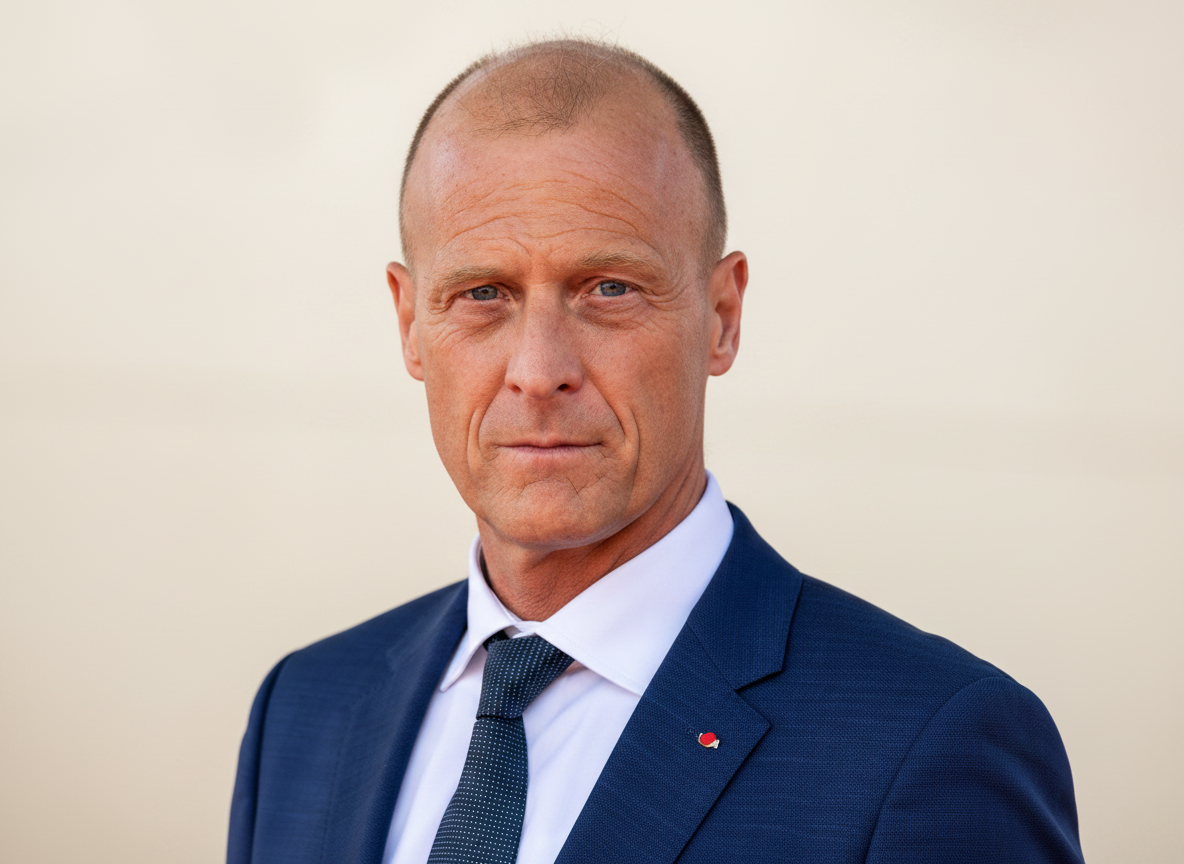
Oliver Blume is a German business executive, holding dual roles as CEO of Volkswagen Group and Porsche AG since September 2022. He previously served as CEO of Porsche AG from 2015, leading its successful electrification strategy and orchestrating its initial public offering (IPO) in 2022, securing a prominent valuation for the sports car manufacturer.
Biography
Accomplishments
- 01Successfully led Porsche AG as CEO from 2015 to 2022, driving substantial growth and brand repositioning.
- 02Orchestrated the highly anticipated and successful Initial Public Offering (IPO) of Porsche AG in September 2022, achieving a valuation exceeding €75 billion.
- 03Initiated and accelerated Porsche's electrification strategy, exemplified by the successful launch and market acceptance of the Porsche Taycan.
- 04Took on the dual CEO role at Volkswagen Group and Porsche AG, demonstrating high-level strategic influence across two major automotive entities.
- 05Implemented a robust sustainability agenda at Porsche, committing to a net carbon-neutral balance sheet across the value chain by 2030.
- 06Navigated Porsche through challenging industry transitions, maintaining profitability and market leadership in luxury sports cars amidst global supply chain disruptions and technological shifts.
Lessons for Operators
Key Takeaways
Practical lessons distilled for operators, investors, C-levels, and capital allocators.
Dual Role, Dual Vision
Blume's simultaneous leadership of Volkswagen Group and Porsche AG exemplifies the challenge and opportunity of managing portfolio brands towards a unified future (e.g., electrification, software) while safeguarding individual brand identity and market positioning. This requires exceptional strategic bandwidth and effective delegation.
IPO as Strategic Enabler
The Porsche IPO wasn't just a financial event; it was a strategic move to secure funding for electrification, enhance brand independence, and unlock value. It underscores that non-traditional financing and organizational structures can accelerate transformational agendas.
Electrification as a Growth Lever
Under Blume, Porsche pivoted aggressively into electric vehicles with the Taycan, proving that electrified models can maintain and even enhance performance luxury brands. This shows electrification is not solely a compliance exercise but a significant growth and innovation opportunity.
Sustainability is Core to Value Creation
Blume's commitment to making Porsche carbon-neutral by 2030 highlights that sustainability targets are increasingly intertwined with corporate value, investor attractiveness, and brand reputation in the modern economy. It's no longer just optics but fundamental business strategy.
Navigating Conglomerate Complexity
His trajectory within the VW Group, from specialized roles to leading both a premium brand and the entire group, emphasizes the importance of a deep, multi-faceted understanding of large, diversified industrial organizations to drive fundamental change effectively.
Frameworks & Principles
Named frameworks and strategic principles they popularized or embodied.
Portfolio Re-evaluation & Value Unlocking
Assessing existing business units within a larger conglomerate for their potential to operate more autonomously, attract external capital, and fund their specific growth trajectories. This mirrors the strategic decision behind the Porsche AG IPO.
When to useWhen a large corporation has mature, high-value subsidiaries that could benefit from greater operational independence and dedicated capital to pursue market-specific growth strategies (e.g., tech transition, geographic expansion) without burdening the parent company's balance sheet.
Dual Transformation Strategy (Core & New)
Simultaneously optimizing the existing core business (e.g., refining ICE vehicles while managing profitability) and aggressively investing in new, transformative areas (e.g., electric platforms, software-defined vehicles). Blume manages both Porsche's established luxury sector and its electric future, and VW Group's comprehensive transition.
When to useApplicable for any established enterprise facing significant technological disruption. It requires balancing legacy system optimization with bold, often capital-intensive, investments in future capabilities to avoid disruption while pursuing new growth vectors.
Sources & Further Reading
Profiles, interviews, podcasts, and articles used to compile and verify this entry. Each link opens at the original publisher.
Explore Related Titans
Other figures in the archive who share Oliver Blume's domain, geography, or era.
More in Transportation & Logistics





From Germany

Contemporaries — born 1960s