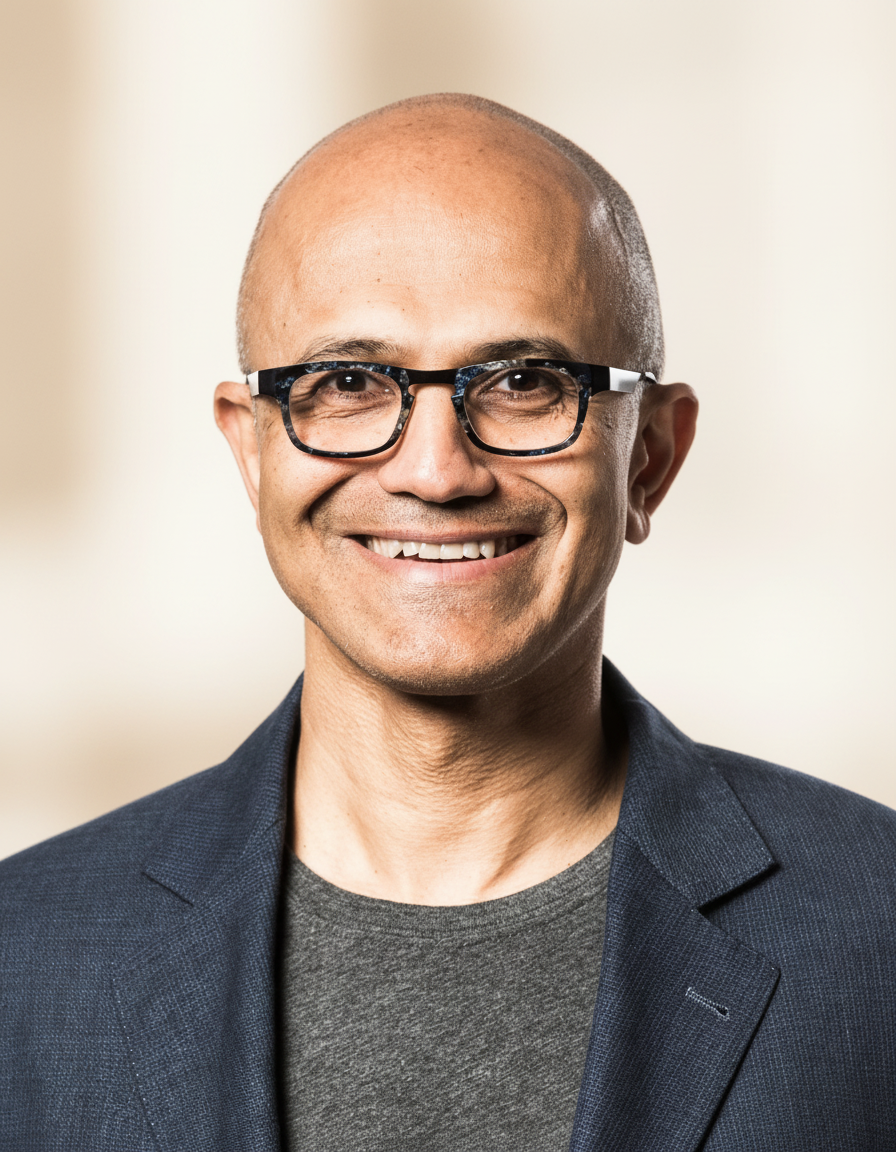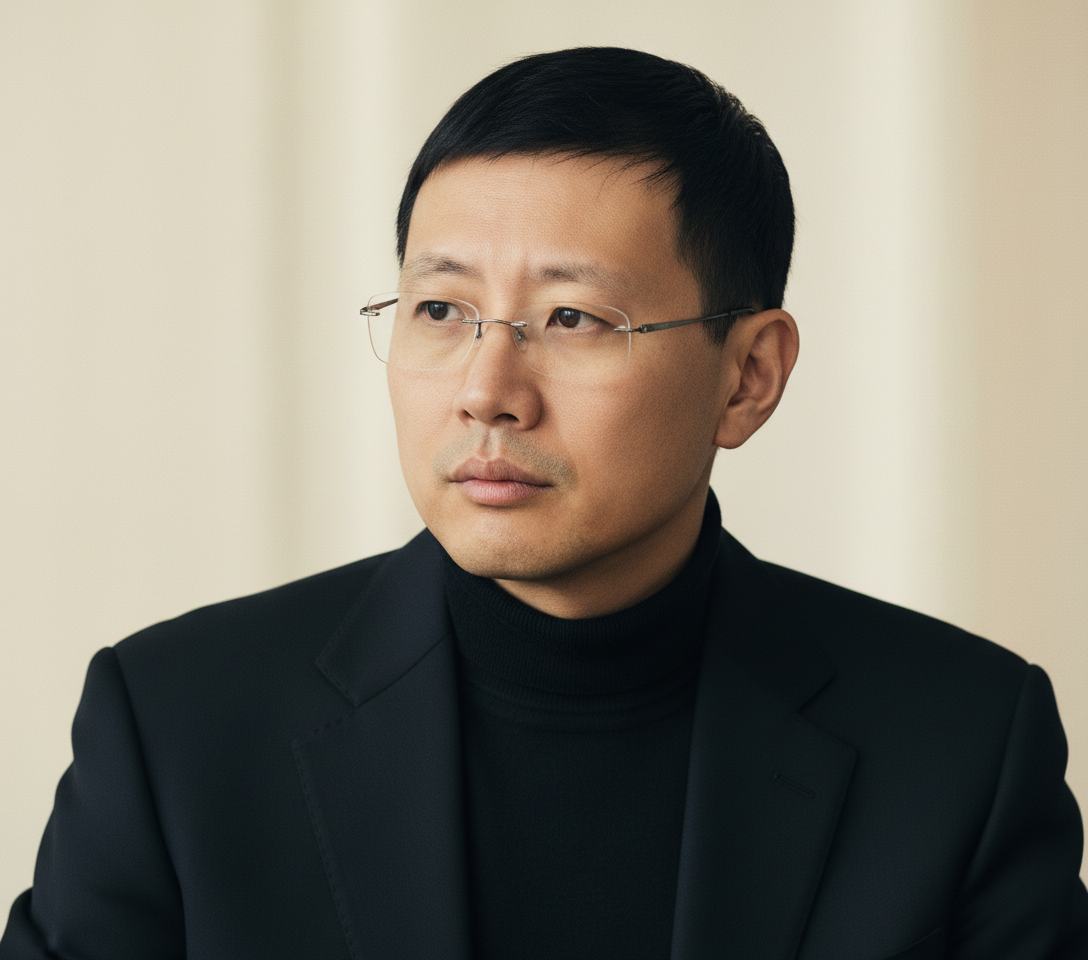
Neil Shen
The 'King of Venture Capital' in China, Neil Shen founded Sequoia China, transforming venture capital in the region through strategic investments in foundational internet and technology companies.
Neil Shen is the founding managing partner of Sequoia China, a leading venture capital firm. He is widely recognized for his instrumental role in establishing Sequoia Capital's presence in China and for his strategic investments in some of the country's most successful technology companies, including Alibaba, JD.com, Meituan, Pinduoduo, and ByteDance. Before Sequoia, Shen co-founded Ctrip.com International Ltd. and Homeinns Hotel Group, both becoming publicly traded companies.
Biography
Accomplishments
- 01Founded Sequoia China in 2005, building it into one of the most successful and influential venture capital firms in Asia, with AUM exceeding $50 billion.
- 02Led early-stage investments in cornerstone Chinese tech companies including Alibaba, JD.com, Meituan, Pinduoduo, ByteDance (TikTok's parent), and Didi Chuxing, many of which achieved multi-billion dollar valuations and successful IPOs.
- 03Co-founded Ctrip.com International Ltd. in 1999, which became China's largest online travel agency and listed on NASDAQ (TCOM) in 2003, demonstrating his entrepreneurial success prior to VC.
- 04Co-founded Homeinns Hotel Group in 2002, a successful budget hotel chain that also listed on NASDAQ (HMIN, later acquired) in 2006, further solidifying his track record as a serial entrepreneur.
- 05Recognized consistently by Forbes as a top investor, ranking #1 on the Midas List multiple times (e.g., 2018, 2019, 2020), underscoring his unparalleled success in venture capital.
- 06Successfully adapted Sequoia Capital's renowned global investment strategy to the unique dynamics of the Chinese market, demonstrating cultural and market adaptability.
Lessons for Operators
Key Takeaways
Practical lessons distilled for operators, investors, C-levels, and capital allocators.
Founder's Insight as Investor's Edge
Shen's prior successes as a founder (Ctrip, Homeinns) granted him an invaluable perspective on operational realities, market entry, and scaling. For investors, this suggests that direct entrepreneurial experience or access to a network of seasoned founders can enhance deal evaluation and post-investment support. For founders, understand that investors with this background can be more empathetic and strategic partners.
Strategic Market Localization
His ability to adapt a Western VC playbook to the complex, rapidly evolving, and uniquely regulated Chinese market was paramount. For any business expanding or investing internationally, this highlights the necessity of deeply understanding local dynamics beyond superficial market analysis. A 'one-size-fits-all' approach rarely works for sustained success.
The Power of Ecosystem Investing
Sequoia China's portfolio isn't just a collection of companies; it's an ecosystem. Investing in companies that can mutually benefit or serve interconnected consumer needs (e.g., e-commerce, payments, logistics, content) creates synergistic value. Operators should consider how their product or service fits into a broader ecosystem and leverage partnerships with complementary businesses.
Pre-emptive and Long-term Bet Taking
Shen consistently invested early in companies that became market leaders, often when their potential was not fully evident to others (e.g., ByteDance). This requires strong foresight, a high tolerance for risk, and a willingness to provide patient capital. For investors, develop conviction in nascent trends. For operators, articulate your long-term vision clearly to attract this type of capital.
Scaling People and Culture
Building Sequoia China into a dominant firm wasn't just about capital deployment but also about assembling and retaining a top-tier investment team. The firm's success is also attributed to its ethos of supporting founders. Leaders should prioritize talent acquisition, development, and fostering a supportive culture for both internal teams and portfolio companies.
Frameworks & Principles
Named frameworks and strategic principles they popularized or embodied.
Local Market Adaptation Model
This framework involves analyzing the specific cultural, regulatory, competitive, and consumer behavioral aspects of a local market and tailoring a global strategy accordingly. It emphasizes local hiring, localized product development, and understanding nuanced market entry points.
When to useWhen a global company or investment firm is entering or expanding into a new, distinct geographical market. Ensures strategies are culturally sensitive and operationally feasible.
Ecosystem Synergies Investment Playbook
A strategy focused on investing in or building a portfolio of companies that benefit from and enhance each other's value. This involves identifying complementary businesses within a sector or across interrelated sectors, creating a network effect for growth.
When to useApplicable for venture capitalists building a diverse portfolio, or for corporations seeking strategic acquisitions/partnerships to expand their market footprint and create integrated service offerings.
Founder-First Due Diligence
Beyond traditional financial and market analysis, this framework heavily emphasizes the quality, resilience, vision, and execution capabilities of the founding team. It involves in-depth interviews, reference checks, and assessing the founder's ability to attract and motivate talent.
When to usePrimarily used by early-stage investors (VCs, angel investors) where the team's ability to execute is often more critical than present-day financial metrics. Also useful for corporate strategic partnerships to gauge alignment.
Sources & Further Reading
Profiles, interviews, podcasts, and articles used to compile and verify this entry. Each link opens at the original publisher.
Explore Related Titans
Other figures in the archive who share Neil Shen's domain, geography, or era.
More in Finance & Investing










From China






Contemporaries — born 1960s