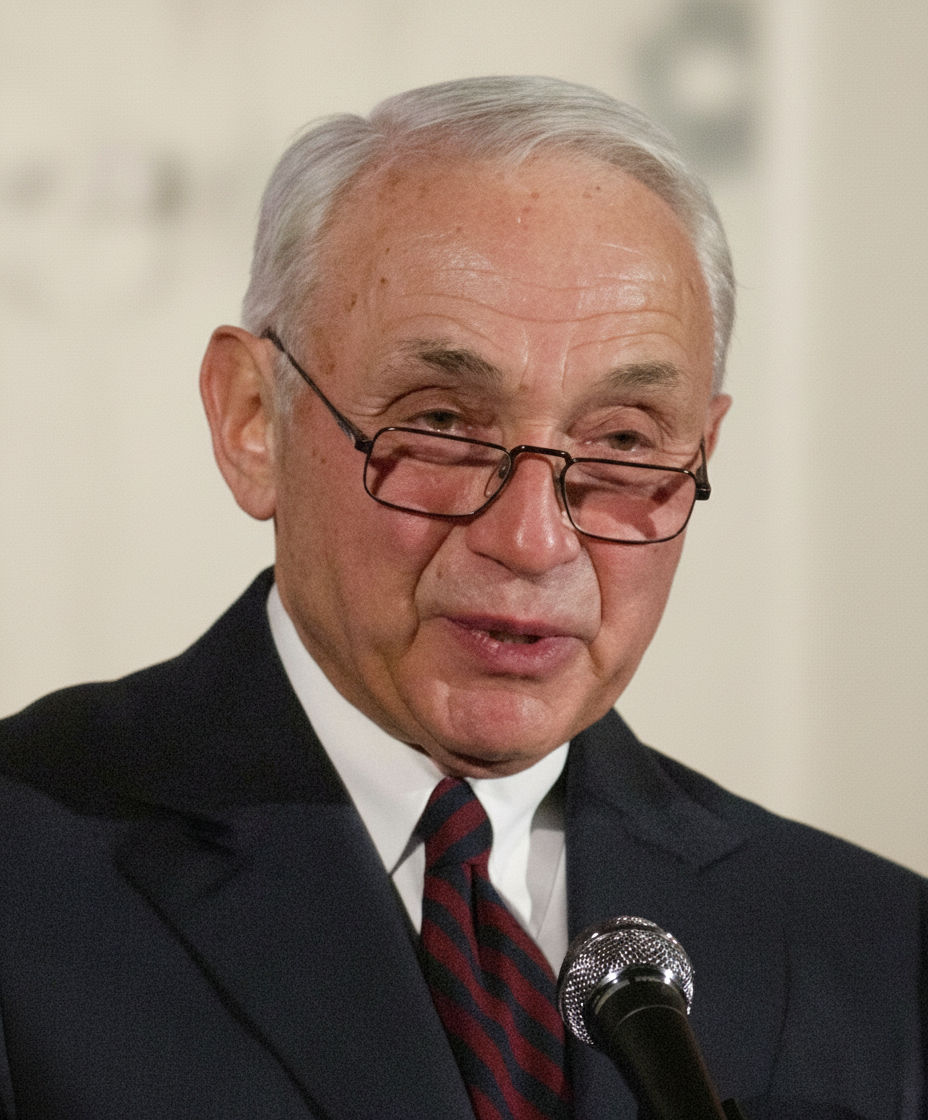
Leslie Wexner
The visionary founder who built L Brands into a retail empire, redefining women's apparel and intimates through category disruption and brand acquisition.
Leslie Wexner is an American billionaire businessman who founded L Brands (formerly The Limited Inc.) in 1963. He built a retail conglomerate known for its innovative specialty store formats and strategic brand acquisitions, including Express, Victoria's Secret, Bath & Body Works, and Abercrombie & Fitch, fundamentally changing how women's fashion was retailed in the United States.
Biography
Accomplishments
- 01Founded The Limited in 1963, pioneering the 'specialty store' concept focused on a narrow but deep assortment of merchandise, directly challenging traditional department store models.
- 02Acquired Victoria's Secret in 1982 for $1 million and transformed it from a struggling mail-order business into a globally recognized aspirational lifestyle brand with thousands of stores and billions in annual sales.
- 03Successfully launched and scaled Bath & Body Works in 1990, creating a dominant force in the personal care and home fragrance market.
- 04Built L Brands into a multi-billion dollar conglomerate through both organic growth and strategic acquisitions/spinoffs, including Express, Henri Bendel, Lane Bryant, and the repositioning and subsequent spinoff of Abercrombie & Fitch.
- 05Developed a highly efficient supply chain and operational infrastructure, enabling rapid inventory turnover and responsiveness to fashion trends.
- 06Mentored and developed an entire generation of retail executives, many of whom went on to lead other major retail companies.
Lessons for Operators
Key Takeaways
Practical lessons distilled for operators, investors, C-levels, and capital allocators.
Category Disruption
Wexner's innovation wasn't inventing a new product, but a new retail format (the specialty store) that optimized for specific consumer behaviors, outmaneuvering broad-line department stores. This lesson applies to identifying unmet needs within existing markets.
Value Creation through Reimagination
The acquisition of Victoria's Secret at a low valuation and its subsequent transformation into a market leader illustrates that significant value can be created by reimagining an existing brand's product, positioning, and customer experience. Look for undervalued assets with latent potential.
The Power of Brand Building
Wexner understood that strong retail brands transcend mere merchandise. He invested heavily in brand identity, marketing, and the in-store experience, turning stores into destinations. This is crucial for differentiated consumer offerings.
Operational Excellence as a Foundation
Behind the glamorous brands was a highly efficient operational engine. Wexner prioritized robust supply chain management, inventory control, and store operations, which provided the necessary profitability and scalability for his ambitious growth plans.
Strategic Portfolio Management
Wexner's willingness to acquire, grow, and then divest or spin off brands (e.g., Abercrombie & Fitch, Express) demonstrates a disciplined approach to portfolio management. This allows capital reallocation and focus on high-growth or high-margin segments.
Frameworks & Principles
Named frameworks and strategic principles they popularized or embodied.
Specialty Retail Model
Focusing on a narrow product category with deep assortment and strong brand identity to serve a specific customer segment better than general merchandisers. This allowed for optimized inventory, merchandising, and customer engagement.
When to useWhen identifying a specific customer need or a product category where generalist retailers are inefficient, allowing for superior customer experience and focused inventory management.
Brand Transformation Playbook
Acquire an underperforming or nascent brand, inject significant capital and visionary leadership, redefine its market positioning, elevate its marketing and product quality, and scale its retail footprint. Demonstrated with Victoria's Secret.
When to useApplicable when evaluating acquisition targets that have strong foundational assets (brand recognition, customer base) but lack modern vision, marketing, or operational execution.
Retail Ecosystem Development
Building a portfolio of complementary but distinct retail brands that cater to different demographic segments or product needs, allowing for synergy in operations (supply chain, real estate) but market differentiation. Example: The Limited Inc. creating distinct brands like Express and Bath & Body Works.
When to useWhen seeking to expand market share or diversify revenue streams within retail, by leveraging existing infrastructure and expertise across multiple, targeted brand offerings.
Sources & Further Reading
Profiles, interviews, podcasts, and articles used to compile and verify this entry. Each link opens at the original publisher.
Explore Related Titans
Other figures in the archive who share Leslie Wexner's domain, geography, or era.
More in Technology



From United States

Contemporaries — born 1930s