Leon Black
Co-founder of Apollo Global Management, a dominant force in private equity and alternative asset management.
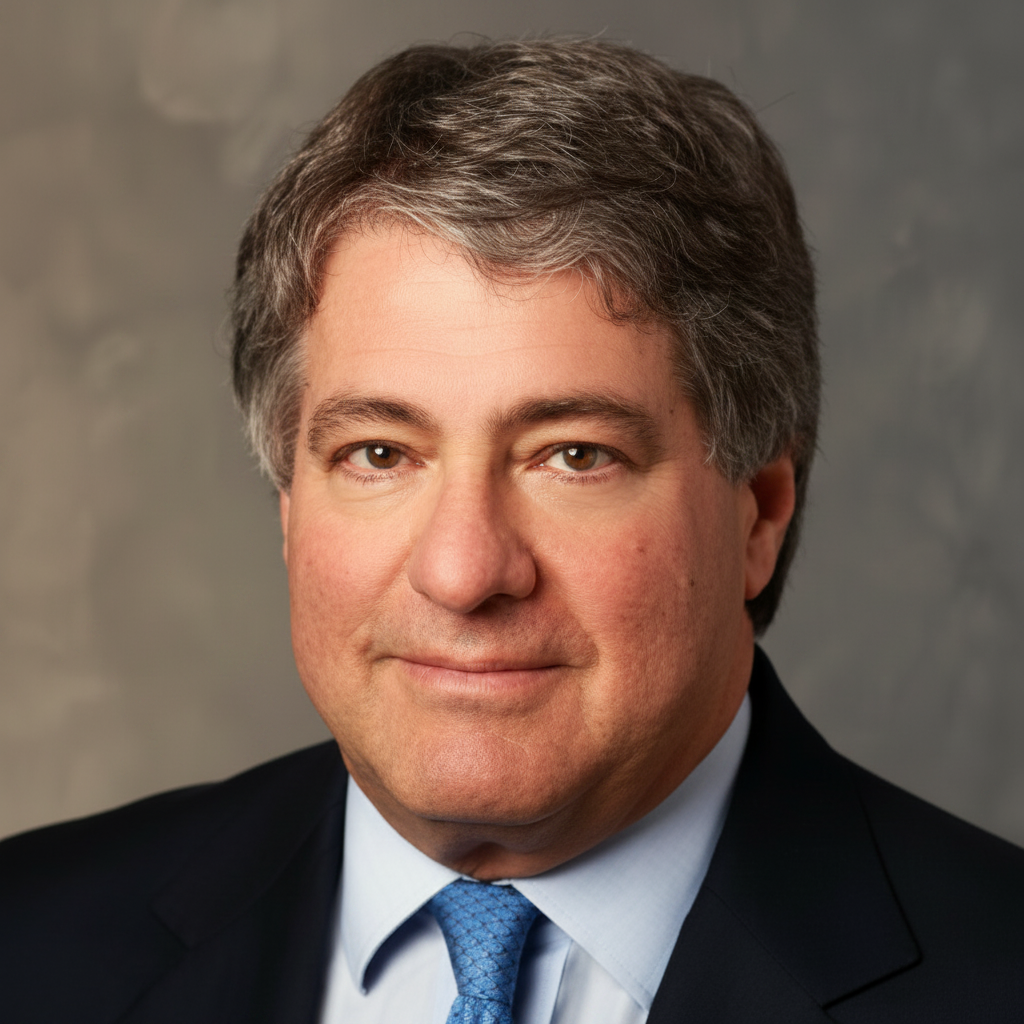
Leon Black is a prominent American businessman and investor, best known as the co-founder, former Chairman, and CEO of Apollo Global Management. Under his leadership, Apollo grew into one of the largest and most influential alternative asset managers globally, specializing in private equity, credit, and real estate.
Biography
Accomplishments
- 01Co-founded and built Apollo Global Management into one of the world's largest alternative asset managers, with over $450 billion in assets under management (as of 2021).
- 02Pioneered distressed investing as a core private equity strategy, identifying value in complex and undervalued assets during economic downturns.
- 03Successfully navigated multiple economic cycles, demonstrating resilience and adaptability in investment strategies.
- 04Oversaw landmark private equity transactions, such as the acquisition of Caesars Entertainment, leading one of the largest LBOs in the hospitality sector.
- 05Expanded Apollo's investment capabilities beyond traditional private equity to include credit, real estate, and hybrid capital, creating a diversified platform.
- 06Instrumental in establishing Apollo's global presence, extending its reach and investment opportunities across various geographies.
Lessons for Operators
Key Takeaways
Practical lessons distilled for operators, investors, C-levels, and capital allocators.
Distress as Opportunity
Black's early success at Apollo exemplified how economic downturns and corporate distress create unique opportunities for investors willing to undertake complex, asset-heavy turnarounds. This involves rigorous due diligence, patient capital, and strategic operational intervention.
Holistic Value Creation
Apollo's model extended beyond simple financial leverage. It often involved active ownership, including replacing management, streamlining operations, and executing difficult restructuring, demonstrating that 'smart money' also means 'hands-on' money.
Diversification of Capital
Recognizing the cyclical nature of specific investment strategies, Black strategically expanded Apollo's offerings into credit, real estate, and other bespoke capital solutions, making the firm more resilient and capable of exploiting opportunities across market conditions.
Legacy and Governance
Leadership transitions and external scrutiny can significantly impact even established institutions. The circumstances of Black's departure underscore the growing importance of corporate governance, transparency, and ethical leadership in the financial sector, especially for publicly traded alternative asset managers.
The Power of the Network
Black leveraged his network from Drexel Burnham Lambert to form Apollo, demonstrating the enduring value of professional relationships, shared experience, and trust in building a formidable financial enterprise.
Frameworks & Principles
Named frameworks and strategic principles they popularized or embodied.
Distressed Investing Model
A strategy focused on acquiring the debt or equity of financially troubled or bankrupt companies at a discount, aiming to profit from the company's eventual recovery or restructuring.
When to useApplicable during economic downturns, industry-specific crises, or when identifying fundamentally sound companies with temporary liquidity or solvency issues. Requires deep industry knowledge, legal expertise, and operational turnaround capabilities.
Operational Value-Add Private Equity
Beyond financial engineering, this framework emphasizes active engagement in portfolio companies to drive operational efficiencies, strategic repositioning, and revenue growth. It involves bringing in specialized management, optimizing supply chains, and investing in technology.
When to useBest utilized when acquiring companies with significant untapped operational potential, underperforming management, or fragmented market positions. Suitable for investors seeking long-term growth and willing to commit resources beyond capital.
Alternative Asset Class Diversification
The strategic expansion into a broad array of investment categories beyond traditional stocks and bonds, such as private equity, private credit, real estate, infrastructure, and hedge funds, to generate uncorrelated returns and enhance portfolio resilience.
When to useEssential for large institutional investors and fund managers aiming to achieve superior, risk-adjusted returns and manage systemic risk. Requires specialized expertise and robust infrastructure for each asset class.
Sources & Further Reading
Profiles, interviews, podcasts, and articles used to compile and verify this entry. Each link opens at the original publisher.
Explore Related Titans
Other figures in the archive who share Leon Black's domain, geography, or era.
More in Finance & Investing






From United States



Contemporaries — born 1950s