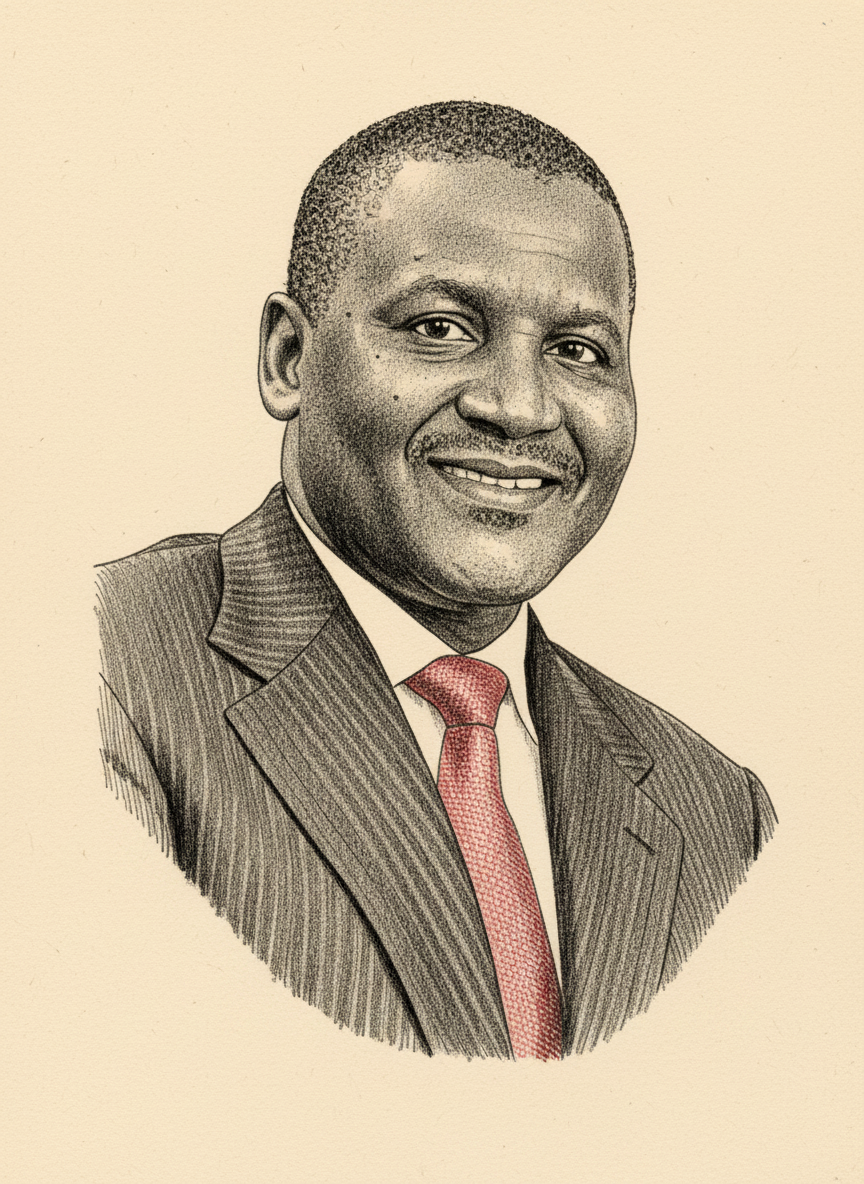
Jeffrey Gundlach
The 'Bond King' known for his contrarian macroeconomic views and fixed-income expertise.
Jeffrey Gundlach is an American investor and businessman. He is the founder and CEO of DoubleLine Capital, an investment firm specializing in fixed-income products. Prior to DoubleLine, Gundlach managed the TCW Total Return Bond Fund, achieving significant returns before his controversial departure.
Biography
Accomplishments
- 01Co-founded DoubleLine Capital in 2009, growing it into an firm managing over $100 billion in assets under management (AUM) within a decade.
- 02Successfully launched the DoubleLine Total Return Bond Fund in April 2010, which quickly attracted significant assets and delivered competitive returns.
- 03Consistently outperformed benchmarks and peers, including significant periods during his tenure at TCW Group with the TCW Total Return Bond Fund.
- 04Identified and profited from the housing market collapse and subsequent mortgage-backed securities crisis around 2007-2008.
- 05Demonstrated prowess in navigating diverse fixed-income markets, from high-grade corporate bonds to emerging market debt and mortgage-backed securities.
Lessons for Operators
Key Takeaways
Practical lessons distilled for operators, investors, C-levels, and capital allocators.
The Power of Independent Analysis
Gundlach’s success often stems from his willingness to form conclusions based on his own analysis, irrespective of mainstream market sentiment. For operators and investors, this means fostering critical thinking and robust internal research capabilities rather than relying solely on consensus views.
Building a Business from Talent
The formation of DoubleLine Capital involved bringing over a significant portion of his previous team. This illustrates that, particularly in knowledge-intensive industries like asset management, human capital and established team dynamics can be more valuable than existing infrastructure or brand names. Talent retention and acquisition are paramount.
Navigating Disruption and Transitions
His experience with TCW and subsequent launch of DoubleLine demonstrates resilience and the ability to pivot rapidly after significant professional disruption. C-levels and enterprise leaders should recognize that disruption can be an opportunity for strategic realignment and growth if managed effectively.
Risk-Adjusted Return Focus
While known for strong returns, Gundlach's philosophy prioritizes capital preservation and managing risk, particularly in volatile markets. Capital allocators should evaluate managers not just on raw returns, but on their risk management frameworks and their ability to generate consistent, risk-adjusted alpha.
Frameworks & Principles
Named frameworks and strategic principles they popularized or embodied.
Mortgage-Backed Securities (MBS) Fundamental Analysis
A deep dive into the underlying collateral, payment structures, prepayment speeds, and credit quality of various mortgage-backed securities. This includes agency MBS (Fannie Mae, Freddie Mac, Ginnie Mae) and non-agency MBS.
When to useWhen evaluating investment opportunities in residential or commercial mortgage debt, assessing housing market risk, or seeking alpha in complex fixed-income derivatives.
Contrarian Macroeconomic Overlay
Formulating investment strategies based on an analysis of global macroeconomic trends, interest rate cycles, and geopolitical events, often taking positions that diverge from prevailing market sentiment.
When to useWhen making top-down asset allocation decisions, identifying potential market dislocations, or positioning portfolios for shifts in economic regimes (e.g., inflation, deflation, recession).
Relative Value Investing (Fixed Income)
Identifying mispricings and inefficiencies between different fixed-income instruments or sectors (e.g., corporate bonds vs. treasuries, different maturities, geographies) to exploit discrepancies in yield, spread, or credit quality for a given level of risk.
When to useContinuously employed by fund managers to optimize portfolio construction, enhance yield, and manage duration and credit risk across fixed-income portfolios.
Sources & Further Reading
Profiles, interviews, podcasts, and articles used to compile and verify this entry. Each link opens at the original publisher.
Explore Related Titans
Other figures in the archive who share Jeffrey Gundlach's domain, geography, or era.
More in Finance & Investing









From United States







Contemporaries — born 1950s