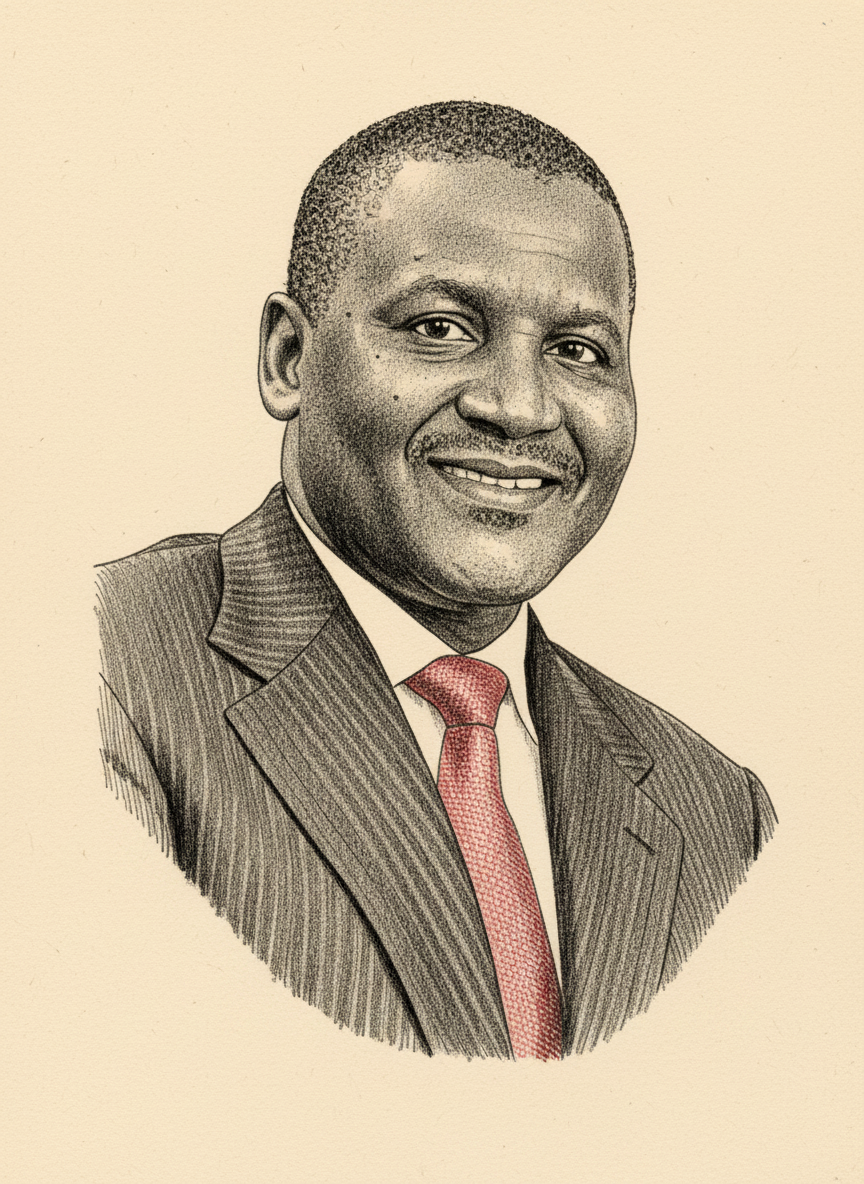
Jeff Immelt
A CEO known for significant portfolio transformation and navigating complex global challenges.
Jeffrey Robert Immelt is an American manufacturing executive currently serving as a venture partner at New Enterprise Associates. He is best known for his 16-year tenure as the CEO of General Electric from 2001 to 2017, succeeding Jack Welch. Prior to leading GE, he headed the company's Medical Systems division from 1997 to 2000. Immelt's leadership was characterized by extensive strategic repositioning, notably overseeing the largest divestments in GE's history, which involved shedding almost two-thirds of its subsidiaries and assets.
Biography
Accomplishments
- 01Orchestrated the divestment of NBCUniversal, selling GE's stake to Comcast in stages, culminating in a full exit by 2013, effectively shedding a major media asset.
- 02Led the significant reduction of GE Capital's asset base from approximately $400 billion to under $100 billion, exiting the 'too big to fail' designation and mitigating financial risk.
- 03Acquired Amersham plc for $9.5 billion in 2004, significantly expanding GE Healthcare's life sciences and medical diagnostics capabilities.
- 04Successfully acquired Alstom's energy businesses for $10.6 billion in 2015, strengthening GE Power's position in power generation and grid technologies.
- 05Initiated and championed GE's 'Industrial Internet' strategy, aiming to integrate big data analytics with industrial machinery to create new revenue streams and improve operational efficiency.
- 06Navigated GE through the economic aftermath of 9/11 and the 2008 global financial crisis, stabilizing the company during periods of extreme market volatility.
Lessons for Operators
Key Takeaways
Practical lessons distilled for operators, investors, C-levels, and capital allocators.
Bold Portfolio Transformation
Immelt initiated the largest asset divestment in GE's history, shedding nearly two-thirds of its businesses. This exemplifies an aggressive strategy to pivot a mature conglomerate towards industrial and digital leadership, away from financial services.
Digital Industrial Vision
He spearheaded the 'Industrial Internet' initiative, attempting to make GE a leader in combining big data analytics and software with physical machines. This foresight into digital transformation for traditional industries offers a blueprint for future industrial growth.
Navigating Macroeconomic Headwinds
Immelt steered GE through significant global crises, including the post-9/11 economic downturn and the 2008 financial crisis, demonstrating leadership resilience under extreme pressure.
Complexity of Conglomerate Management
His tenure highlights the immense challenge of managing and transforming a vast, diversified conglomerate. The long-term impact and successful execution of such large-scale changes are fraught with difficulty and require sustained effort beyond a single CEO's term.
Strategic M&A for Core Strengthening
Acquisitions like Amersham and Alstom demonstrated an intent to bolster GE's core healthcare and power businesses, showcasing M&A as a tool for strategic repositioning.
Frameworks & Principles
Named frameworks and strategic principles they popularized or embodied.
Portfolio Rationalization Model
A strategic framework for evaluating and optimizing a diversified business portfolio by identifying non-core assets for divestiture and concentrating resources on growth engines. Immelt applied this extensively by selling off GE Plastics, NBCUniversal, and most of GE Capital.
When to useApplicable when a company's portfolio has become too broad, capital is inefficiently allocated across disparate business units, or when strategic focus needs to be narrowed to higher-growth or higher-margin sectors.
Digital Industrial Transformation
A strategic approach that integrates digital technologies (IoT, AI, big data) with traditional industrial operations to create new value propositions, improve operational efficiency, and generate recurring revenue streams through software and services. Immelt's 'Industrial Internet' initiative is a prime example.
When to useSuitable for incumbent industrial or manufacturing companies seeking to leverage technology to modernize operations, differentiate offerings, and compete with disruption from software-native firms.
De-Risking Financial Conglomerates
Strategies employed to reduce the reliance of an industrial company on its financial services arm, typically involving significant divestitures of financial assets and a re-focus on core industrial operations. Immelt's systematic reduction of GE Capital exemplifies this.
When to useRelevant for diversified corporations with substantial financial services components that face regulatory scrutiny, high capital requirements, or increased market volatility associated with their financial exposures.
Sources & Further Reading
Profiles, interviews, podcasts, and articles used to compile and verify this entry. Each link opens at the original publisher.
Explore Related Titans
Other figures in the archive who share Jeff Immelt's domain, geography, or era.
More in Finance & Investing










From United States








Contemporaries — born 1950s