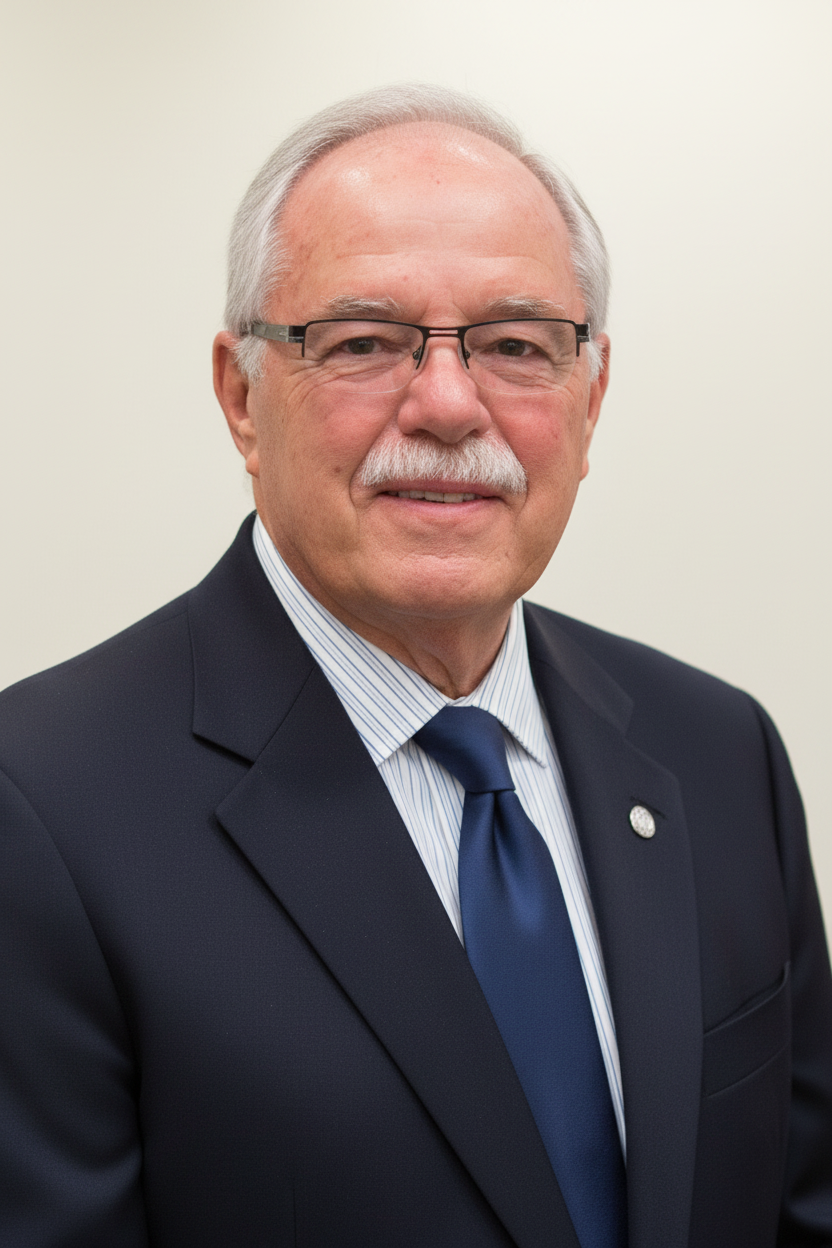
James Sinegal
Co-founder of Costco Wholesale Corporation, architect of its value-driven membership model and customer-centric culture.
James Sinegal co-founded Costco Wholesale Corporation in 1983, pioneering a membership-based warehouse club model focused on offering high-quality goods at the lowest possible prices. He served as CEO until 2012, building Costco into a global retail giant known for its operational efficiency, employee-friendly practices, and unwavering commitment to customer value.
Biography
Accomplishments
- 01Co-founded Costco Wholesale Corporation in 1983, developing a disruptive membership-based warehouse club model.
- 02Led Costco's growth from a single warehouse to a multi-billion dollar international retailer with hundreds of locations.
- 03Engineered the successful merger of Costco Wholesale and Price Club in 1993, creating Price/Costco and significantly expanding market reach.
- 04Established and maintained a corporate culture prioritizing employee welfare, offering higher wages and benefits than many retail competitors.
- 05Championed a low-margin business strategy (typically 14-15% cap) that delivered exceptional value to members and drove high sales volume.
- 06Oversaw Costco's consistent profitability and shareholder returns for nearly three decades as CEO.
Lessons for Operators
Key Takeaways
Practical lessons distilled for operators, investors, C-levels, and capital allocators.
Customer Value as a Primary Driver
Sinegal fundamentally understood that providing superior value (quality goods at low prices) would attract and retain customers more effectively than conventional retail markups. This approach, exemplified by Costco's margin cap policy, ensures customer loyalty and high sales velocity.
Culture as a Competitive Advantage
Costco's employee-centric culture, with its industry-leading pay and benefits, translated directly into motivated staff, lower turnover, better customer service, and ultimately, higher operational efficiency and profitability. Investing in human capital is not merely a cost but a strategic lever for competitive differentiation.
Operational Efficiency Through Simplicity
The limited SKU count, bulk packaging, direct-from-warehouse selling, and membership model all contribute to a highly efficient operational structure. This simplicity reduces costs across the supply chain, allowing for lower prices and higher volume, a core tenet of the warehouse club format.
Disciplined Margin Management
Sinegal's unwavering commitment to a strict margin cap, even against analyst pressure, exemplified a long-term strategic vision. This discipline ensured that price reductions were consistently passed to the customer, reinforcing the value proposition and making Costco difficult for competitors to match.
Strategic Membership Model
The annual membership fee provides a stable, high-margin revenue stream that offsets low product margins. It also creates a barrier to entry for casual shoppers, curating a loyal customer base and providing valuable data for inventory management and marketing.
Frameworks & Principles
Named frameworks and strategic principles they popularized or embodied.
Value Proposition Centricity
A business strategy where every decision, from sourcing to pricing to operations, is ultimately geared towards delivering the maximum possible value to the customer. This involves understanding what customers truly value and eliminating costs that do not contribute to that value.
When to useApplicable when designing new products/services, entering competitive markets, or seeking to differentiate by price-to-quality ratio. Requires deep understanding of customer needs and ruthless cost management.
Employee First Culture (Internal Customer Focus)
Treating employees as the primary internal customers, investing in their well-being, growth, and satisfaction. The belief is that happy, motivated employees will, in turn, provide better service and contribute more effectively to the company's success.
When to useEssential for service-oriented businesses, complex operational environments, or industries with high turnover. Crucial for building employer brand and sustainable competitive advantage through human capital.
Low-Cost Leadership through Operational Excellence
Achieving cost leadership not solely through cutting corners, but by optimizing every aspect of the supply chain and operations. This includes bulk purchasing, limited product assortments, efficient logistics, and rapid inventory turns to minimize holding costs and maximize efficiency.
When to useSuitable for industries where price sensitivity is high and economies of scale are achievable. Requires continuous process improvement, strong supplier relationships, and disciplined cost control.
Sources & Further Reading
Profiles, interviews, podcasts, and articles used to compile and verify this entry. Each link opens at the original publisher.
Explore Related Titans
Other figures in the archive who share James Sinegal's domain, geography, or era.
More in Technology








From United States




Contemporaries — born 1930s