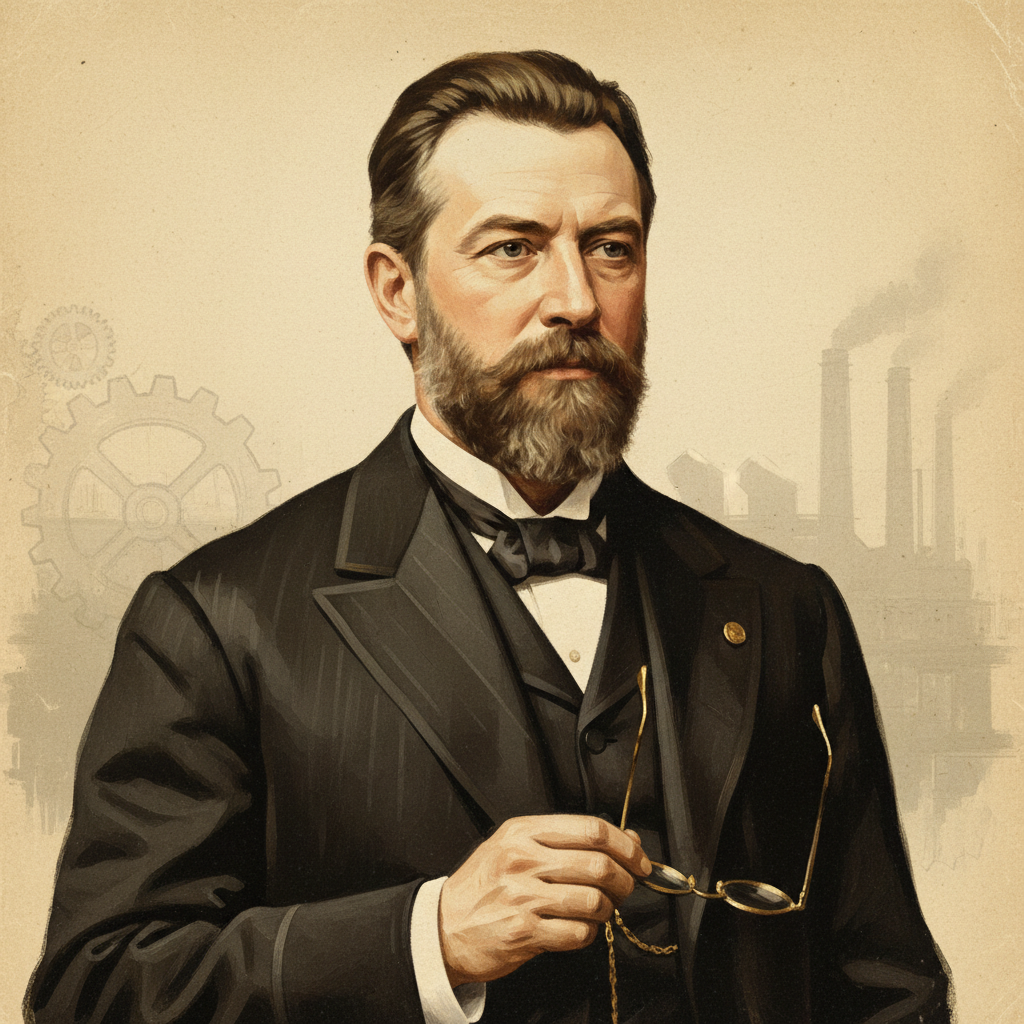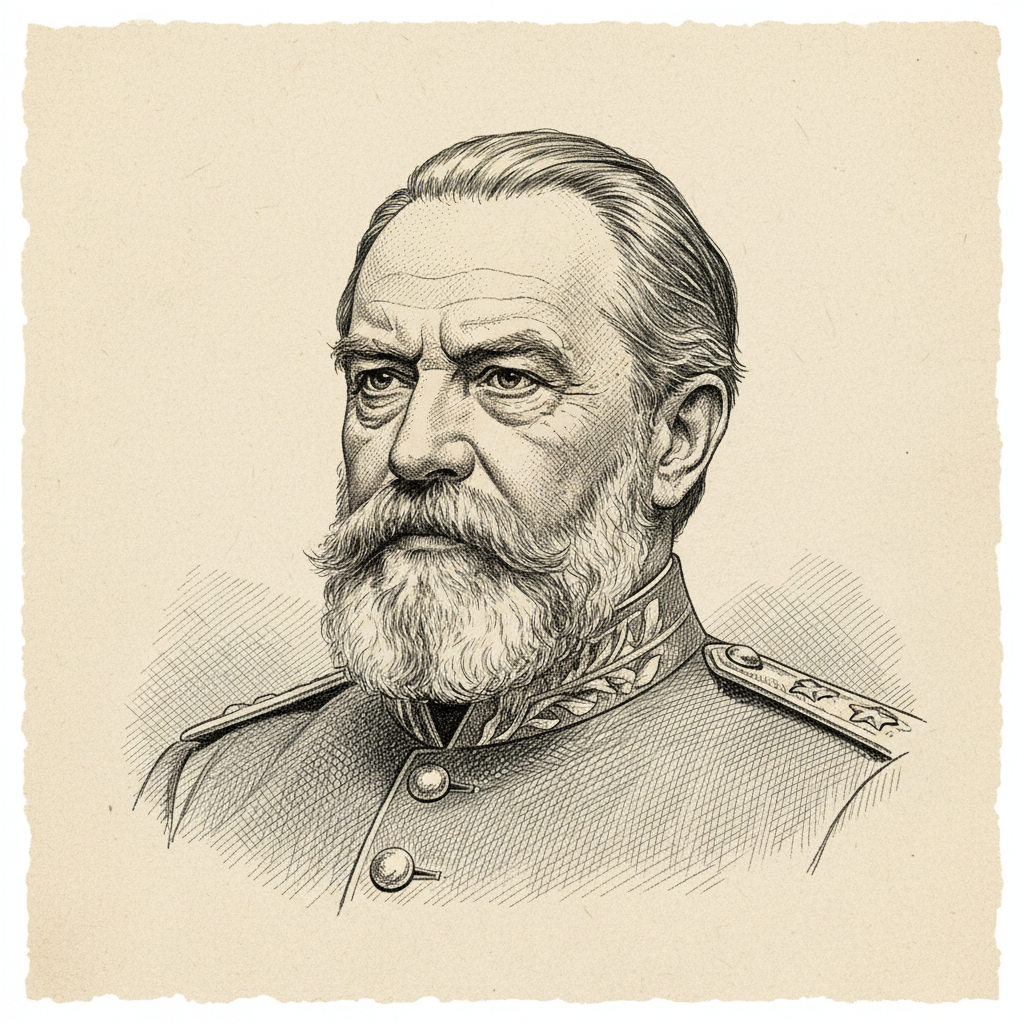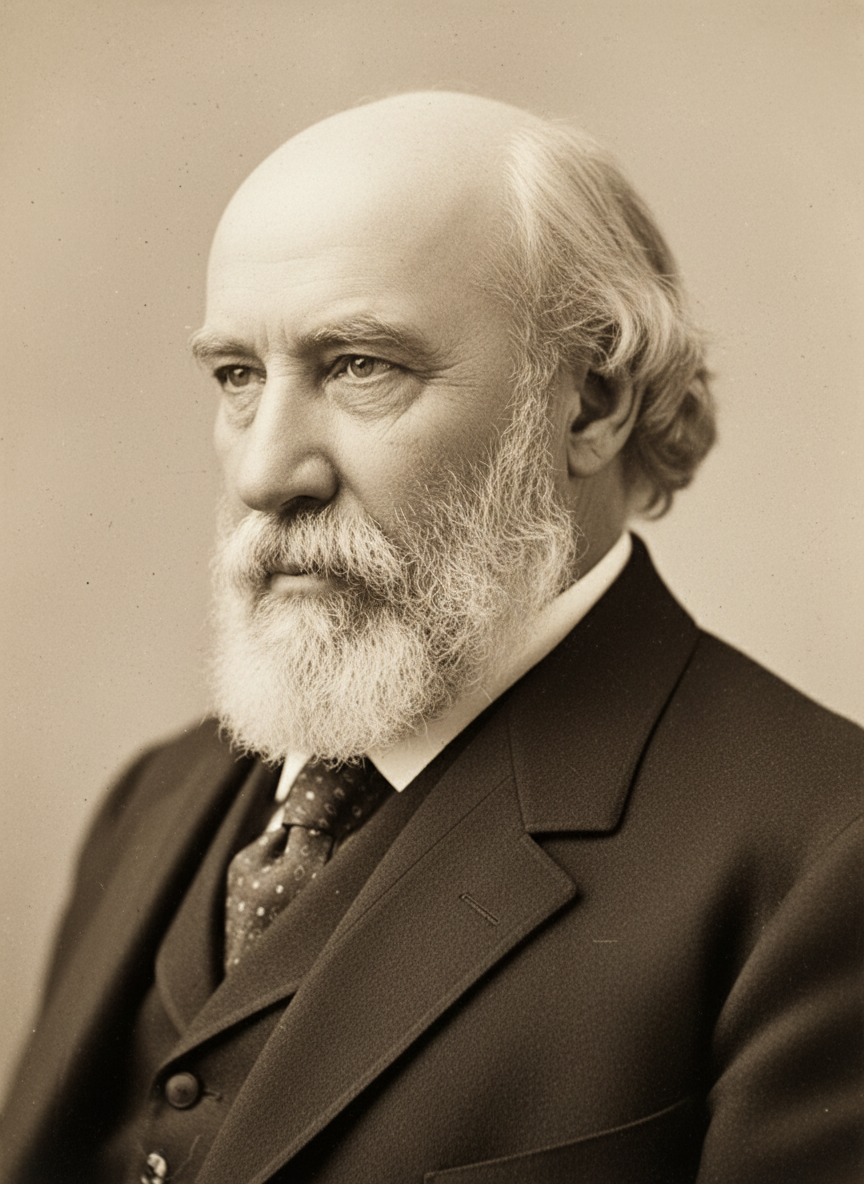
James J. Hill
The 'Empire Builder' who championed organic growth and vertically integrated infrastructure to open the American Northwest.
James J. Hill was a Canadian-American railroad executive who created the Great Northern Railway. Rejecting government subsidies, he financed, built, and managed his railroad from Minnesota to the Pacific Ocean, fostering agricultural development and trade throughout the American Northwest and with Asia.
Biography
Accomplishments
- 01Rescued the bankrupt St. Paul & Pacific Railroad in 1878, transforming it into the highly profitable St. Paul, Minneapolis & Manitoba Railway.
- 02Engineered and completed the Great Northern Railway by 1893, extending from St. Paul to Seattle, making it the only transcontinental railroad built without government land grants or subsidies.
- 03Pioneered an integrated development strategy, personally investing in and promoting agricultural development along his rail lines, including distributing seed and livestock, to ensure sustained freight traffic.
- 04Successfully established direct trade routes with Asia, launching steamship lines on the Pacific to connect his railroad network with burgeoning markets in Japan and China.
- 05Maintained financial solvency and low debt throughout his major railroad constructions, a stark contrast to other railroad builders who frequently faced bankruptcy.
- 06Formed the Northern Securities Company in 1901 (though later dissolved by antitrust action), demonstrating a bold attempt at consolidating railway control and reducing ruinous competition.
Lessons for Operators
Key Takeaways
Practical lessons distilled for operators, investors, C-levels, and capital allocators.
Build the Ecosystem, Not Just the Enterprise
Hill pioneered the strategy of actively developing the economic base along his railway lines. He recognized that long-term rail profitability was intrinsically linked to the prosperity of the farmers and businesses served by his network. This meant distributing seed, livestock, and technical advice to farmers to ensure productive agriculture, thereby generating consistent freight traffic. For operators, this means looking beyond your immediate transactional revenue and investing in the success of your customers and suppliers to create a self-reinforcing economic environment.
Prudent Capital Allocation Over Reckless Expansion
Unlike many railroad 'robber barons' who built with substantial government subsidies and often ended in bankruptcy, Hill financed the Great Northern Railway largely through private capital and careful reinvestment of profits, eschewing federal land grants. He maintained low debt and focused on cost-efficiency. This fiscal conservatism allowed the Great Northern to weather economic downturns more effectively than its peers. For investors and capital allocators, Hill's approach highlights the long-term value of sound balance sheets, disciplined capital expenditure, and avoiding excessive leverage, even when opportunities for rapid expansion are present.
Demand-Side Engineering
Hill didn't just build a railway where there was demand; he actively engineered demand. Through his efforts in agricultural development, land sales, and promotional campaigns, he created the markets that his railway then served. He also extended his reach to Asia with his own steamship lines to create new international trade avenues for the agricultural products and timber transported by his railway. Enterprise leaders should consider how they can not only meet existing market needs but also innovate to create new market demand or expand their addressable market through complementary ventures.
Operational Integration and Meticulous Planning
Hill was notoriously hands-on, personally surveying routes and overseeing construction to ensure optimal grades, curves, and quality. His attention to detail extended to everything from the purchase of the best rail to efficient operating procedures. This commitment to operational excellence resulted in a more robust, reliable, and cost-effective railroad. Operators should recognize that strategic vision must be underpinned by rigorous operational planning and execution. Neglecting the granular details of implementation can undermine even the most brilliant strategy.
Frameworks & Principles
Named frameworks and strategic principles they popularized or embodied.
Ecosystem Development Model
Investing in the underlying economic health and productivity of your customer base and geographic footprint to ensure sustainable and expanding demand for your core services. This involves providing support, resources, or complementary services that enable your customers to grow, which in turn generates more business for you.
When to useWhen you operate in an industry where your success is heavily dependent on the prosperity and growth of a specific region, customer segment, or supply chain. Particularly useful for infrastructure, logistics, and resource-based industries.
Prudent Capital Management & Organic Growth
Emphasizing self-financing, low debt, and reinvestment of profits for expansion rather than relying heavily on external funding or government subsidies. Focuses on building long-term financial resilience and controlled, sustainable growth.
When to useApplicable for businesses seeking long-term stability and resilience, especially during periods of economic volatility or when industry peers are over-leveraged. Useful for capital-intensive industries where sustained profitability is key.
Demand Creation Strategy
Beyond merely reacting to existing market demand, actively fostering and developing new demand for your services or products. This can involve educating potential customers, developing complementary markets, or offering incentives for new market participants.
When to useWhen entering nascent markets, developing innovative products/services, or operating in industries with scope for significant market expansion. Useful for entrepreneurs and leaders looking to catalyze market growth rather than just compete within existing boundaries.
Sources & Further Reading
Profiles, interviews, podcasts, and articles used to compile and verify this entry. Each link opens at the original publisher.
Explore Related Titans
Other figures in the archive who share James J. Hill's domain, geography, or era.
More in Technology










Contemporaries — 19th century