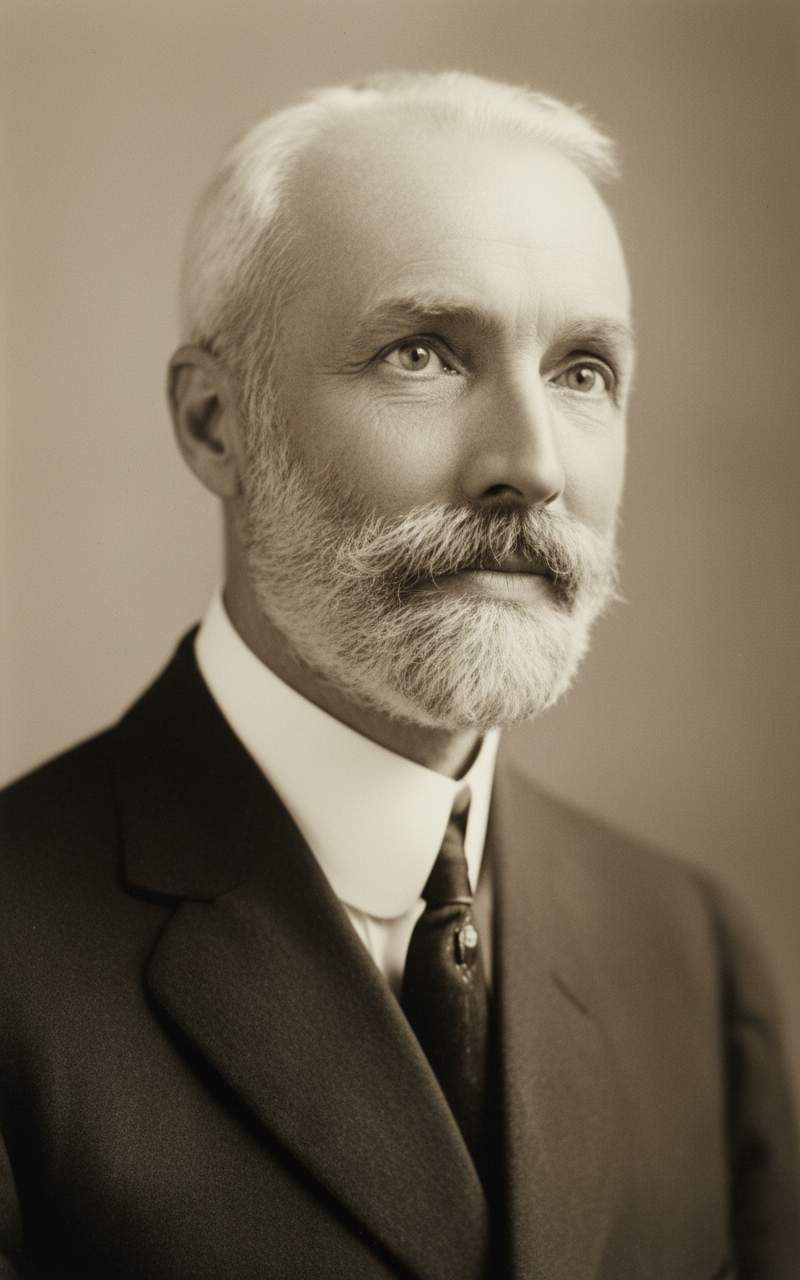
George Dayton
Founder of Dayton's Dry Goods Company, progenitor of Target Corporation, pioneering merchant whose long-term vision built a retail empire.
George Dayton founded Dayton's Dry Goods Company in Minneapolis in 1902, laying the groundwork for what would become Target Corporation. His business philosophy emphasized customer service, quality merchandise, and community engagement, establishing a durable legacy that transcended traditional department store operations.
Biography
Accomplishments
- 01Founded Dayton's Dry Goods Company in 1902, acquiring Goodfellow Dry Goods Company for $1.2 million, establishing a major regional retail presence.
- 02Implemented a business model focused on customer satisfaction and quality merchandise, which became foundational for decades of growth.
- 03Successfully navigated the company through the economic challenges of the early 20th century and the Great Depression, ensuring its continuity and solvency.
- 04Fostered a culture of community involvement and philanthropic giving, setting a precedent for corporate social responsibility within the nascent retail industry.
- 05Established a clear, ethical leadership framework, guiding subsequent generations of family leadership and laying the cultural groundwork for Target Corporation's values.
- 06Grew Dayton's into a prominent department store known for its service, product range, and commitment to the Minneapolis metropolitan area.
Lessons for Operators
Key Takeaways
Practical lessons distilled for operators, investors, C-levels, and capital allocators.
Foundation over Fluctuation
Dayton's approach to business prioritized building a robust, principle-driven foundation over reacting to market fads. Operators should focus on core competencies and enduring values. Investors should seek companies with strong fundamentals and a clear strategic compass.
Value Creation through Service and Quality
His emphasis on high standards for merchandise and customer interaction created deep value. Enterprise leaders must continually assess if their offerings truly meet customer needs with excellence, as this drives repeat business and brand loyalty.
Legacy through Leadership
Dayton's personal character and ethical standards became embedded in the company culture, influencing generations. C-levels and founders should recognize that their values directly shape the long-term ethos and resilience of their organizations.
Community as Constituency
Considering the community as a key stakeholder, not just a market, expands the definition of success. Capital allocators should evaluate firms not only on financial metrics but also on their societal impact and community relationships, as these contribute to sustainability.
Adaptability within Core Principles
While his methods were traditional department store operations, the principles he established allowed the company to adapt and innovate into discount retail (Target). This demonstrates the importance of having solid, adaptable principles rather than rigid business models.
Frameworks & Principles
Named frameworks and strategic principles they popularized or embodied.
The Dayton-Hudson Model (Legacy)
While not formally articulated as a 'Dayton' framework by George Dayton himself, the subsequent Dayton-Hudson Corporation (later Target Corporation) operated on principles stemming from his original vision: a commitment to quality, value, community engagement, and strategic diversification. It represents a blended retail model. George Dayton's initial framework emphasized premium offerings and service, which was later complemented by discount retail. The core concept is 'Good merchandise, fair prices, attentive service, and an active interest in the community'.
When to useApplicable for retail operators evaluating strategies for brand differentiation through quality and service, enterprise leaders considering diversified business models (e.g., premium and discount segments co-existing under one corporate umbrella), and investors assessing companies with strong community ties and a multi-brand strategy.
Patient Capital & Generational Value Creation
This framework emphasizes the importance of long-term investment horizons, consistent re-investment of profits, and a focus on building enduring value rather than maximizing short-term returns. It implies a willingness to forgo immediate gains for sustainable growth and multi-generational business continuity, often leveraging family or institutional capital with a longer mandate.
When to useRelevant for fund managers structuring funds with extended holding periods, entrepreneurs building businesses intended to last for decades, and capital allocators evaluating investment opportunities where sustained, compound growth is preferred over rapid exits.
Customer-First Quality Assurance
A strategic approach where every operational decision, from product sourcing to sales and post-sale service, is filtered through the lens of delivering superior customer experience and quality. This builds brand reputation and customer loyalty as primary competitive advantages, rather than solely competing on price.
When to useUseful for operators in any customer-facing industry looking to differentiate through service and product excellence, C-levels crafting brand strategies, and companies aiming to build premium market positioning or defend against low-cost competitors.
Sources & Further Reading
Profiles, interviews, podcasts, and articles used to compile and verify this entry. Each link opens at the original publisher.
Explore Related Titans
Other figures in the archive who share George Dayton's domain, geography, or era.
More in Technology






From United States




Contemporaries — born 1850s