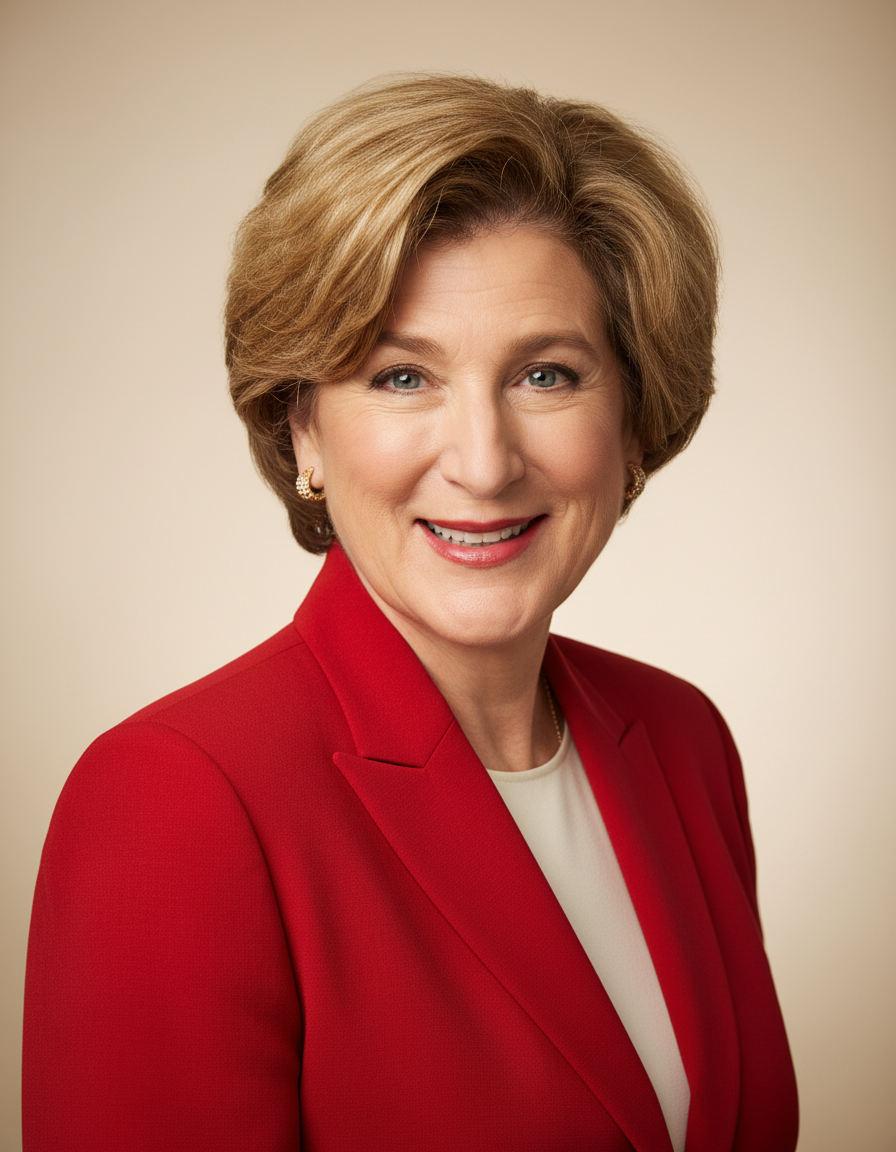
Denise Morrison
Former CEO of Campbell Soup Company, known for strategic portfolio transformation and navigating evolving consumer preferences in the CPG sector.
Denise M. Morrison is an American business executive who served as president and chief executive officer of Campbell Soup Company from 2011 through 2018. Named the '21st Most Powerful Woman in Business' by Fortune magazine in 2011, Morrison was elected a director of Campbell in October 2010. She became Campbell's 12th leader in the company's 140-year history. Morrison retired from Campbell in May 2018.
Biography
Accomplishments
- 01Served as President and Chief Executive Officer of Campbell Soup Company from 2011 to 2018, becoming the 12th leader in the company's 140-year history.
- 02Led the strategic acquisition of Bolthouse Farms for $700 million in 2012, entering the fresh foods category.
- 03Orchestrated the acquisition of Plum Organics for $1.55 billion in 2013, expanding Campbell's presence in the organic baby and kids' food market.
- 04Recognized as the '21st Most Powerful Woman in Business' by Fortune magazine in 2011.
- 05Initiated and oversaw efforts to reposition Campbell's portfolio towards healthier, fresh, and organic segments to adapt to evolving consumer preferences.
Lessons for Operators
Key Takeaways
Practical lessons distilled for operators, investors, C-levels, and capital allocators.
Proactive Brand Reimagination
Morrison's tenure at Campbell demonstrated that even deeply entrenched brands must actively reinvent themselves to remain relevant. This involves strategic M&A and product development to align with emerging consumer values, rather than just optimizing existing lines.
Strategic M&A for Market Expansion
The acquisitions of Bolthouse Farms and Plum Organics were not merely add-ons but deliberate moves to acquire capabilities and market share in higher-growth segments like fresh produce and organic baby food. This highlights M&A as a tool for fundamental business model evolution.
Balancing Core vs. Growth
A primary challenge was managing the declining performance of Campbell's core soup business while simultaneously investing in and scaling new growth areas. This constant balancing act is critical for large enterprises trying to transform without destabilizing current operations.
Long-Term Vision vs. Short-Term Pressure
Morrison faced scrutiny over the pace and effectiveness of her strategies. This illustrates the inherent tension for C-levels between executing a long-term strategic vision and meeting quarterly performance expectations from investors. Effective communication of strategy and progress is key.
Frameworks & Principles
Named frameworks and strategic principles they popularized or embodied.
Portfolio Lifecycle Management
A framework for managing a diverse set of products or brands, determining when to invest, divest, or optimize based on market growth, profitability, and strategic fit.
When to useWhen evaluating which business units or product lines require increased investment, divestiture, or strategic transformation to align with evolving market opportunities and company objectives, as Morrison did with Campbell's traditional and new healthy food segments.
Strategic Acquisition for Capability Building
A strategic approach to M&A where acquisitions are primarily driven by the need to gain new competencies, market access, or innovative products that are difficult or time-consuming to develop internally.
When to useApplicable when a company needs to quickly enter new product categories (e.g., fresh produce, organic foods) or acquire specific expertise that is not present within the organization, exemplified by Campbell's purchases of Bolthouse Farms and Plum Organics.
Recent Appearances
Latest interviews, keynotes, and press from the past half year.
 youtube.com
 youtube.com
 youtube.com
 youtube.com
 youtube.com
 youtube.com
 youtube.com
Sources & Further Reading
Profiles, interviews, podcasts, and articles used to compile and verify this entry. Each link opens at the original publisher.
Explore Related Titans
Other figures in the archive who share Denise Morrison's domain, geography, or era.
More in Consumer & Retail







From United States