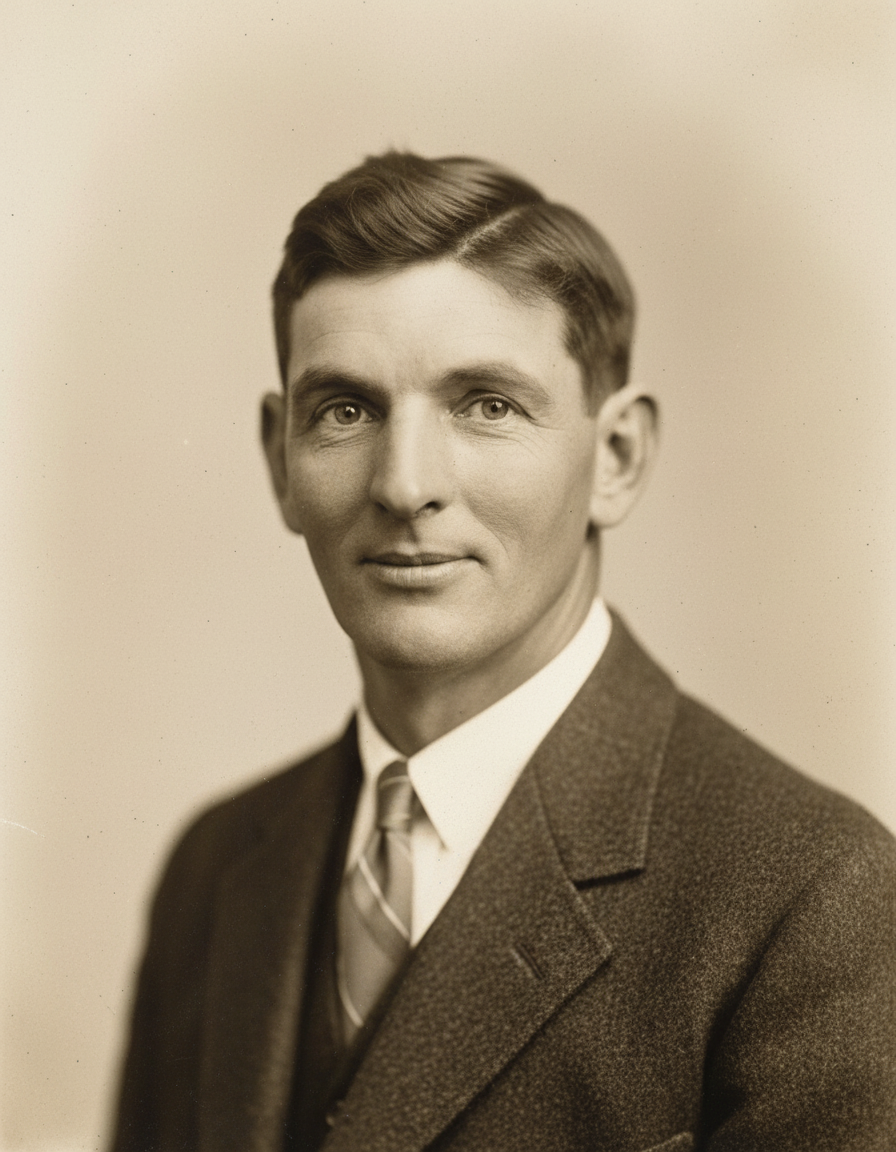
Azim Premji
The architect who transformed a failing cooking oil business into a global IT powerhouse, defining India's tech rise.
Azim Premji is an Indian business magnate, investor, and philanthropist who founded Wipro Limited in 1945 and built it into a global IT services and consulting company. He began his career in 1966 at the age of 21, taking over his family's struggling hydrogenated cooking fat business. Premji, recognizing the opportunity presented by the expulsion of IBM from India in 1977, pivoted Wipro into the nascent Indian IT industry. Under his leadership, Wipro diversified from manufacturing into software development and services, becoming a leading global technology company. He is also renowned for his significant philanthropic efforts through the Azim Premji Foundation.
Biography
Accomplishments
- 01Transformed a US$2 million hydrogenated cooking fat company into a diversified global IT and consulting powerhouse with revenues exceeding US$8 billion, exemplifying successful diversification and strategic pivot.
- 02Pioneered India's IT services industry by strategically capitalizing on the vacuum created by IBM's exit in 1977, demonstrating an ability to identify and exploit market opportunities.
- 03Successfully listed Wipro on the New York Stock Exchange (NYSE) in 2000, securing international capital and enhancing global visibility for an Indian technology company.
- 04Led Wipro to achieve CMM Level 5 certification (Capability Maturity Model), a benchmark for software process quality, establishing high industry standards for Indian IT services.
- 05Established the Azim Premji Foundation in 2000, dedicating a significant portion of his wealth (over US$21 billion pledged) to educational reform in India, demonstrating profound social responsibility and long-term impact.
- 06Implemented progressive employee policies, including early adoption of stock option plans, which fostered a culture of ownership and attracted top talent in a competitive market.
Lessons for Operators
Key Takeaways
Practical lessons distilled for operators, investors, C-levels, and capital allocators.
Strategic Pivot & Market Seizing
Premji's success wasn't just about managing an existing business but executing a high-stakes pivot into technology. He capitalized on a market void created by geopolitical events (IBM's exit from India), demonstrating that external crises can be leveraged as transformative opportunities if leadership is farsighted and decisive. Operators should continuously scan the environment for paradigm shifts rather than incremental improvements.
Long-Term Vision over Short-Term Gains
Wipro's transition into IT services and software development required significant upfront investment in talent and infrastructure without immediate guarantees of return. Premji’s readiness to invest for the long haul, even when initial market adoption was slow, proved critical. Investors should identify leaders capable of articulating and executing multi-decade strategies, not just quarterly targets.
Building a Culture of Quality and Ethics
Premji instilled a strong culture of quality, evident in Wipro being among the first Indian companies to achieve global quality benchmarks like CMM Level 5. His personal commitment to integrity and significant philanthropic endeavors have also built immense brand trust organically. Enterprise leaders must understand that a robust ethical framework and commitment to quality are competitive differentiators in the long run.
Talent Development & Employee Ownership
Wipro pioneered employee stock ownership plans (ESOPs) in India, fostering a sense of shared ownership and attracting top talent in a nascent industry. This approach aligned employee incentives with company performance. Fund managers should look for companies with equitable talent retention strategies that go beyond mere compensation.
Disciplined Diversification
While Wipro transformed, its diversification into IT was strategic and disciplined, rather than ad-hoc. It gradually built capabilities from hardware to software and then to services, ensuring each step built upon the last. C-levels should view diversification as a series of calculated steps, not a haphazard chase of new trends.
Frameworks & Principles
Named frameworks and strategic principles they popularized or embodied.
Market Opportunity Matrix (IBM Exit Example)
Analyzing market gaps created by competitive exits, regulatory changes, or technological discontinuities to identify and exploit emerging opportunities. Premji applied this by leveraging the vacuum created by IBM's departure from India.
When to useWhen facing significant market disruptions, regulatory shifts, or competitive landscape changes. Actionable for identifying new market entry points or pivoting existing business segments.
Quality-Driven Growth Model (CMM Level 5)
A strategic approach where achieving and maintaining globally recognized quality standards (like CMM for software) is a cornerstone of business expansion and client acquisition. It implies significant investment in process, training, and continuous improvement.
When to useApplicable in industries where quality, reliability, and process maturity are critical competitive advantages, often in B2B services, manufacturing, or complex software development. Useful for establishing premium positioning and trust.
Philanthropy as Strategic Brand Building
Integrating significant social responsibility initiatives, particularly through a dedicated foundation, not only for altruistic reasons but also as a long-term strategy to enhance corporate reputation, attract values-aligned talent, and build societal goodwill that can indirectly support business growth.
When to useFor established companies seeking to build a legacy beyond purely financial metrics, enhance employer branding, or gain social license to operate in complex markets. Requires substantial long-term commitment and genuine impact.
Recent Appearances
Latest interviews, keynotes, and press from the past half year.
 youtube.com
 youtube.com
 youtube.com
 youtube.com
 youtube.com
 youtube.com
 youtube.com
 youtube.com
 youtube.com
 youtube.com
 youtube.com
 youtube.com
 youtube.com
 youtube.com
 youtube.com
 youtube.com
 youtube.com
 youtube.com
 youtube.com
 youtube.com
 youtube.com
 youtube.com
 youtube.com
 youtube.com
 youtube.com
 youtube.com
 youtube.com
 youtube.com
 youtube.com
 youtube.com
 youtube.com
 youtube.com
 youtube.com
 youtube.com
 youtube.com
 youtube.com
 youtube.com
 youtube.com
 youtube.com
 youtube.com
 youtube.com
 youtube.com
 youtube.com
 youtube.com
 youtube.com
 youtube.com
 youtube.com
 youtube.com
 youtube.com
 youtube.com
 youtube.com
 youtube.com
 youtube.com
 youtube.com
 youtube.com
 youtube.com
 youtube.com
 m.youtube.comm.youtube.comyoutube.com
 youtube.com
 youtube.com
 youtube.com
 youtube.com
 youtube.com
 youtube.com
 youtube.com
 youtube.com
 youtube.com
 youtube.com
 youtube.com
 youtube.com
 youtube.com
 youtube.com
 youtube.com
 youtube.com
 youtube.com
 youtube.com
 youtube.com
 youtube.com
 youtube.com
 youtube.com
 youtube.com
 youtube.com
 youtube.com
 youtube.com
 youtube.com
 youtube.com
 youtube.com
 youtube.com
 youtube.com
 youtube.com
 youtube.com
 youtube.com
 youtube.com
 youtube.comyoutube.com
 youtube.com
 youtube.com
 youtube.com
 youtube.com
 youtube.com
 youtube.com
 m.youtube.com
 youtube.com
 youtube.com
 youtube.com
 youtube.com
 youtube.com
 youtube.comm.youtube.com
 youtube.com
 youtube.comyoutube.comyoutube.com
 m.youtube.com
 youtube.com
 m.youtube.com
 m.youtube.com
 youtube.com
 youtube.com
 youtube.com
 youtube.comyoutube.com
 m.youtube.com
 m.youtube.com
 youtube.com
 youtube.com
 youtube.com
 youtube.com
 youtube.com
 youtube.com
 youtube.com
 youtube.com
 youtube.com
 youtube.com
 youtube.com
 youtube.com
 youtube.com
 youtube.com
Sources & Further Reading
Profiles, interviews, podcasts, and articles used to compile and verify this entry. Each link opens at the original publisher.
Explore Related Titans
Other figures in the archive who share Azim Premji's domain, geography, or era.
More in Technology








From India







Contemporaries — born 1940s