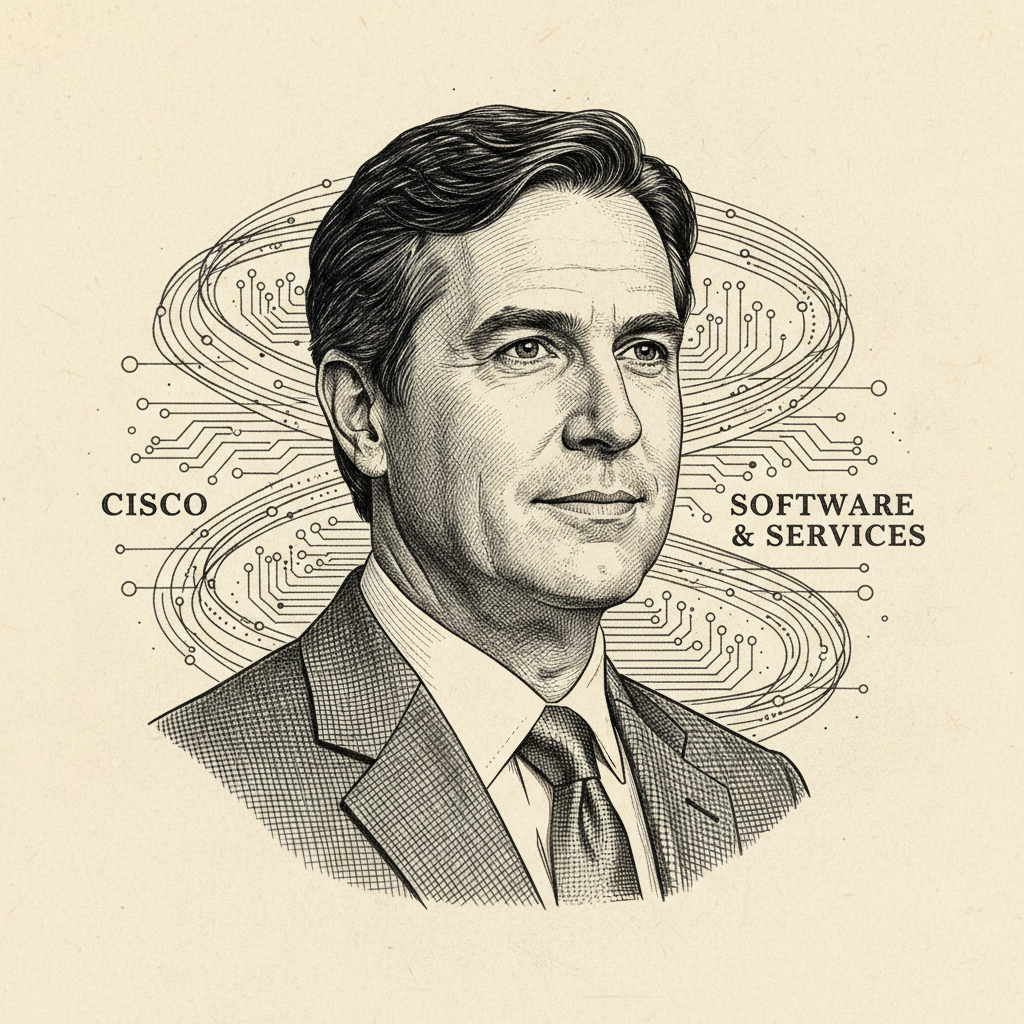
Alex Gorsky
Alex Gorsky: Transformative leader who steered Johnson & Johnson through a decade of growth, innovation, and significant portfolio reshaping, navigating complex healthcare challenges and spearheading advancements in pharmaceuticals and medical devices.
Alex Gorsky served as Chairman and CEO of Johnson & Johnson from 2012 to 2022, culminating a 30-year career with the company. He led J&J through a period of significant strategic portfolio optimization, focusing on pharmaceutical innovation and high-growth medical devices, while divesting non-core assets. Under his leadership, J&J delivered substantial shareholder returns, advanced numerous life-saving therapies, and confronted major industry challenges, including litigation and the COVID-19 pandemic.
Biography
Accomplishments
- 01Led Johnson & Johnson through a decade of significant growth, with market capitalization increasing from approximately $180 billion in 2012 to over $450 billion by the end of his CEO tenure.
- 02Orchestrated a major portfolio transformation, including the strategic decision to spin off the Consumer Health business (Kenvue) in 2021, allowing J&J to focus on higher-growth pharmaceutical and medical device sectors.
- 03Oversaw the development and launch of numerous blockbuster drugs, including Stelara (Crohn's, psoriasis), Imbruvica (blood cancers), Darzalex (multiple myeloma), and Erleada (prostate cancer), significantly bolstering J&J's pharmaceutical pipeline and revenue.
- 04Expanded J&J's medical device footprint through targeted acquisitions, notably the $16.6 billion acquisition of Abiomed in 2022, enhancing J&J's position in cardiovascular technology.
- 05Guided Johnson & Johnson's substantial contribution to global health during the COVID-19 pandemic, including the rapid development and global distribution of its single-shot COVID-19 vaccine.
- 06Navigated complex legal and regulatory challenges, including multi-state opioid litigation settlements and talc-related lawsuits, while maintaining the company's financial strength and operational focus.
- 07Championed diversity, equity, and inclusion initiatives, earning J&J recognition as a leading company for diversity during his leadership.
Lessons for Operators
Key Takeaways
Practical lessons distilled for operators, investors, C-levels, and capital allocators.
Portfolio Optimization is Continuous
Gorsky's tenure exemplifies that even highly successful, diversified conglomerates must constantly re-evaluate their portfolio. The decision to spin off Consumer Health was a bold move to unlock value and sharpen focus, demonstrating that 'what got you here won't get you there' applies even to industry giants.
Pharmaceutical Innovation as a Core Engine
Under Gorsky, J&J significantly reinforced its position as a pharmaceutical powerhouse. This shows that in healthcare, sustained R&D investment leading to novel, high-impact therapeutics is crucial for long-term competitive advantage and financial performance.
Navigating Complexity with Resilience
Leading J&J through major litigation (opioids, talc) and a global pandemic required exceptional leadership. Gorsky's approach emphasized transparency, legal strategy, and maintaining operational focus, demonstrating how to sustain enterprise performance amidst significant external pressures.
Strategic M&A for Future Growth
The acquisition of Abiomed late in Gorsky's tenure underscored a commitment to high-growth, high-tech medical devices. This signals that targeted, strategic acquisitions that complement existing strengths and open new market opportunities are vital for future relevance.
Leadership Evolution
Gorsky's career trajectory, from sales to CEO, showcases the importance of diverse functional experience and deep industry knowledge. His internal promotion reflects a commitment to developing leaders who understand the company's culture and operations intimately.
Frameworks & Principles
Named frameworks and strategic principles they popularized or embodied.
Strategic Portfolio Review (SPR)
A systematic process for evaluating the performance, strategic fit, and future potential of all business units and product lines. It involves assessing market attractiveness, competitive position, and resource allocation to determine whether to invest, hold, divest, or acquire.
When to useAnnually or bi-annually, especially in diversified companies or rapidly changing industries, to ensure capital and management attention are directed towards the highest-value opportunities and to identify underperforming assets for divestiture.
Innovation Pipeline Management (IPM)
A structured approach to managing the entire lifecycle of innovation, from ideation and R&D investment to clinical trials, regulatory approval, and commercialization. It emphasizes rigorous gating processes, risk assessment, and resource allocation to maximize successful product launches.
When to useContinuously in R&D-intensive industries like pharmaceuticals or technology, to ensure a steady stream of new products, optimize R&D spending, and maintain competitive advantage through differentiated offerings.
Crisis Management and Communications Plan (CMCP)
A pre-defined set of protocols, roles, responsibilities, and communication strategies designed to effectively respond to and mitigate the impact of unforeseen negative events (e.g., product recalls, litigation, public health crises).
When to useProactively established and regularly updated by all organizations, particularly those in highly regulated industries or with significant public exposure, to maintain trust, protect brand reputation, and ensure operational continuity during adverse events.
Recent Appearances
Latest interviews, keynotes, and press from the past half year.
 youtube.com
 youtube.com
 youtube.com
 youtube.com
 m.youtube.com
 youtube.com
 youtube.com
 youtube.com
![[AI Resume] A $1 Billion AI Drug Discovery Startup ... - YouTube](https://i.ytimg.com/vi/1zfZQDL3D6I/hqdefault.jpg) youtube.com
youtube.com youtube.com
 youtube.com
 youtube.com
 youtube.com
 youtube.com
 youtube.com
 youtube.com
 youtube.com
 youtube.com
 youtube.com
 youtube.com
 youtube.com
 youtube.com
 youtube.com
 youtube.com
 youtube.com
 youtube.com
 youtube.com
 youtube.com
 youtube.com
 youtube.com
 youtube.com
 youtube.com
 m.youtube.com
Sources & Further Reading
Profiles, interviews, podcasts, and articles used to compile and verify this entry. Each link opens at the original publisher.
Explore Related Titans
Other figures in the archive who share Alex Gorsky's domain, geography, or era.
More in Healthcare & Biotech






From United States







Contemporaries — born 1960s