Tory Bruno
Transforming established aerospace giants through strategic innovation and competitive adaptation.
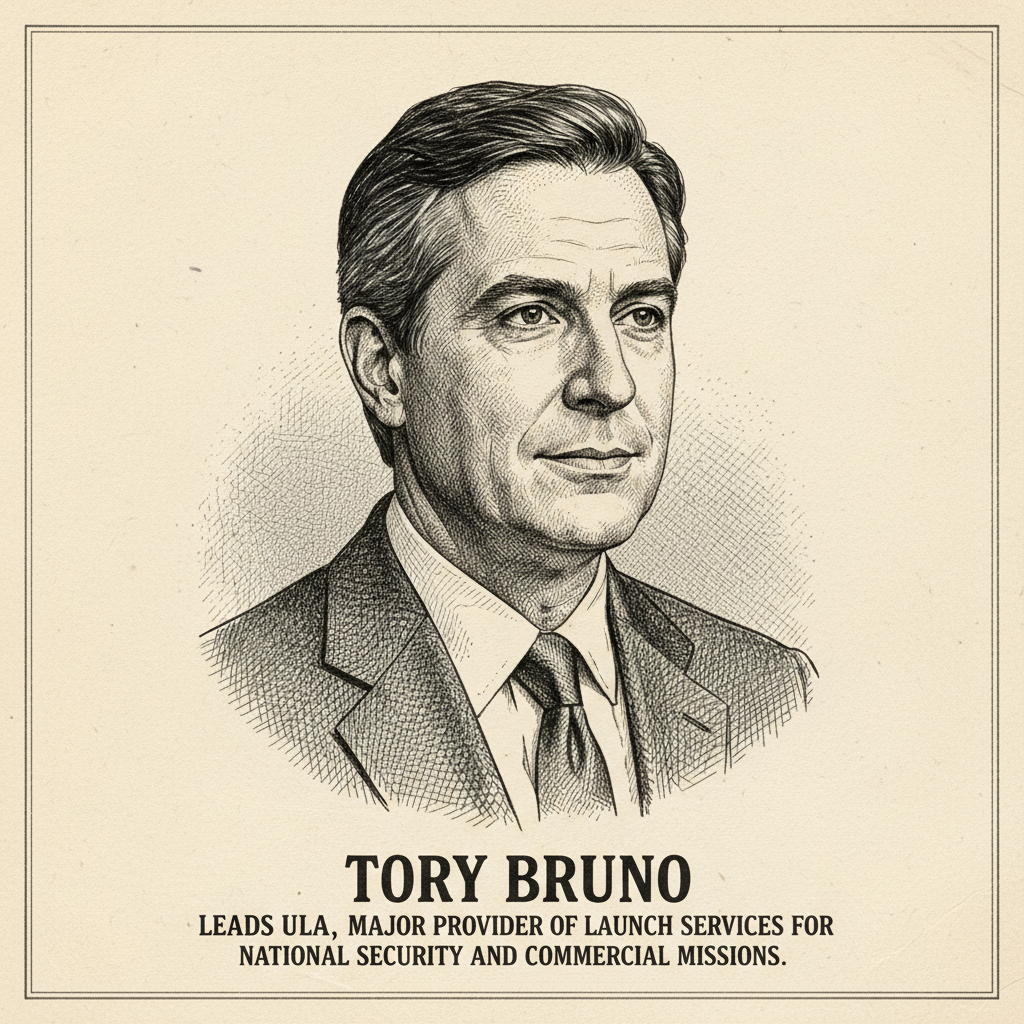
Tory Bruno is an American aerospace executive, renowned for his leadership and strategic redirection of United Launch Alliance (ULA). He orchestrated a critical pivot from exclusive government contracts to competing in the commercial launch market, introducing new launch vehicle families like Vulcan Centaur and fostering innovation in propulsion and manufacturing.
Biography
Accomplishments
- 01Orchestrated ULA's pivot from a sole-source government contractor to a commercially competitive launch provider, securing critical contracts against new market entrants.
- 02Led the development and introduction of the Vulcan Centaur launch vehicle, ULA's next-generation rocket designed to replace the Atlas V and Delta IV, and securing Amazon's Project Kuiper launch contract (77 launches).
- 03Successfully managed the transition away from the Russian-made RD-180 engine, securing the BE-4 engine from Blue Origin for the Vulcan Centaur.
- 04Implemented significant cost-reduction initiatives and streamlined ULA's operational processes to improve efficiency and market competitiveness.
- 05Maintained ULA's impeccable mission success record, a critical differentiator in both government and commercial launch markets.
- 06Secured substantial government contracts, including critical national security space launches for the U.S. Space Force's National Security Space Launch (NSSL) program (Phase 2 Launch Service Procurement).
Lessons for Operators
Key Takeaways
Practical lessons distilled for operators, investors, C-levels, and capital allocators.
Proactive Market Adaptation
Bruno's tenure at ULA exemplifies the necessity for established enterprises to anticipate market shifts and vigorously pursue strategic realignment. His decision to pivot ULA towards commercial competition, rather than relying solely on legacy government contracts, was crucial for survival and growth.
Innovation as a Competitive Differentiator
The development of the Vulcan Centaur rocket demonstrates a commitment to leveraging technological innovation to regain market share. This investment in R&D for a new launch platform, including a new engine, positions ULA for long-term relevance against agile competitors.
Supply Chain Diversification
The strategic decision to replace the RD-180 engine with Blue Origin's BE-4 was a critical move to de-risk ULA's operational capabilities from geopolitical dependencies, highlighting the importance of resilient supply chain management.
Balancing Legacy and Future
Bruno effectively managed the operational continuity of existing programs (Atlas V, Delta IV) while simultaneously championing the development of the Vulcan Centaur. This balance ensures current capabilities are maintained while future revenue streams are cultivated.
Cost Efficiency in High-Tech Sectors
In an industry often characterized by high costs, Bruno's focus on cost reduction and operational streamlining was essential to compete with lower-cost entrants, proving that efficiency is paramount even in technologically advanced fields.
Frameworks & Principles
Named frameworks and strategic principles they popularized or embodied.
Disruptive Innovation Management (Clayton Christensen)
Bruno proactively identified and responded to disruptive threats from new space companies. Instead of clinging to traditional business models, he initiated ULA's pivot towards a more competitive and commercially viable strategy, developing a 'disruptive' product (Vulcan Centaur) to counteract external disruption.
When to useApplicable when an incumbent firm faces threats from lower-cost or simpler offerings that initially target underserved markets but eventually overtake mainstream segments. Use to plan strategic responses, including developing competing disruptive technologies or transforming business models.
Blue Ocean Strategy (W. Chan Kim & Renée Mauborgne)
While still operating in a 'red ocean' with SpaceX, ULA under Bruno has sought to differentiate by emphasizing reliability, mission assurance, and certain unique capabilities of Vulcan (e.g., dual manifest flexibility for government users), attempting to create new value for specific customer segments beyond pure cost competition.
When to useUseful when seeking to move beyond direct competition and create new market space or significantly differentiate offerings. Apply when analyzing untapped customer needs, reducing unnecessary costs, and enhancing value components to create a compelling new value proposition.
Portfolio Management Strategy
Bruno has effectively managed ULA's launch vehicle portfolio, transitioning from Atlas V and Delta IV to the Vulcan Centaur. This involved strategic decision-making on where to invest, when to sunset older products, and how to introduce new ones while maintaining customer commitments.
When to useEmploy when optimizing resource allocation across multiple products, services, or projects. Use to evaluate the strategic fit, risk, and return of individual elements within a portfolio and make informed decisions on investment, divestment, and development phases.
Recent Appearances
Latest interviews, keynotes, and press from the past half year.
 youtube.com
 youtube.com
 youtube.com
 youtube.com
 youtube.com
 youtube.com
 youtube.com
 youtube.com
 youtube.com
 youtube.com
 youtube.com
 youtube.com
 youtube.com
 youtube.com
 youtube.com
 youtube.com
 youtube.com
 youtube.com
 youtube.com
 youtube.com
 youtube.com
 youtube.comyoutube.com
 youtube.com
 youtube.com
 youtube.com
 youtube.com
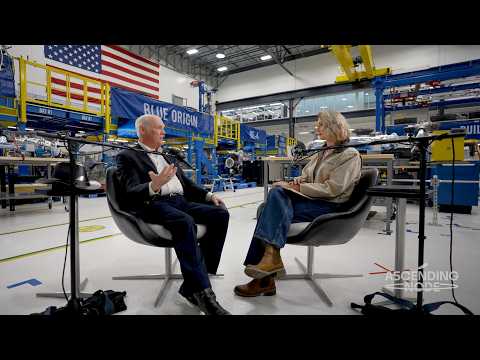 youtube.com
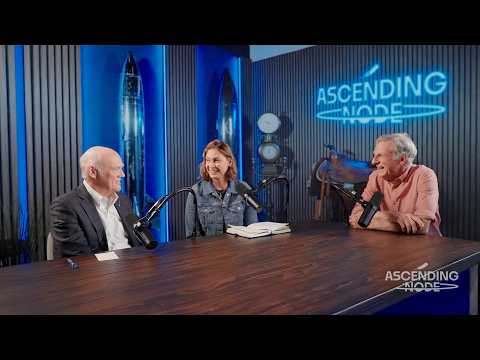 youtube.com
Sources & Further Reading
Profiles, interviews, podcasts, and articles used to compile and verify this entry. Each link opens at the original publisher.
Explore Related Titans
Other figures in the archive who share Tory Bruno's domain, geography, or era.
More in Transportation & Logistics







From United States







Contemporaries — born 1960s