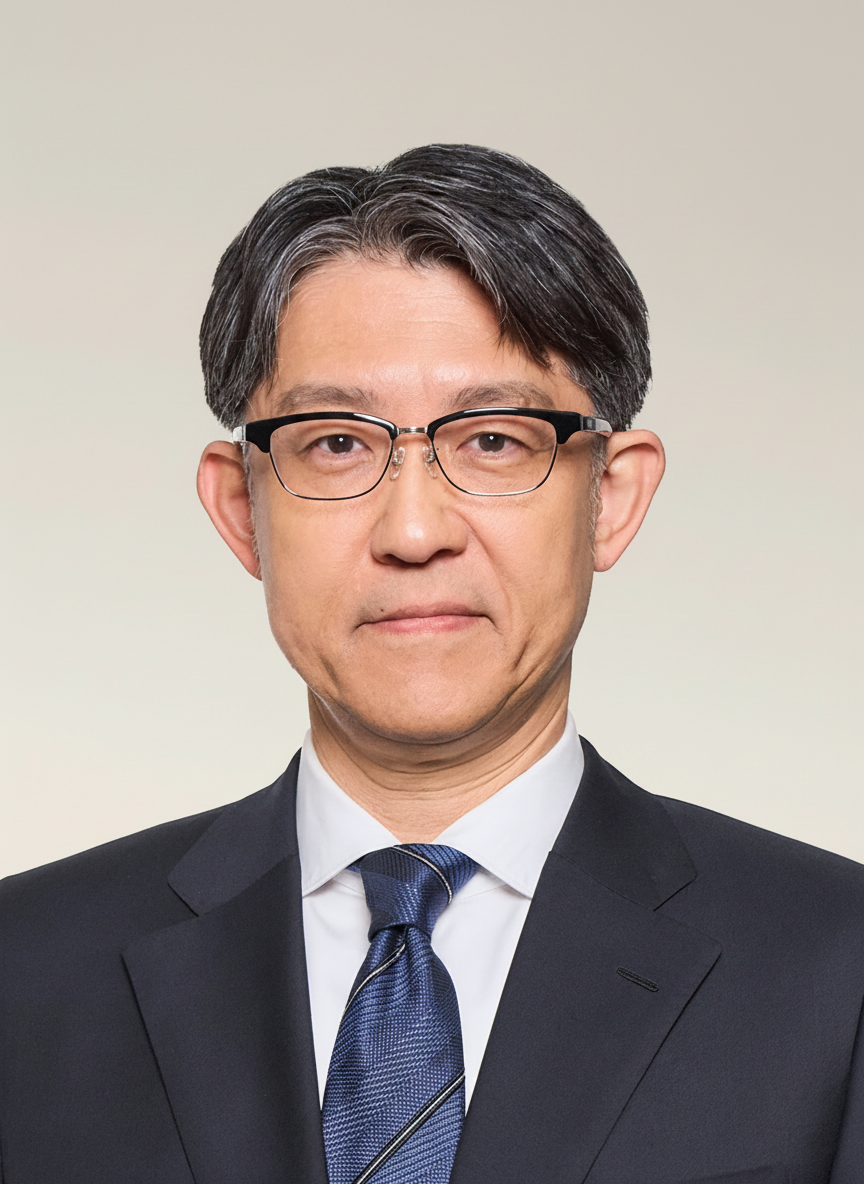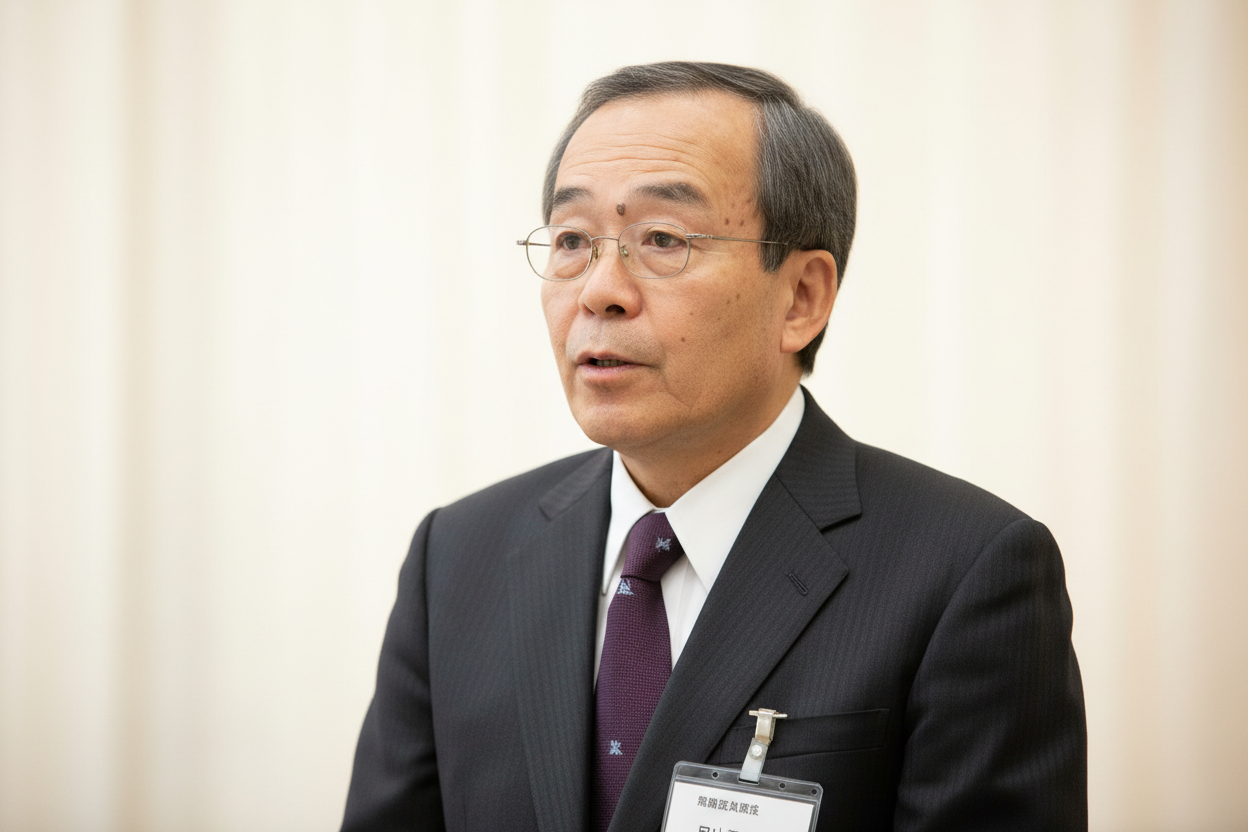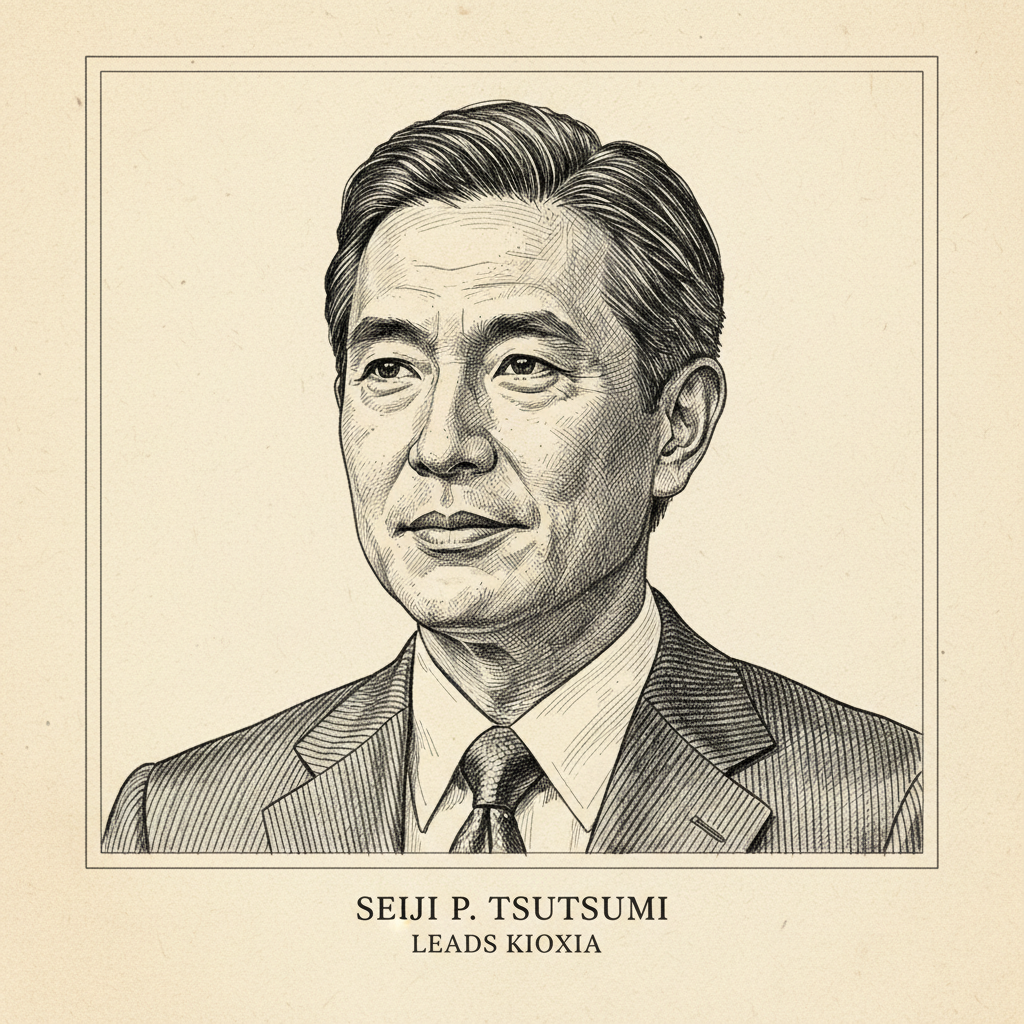
Seiji P. Tsutsumi
Architect of memory industry consolidation and strategic IP monetization.
Seiji P. Tsutsumi is a prominent executive in the semiconductor industry, recognized for his leadership at Kioxia Corporation (formerly Toshiba Memory) during a period of significant strategic pivoting, including its separation from Toshiba and navigation of intense global competition and consolidation within the NAND flash memory market. His tenure focused on re-establishing Kioxia's independence, securing crucial capital, and driving technological advancement.
Biography
Accomplishments
- 01Successfully led the spin-off and establishment of Kioxia Corporation (formerly Toshiba Memory) as an independent entity in 2018, securing an 18 billion USD acquisition by a Bain Capital-led consortium.
- 02Navigated Kioxia through periods of volatile memory market cycles, ensuring continued investment in R&D and manufacturing capabilities for 3D NAND flash technology.
- 03Maintained Kioxia's competitive position as a leading global supplier of NAND flash memory, critical for smartphones, data centers, and solid-state drives.
- 04Orchestrated Kioxia's strategic initiatives, including preparation for a multi-billion-dollar IPO, aimed at further solidifying its market standing and providing liquidity for investors.
- 05Fostered strategic collaborations and partnerships within the semiconductor ecosystem to enhance supply chain resilience and technology development.
- 06Steered Kioxia during periods of significant global trade tensions and supply chain disruptions, ensuring operational continuity and market responsiveness.
Lessons for Operators
Key Takeaways
Practical lessons distilled for operators, investors, C-levels, and capital allocators.
Strategic Independence & Capital Formation
For enterprises with viable, high-value segments trapped within larger conglomerates, a spin-off or divestiture can be a powerful mechanism to unlock value and attract dedicated capital. The complexities of forming a multi-party investor consortium, as seen with Kioxia, highlight the importance of expert financial and legal advisory.
Technology & IP as Core Value Drivers
In technology-driven sectors like semiconductors, proprietary intellectual property is the fundamental engine of growth and competitive differentiation. Sustained allocation towards R&D, patent protection, and talent acquisition in core technological areas is non-negotiable for long-term viability. This forms the basis of investment theses for fund managers.
Navigating Geopolitical & Market Volatility
The semiconductor industry is uniquely exposed to global trade policies, geopolitical tensions, and cyclical demand. Leaders must develop robust strategies for supply chain resilience, market diversification, and regulatory compliance to mitigate risk and ensure operational stability in an unpredictable global landscape. This demands a proactive, rather than reactive, approach to risk management for C-levels.
IPO Readiness vs. Market Timing
Bringing a company public involves significant internal preparation (governance, financial reporting, growth story) but equally critical is external market timing. The ability to pivot and delay a public offering based on adverse market conditions, rather than forcing it, demonstrates prudent leadership in capital markets decisions. Capital allocators should scrutinize this balance in private portfolio companies.
Consolidation as a Path to Scale
The memory industry is characterized by significant consolidation, driven by capital intensity and the need for scale to fund R&D and achieve efficiency. Enterprises in similar industries should evaluate strategic M&A or divestitures as levers for strengthening market position and resource optimization, rather than passively observing consolidation around them.
Frameworks & Principles
Named frameworks and strategic principles they popularized or embodied.
Porter's Five Forces (Adapted for Semiconductor)
Analyzing competition, supplier power, buyer power, threat of new entrants, and threat of substitutes, but with specific emphasis on IP landscapes, capital expenditure requirements, and global supply chain dependencies rather than traditional barriers.
When to useWhen evaluating potential investments in the semiconductor or adjacent hardware sectors, understanding the structural attractiveness and competitive dynamics of specific market segments (e.g., NAND vs. DRAM, mature nodes vs. leading edge).
Resource-Based View (RBV)
Focuses on identifying and leveraging internal core competencies and valuable, rare, inimitable, and non-substitutable (VRIN) resources such as proprietary manufacturing processes, advanced IP portfolios, and specialized human capital as sources of sustainable competitive advantage.
When to useFor C-levels and fund managers assessing a company's deep-rooted competitive advantage beyond market share, particularly in technology-intensive industries where IP and unique operational capabilities drive value (e.g., Kioxia's 3D NAND development).
Capital Allocation Strategy Grid
A framework for prioritizing and allocating capital across various initiatives such as R&D, CapEx for manufacturing expansion, M&A, debt reduction, and shareholder returns, often balancing short-term financial performance with long-term strategic growth.
When to useBy Operators and Boards when making critical investment decisions, especially in industries requiring substantial, ongoing capital investment. Helps ensure investments align with strategic objectives and financial health, as seen in Kioxia's multi-billion dollar fab investments.
Explore Related Titans
Other figures in the archive who share Seiji P. Tsutsumi's domain, geography, or era.
More in Technology









From Japan