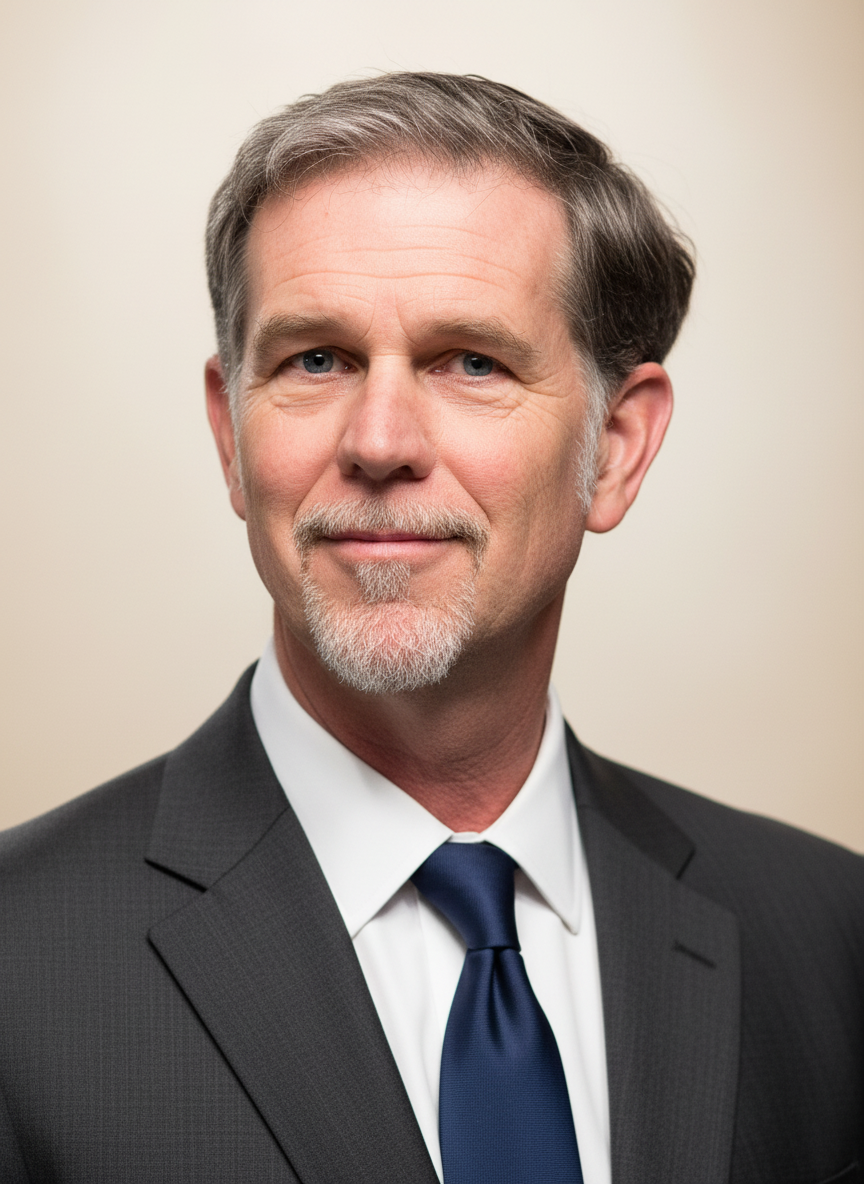
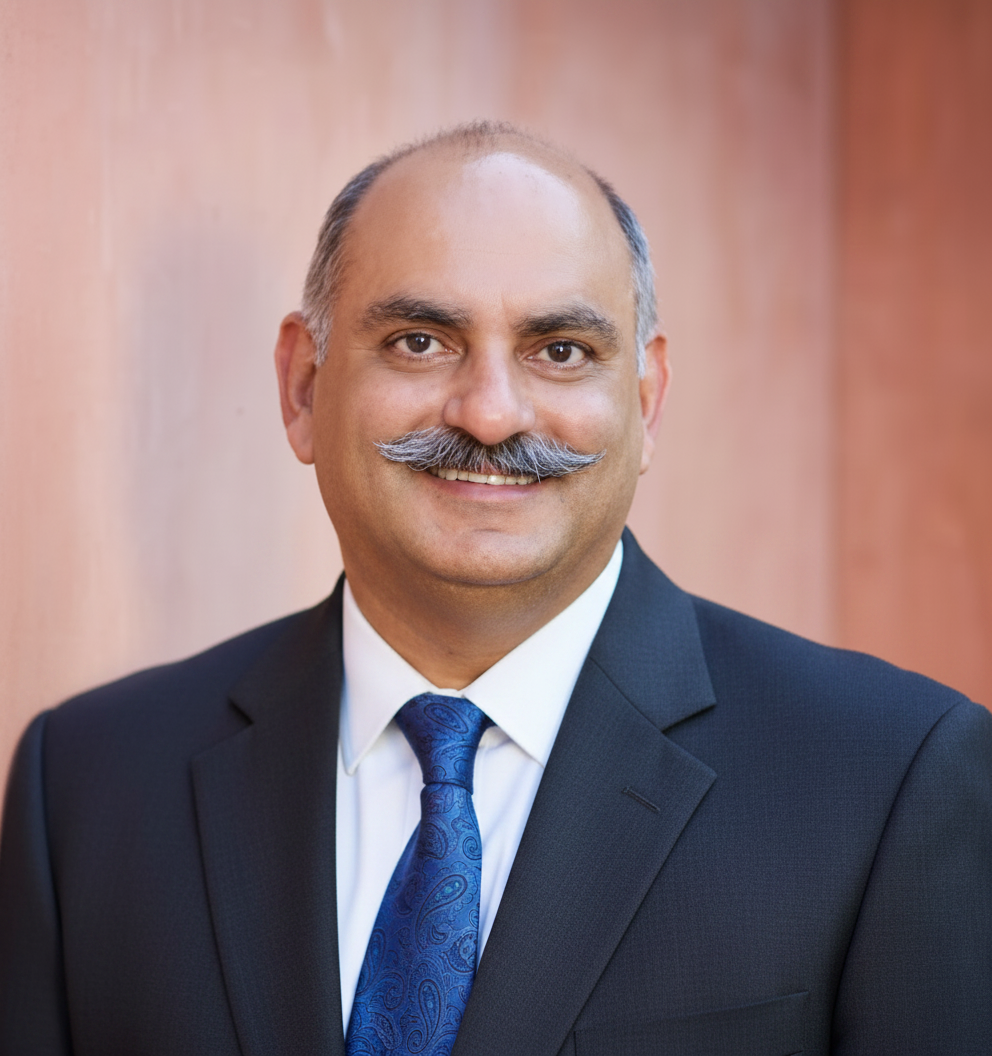
Robert D. Lightfoot Jr.
Former Acting NASA Administrator and industry leader driving human spaceflight and commercial aerospace innovation.
Robert D. Lightfoot Jr. is an American aerospace engineer and executive renowned for his extensive career at NASA, culminating as the agency's Acting Administrator. Following his NASA tenure, he transitioned to the private sector, notably joining Lockheed Martin, where he leads the Space sector, significantly influencing commercial and government space initiatives.
Biography
Accomplishments
- 01Served as Acting Administrator of NASA (January 2017 - April 2018), maintaining continuity and advancing critical programs during a leadership transition.
- 02Led NASA's Marshall Space Flight Center as Director (2009-2012), overseeing development of critical propulsion elements for the Space Launch System (SLS).
- 03Pioneered the transition from Space Shuttle operations to the International Space Station and future deep space missions through leadership roles at NASA.
- 04Currently leads Lockheed Martin Space as Executive Vice President, overseeing a $12 billion business sector and over 22,000 employees globally.
- 05Instrumental in advancing the Orion spacecraft program and ensuring its readiness for exploration missions, including Artemis I.
- 06Championed initiatives within Lockheed Martin to develop next-generation satellite technologies and missile defense systems for national security.
- 07Successfully navigated complex budgetary and political environments during his NASA tenure to secure funding and support for key exploration programs.
Lessons for Operators
Key Takeaways
Practical lessons distilled for operators, investors, C-levels, and capital allocators.
Navigate Transitions with Stability
Lightfoot's calm stewardship as Acting NASA Administrator exemplifies how consistent leadership can maintain program momentum and employee morale during periods of organizational uncertainty. Leaders must maintain strategic focus regardless of flux.
Engineer-Led Vision
His trajectory demonstrates the power of a deep engineering foundation coupled with executive acumen. Operators should invest in leaders who possess both technical credibility for complex undertakings and the strategic foresight to guide large organizations.
Bridge Public and Private Sectors
Lightfoot's career seamlessly transitions between government and commercial aerospace, highlighting the increasing interdependence of these sectors. Investors and strategists should identify leaders capable of leveraging insights and relationships across these divides to unlock new opportunities.
Program Longevity Through Adaptability
Successfully guiding programs like SLS and Orion through decades of development and shifting political winds underscores the necessity of strategic adaptability and unwavering commitment to long-term goals. Enterprise leaders must build flexibility into protracted initiatives.
Strategic Portfolio Management
At Lockheed Martin Space, Lightfoot manages a vast array of programs. This illustrates the criticality of aligning diverse assets (satellites, human spaceflight, missile systems) under a unified strategic vision to maximize market penetration and operational efficiency.
The Value of Institutional Knowledge
His decades at NASA, from engineer to Acting Administrator, provided invaluable institutional knowledge that now informs his private sector role. Companies should strategize to retain or acquire leaders with deep historical context in their respective industries.
Frameworks & Principles
Named frameworks and strategic principles they popularized or embodied.
Mission-Driven Continuity
A leadership approach focused on sustaining core objectives and program execution even amid external leadership changes or political shifts. Emphasizes stability and strategic consistency.
When to useDuring C-suite transitions, governmental administration changes, or major external market disruptions where maintaining operational momentum and stakeholder confidence is paramount.
Integrated Public-Private Strategy
A strategic framework that intentionally seeks to bridge government objectives and private sector capabilities, leveraging shared goals to accelerate technological development, market growth, and resource optimization.
When to useIn industries with significant government procurement or regulatory oversight (e.g., aerospace, defense, healthcare), or when developing cutting-edge technologies that require large-scale investment and long-term vision best supported by public-private synergies.
Technical Acumen for Executive Decision-Making
A leadership model where individuals with deep technical expertise ascend to executive roles, allowing for more informed and pragmatic strategic decisions in complex, engineering-intensive domains.
When to useIn organizations or sectors where core business relies heavily on scientific, engineering, or highly specialized technical processes. It ensures strategic directives are grounded in technical feasibility and practical implementation.
Long-Duration Program Resilience
A planning and execution framework designed for projects spanning many years or decades, emphasizing adaptability to changing requirements, consistent stakeholder engagement, and robust risk management to ensure sustained progress.
When to useFor capital-intensive projects with extended development cycles (e.g., infrastructure, major R&D, space exploration, large defense systems), where maintaining vision and securing ongoing support over long timelines is critical.
Explore Related Titans
Other figures in the archive who share Robert D. Lightfoot Jr.'s domain, geography, or era.
More in Transportation & Logistics









From United States








Contemporaries — born 1960s