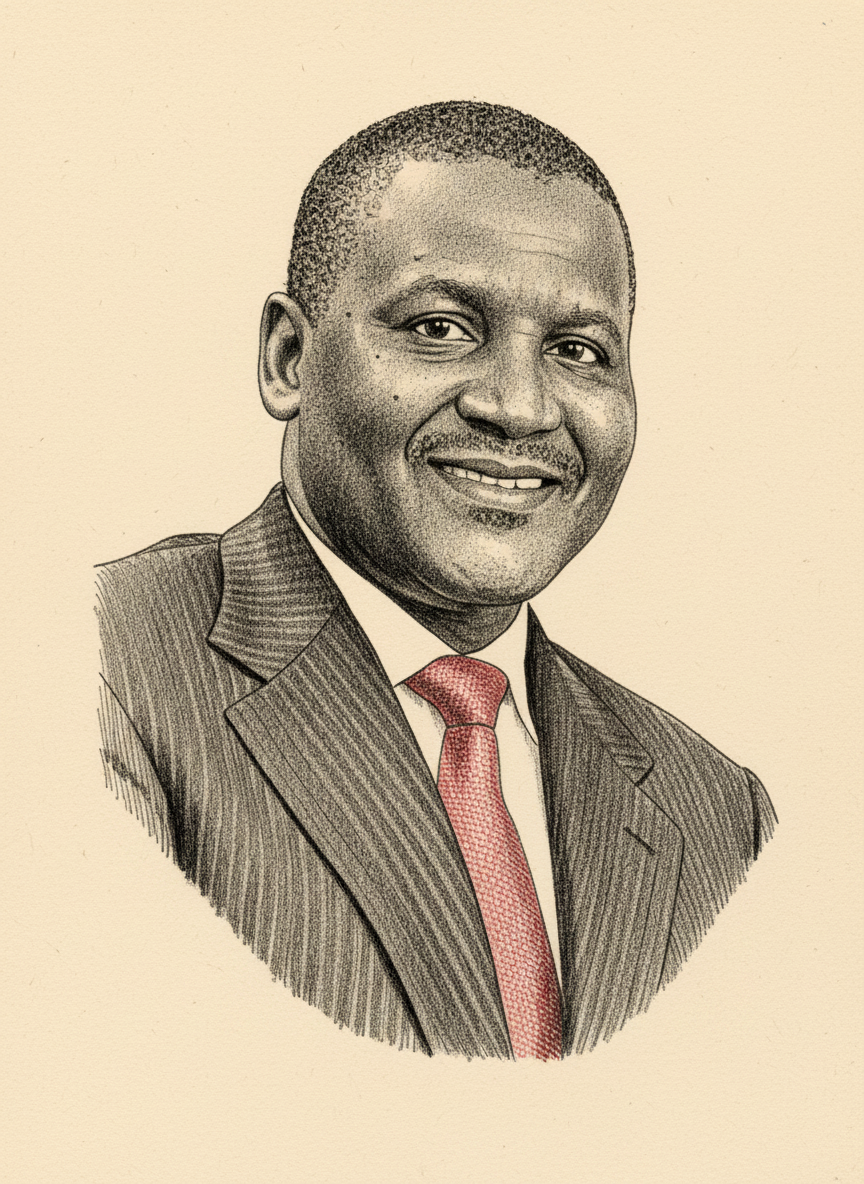
Paul Otellini
The CEO who navigated Intel through a period of peak PC dominance while missing the mobile revolution.
Paul S. Otellini was an American businessman who served as the fifth CEO of Intel Corporation, the world's largest semiconductor chip manufacturer, from 2005 to 2013. He was the first non-engineer to lead the company, having spent his career in finance, sales, and operations.
Biography
Accomplishments
- 01Led Intel to record revenues during his tenure, including a peak of $53.3 billion in 2012, more than doubling the company's annual revenue from 2005.
- 02Orchestrated the transition to multi-core processors, including the Core 2 Duo (2006) and Core i-series (2008) architectures, maintaining Intel's dominance in the PC and server markets.
- 03Secured the 'Intel Inside' partnership with Apple for Macintosh computers in 2005, a significant strategic win that diversified Intel's client base.
- 04Executed major acquisitions including McAfee (2011) and Infineon's wireless assets (2011), aiming to expand Intel's portfolio beyond traditional PC processors.
- 05Maintained Intel's significant R&D investment, ensuring leadership in process technology (e.g., 45nm, 32nm, 22nm nodes) during his tenure.
Lessons for Operators
Key Takeaways
Practical lessons distilled for operators, investors, C-levels, and capital allocators.
Forecasting and Decisive Action for Market Inflection Points
Otellini's tenure underlines the critical importance for leaders to possess acute market foresight and to act decisively on emerging trends, even if it means risking existing revenue streams. Procrastination or insufficient investment in new platforms, especially during an inflection point, can lead to significant market share loss.
Strategic Acquisition for Future Alignment
Acquisitions should primarily serve as accelerators for strategic realignment towards future growth vectors, not merely as expansions of current product lines. The McAfee and Infineon acquisitions, while substantial, did not fundamentally alter Intel's trajectory into mobile in a timely or sufficient manner.
Overcoming Organizational Inertia
Even highly successful companies can suffer from organizational inertia, particularly when a new market opportunity demands a different cost structure, speed, or design philosophy. CEOs must actively challenge ingrained structures, incentives, and cultural norms to enable adaptation.
Strategic Vulnerability Amidst Profitability
High profitability in a core business can inadvertently breed complacency and mask strategic vulnerabilities. Leadership must employ robust scenario planning and actively seek out 'weak signals' of disruption, ensuring that the company prioritizes long-term strategic health over short-term earnings.
Frameworks & Principles
Named frameworks and strategic principles they popularized or embodied.
The Innovator's Dilemma (Clayton Christensen)
Explains how successful, well-managed companies can fail by listening to their customers and continuing to invest in 'sustaining' technologies while ignoring 'disruptive' technologies that initially appeal to niche or lower-margin markets but eventually displace incumbents.
When to useApplicable when evaluating whether to invest in new, potentially less profitable technologies that could disrupt core revenue streams, or when assessing why market leaders falter when faced with new market paradigms.
Ansoff Matrix (Product/Market Expansion Grid)
A strategic planning tool that helps businesses decide their product and market growth strategies, categorizing them into market penetration, market development, product development, and diversification.
When to useUseful for assessing growth opportunities, particularly in deciding whether to push existing products into new markets (Intel's attempt at mobile with Atom) or develop new products for existing markets, or completely diversify into new product-market segments.
Porter's Five Forces
Analyzes industry attractiveness and profitability by examining five forces: threat of new entrants, buyer power, threat of substitute products or services, supplier power, and competitive rivalry.
When to useValuable for understanding industry dynamics and Intel's position within them, both in the entrenched PC market and the emerging mobile market where ARM-based architectures represented a significant substitute threat and new entrants.
Sources & Further Reading
Profiles, interviews, podcasts, and articles used to compile and verify this entry. Each link opens at the original publisher.
Explore Related Titans
Other figures in the archive who share Paul Otellini's domain, geography, or era.
More in Technology







From USA








Contemporaries — born 1950s