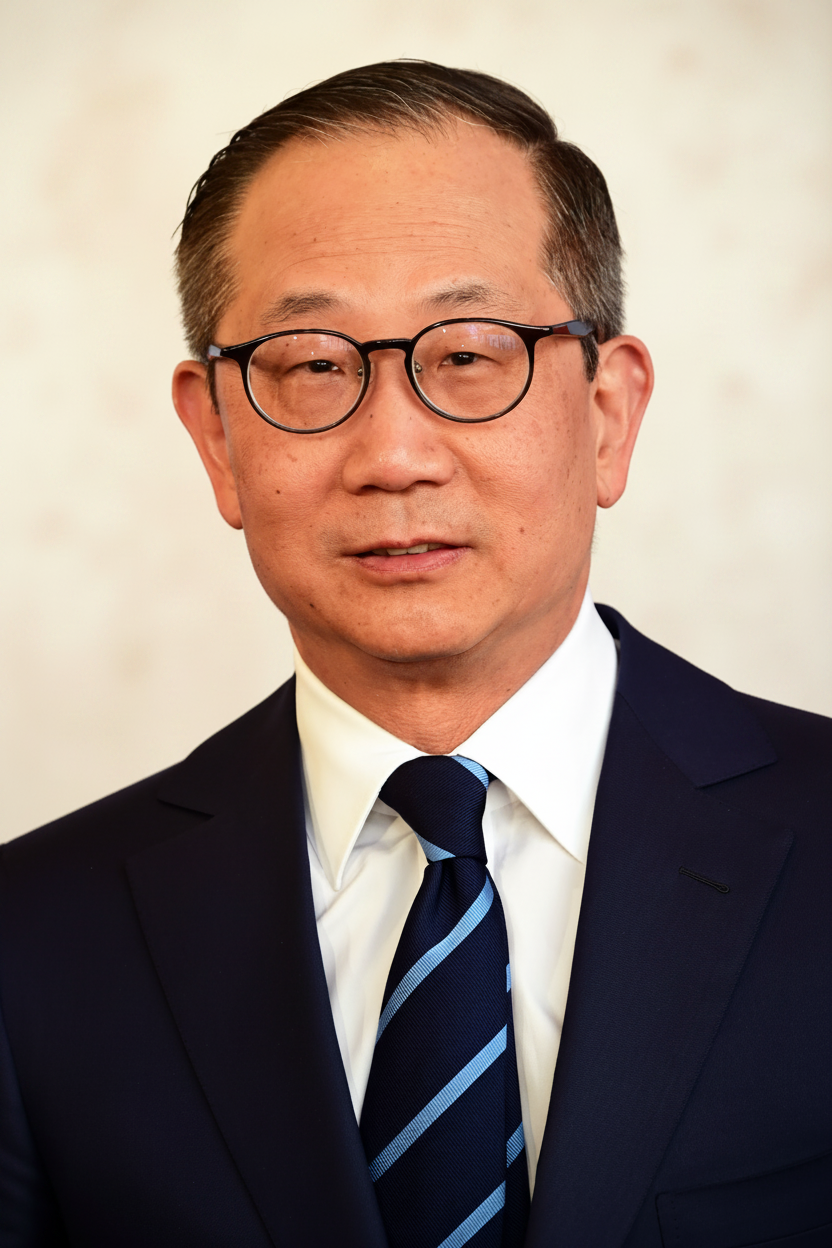
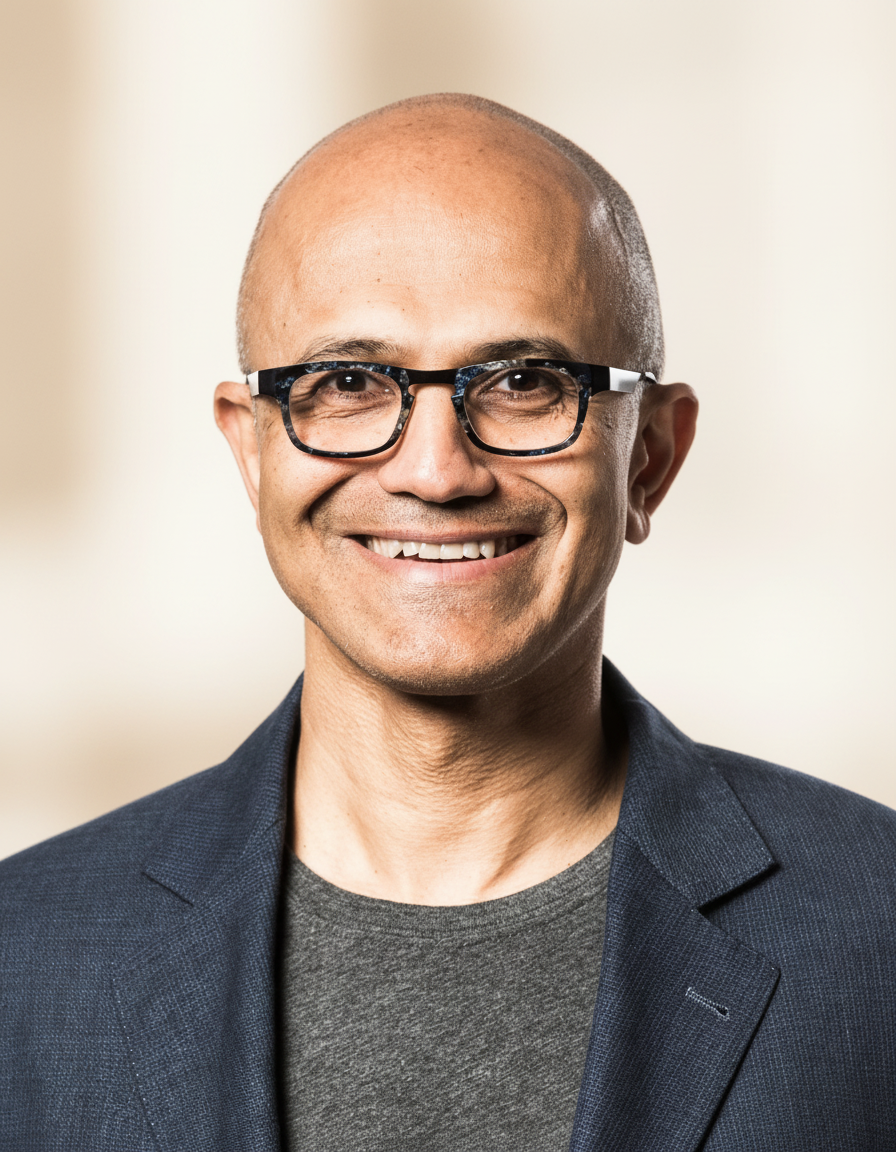
Kewsong Lee
A former Co-CEO of Carlyle, Kewsong Lee was instrumental in leading one of the world's largest private equity firms through significant growth and strategic repositioning.
Kewsong Lee is an American businessman and private equity executive. He served as Co-Chief Executive Officer of The Carlyle Group from January 2018 to August 2022, having previously held roles as Deputy Chief Investment Officer, Head of the Global Credit division, and Deputy Head of Corporate Private Equity. His career prior to Carlyle included time at Warburg Pincus and McKinsey & Company.
Biography
Accomplishments
- 01Co-led The Carlyle Group as Co-Chief Executive Officer from 2018 to 2022, overseeing significant asset growth and strategic diversification.
- 02Instrumental in expanding Carlyle's Global Credit platform from 2013 onwards, substantially growing its assets under management and product offerings.
- 03Served as a Partner at Warburg Pincus for over two decades, playing a key role in numerous successful private equity investments in financial services and business services.
- 04Led Carlyle through a period of market volatility, demonstrating resilience in investment performance and fundraising.
- 05Implemented initiatives to enhance operational rigor and institutionalize investment processes across Carlyle's diverse investment strategies.
Lessons for Operators
Key Takeaways
Practical lessons distilled for operators, investors, C-levels, and capital allocators.
Diversify Your Capital Streams
Kewsong Lee's expansion of Carlyle's credit division illustrates the importance of building multiple, complementary capital strategies. Operators should consider how to create varied revenue streams beyond their core business; investors should examine firms' efforts to diversify capital sources and investment products for resilience.
Embrace Strategic Transitions
Lee's appointment as Co-CEO reflected a planned leadership transition. Both operators contemplating succession and investors evaluating management teams should scrutinize the thoughtfulness and structure of such transitions, as they are critical junctures for an organization's future direction and stability.
Institutionalize for Scale
Lee emphasized strengthening investment processes and operational rigor at Carlyle. For operators, this means standardized decision-making, robust data analysis, and scalable systems. For investors, it means looking for firms that aren't overly reliant on a few 'star' performers but have deeply embedded, repeatable processes.
Value Creation Beyond Leverage
While private equity is associated with leverage, Lee's tenure highlighted value creation through operational improvements, strategic growth, and disciplined investing across various asset classes. Operators should focus on fundamental business improvement; investors should prioritize private equity managers with a clear, demonstrable operational value-add playbook.
Frameworks & Principles
Named frameworks and strategic principles they popularized or embodied.
Multi-Asset Class Ecosystem Development
Building out a comprehensive suite of investment products across different asset classes (e.g., private equity, growth equity, credit, real estate) to capture a broader investor base and diversify revenue streams. This approach also allows for cross-pollination of knowledge and opportunities.
When to useWhen an organization has established expertise in one asset class and seeks to expand its total addressable market, enhance client offerings, and create a more resilient business model less susceptible to cycles in a single market segment.
Institutionalized Investment Process
Implementing standardized, data-driven, and repeatable processes for deal sourcing, due diligence, investment decision-making, and portfolio management. This minimizes reliance on individual judgment and enhances scalability and consistency.
When to useEssential for any organization scaling its investment activities, particularly in private markets, to ensure disciplined capital allocation, mitigate risk, and facilitate growth across multiple teams and geographies.
Co-Leadership Transition Model
A leadership succession strategy where two executives share the top executive role for a defined period, often to manage generational change, integrate different skill sets, or ensure a smooth handover of responsibilities and culture.
When to useApplicable during significant leadership transitions in large, complex organizations, especially when there's a need to balance continuity with new strategic direction, or to combine distinct but complementary leadership strengths.
Sources & Further Reading
Profiles, interviews, podcasts, and articles used to compile and verify this entry. Each link opens at the original publisher.
Explore Related Titans
Other figures in the archive who share Kewsong Lee's domain, geography, or era.
More in Finance & Investing








From United States






Contemporaries — born 1960s