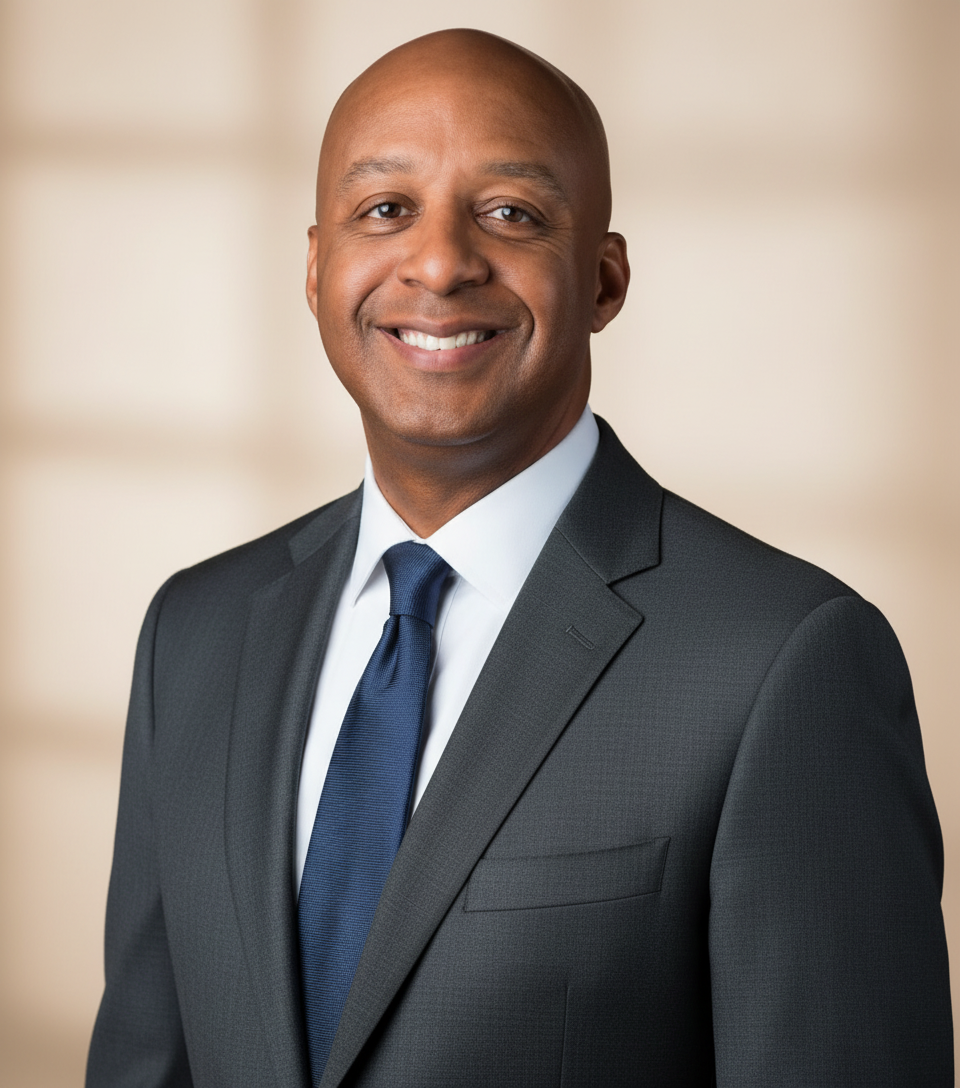
Rosalind Brewer
A transformational executive recognized for driving strategic growth and operational excellence across diverse retail and pharmacy sectors.
Rosalind G. Brewer is an American businesswoman known for her executive leadership across multiple Fortune 500 companies. She holds the distinction of being the first woman CEO of Walgreens Boots Alliance, group president and COO of Starbucks, and CEO of Sam's Club. She is currently the interim president of Spelman College and a member of the President's Export Council.
Biography
Accomplishments
- 01First woman to serve as CEO of Walgreens Boots Alliance (2021-2023), leading its healthcare transformation and digital strategy.
- 02First woman to serve as Group President and Chief Operating Officer at Starbucks (2017-2021), overseeing global operations, supply chain, and digital initiatives.
- 03First woman and first African American to serve as CEO of Sam's Club (2012-2017), driving membership growth and e-commerce expansion.
- 04Held various executive leadership positions at Kimberly-Clark Corporation for 22 years, culminating as president of the Global Nonwovens Sector.
- 05Currently serves as interim president of Spelman College and a member of the President's Export Council, demonstrating continued civic and educational leadership.
- 06Served on the boards of multiple prominent companies, including Amazon, Starbucks, and Kimberly-Clark, providing strategic guidance.
Lessons for Operators
Key Takeaways
Practical lessons distilled for operators, investors, C-levels, and capital allocators.
Leverage Core Competencies Across Sectors
Brewer's success in diverse industries (consumer goods, retail, and pharmacy) illustrates that strong foundations in operations, general management, and strategic execution are highly transferable. Investors and operators should seek leaders who can translate foundational skills into new contexts.
Prioritize Digital and Customer Experience
Her tenure at Sam's Club and Starbucks emphasized digital enhancements and customer engagement. Businesses must continuously invest in technology to improve the customer journey, streamline operations, and stay competitive in evolving markets. This is non-negotiable for C-level executives.
Embrace Transformational Leadership
Brewer consistently took on roles that required significant change management, such as the healthcare transformation at WBA. Leaders should be prepared to challenge the status quo and aggressively pursue strategic shifts necessary for long-term growth and relevance.
Board Experience Enhances Strategic Insight
Serving on boards like Amazon provides unique exposure to diverse business models and governance best practices. This broadens a leader's strategic perspective, which is invaluable for C-levels engaged in capital allocation and long-term planning.
Leadership Diversity Breeds Innovation
As a trailblazer for women and African Americans in top executive roles, Brewer's career exemplifies how diverse leadership can inject fresh perspectives and drive innovative solutions. Organizations should actively cultivate diversity at all levels, particularly executive.
Frameworks & Principles
Named frameworks and strategic principles they popularized or embodied.
Omnichannel Integration Strategy
A strategy focusing on providing a seamless and consistent customer experience across all touchpoints, whether online, mobile, or in-store. Brewer implemented elements of this at Sam's Club and Walgreens.
When to useApplicable when a business operates across multiple channels and aims to unify the customer journey, improve satisfaction, and drive loyalty. Essential for retail, healthcare, and service industries.
Digital Transformation Roadmap
A structured plan for integrating digital technology into all areas of a business, fundamentally changing how it operates and delivers value to customers. Brewer led this at WBA and Starbucks.
When to useWhen an organization needs to modernize its operations, enhance customer engagement through technology, or adapt to a digitally-driven market. Crucial for legacy businesses facing disruption.
Operational Excellence Model
A philosophy and set of principles that emphasizes continuous improvement in processes, quality, and efficiency to deliver superior customer value at lower cost. Brewer's background at Kimberly-Clark and as COO at Starbucks highlights this.
When to useApplicable in any organization seeking to optimize its internal processes, reduce waste, improve product/service quality, and enhance overall profitability. Fundamental for large-scale operations.
Recent Appearances
Latest interviews, keynotes, and press from the past half year.
 youtube.com
 youtube.com
 youtube.com
 youtube.com
 youtube.com
 youtube.com
Sources & Further Reading
Profiles, interviews, podcasts, and articles used to compile and verify this entry. Each link opens at the original publisher.
Explore Related Titans
Other figures in the archive who share Rosalind Brewer's domain, geography, or era.
More in Technology





From United States



Contemporaries — born 1960s