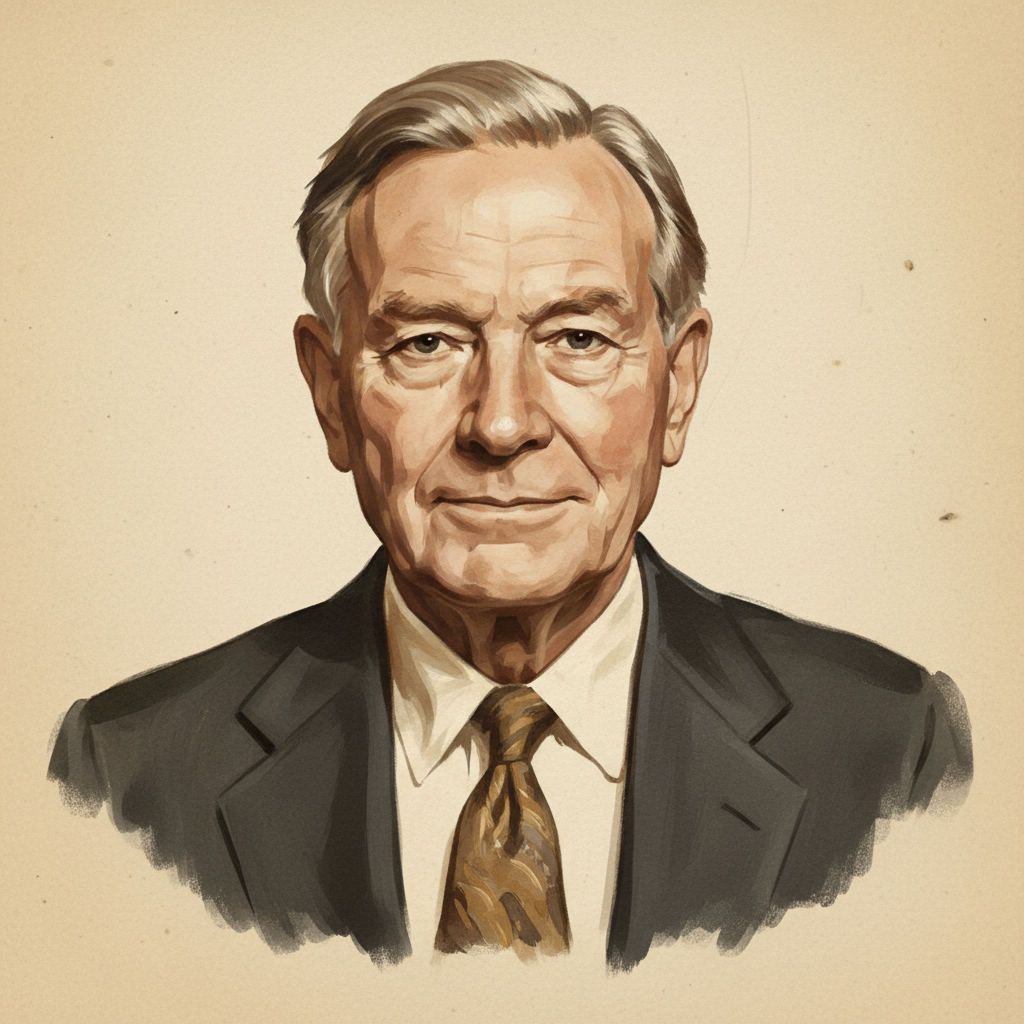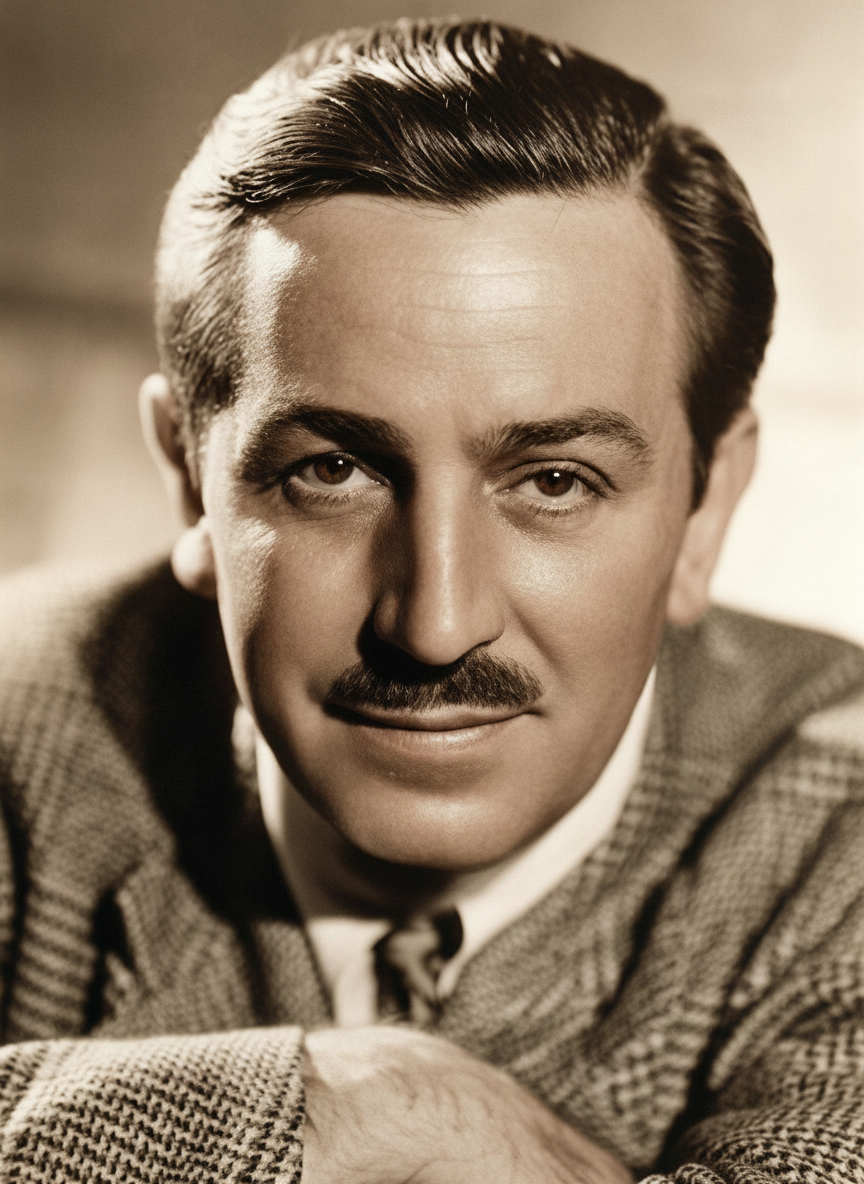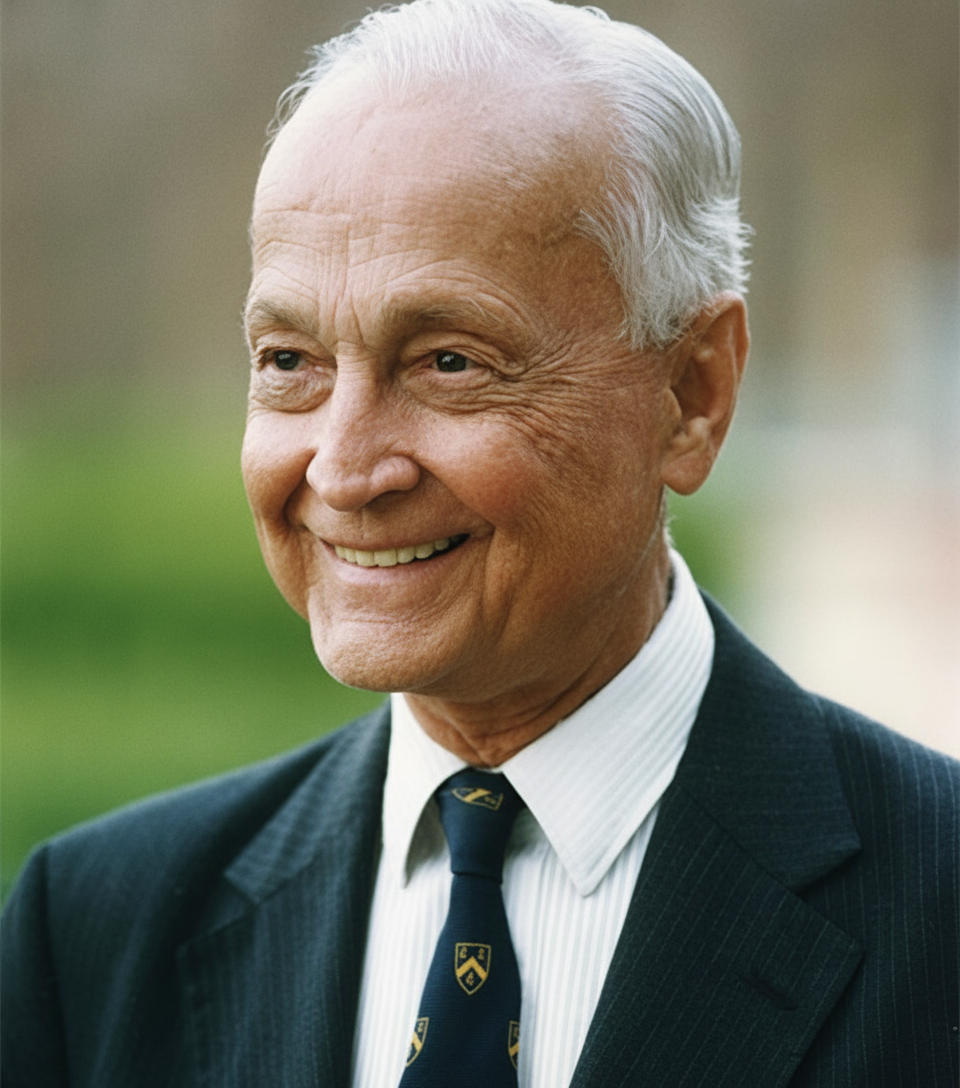
Portrait of John Templeton
Historical Mind · 1912 — 2008

John Templeton

Pioneer of global contrarian investing who institutionalized maximum-pessimism capital allocation and cross-border equity diversification.

Country
United States
Continent
North America
Industry
Asset Management / Investment Banking
Role
Fund Manager & Philanthropist

Sir John Marks Templeton was an American-born British investor, fund manager, and philanthropist who pioneered global mutual fund investing and systematic contrarian value investing. Founding the Templeton Growth Fund in 1954, he achieved an unprecedented compound annual return of roughly 14.5% over 38 years by systematically buying assets at the 'point of maximum pessimism' across unheralded foreign markets, notably post-war Japan.

Biography

John Marks Templeton was born on November 29, 1912, in Winchester, Tennessee. Raised during lean economic times, he demonstrated exceptional thrift and commercial discipline from youth. He entered Yale University in 1930, self-funding his education after the Wall Street crash depleted his family's savings, graduating top of his class and Phi Beta Kappa in 1934. He then attended Balliol College, Oxford, as a Rhodes Scholar, earning a law degree in 1936. During an extensive 35-country global tour following his studies, Templeton observed stark variances in economic infrastructure and capital valuation, laying the intellectual foundation for his international investment thesis. In 1939, as World War II broke out in Europe, Templeton executed his signature early trade: borrowing $10,000 from his former Wall Street boss, he instructed his broker to purchase $100 of every stock trading on major U.S. exchanges for under $1 per share. Out of 104 companies acquired—34 of which were in bankruptcy—only four proved completely worthless, and within four years the portfolio returned roughly $40,000, establishing his reputation for contrarian asset valuation. In 1940, he acquired a tiny investment counsel firm that became Templeton, Dobbrow & Vance. Recognizing the structural growth of retail capital pools, he launched the Templeton Growth Fund, Ltd. in 1954, incorporated in Canada to optimize tax exposure for long-term compound growth. Through the fund, Templeton became one of the first Western institutional investors to enter post-war Japan in the 1960s, deploying capital into high-growth, low-debt firms such as Hitachi and Matsushita at price-to-earnings multiples as low as 3x to 4x, while equivalent American firms traded at 15x to 20x. As Japanese valuations approached astronomical multiples above 60x in the mid-1980s, he systematically exited the market and rotated into depressed North American equities and emerging markets. In 1968, he relocated to Nassau, Bahamas, later renouncing his U.S. citizenship to become a British subject, reflecting his dedication to tax efficiency. In 1992, Templeton sold his management firm, Templeton, Galbraith & Hansberger, to Franklin Resources for $913 million, leaving him to focus on philanthropic pursuits via the John Templeton Foundation. Even in his late eighties, Templeton retained his contrarian precision: during the dot-com bubble in 1999–2000, he accurately predicted the collapse of technology stocks and personally cleared over $80 million by shorting high-flying internet equities precisely as their 180-day insider lockup periods expired. Templeton passed away in Nassau on July 8, 2008, at age 95.

Accomplishments

  • 01Generated a compound annual return of roughly 14.5% net of fees over a 38-year span (1954–1992) with the flagship Templeton Growth Fund, turning a $10,000 initial investment into several million dollars.
  • 02Institutionalized modern global mutual fund investing by creating cross-border structures that bypassed domestic home-bias constraints decades before international index benchmarks existed.
  • 03Pioneered Western institutional capital allocation into post-WWII Japan, purchasing premier industrial companies at price-to-earnings ratios below 4x before widespread economic re-emergence.
  • 04Executed the famous 1939 penny-stock liquidation arbitrage, buying 104 distressed companies priced under $1 during the outbreak of WWII and quadrupling capital within four years.
  • 05Engineered the $913 million sale of Templeton, Galbraith & Hansberger to Franklin Resources in 1992, creating the global asset management powerhouse Franklin Templeton.
  • 06Executed an asymmetric short campaign during the 2000 technology bubble collapse by systematically shorting 84 dot-com equities at the precise expiration of their post-IPO insider lockup windows.

Lessons for Operators

Accumulate inventory when market liquidity vanishes: the greatest risk-adjusted yields materialize at the point of maximum pessimism, when capitulation-driven selling severs asset price from intrinsic value.
Eradicate domestic investment bias: capital allocators who expand their screening mandates globally can exploit structural valuation discrepancies between distinct sovereign markets.
Enforce disciplined mean reversion by systematically harvesting gains when valuation multiples outstrip historical norms, rather than attempting to capture the final retail-driven speculative rally.
Exploit predictable microeconomic market structures, such as institutional equity supply overhangs during insider lockup expirations, to construct high-probability asymmetric trades.
Maintain low frictional costs and aggressive tax efficiency: structural operational leakages (taxes, commissions, administrative overhead) severely impair multi-decade compound terminal wealth.
Adopt absolute valuation metrics rather than relative industry comparisons; comparing an overpriced asset to an even more distorted peer group consistently produces catastrophic capital impairment.
The Operator's Playbook

Key Takeaways

Practical lessons distilled for operators, investors, C-levels, and capital allocators.

Lesson 01

Point of Maximum Pessimism

Capital is allocated with the highest margin of safety when consumer and institutional sentiment is unanimously negative, requiring fundamental baseline screening rather than consensus validation.

Lesson 02

Global Multiple Arbitrage

Identical industrial assets often trade at vast multi-standard-deviation valuation disparities simply because of sovereign border friction, localized market fear, or primitive accounting standards.

Lesson 03

Structural Catalysts Over General Sentiment

Effective short positions require mechanics-driven catalysts—such as supply-side lockup expiries—rather than vague convictions that an overvalued company will eventually drop.

Lesson 04

Decoupling Price From Narrative

Sustained long-term alpha demands an emotional detachment that views severe market dislocations purely as mathematical discounts on future earning power.

Mental Models

Frameworks & Principles

Named frameworks and strategic principles they popularized or embodied.

01

Point of Maximum Pessimism (PMP) Capital Allocation

A quantitative and qualitative screening methodology where asset allocators identify industries or sovereign jurisdictions experiencing acute, structural crises (e.g., wartime, financial defaults, localized sovereign contagion). The allocator screens for firms where enterprise value is below net liquid assets or liquidation value, and where operating survival for 3–5 years without external capital is statistically probable.

When to useDeploy during broad macroeconomic panics, sudden wartime disruptions, or sector-wide liquidation spirals when forced selling drives equity valuations completely decoupled from balance-sheet durability.

02

Cross-Border Multiple Arbitrage Screening

A portfolio construction process that evaluates business models on a border-agnostic, absolute metric basis (such as Enterprise Value to Normalized Cash Flow or Cyclically Adjusted P/E). Capital is rotated out of domestic markets when regional multiples expand into upper percentiles and systematically allocated into foreign jurisdictions trading at single-digit historical multiples.

When to useUse when domestic public equity markets exhibit elevated aggregate valuations, compressed risk premiums, and universal participation, while foreign markets are ignored due to information asymmetry or non-standard accounting.

03

Insider Lockup Expiry Arbitrage

A tactical short-selling framework focused on early-stage, momentum-driven IPOs trading at non-economic multiples. Allocators construct equal-weighted short positions across a wide basket of venture-backed equities approximately 10 to 14 days before their mandatory 180-day lockup restrictions lift, capturing the inevitable downward repricing caused by insider supply liquidation regardless of the fundamental quality of individual firms.

When to useApply during late-cycle speculative euphoria characterized by heavy IPO issuance of unprofitable companies trading on enterprise value-to-revenue or non-financial metrics.

Citations

Sources & Further Reading

Profiles, interviews, podcasts, and articles used to compile and verify this entry. Each link opens at the original publisher.

Adjacent Minds

Explore Related Titans

Other figures in the archive who share John Templeton's domain, geography, or era.

Finance & Investing

More in Finance & Investing

Browse all →
Portrait of Warren Buffett
UNITED STATES / INVESTING
Warren Buffett
The Oracle of Omaha: Architect of long-term value investing and compounding returns through disciplined acquisition and intrinsic value focus.
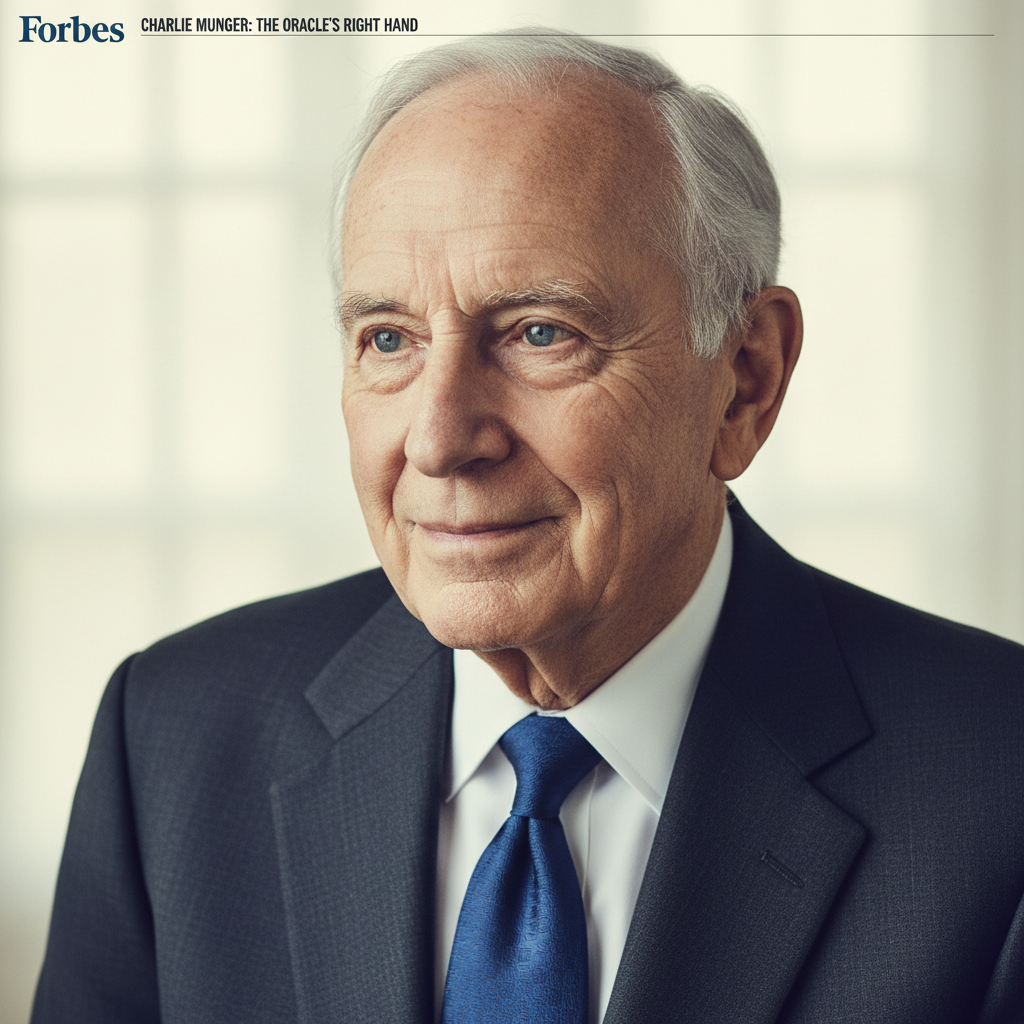
Portrait of Charlie Munger
USA / DIVERSIFIED HOLDINGS, INVESTMENT MANAGEMENT
Charlie Munger
The architect of modern value investing at Berkshire Hathaway, known for his multidisciplinary approach and acerbic wit.
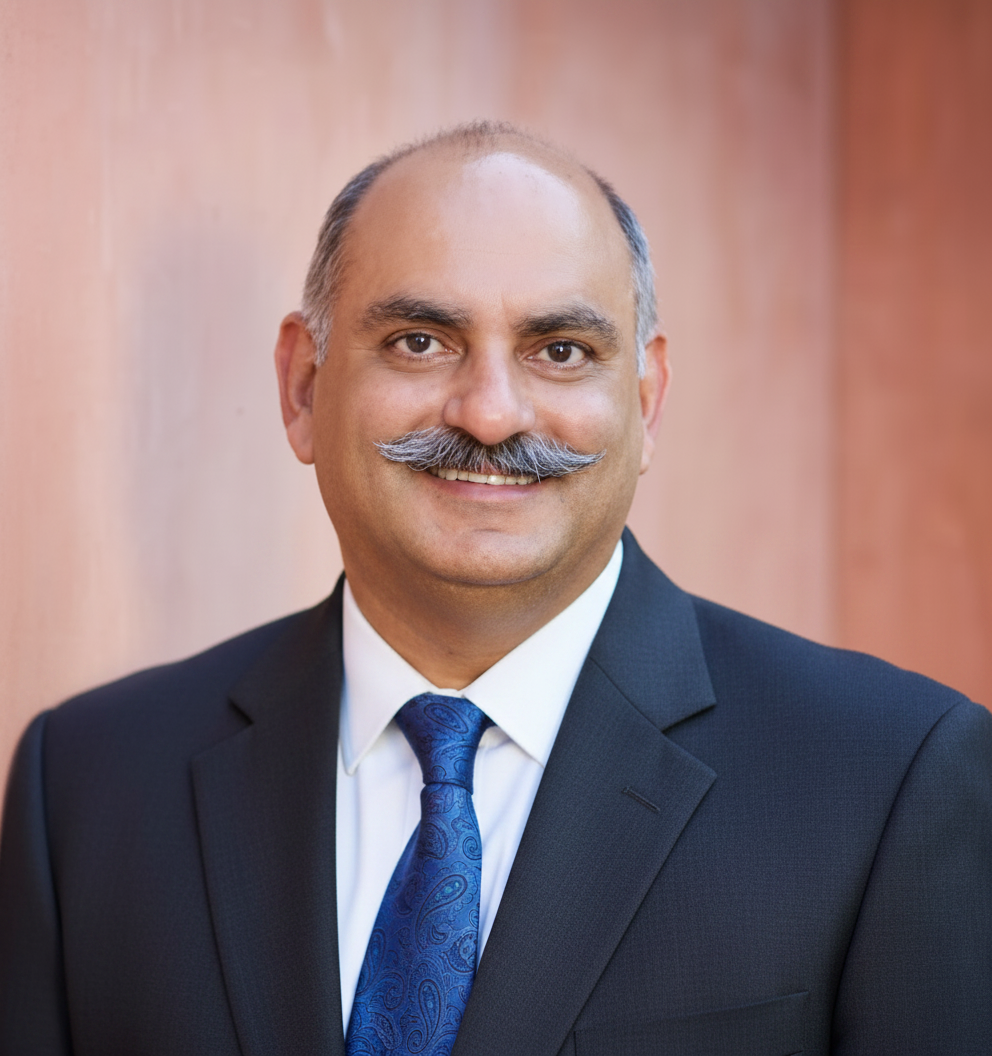
Portrait of Mohnish Pabrai
UNITED STATES / FINANCIAL SERVICES
Mohnish Pabrai
Pioneer of asymmetric 'heads I win, tails I don't lose much' value investing and zero-management-fee partnership structures.
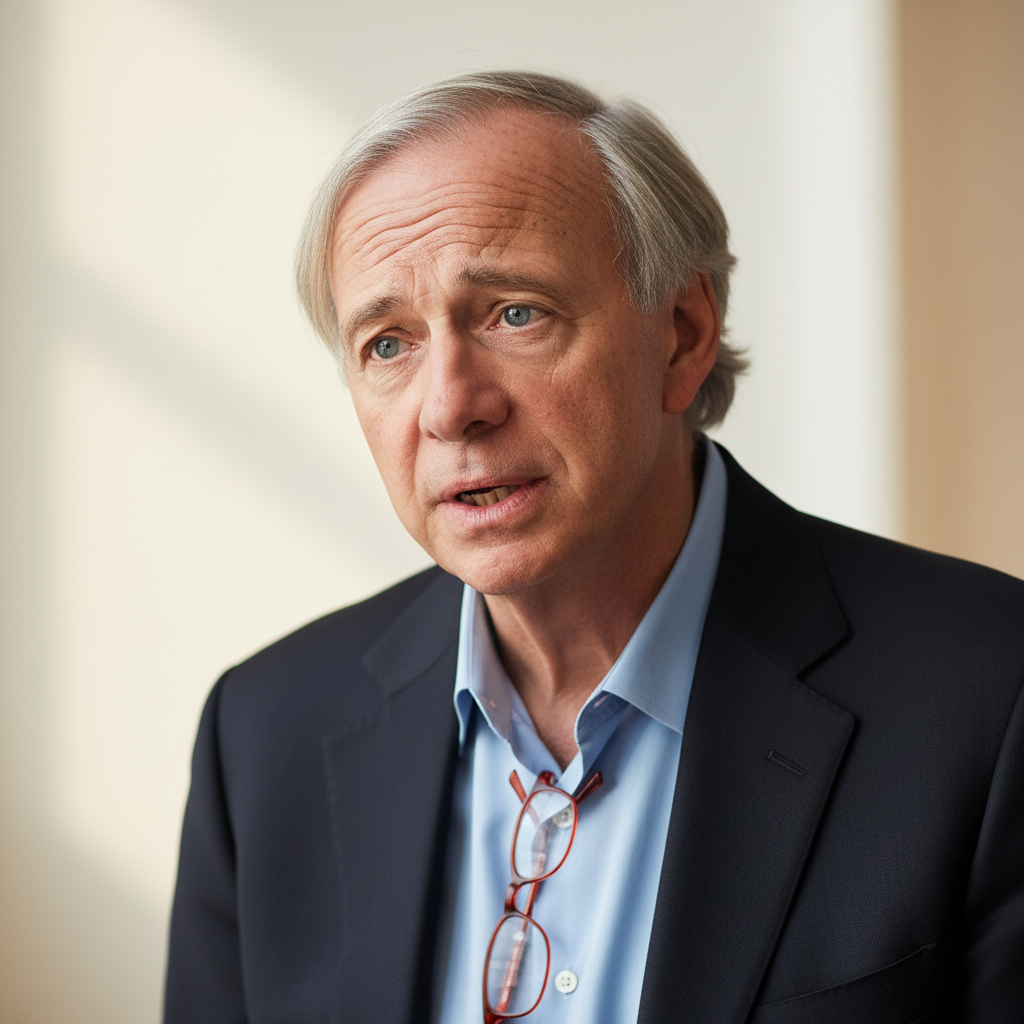
Portrait of Ray Dalio
UNITED STATES / INVESTMENT MANAGEMENT
Ray Dalio
The architect of 'radical transparency' and systematic investing, Ray Dalio built Bridgewater Associates into one of the world's largest and most influential hedge funds.
Portrait of J. Pierpont Morgan
UNITED STATES / BANKING & FINANCE
J. Pierpont Morgan
The architect of American industrial capitalism and financial stability.
Portrait of Sam Altman
UNITED STATES / ARTIFICIAL INTELLIGENCE, VENTURE CAPITAL
Sam Altman
Architect of Artificial General Intelligence and Venture Capital Visionary.
Portrait of Cosimo de' Medici
ITALY / BANKING, FINANCE, STATESMANSHIP
Cosimo de' Medici
The architect of Medici power, leveraging finance and cultural patronage to establish a dynastic legacy.
Portrait of Giovanni di Bicci de' Medici
ITALY / BANKING AND FINANCE
Giovanni di Bicci de' Medici
The silent architect of Florence's financial supremacy and the Medici dynasty.
Portrait of Anshu Jain
INDIA / FINANCIAL SERVICES
Anshu Jain
Anshu Jain: The architect of Deutsche Bank's global investment banking prowess, demonstrating aggressive expansion and risk management in a shifting financial landscape.
Portrait of Marcus Goldman
UNITED STATES / FINANCIAL SERVICES
Marcus Goldman
Pioneered the American commercial paper market and established the partnership foundation of Goldman Sachs.
United States

From United States

Browse all →
Portrait of Andrew Carnegie
UNITED STATES / STEEL & MANUFACTURING
Andrew Carnegie
The architect of American steel supremacy and a pioneering industrialist whose innovations in cost control and vertical integration reshaped global manufacturing.
Portrait of Warren Buffett
UNITED STATES / INVESTING
Warren Buffett
The Oracle of Omaha: Architect of long-term value investing and compounding returns through disciplined acquisition and intrinsic value focus.
Portrait of Jeff Bezos
UNITED STATES / TECHNOLOGY, RETAIL, LOGISTICS, CLOUD COMPUTING, SPACE EXPLORATION
Jeff Bezos
Architect of Amazon, pioneer of e-commerce, and visionary across cloud computing, logistics, and space exploration.
Portrait of Satya Nadella
UNITED STATES / TECHNOLOGY
Satya Nadella
Architect of Microsoft's cloud-first, AI-driven renaissance, shifting culture and strategy to drive sustained growth and market leadership.
Portrait of Bill Gates
UNITED STATES / SOFTWARE, TECHNOLOGY, PHILANTHROPY
Bill Gates
Co-founder of Microsoft, architect of the personal computing revolution, and global philanthropist.
Portrait of Mark Cuban
UNITED STATES / TECHNOLOGY, MEDIA, SPORTS, HEALTHCARE
Mark Cuban
Mark Cuban: The Prolific Disrupter – From Software Startups to Sports Franchises and Pharmaceutical Innovation, Leveraging Technology and Direct-to-Consumer Models.
Portrait of Sam Walton
UNITED STATES / RETAIL
Sam Walton
The architect of modern retail, pioneering discount merchandising and logistical efficiency to establish the world's largest retail corporation.
Portrait of Mohnish Pabrai
UNITED STATES / FINANCIAL SERVICES
Mohnish Pabrai
Pioneer of asymmetric 'heads I win, tails I don't lose much' value investing and zero-management-fee partnership structures.
Portrait of Walt Disney
UNITED STATES / ENTERTAINMENT
Walt Disney
Co-founder of The Walt Disney Company, pioneering animation, theme parks, and diversified entertainment.
Portrait of Henry Ford
UNITED STATES / AUTOMOTIVE
Henry Ford
The architect of mass production, democratizing the automobile through efficiency and scale.
Same Era

Contemporaries — 20th century
Browse all →
Portrait of Warren Buffett
UNITED STATES / INVESTING
Warren Buffett
The Oracle of Omaha: Architect of long-term value investing and compounding returns through disciplined acquisition and intrinsic value focus.
Portrait of Steve Jobs
USA / TECHNOLOGY
Steve Jobs
Co-founder of Apple Inc. and visionary credited with transforming multiple industries.
Portrait of Jeff Bezos
UNITED STATES / TECHNOLOGY, RETAIL, LOGISTICS, CLOUD COMPUTING, SPACE EXPLORATION
Jeff Bezos
Architect of Amazon, pioneer of e-commerce, and visionary across cloud computing, logistics, and space exploration.
Portrait of Elon Musk
SOUTH AFRICA / AEROSPACE, AUTOMOTIVE, ARTIFICIAL INTELLIGENCE, ENERGY, TELECOMMUNICATIONS
Elon Musk
Elon Reeve Musk: Visionary entrepreneur leading advancements in aerospace, automotive, and artificial intelligence.
Portrait of Jensen Huang
TAIWAN (NATURALIZED AMERICAN CITIZEN) / SEMICONDUCTORS, ARTIFICIAL INTELLIGENCE, COMPUTING
Jensen Huang
Co-founder, President, and CEO of NVIDIA, a pioneering force in graphics processing units (GPUs) and artificial intelligence.
Portrait of Charlie Munger
USA / DIVERSIFIED HOLDINGS, INVESTMENT MANAGEMENT
Charlie Munger
The architect of modern value investing at Berkshire Hathaway, known for his multidisciplinary approach and acerbic wit.
Portrait of Satya Nadella
UNITED STATES / TECHNOLOGY
Satya Nadella
Architect of Microsoft's cloud-first, AI-driven renaissance, shifting culture and strategy to drive sustained growth and market leadership.
Portrait of Bill Gates
UNITED STATES / SOFTWARE, TECHNOLOGY, PHILANTHROPY
Bill Gates
Co-founder of Microsoft, architect of the personal computing revolution, and global philanthropist.
Portrait of Mark Cuban
UNITED STATES / TECHNOLOGY, MEDIA, SPORTS, HEALTHCARE
Mark Cuban
Mark Cuban: The Prolific Disrupter – From Software Startups to Sports Franchises and Pharmaceutical Innovation, Leveraging Technology and Direct-to-Consumer Models.
Portrait of Sam Walton
UNITED STATES / RETAIL
Sam Walton
The architect of modern retail, pioneering discount merchandising and logistical efficiency to establish the world's largest retail corporation.