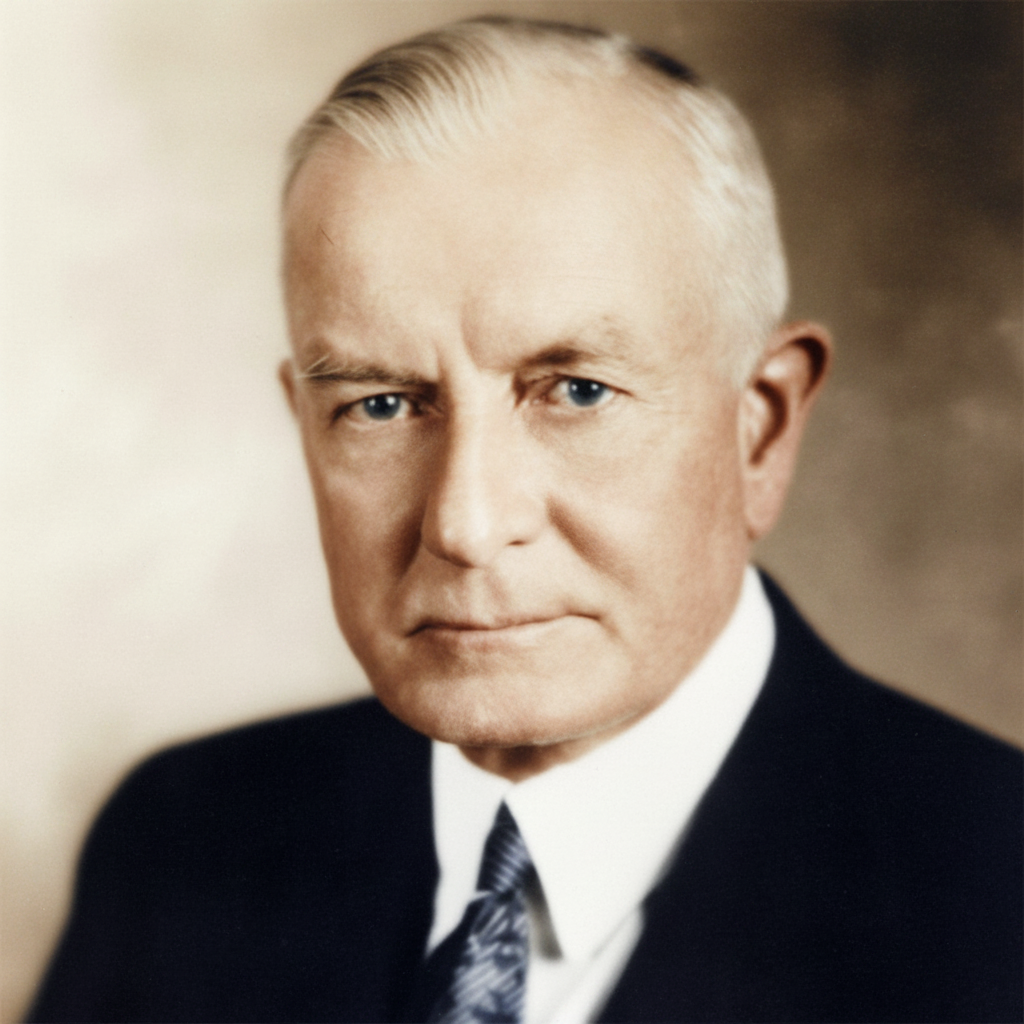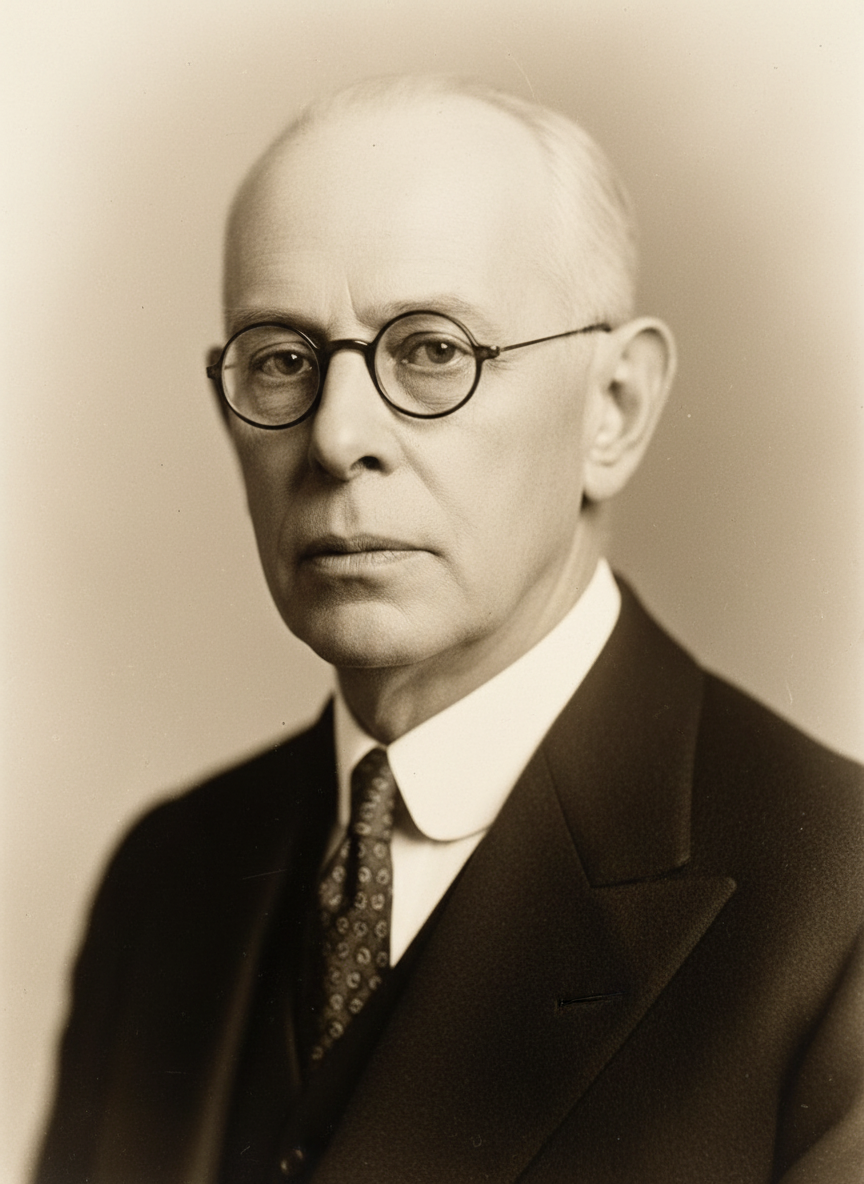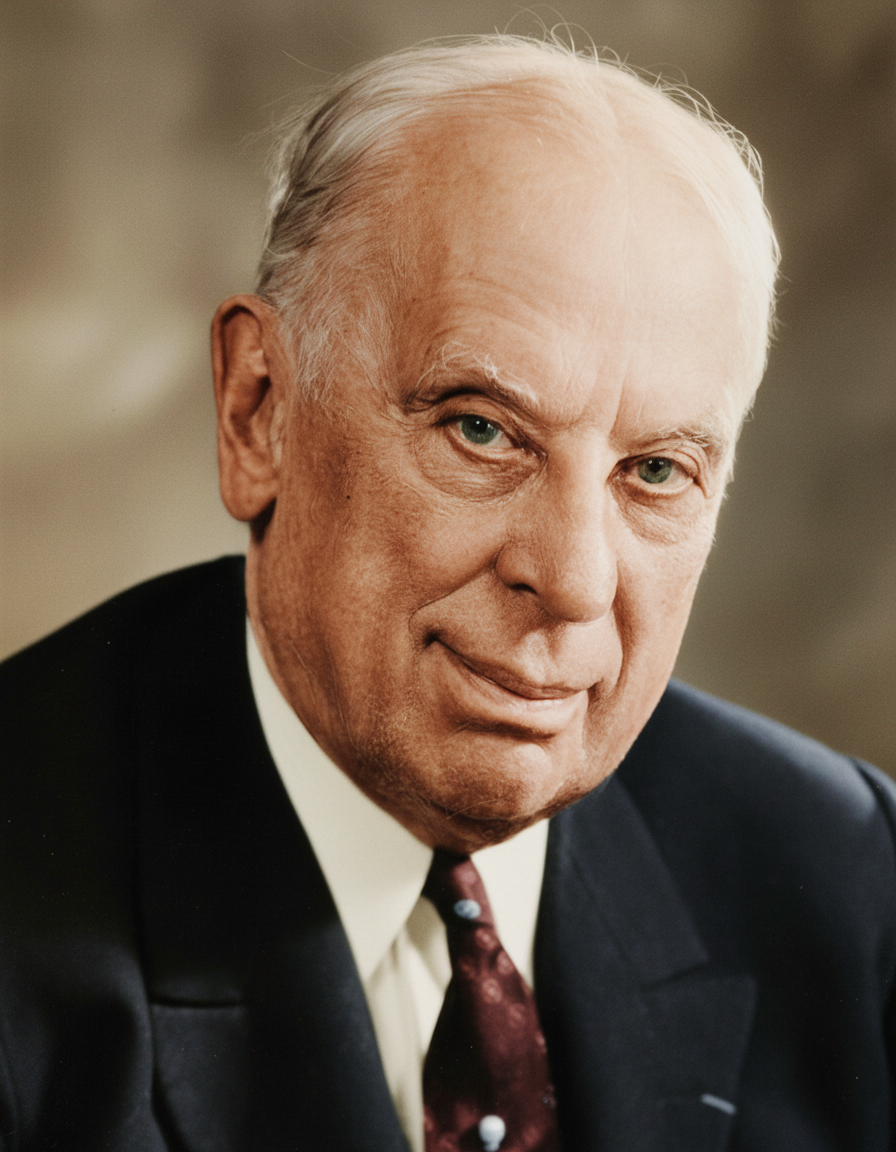
James Cash Penney
Founder of JCPenney, a pioneer in commission-based retail partnerships and ethical business practices.
James Cash Penney Jr. was an American businessman and entrepreneur who founded the J. C. Penney Company in 1902. He pioneered the 'Golden Rule' principle in retail, emphasizing fair dealings, employee profit-sharing, and community engagement. His innovative partnership model allowed store managers to become co-owners, driving rapid expansion.
Biography
Accomplishments
- 01Founded 'The Golden Rule Store' in Kemmerer, Wyoming, in 1902, which evolved into J. C. Penney Company.
- 02Developed and scaled a unique 'partnership system' allowing successful store managers to become co-owners, fostering rapid and sustainable geographic expansion.
- 03Implemented a cash-only retail model to reduce operating costs and offer competitive pricing, departing from traditional credit-based systems.
- 04Grew J. C. Penney to 1,496 stores by 1929, establishing it as one of the largest department store chains in the United States.
- 05Maintained active leadership and an advisory role within J. C. Penney Company for nearly seven decades, including through economic downturns.
- 06Advocated for and practiced ethical business principles, dubbed the 'Golden Rule' philosophy, emphasizing integrity, service, and employee development.
Lessons for Operators
Key Takeaways
Practical lessons distilled for operators, investors, C-levels, and capital allocators.
Incentivize with Ownership
Penney's partnership model allowed managers to invest in their own stores, creating a powerful incentive for performance and loyalty. For modern operators, consider equity, profit-sharing, or performance-based bonuses tied to specific unit or division success to foster entrepreneurial drive within the organization.
Define Core Values Early
The 'Golden Rule' philosophy guided Penney's business practices, attracting both customers and employees. Enterprises should explicitly define and operationalize core values, ensuring they inform strategic decisions, hiring, and day-to-day operations to build a durable brand and culture.
Controlled Expansion Through Replication
Penney's growth was systematic, replicating a successful store model with proven managers. Investors should look for businesses with clearly defined, repeatable playbooks for expansion, ensuring that growth is scalable and not simply an aggregation of disparate, unintegrated units.
Adapt to Market Dynamics
While his initial success was built on a cash-only model, J. C. Penney eventually introduced credit in response to evolving consumer expectations and competitive pressures. Leaders must continuously monitor market shifts and be prepared to strategically adapt core business models while preserving foundational values.
Frameworks & Principles
Named frameworks and strategic principles they popularized or embodied.
Decentralized Partnership Model
A business structure where successful unit managers are incentivized through partial ownership or significant profit-sharing, empowering them with autonomy and direct financial stake in their unit's success, while adhering to central corporate standards.
When to useApplicable for businesses seeking rapid, scalable geographical expansion, particularly in retail, franchises, or service industries, where local leadership and intimate market knowledge are critical for success.
Golden Rule Business Ethics
A philosophy prioritizing fair and honest dealings with customers, employees, and suppliers, emphasizing long-term trust and mutual benefit over short-term gains. This creates a strong ethical foundation for brand reputation and employee loyalty.
When to useImplement this as a foundational principle in any organization aiming to build enduring customer relationships, attract and retain high-quality talent, and establish a resilient brand in competitive or trust-sensitive markets.
Cash-Only Operational Strategy (Historical Application)
A retail model focusing solely on cash transactions to eliminate credit risk, reduce administrative overhead associated with managing accounts receivable, and enable lower pricing due to reduced costs. (Note: Modern application would involve minimizing payment processing fees and optimizing inventory turns).
When to useHistorically effective for new entrants seeking to undercut competitors on price or operate with minimal capital. Modern relevance is primarily in niche markets or for businesses optimizing for operational efficiency and low-risk financial practices.
Sources & Further Reading
Profiles, interviews, podcasts, and articles used to compile and verify this entry. Each link opens at the original publisher.
Explore Related Titans
Other figures in the archive who share James Cash Penney's domain, geography, or era.
More in Technology









From United States




Contemporaries — born 1870s