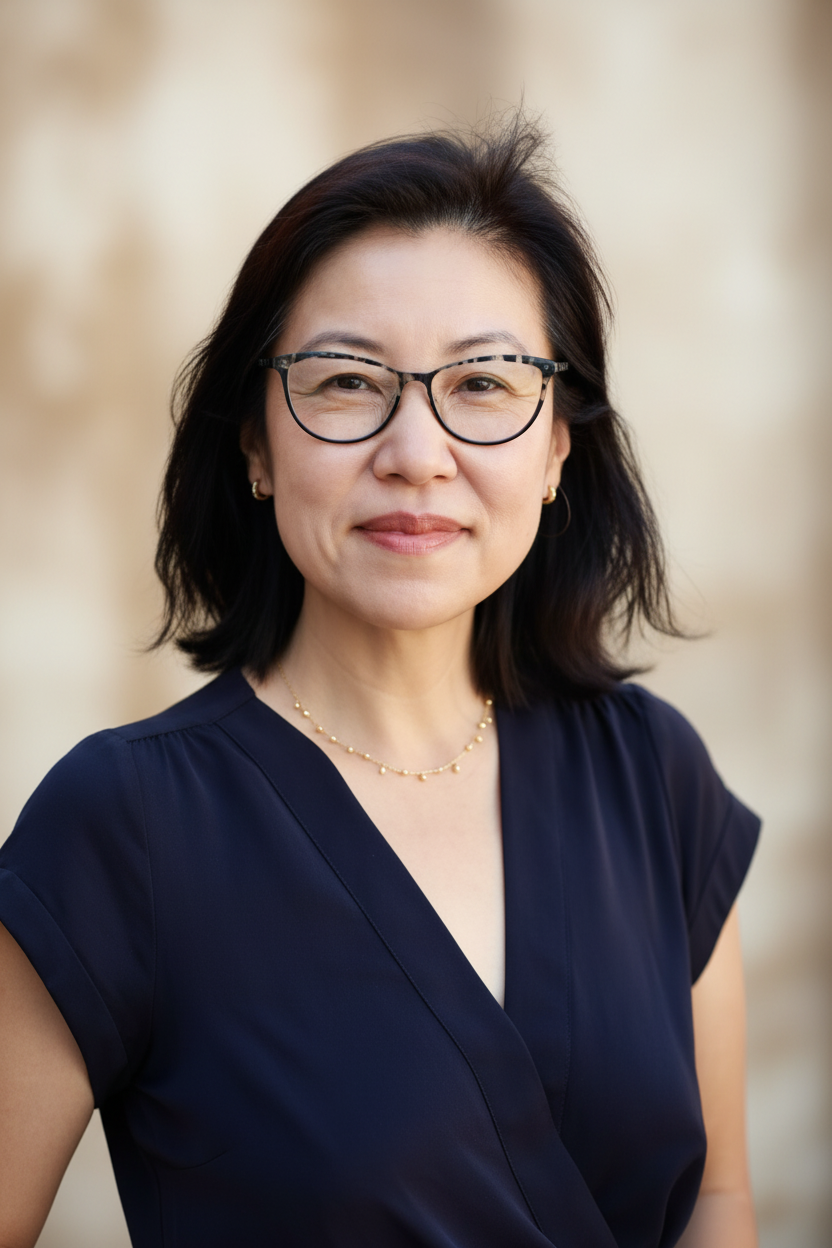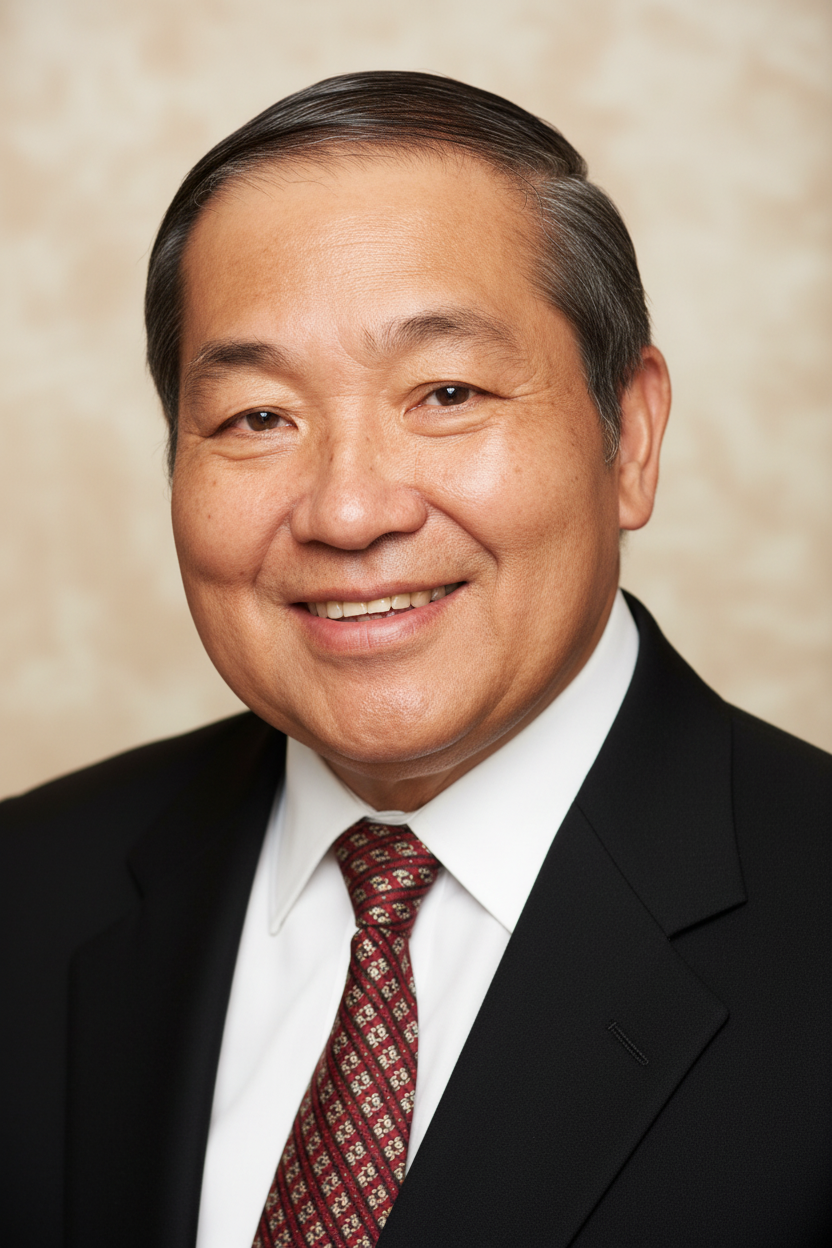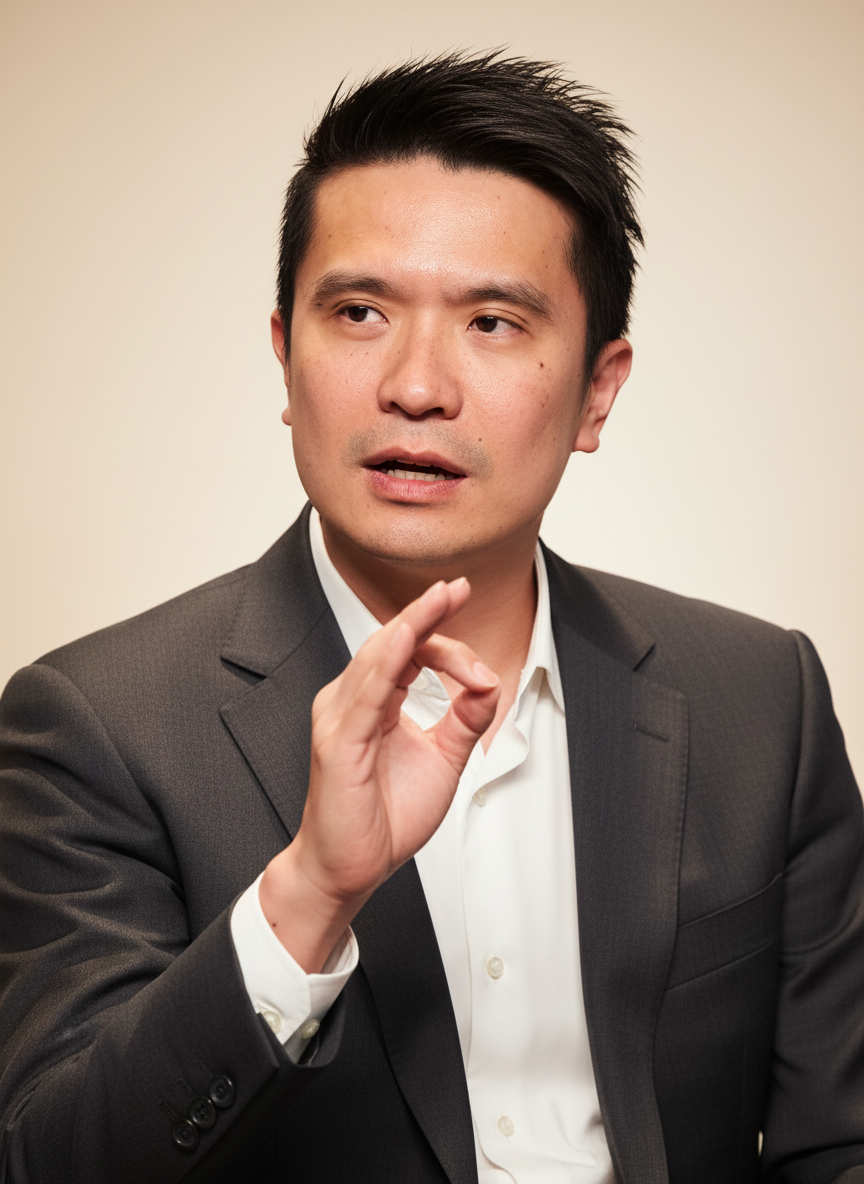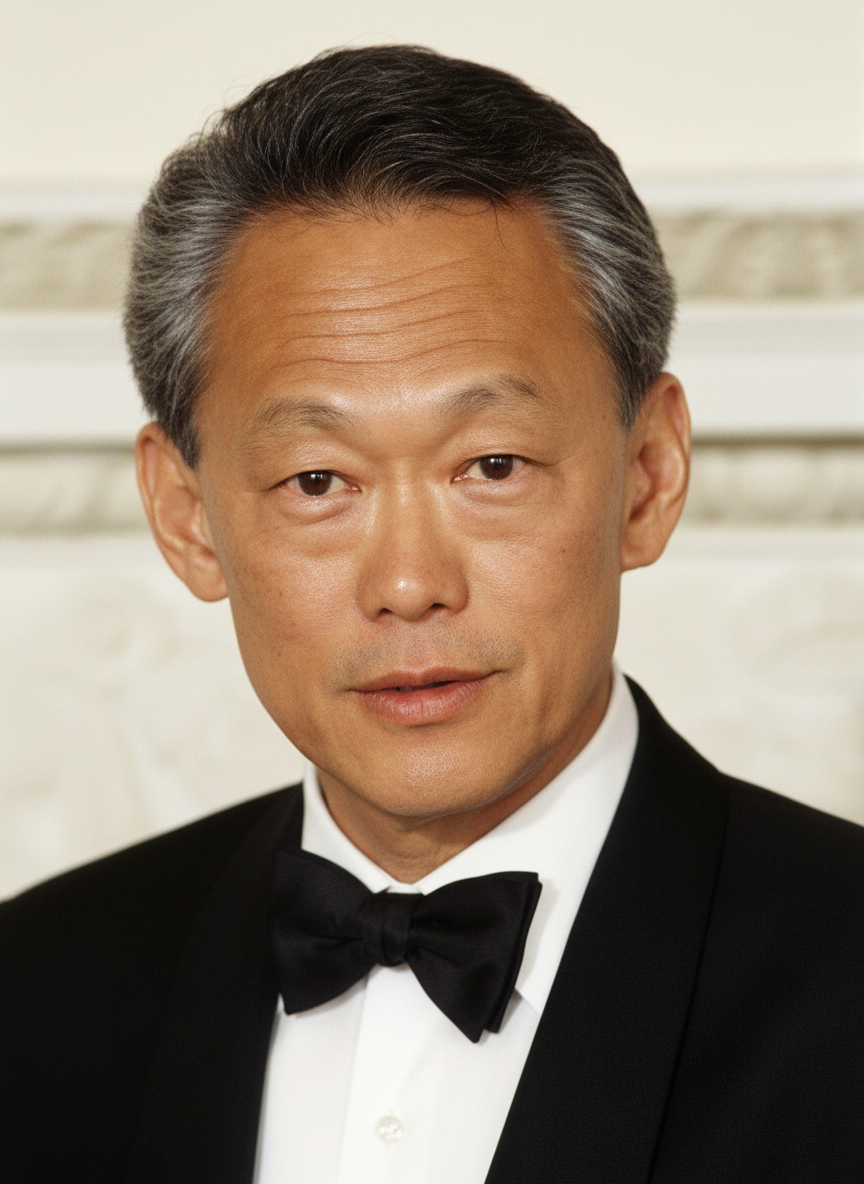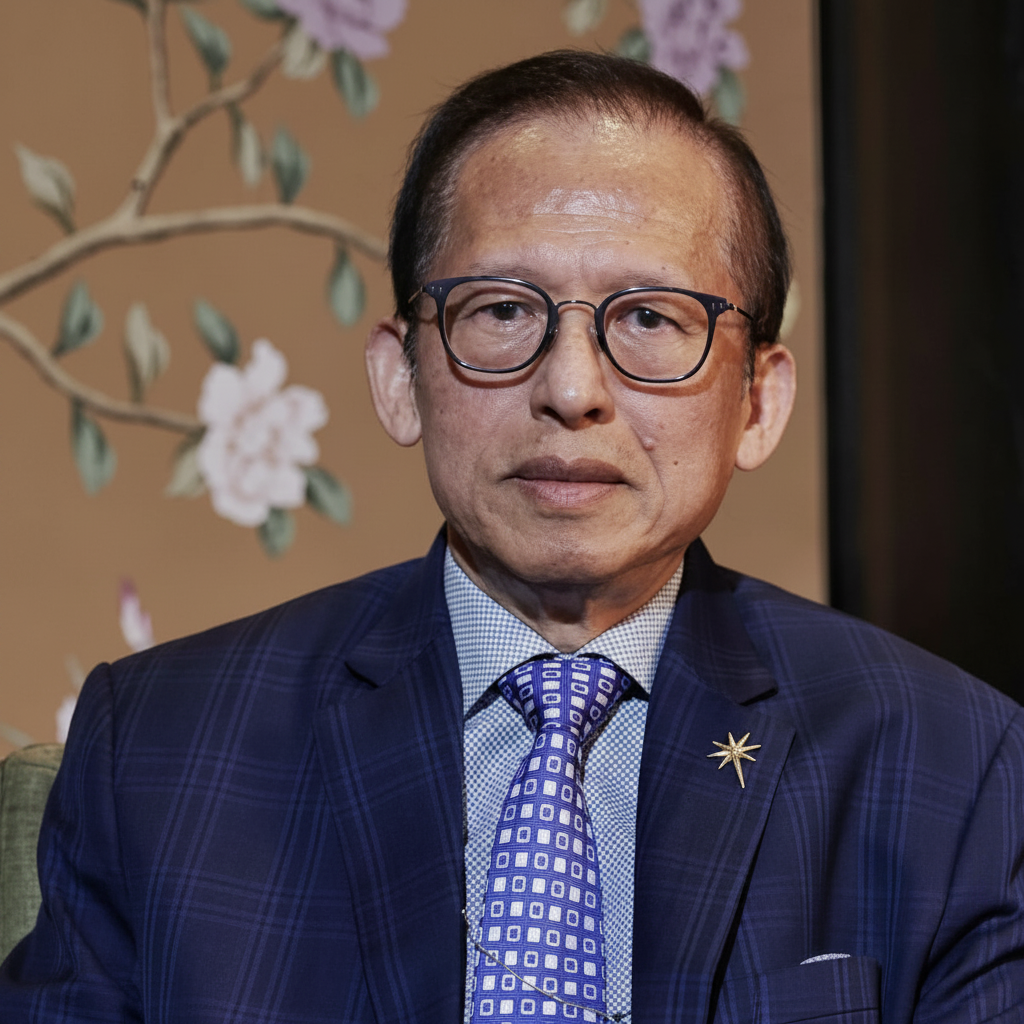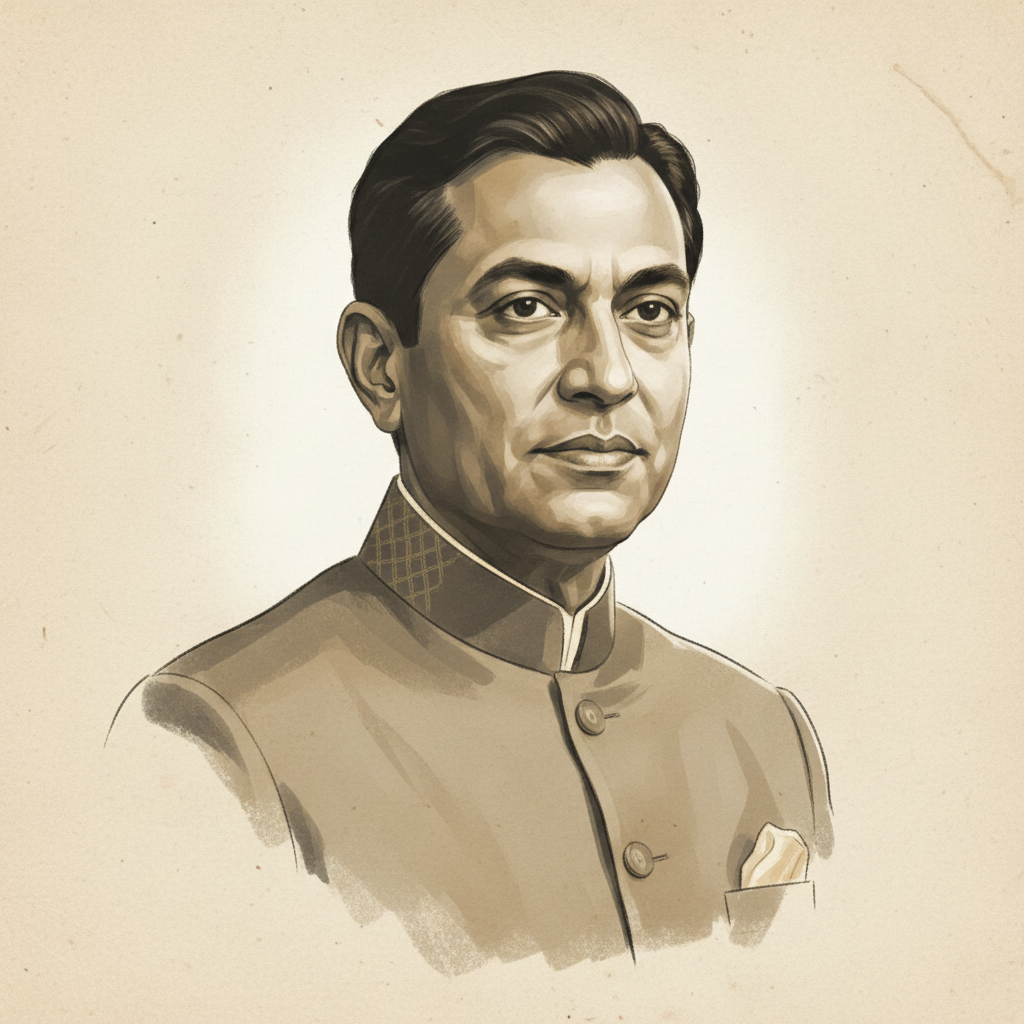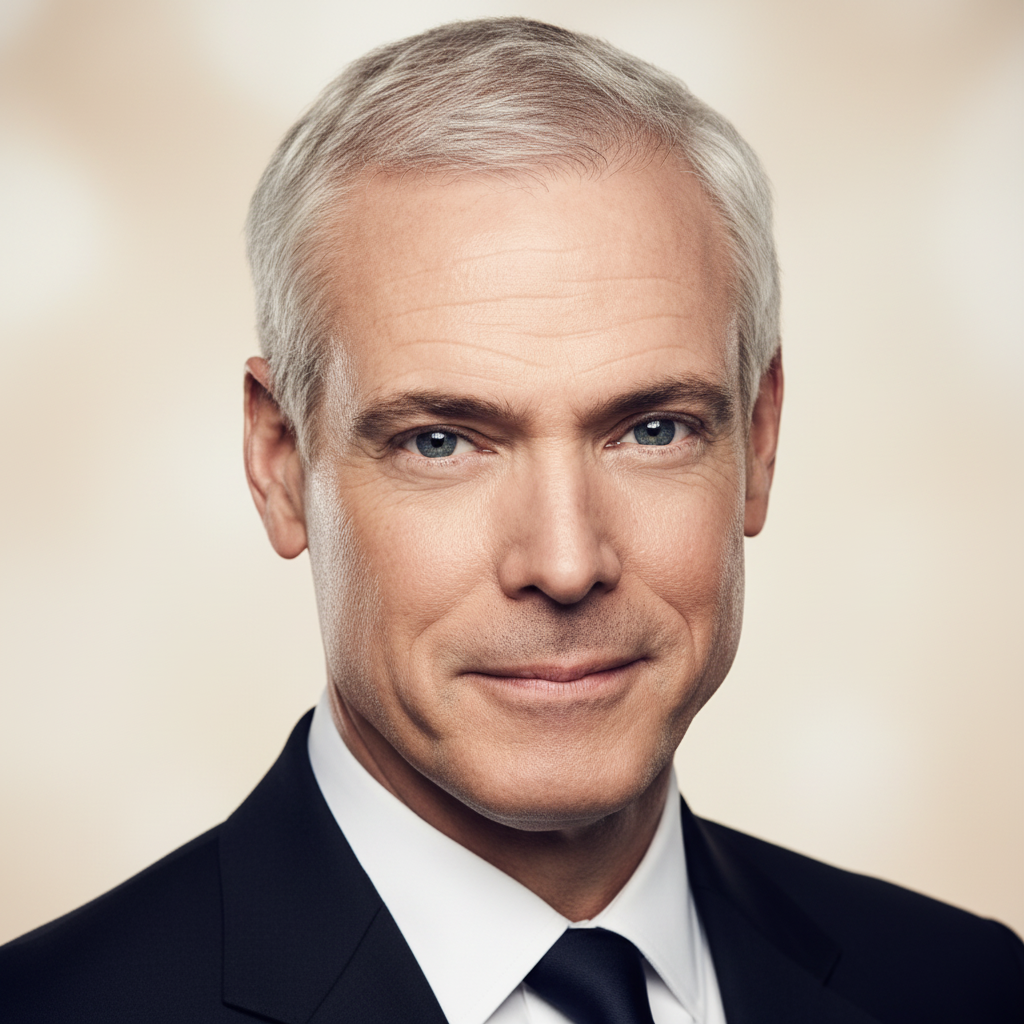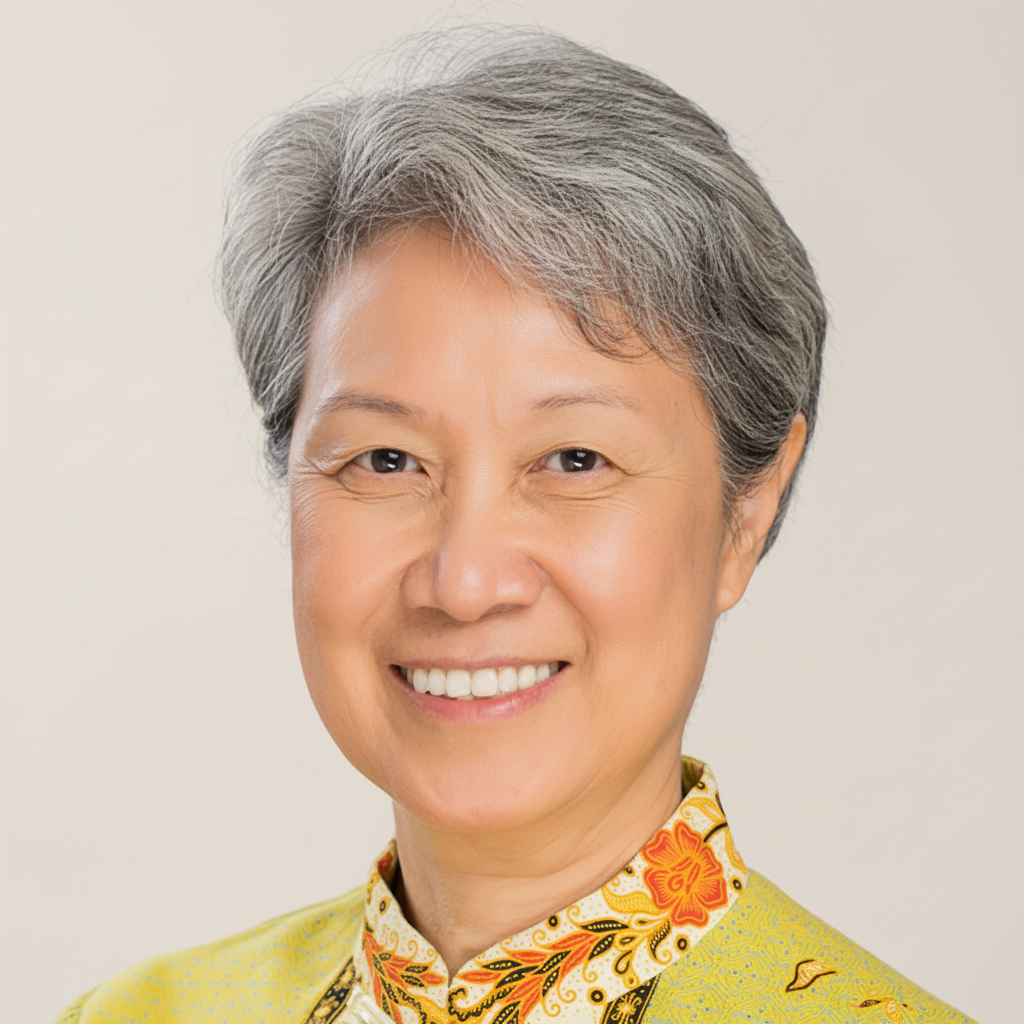
Portrait of Ho Ching
Modern Architect · 1953 — Present

Ho Ching

Architect of Temasek Holdings' transformation from a domestic holding trust into a disciplined, global investment powerhouse.

Country
Singapore
Continent
Asia
Industry
Sovereign Wealth & Private Equity
Role
Chief Executive Officer, Temasek Holdings (2004–2021)

Ho Ching served as Chief Executive Officer and Executive Director of Singapore's state investment firm, Temasek Holdings, from 2004 to 2021. An engineer by training, she transformed Temasek from a passive custodian of state-linked domestic assets into an active, globally diversified equity investor. Under her stewardship, Temasek's net portfolio value grew from S$90 billion in 2004 to S$381 billion upon her departure in 2021, driven by disciplined balance-sheet management, aggressive expansion into emerging Asia, and early bets on digital technology and life sciences.

Biography

Born in Singapore in 1953, Ho Ching graduated with first-class honors in electrical engineering from the University of Singapore before earning an MS in electrical engineering from Stanford University. She began her career in 1976 as an engineer at the Ministry of Defence, transitioning to Singapore Technologies in 1987, where she rose to become President and CEO in 1997, orchestrating the consolidation of Singapore's defense and industrial engineering conglomerates. In May 2002, Ho was appointed Executive Director of Temasek Holdings and assumed the role of CEO in January 2004. At the time, Temasek functioned primarily as a domestic custodian holding legacy stakes in Singapore government-linked enterprises such as Singapore Airlines, Singtel, and DBS Bank. Ho instituted a radical institutional pivot anchored on three pillars: global diversification, strict commercial discipline, and institutionalized transparency. She introduced the Temasek Charter, which defined the institution as an active commercial investor operating independently of political directives and aimed at delivering sustainable long-term economic returns. Ho spearheaded Temasek's early, aggressive rebalancing toward emerging Asian economies. Between 2004 and 2008, Temasek deployed billions into China’s newly reforming financial sector, acquiring critical early stakes in China Construction Bank (CCB) and Industrial and Commercial Bank of China (ICBC), which generated outsized capital appreciation through the 2010s. In 2004, she voluntarily published the first 'Temasek Review,' exposing the historically secretive entity's financials, balance sheet, and portfolio metrics to public scrutiny, subsequently securing inaugurative AAA credit ratings from S&P and Moody's. During her final decade at Temasek, Ho redirected capital toward four structural megatrends: Transforming Economies, Growing Middle Income, Deepening Comparative Advantages, and Emerging Champions. This resulted in early allocations to global tech leaders like Alibaba, Tencent, and Airbnb, alongside massive scaling in life sciences, decarbonization, and synthetic biology. When Ho retired in October 2021, handing leadership to Dilhan Pillay Sandrasegara, she had overseen a compound annual total shareholder return of approximately 14% since Temasek's inception, leaving an institution engineered for multi-generational capital compounding.

Accomplishments

  • 01Expanded Temasek's net portfolio value from S$90 billion in 2004 to S$381 billion (US$283 billion) by her retirement in 2021.
  • 02Drafted and institutionalized the Temasek Charter, creating a legally and operationally insulated commercial governance model separate from the Singapore Government.
  • 03Initiated the publication of the annual 'Temasek Review' in 2004, converting a closed sovereign investment firm into a global benchmark of financial transparency.
  • 04Executed landmark contrarian stakes in pre-IPO Chinese state-owned lenders (China Construction Bank and ICBC) between 2004 and 2006, yielding massive sovereign returns.
  • 05Secured and maintained inaugural AAA/Aaa credit ratings from S&P and Moody's since 2004, enabling the issuance of institutional Temasek Bonds.
  • 06Pioneered early sovereign deployments into late-stage venture, software, and biotech (e.g., Alibaba, BioNTech, Impossible Foods), transforming Temasek into an active innovation allocator.

Lessons for Operators

Move from stewardship to value-generation: Holding operational assets passively produces lower risk-adjusted returns than dynamic, active portfolio rebalancing.
Preempt regulatory and market scrutiny: Voluntary disclosure builds institutional credibility and lowers borrowing costs long before regulatory mandates demand it.
Separate sovereign ownership from corporate governance: Board independence at the portfolio level ensures asset health; politicians must not manage commercial strategy.
Tie macro allocations to secular megatrends: Aligning multi-decade capital with inexorable tailwinds (demographics, digital disruption, energy transition) mitigates cyclical shocks.
Adopt total shareholder return (TSR) discipline: Measuring capital performance against cost-of-capital hurdles prevents capital preservation from sliding into capital erosion.
The Operator's Playbook

Key Takeaways

Practical lessons distilled for operators, investors, C-levels, and capital allocators.

Lesson 01

Institutional Insulation Breeds Alpha

By formalizing Temasek as an equity investor rather than a sovereign wealth manager deploying fiscal reserves, Ho insulated investment decisions from short-term fiscal demands and political micromanagement.

Lesson 02

Transparency as a Balance Sheet Multiplier

Publishing audited balance sheets and annual performance metrics in 2004 unlocked pristine credit ratings, allowing Temasek to issue low-coupon bonds and optimize leverage without government guarantees.

Lesson 03

Concentrated Structural Bets Outperform Indexing

Rather than following sovereign wealth indexing benchmarks, Ho directed large, targeted capital pools into transforming economies (China in 2005; India in 2010; US Enterprise Tech in 2015).

Lesson 04

Engineer's Rigor Applied to Fund Management

Her background in electrical engineering influenced Temasek's systems-level risk architecture, focusing on stress-testing balance sheets against liquidity shocks and supply chain failures.

Mental Models

Frameworks & Principles

Named frameworks and strategic principles they popularized or embodied.

01

The Structural Megatrend Capital Allocation Model

An allocation framework that organizes investments not by traditional geography or asset class, but across four long-term transformational axes: Transforming Economies, Growing Middle Income, Deepening Comparative Advantages, and Emerging Champions. Capital is deployed into assets benefiting directly from structural shifts regardless of short-term macroeconomic volatility.

When to useUse when structuring long-term sovereign, endowment, or family office portfolios with investment horizons exceeding ten years.

02

The Temasek Governance Tripartite

A governance architecture that divides state-capital responsibility into three discrete silos: the Shareholder (Ministry of Finance, setting return targets), the Board (independent commercial fiduciaries, approving strategy and risk tolerances), and Management (executing deals and operating portfolios with absolute commercial independence).

When to useUse when designing corporate governance structures for state-owned enterprises, sovereign wealth vehicles, or sprawling multi-generational family conglomerates to avoid principal-agent conflicts.

Citations

Sources & Further Reading

Profiles, interviews, podcasts, and articles used to compile and verify this entry. Each link opens at the original publisher.

Adjacent Minds

Explore Related Titans

Other figures in the archive who share Ho Ching's domain, geography, or era.

Finance & Investing

More in Finance & Investing

Browse all →
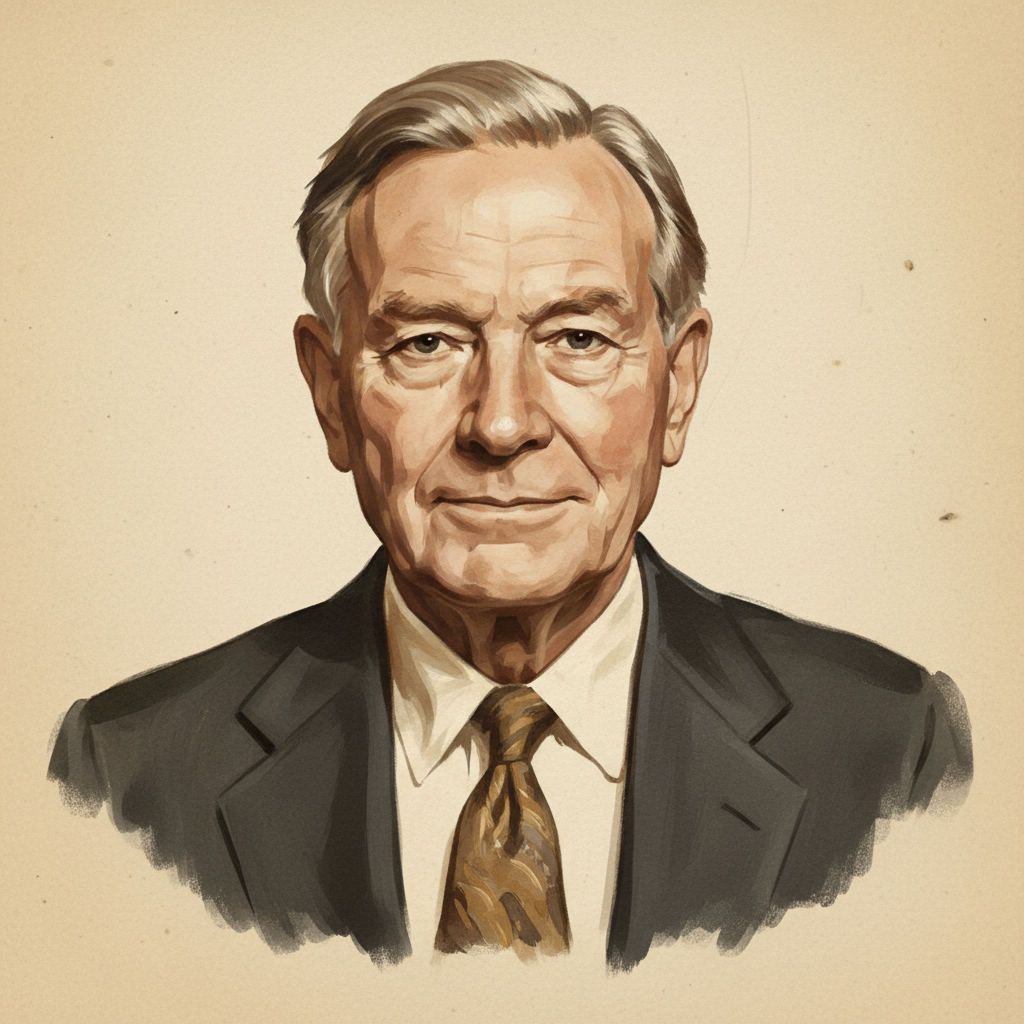
Portrait of Warren Buffett
UNITED STATES / INVESTING
Warren Buffett
The Oracle of Omaha: Architect of long-term value investing and compounding returns through disciplined acquisition and intrinsic value focus.
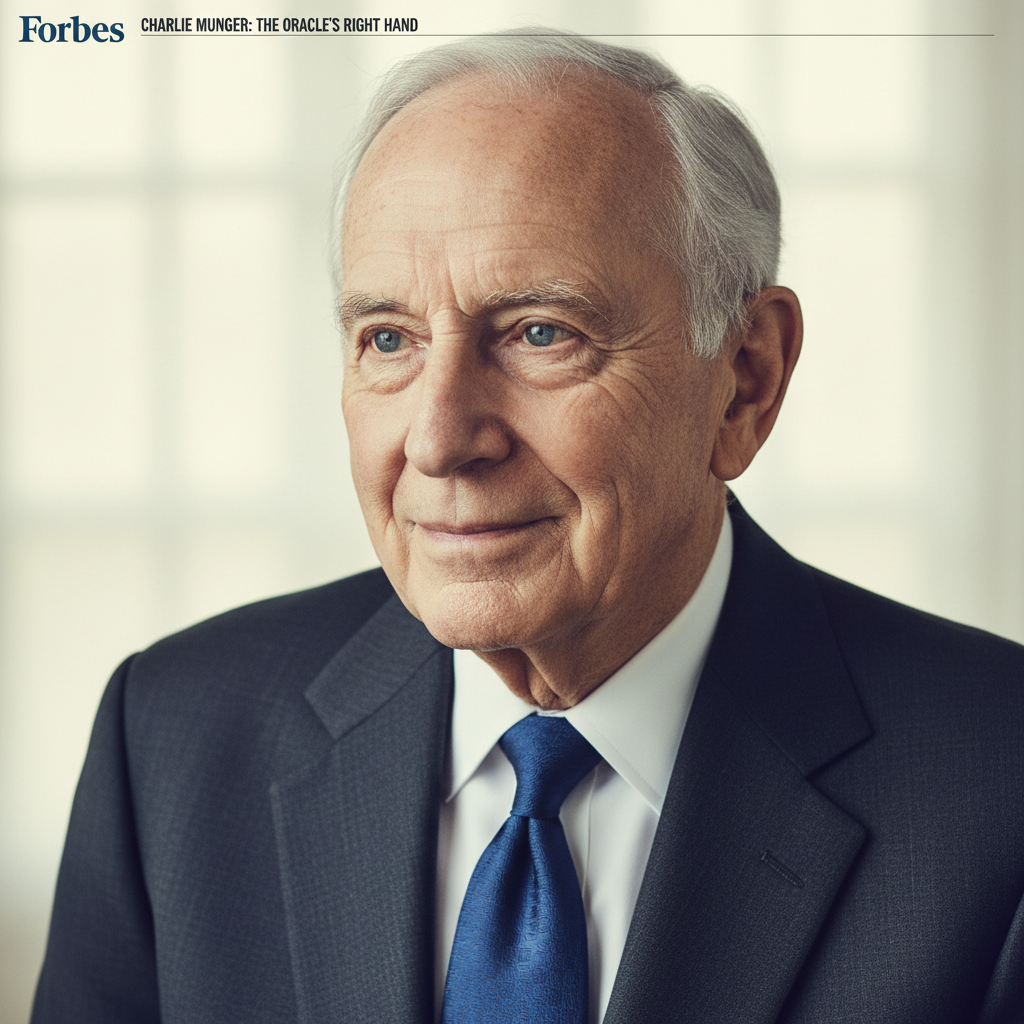
Portrait of Charlie Munger
USA / DIVERSIFIED HOLDINGS, INVESTMENT MANAGEMENT
Charlie Munger
The architect of modern value investing at Berkshire Hathaway, known for his multidisciplinary approach and acerbic wit.
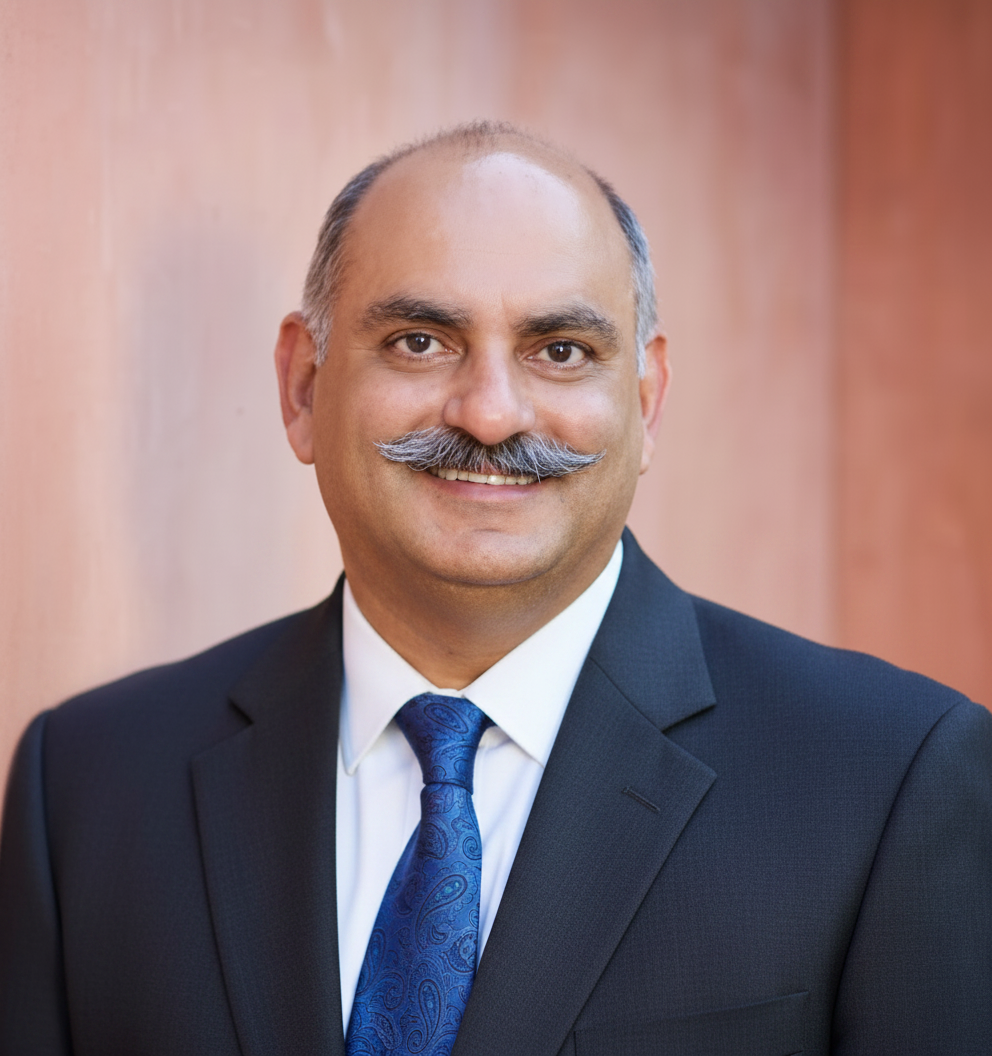
Portrait of Mohnish Pabrai
UNITED STATES / FINANCIAL SERVICES
Mohnish Pabrai
The Dhandho Investor: A Value Investing Maverick.
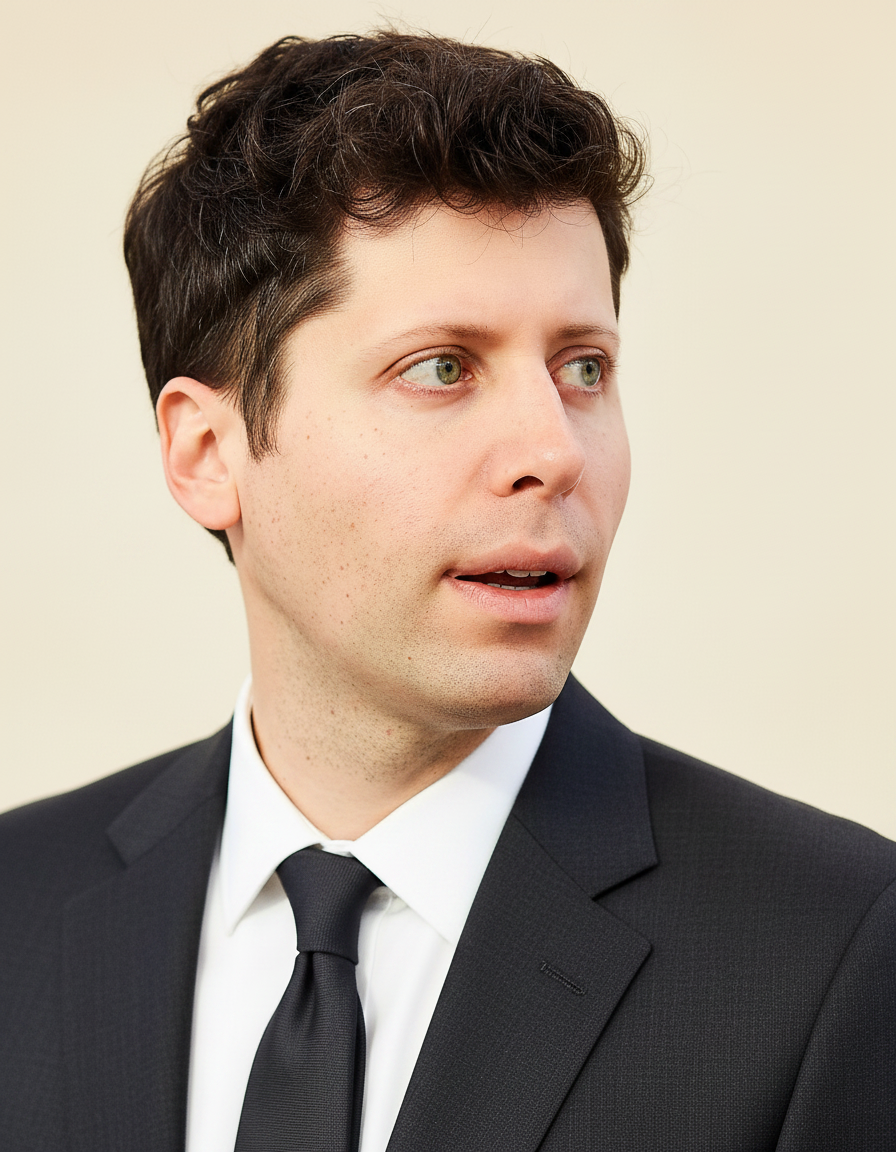
Portrait of Sam Altman
UNITED STATES / ARTIFICIAL INTELLIGENCE, VENTURE CAPITAL
Sam Altman
Architect of Artificial General Intelligence and Venture Capital Visionary.
Portrait of Ray Dalio
UNITED STATES / INVESTMENT MANAGEMENT
Ray Dalio
The architect of 'radical transparency' and systematic investing, Ray Dalio built Bridgewater Associates into one of the world's largest and most influential hedge funds.
Portrait of J. Pierpont Morgan
UNITED STATES / BANKING & FINANCE
J. Pierpont Morgan
The architect of American industrial capitalism and financial stability.
Portrait of Cosimo de' Medici
ITALY / BANKING, FINANCE, STATESMANSHIP
Cosimo de' Medici
The architect of Medici power, leveraging finance and cultural patronage to establish a dynastic legacy.
Portrait of Giovanni di Bicci de' Medici
ITALY / BANKING AND FINANCE
Giovanni di Bicci de' Medici
The silent architect of Florence's financial supremacy and the Medici dynasty.
Portrait of Manfredi Lefebvre d'Ovidio
ITALY, MONACO / LEISURE & TRAVEL, INVESTMENTS
Manfredi Lefebvre d'Ovidio
A leisure and travel magnate noted for strategic divestment and investment in high-end tourism.
Portrait of David M. Rubenstein
UNITED STATES / PRIVATE EQUITY
David M. Rubenstein
Co-Founder and Executive Chairman of The Carlyle Group, a global investment firm.
Same Era

Contemporaries — born 1950s
Browse all →
Portrait of Steve Jobs
USA / TECHNOLOGY
Steve Jobs
Co-founder of Apple Inc. and visionary credited with transforming multiple industries.
Portrait of Bill Gates
UNITED STATES / SOFTWARE, TECHNOLOGY, PHILANTHROPY
Bill Gates
Co-founder of Microsoft, architect of the personal computing revolution, and global philanthropist.
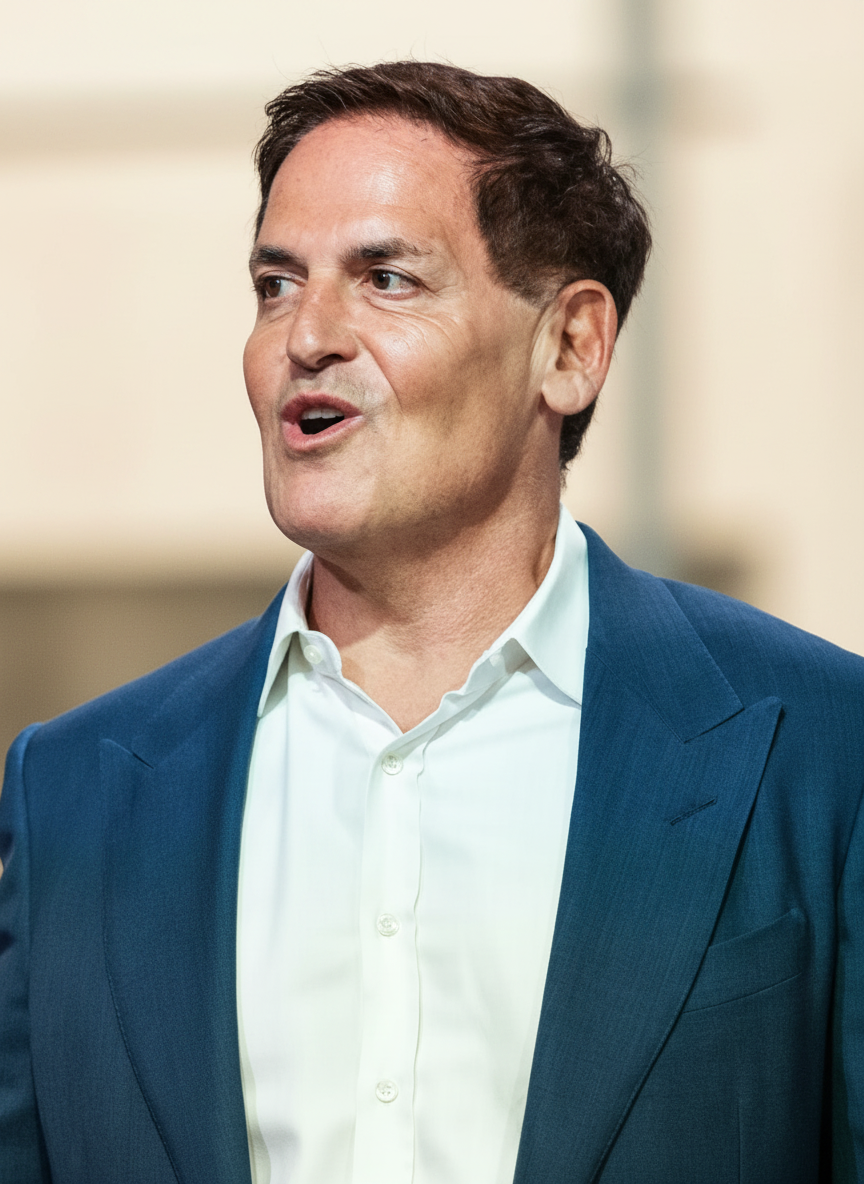
Portrait of Mark Cuban
UNITED STATES / TECHNOLOGY, MEDIA, SPORTS, HEALTHCARE
Mark Cuban
Mark Cuban: The Prolific Disrupter – From Software Startups to Sports Franchises and Pharmaceutical Innovation, Leveraging Technology and Direct-to-Consumer Models.
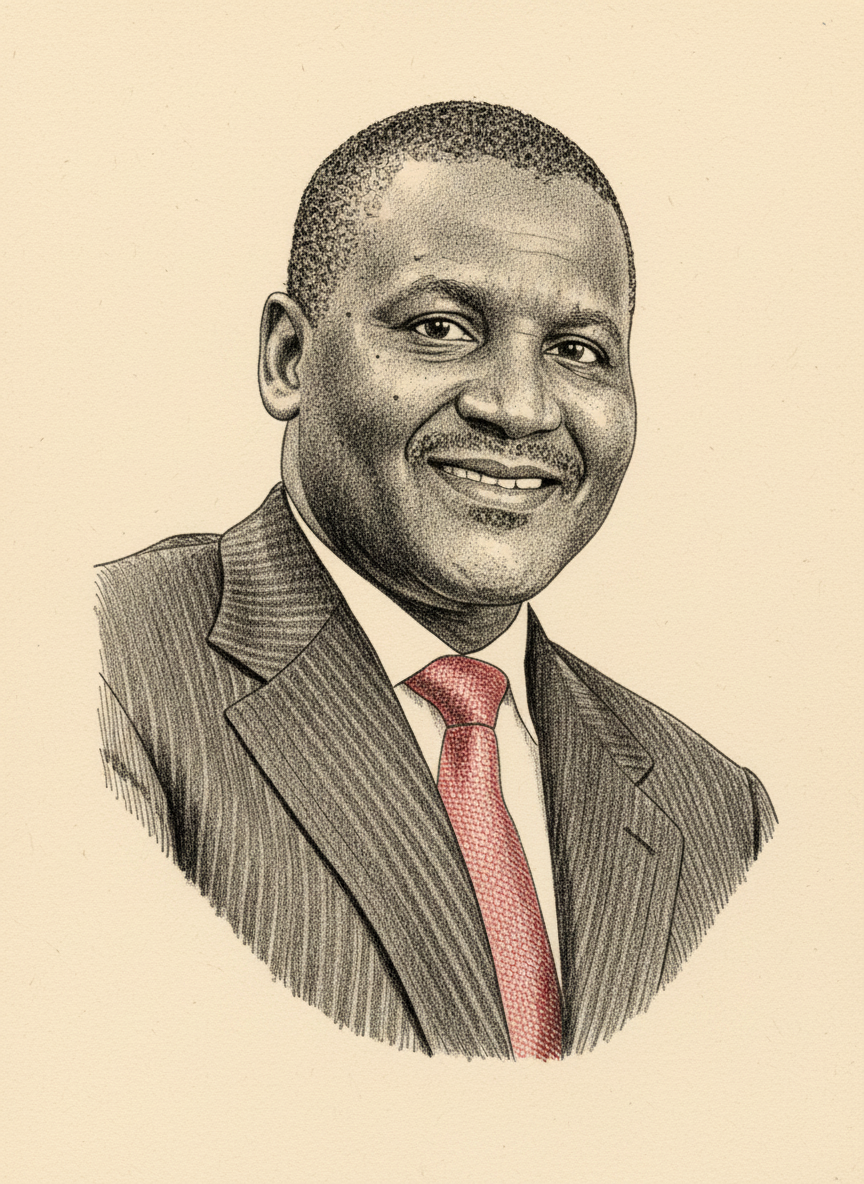
Portrait of Aliko Dangote
NIGERIA / DIVERSIFIED CONGLOMERATE (CEMENT, SUGAR, REFINING, FOOD & BEVERAGES, PETROCHEMICALS)
Aliko Dangote
Aliko Dangote: The architect of Africa's largest industrial conglomerate, transforming local resources into global-scale enterprises across cement, sugar, refining, and petrochemicals.
Portrait of Mukesh Ambani
INDIA / CONGLOMERATE
Mukesh Ambani
India's transformative conglomerate architect, driving digital and retail revolutions.
Portrait of Oprah Winfrey
UNITED STATES / MEDIA AND ENTERTAINMENT
Oprah Winfrey
Media proprietor and executive whose multi-platform empire redefined celebrity influence and media ownership.
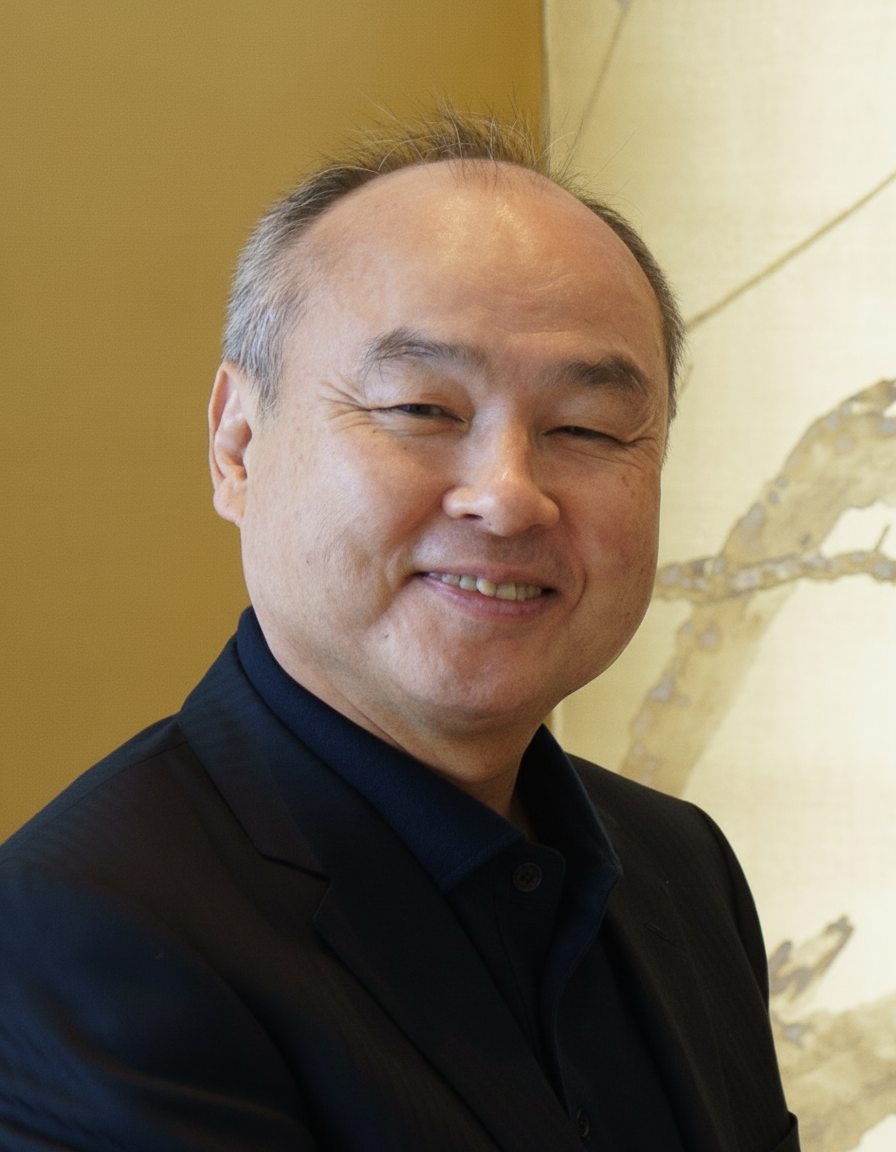
Portrait of Masayoshi Son
JAPAN / TECHNOLOGY, TELECOMMUNICATIONS, INVESTMENT
Masayoshi Son
Visionary founder of SoftBank, pioneering global technology investing with audacious long-term bets.
Portrait of Howard Schultz
UNITED STATES / FOOD & BEVERAGE, RETAIL
Howard Schultz
The architect of the modern coffee experience and a pioneer in scaling purpose-driven enterprise.
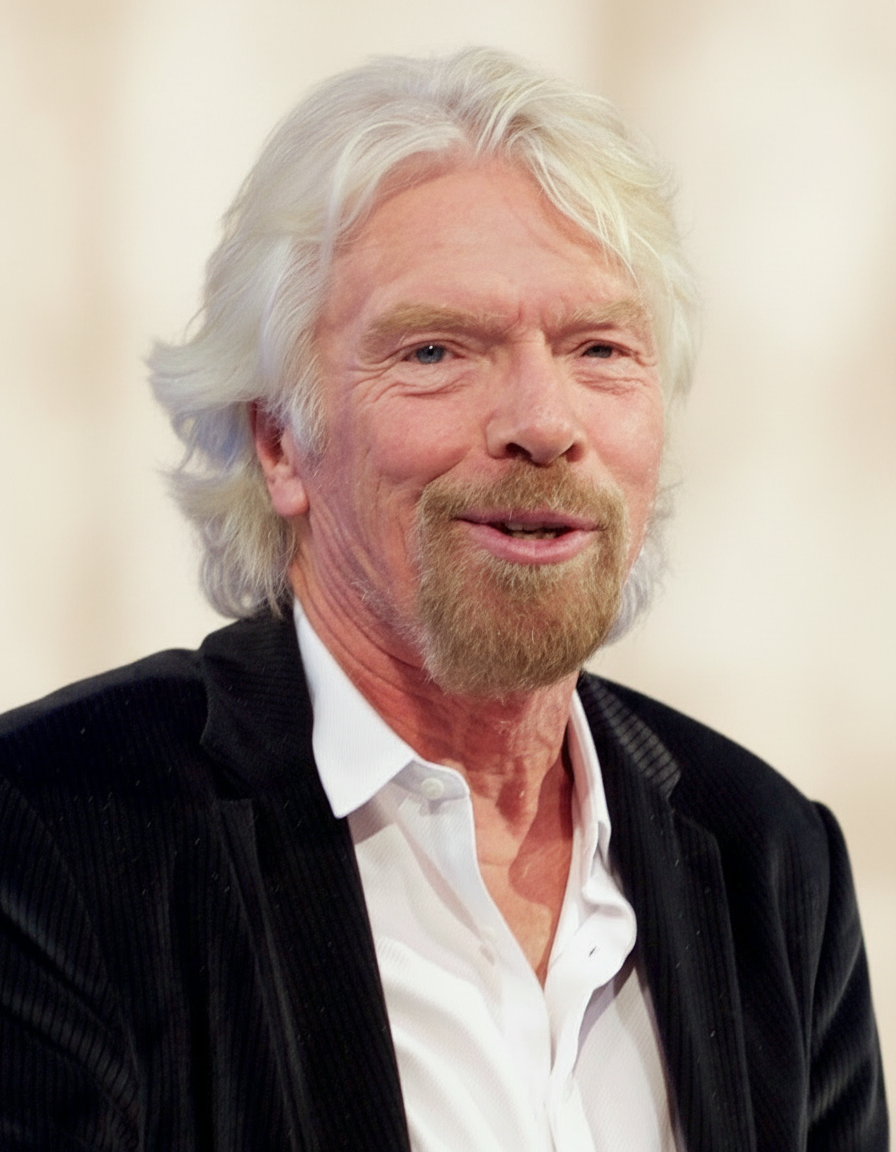
Portrait of Richard Branson
UNITED KINGDOM / CONGLOMERATE
Richard Branson
The Maverick Billionaire: Pioneering and Proliferating the Virgin Brand Across Diverse Sectors.
Portrait of Jim Collins
UNITED STATES / MANAGEMENT CONSULTING & RESEARCH
Jim Collins
Jim Collins is a seminal management researcher, author, and lecturer known for his rigorous, empirically-driven analysis of what makes great companies endure and excel.