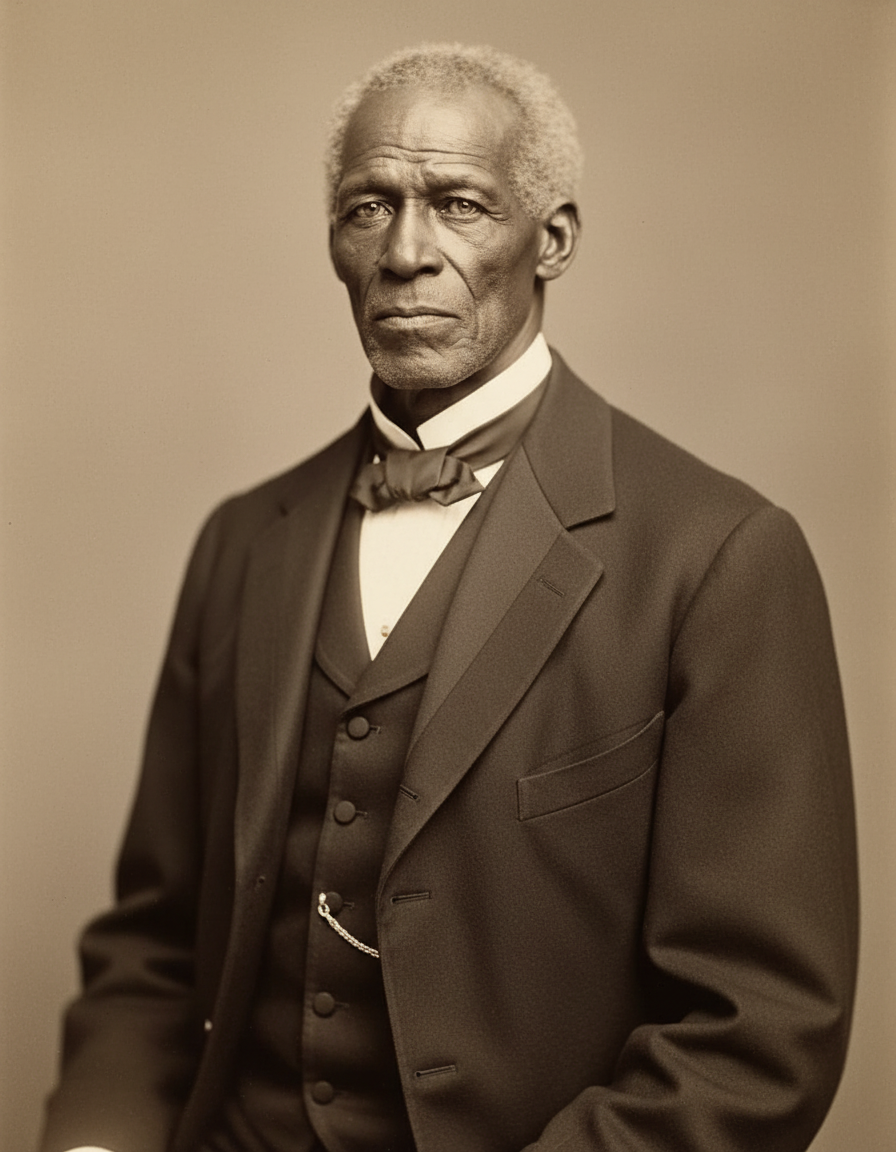
George Roberts
Co-founder of Kohlberg Kravis Roberts (KKR), a pioneer of the leveraged buyout (LBO) and a dominant force in private equity.
George R. Roberts is an American billionaire investor who co-founded Kohlberg Kravis Roberts (KKR) in 1976 alongside his cousin Henry Kravis and mentor Jerome Kohlberg. Under his leadership, KKR revolutionized the financial industry by pioneering the leveraged buyout (LBO), transforming underperforming companies and generating substantial returns for investors.
Biography
Accomplishments
- 01Co-founded Kohlberg Kravis Roberts (KKR) in 1976, establishing one of the world's preeminent private equity firms.
- 02Pioneered and popularized the leveraged buyout (LBO) model, fundamentally altering corporate finance and investment strategies.
- 03Orchestrated numerous landmark deals, including the $25 billion acquisition of RJR Nabisco in 1988, which set a new precedent for deal size and complexity.
- 04Built KKR into a global investment powerhouse with over $500 billion in assets under management (as of 2023), diversifying into multiple asset classes beyond traditional LBOs.
- 05Cultivated a culture of operational value creation within KKR, actively improving acquired businesses rather than solely relying on financial arbitrage.
- 06Established and supported significant philanthropic initiatives through The Roberts Foundation, addressing critical social issues like poverty and homelessness.
Lessons for Operators
Key Takeaways
Practical lessons distilled for operators, investors, C-levels, and capital allocators.
The Power of Financial Innovation
Roberts, alongside his partners, didn't just participate in finance; they innovated it. The LBO model, once novel and controversial, became a standard M&A strategy. For operators and investors, this emphasizes the potential in identifying and perfecting new financial or business models before they become mainstream.
Value Creation Through Operations
While often viewed as financial engineers, KKR's lasting success under Roberts' influence stemmed from a deep commitment to operational improvement. Acquisitions were not merely financial plays; they involved active management, strategic redirection, and efficiency gains. This is a critical lesson for any leader: financial success is often a byproduct of superior operational execution.
Risk Management in High-Stakes Environments
Executing multi-billion dollar LBOs demands sophisticated risk assessment and mitigation. KKR's ability to structure complex debt, manage diverse stakeholder interests, and navigate economic cycles highlights the necessity of thorough due diligence, contingency planning, and disciplined execution in high-leverage situations.
Strategic Partnership Dynamics
The KKR story demonstrates both the strengths and challenges of a powerful partnership. While the founders' complementary skills propelled the firm's growth, managing strategic divergences (as seen with Kohlberg's departure) is crucial. Understanding partner dynamics and aligning on long-term vision is vital for sustained organizational success.
Building Enduring Institutions
Roberts helped build KKR from a specialized boutique firm into a diversified global investment manager. This involves constantly adapting the business model, expanding into new geographies and asset classes, and institutionalizing processes beyond the founders. This longevity underscores the importance of strategic evolution and succession planning.
Frameworks & Principles
Named frameworks and strategic principles they popularized or embodied.
Leveraged Buyout (LBO) Model
Acquiring a company using a significant amount of borrowed money (leverage) to meet the cost of acquisition. The assets of the acquired company are often used as collateral for the borrowed money. The goal is to improve the company's operations, pay down debt with its cash flows, and then sell it for a substantial profit.
When to useApplicable for identifying undervalued, mature companies with stable cash flows that can support debt service. Ideal for situations where operational improvements can significantly enhance enterprise value, and a clear exit strategy (IPO or sale) exists within a typical 3-7 year investment horizon.
Operational Value Creation (KKR Approach)
Beyond financial engineering, this framework emphasizes active involvement in portfolio companies to drive fundamental operational improvements. This includes installing new management, optimizing supply chains, streamlining cost structures, expanding into new markets, and divesting non-core assets to unlock latent value.
When to useEssential for private equity, turnarounds, and corporate restructuring scenarios. Operators and C-levels can apply this by focusing on core operational excellence, continuous improvement, and strategic realignment during or after an acquisition to ensure sustainable growth and profitability.
Active Ownership Model
KKR, under Roberts' leadership, did not just provide capital; it actively governed and advised its portfolio companies. This involves taking majority stakes, appointing board members, and influencing strategic and operational decisions to align company performance with investor goals.
When to useRelevant for investors seeking more than passive returns, and for entrepreneurs/CEOs looking for strategic partners rather than just capital. This model is effective when deep industry expertise and hands-on guidance can significantly accelerate a company's growth trajectory or solve complex challenges.
Explore Related Titans
Other figures in the archive who share George Roberts's domain, geography, or era.
More in Finance & Investing







From United States





Contemporaries — born 1940s