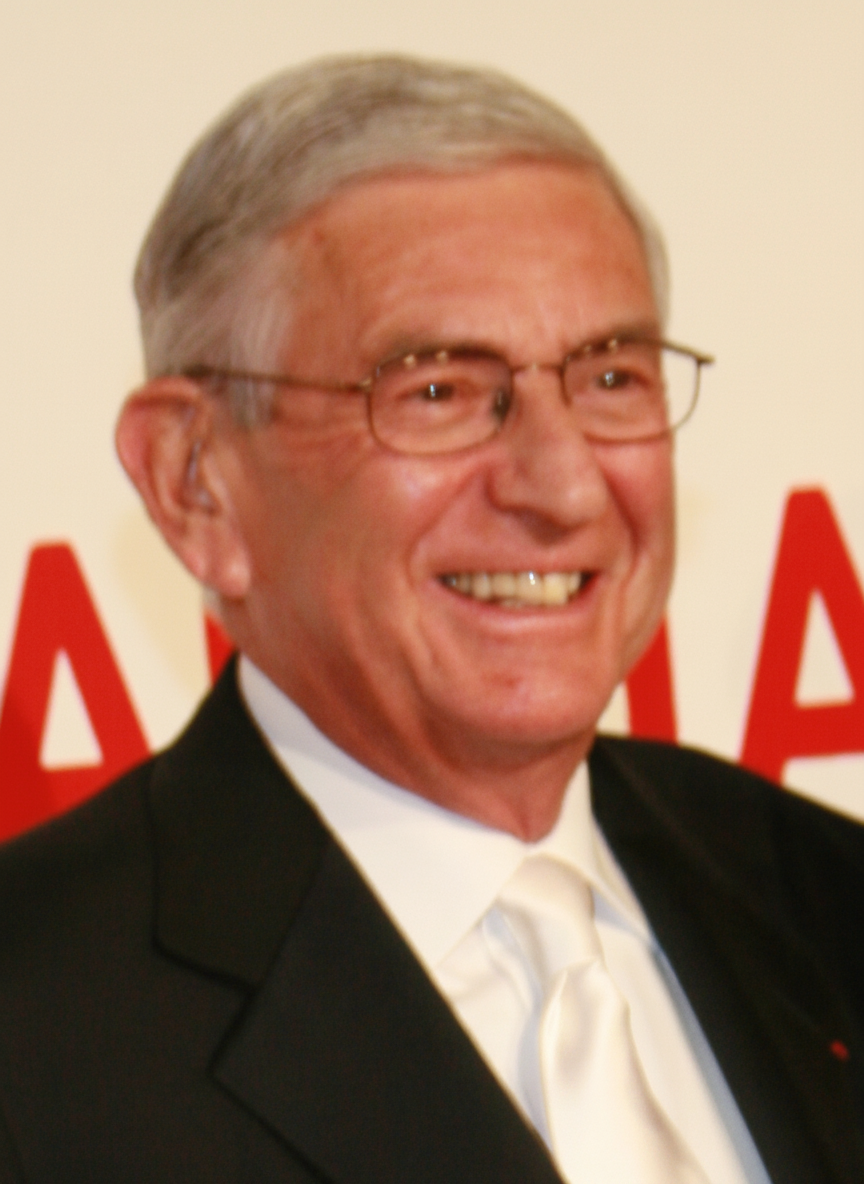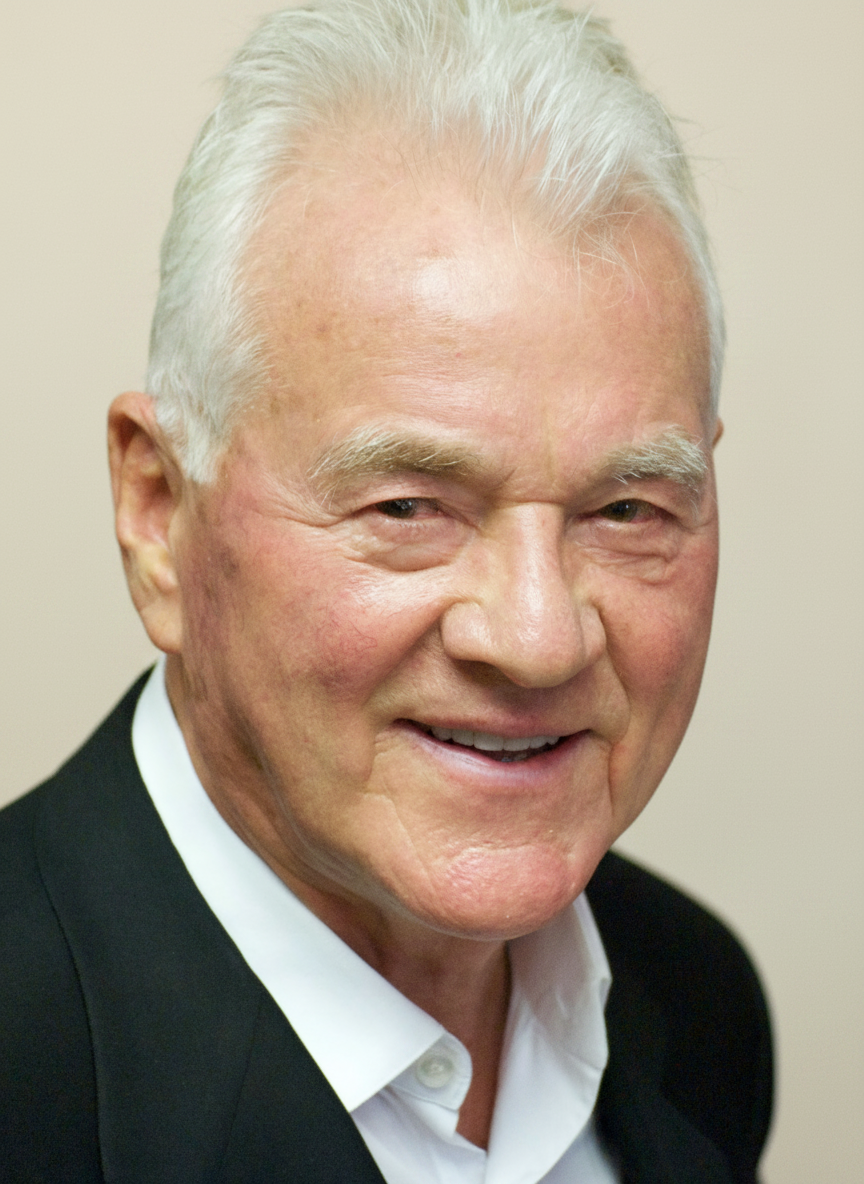
Frank Stronach
Frank Stronach: Austrian-Canadian industrialist who built Magna International into a global automotive parts manufacturing powerhouse, navigating complex governance and succession challenges.
Frank Stronach is an Austrian-Canadian billionaire businessman and politician. He founded Magna International in 1957, transforming it from a small tool and die shop into one of the world's largest automotive parts suppliers. Stronach's career was marked by aggressive growth, innovative labor relations, and complex corporate governance, including the dual-share structure that maintained his control. He ventured into horse racing and politics, founding Team Stronach in Austria. His later career involved significant succession disputes at Magna and recent legal challenges, including a conviction for indecent assault.
Biography
Accomplishments
- 01Founded Magna International in 1957, growing it into a multinational automotive parts manufacturing leader with over $40 billion in annual sales.
- 02Pioneered a 'Fair Enterprise' corporate constitution at Magna, including a profit-sharing program, employee ownership, and a commitment to R&D.
- 03Successfully expanded Magna's global footprint, establishing operations in North America, Europe, Asia, and South America, diversifying its customer base and product offerings.
- 04Navigated complex shareholder relations and defended a dual-share governance structure for decades, ensuring long-term strategic control during periods of rapid expansion.
- 05Oversaw Magna's transformation into a comprehensive vehicle assembler, manufacturing entire vehicles for clients like Mercedes-Benz, BMW, and Jaguar Land Rover through Magna Steyr.
- 06Established Adena Springs Farms, becoming a prominent figure and successful breeder in the North American thoroughbred horse racing industry.
Lessons for Operators
Key Takeaways
Practical lessons distilled for operators, investors, C-levels, and capital allocators.
The Power of a Unique Corporate Culture
Magna's 'Fair Enterprise' constitution, which included profit participation, employee equity, and decentralized management, was a significant differentiator. It fostered a highly motivated workforce and a culture of innovation, proving that unconventional approaches to corporate governance can yield competitive advantages if aligned with business objectives.
Strategic Control vs. Shareholder Value
Stronach's use of a dual-share structure ensured his long-term strategic control, allowing for bold investments and patient growth. While this often conflicted with institutional investor preferences for 'one share, one vote', it demonstrated that founders can maintain influence to execute a vision, though such structures eventually face pressure for recapitalization or change.
Entrepreneurial Resilience and Adaptability
Stronach's journey from an immigrant with limited capital to building a global automotive giant showcases remarkable resilience. His ability to adapt Magna's offerings, acquire new capabilities, and navigate economic cycles underscores the importance of continuous innovation and strategic flexibility in competitive industries.
The Perils of Unchecked Power and Succession Planning
Stronach's later career was marred by disputes over family trusts and leadership succession at Magna, highlighting the critical importance of clear succession planning and robust governance mechanisms to prevent personal conflicts from impacting business stability. His legal conviction also serves as a stark reminder of the ethical and legal responsibilities associated with leadership.
Diversification Within and Beyond Core Competencies
While Magna successfully diversified within the automotive sector, Stronach's significant personal investments in horse racing and ventures into politics illustrate an entrepreneur's drive to apply capital and ambition across disparate fields. This shows the potential benefits and risks of pursuing passions beyond the primary enterprise.
Frameworks & Principles
Named frameworks and strategic principles they popularized or embodied.
Fair Enterprise System (Magna Constitution)
A unique corporate governance model implemented at Magna International, characterized by a commitment to sharing a percentage of pre-tax profits with employees, allocating a portion to R&D, and maintaining a decentralized operating structure. It also emphasized employee-friendly policies and environmental stewardship.
When to useConsider for companies aiming to build a highly engaged, long-term-oriented workforce and foster a culture of innovation and shared success, particularly in manufacturing or service industries where employee morale and productivity are critical.
Dual-Share Structure (Controlled Company Model)
A governance mechanism where a company issues two classes of shares with different voting rights. Typically, founders or a specific group hold shares with superior voting rights, allowing them to maintain control despite holding a minority of the economic equity.
When to useApplicable for founders or families who wish to retain long-term strategic control over a public company, enabling them to pursue long-term visions without undue pressure from short-term market fluctuations or activist investors. Requires careful justification to public shareholders.
Modular Manufacturing and Vertical Integration
An operational strategy where a manufacturer focuses on producing complete sub-systems or modules (e.g., entire car seats, chassis modules, or full vehicles) rather than just individual components. Vertical integration extends control over more stages of the supply chain.
When to useEffective for automotive suppliers or similar industries where creating integrated systems adds significant value for customers, reduces complexity for OEMs, and allows for greater control over quality, cost, and innovation across the product lifecycle.
Recent Appearances
Latest interviews, keynotes, and press from the past half year.
 youtube.com
 youtube.com
 youtube.com
 youtube.com
 youtube.com
 youtube.com
 youtube.com
 m.youtube.com
 m.youtube.com
 youtube.com
 youtube.com
 youtube.com
 m.youtube.com
 youtube.com
 youtube.com
 youtube.com
 youtube.com
 youtube.com
 youtube.com
 youtube.com
 youtube.com
 youtube.com
 youtube.com
 youtube.com
 m.youtube.com
 youtube.com
 youtube.com
Sources & Further Reading
Profiles, interviews, podcasts, and articles used to compile and verify this entry. Each link opens at the original publisher.
Explore Related Titans
Other figures in the archive who share Frank Stronach's domain, geography, or era.
More in Transportation & Logistics

Contemporaries — born 1930s