David Rubenstein
David Rubenstein: The architect of global private equity, a prolific philanthropist, and a statesman of finance.
David M. Rubenstein is an American billionaire businessman, investor, and philanthropist. He co-founded The Carlyle Group, one of the world's largest and most successful private equity firms, in 1987. Prior to Carlyle, Rubenstein practiced law and served as Deputy Assistant to the President for Domestic Policy in the Carter Administration. He is a signatory of The Giving Pledge and a prominent figure in historic preservation and civic engagement.
Biography
Accomplishments
- 01Co-founded The Carlyle Group in 1987, growing it into one of the world's largest and most diversified private equity firms with over $400 billion in assets under management (as of 2023).
- 02Served as Co-CEO of The Carlyle Group from 1987 to 2017, overseeing its expansion into a global powerhouse with a diversified portfolio across private equity, real estate, and credit.
- 03Pioneered the 'patriotic philanthropy' movement, donating hundreds of millions of dollars to restore and preserve historical American landmarks, including the Washington Monument, Lincoln Memorial, and Monticello.
- 04A signatory of The Giving Pledge, committing to donate the majority of his personal wealth to charitable causes, demonstrating a profound commitment to civic duty and social impact.
- 05Authored multiple best-selling books, including 'The American Story' and 'How to Lead,' sharing insights on leadership, history, and the American experience to a broad audience.
- 06Established a reputation as a leading interviewer through his 'Peer-to-Peer Conversations' series, extracting insights from global leaders across business, politics, and culture.
- 07Developed a unique investment thesis at Carlyle by leveraging a network of former government and military officials, providing unparalleled insights into regulatory environments and global markets.
Lessons for Operators
Key Takeaways
Practical lessons distilled for operators, investors, C-levels, and capital allocators.
Build a Differentiated Network
Rubenstein's genius at Carlyle was leveraging a unique network of former government officials and industry veterans. For operators and investors, this means actively cultivating relationships beyond your immediate industry. These connections provide unparalleled access to information, regulatory insights, and potential deal opportunities that competitors may miss. Focus on building trust over time, as these networks are built on reciprocity and shared intelligence, not just transactions.
Master the Art of Capital Allocation and Diversification
Carlyle started with a niche focus but systematically expanded into diverse asset classes (e.g., real estate, credit) and geographies. For capital allocators and C-levels, this teaches the importance of strategic capital deployment across a spectrum of risk/reward profiles. Don't be constrained by initial success; continuously evaluate where capital can generate the highest risk-adjusted returns, and be prepared to enter new markets or strategies when fundamental conditions align. This ensures resilience and sustained growth.
Leadership Through Service and Storytelling
Beyond his financial acumen, Rubenstein is a master communicator and a leading philanthropist. His interviews and books emphasize the importance of understanding history and inspiring others. For enterprise leaders, this highlights that effective leadership extends beyond operational excellence to include inspiring your team, articulating a compelling vision, and engaging with broader societal issues. Your ability to tell your organization's story and contribute meaningfully to society can significantly enhance brand, morale, and long-term viability.
The Power of Patient Capital and Long-Term Value Creation
Carlyle's success was often predicated on patient capital – acquiring companies, optimizing operations, and holding them for years to realize full potential. For investors and operators, this underscores the fallacy of short-termism. Focus on fundamental value creation through operational improvements, strategic M&A, and market expansion, rather than relying on financial engineering or quick flips. True wealth creation in private equity comes from transforming businesses, a process that requires time and deliberate effort.
Embrace Strategic Risk-Taking and Adaptation
Rubenstein co-founded Carlyle in 1987, a relatively nascent period for modern private equity, taking a calculated risk to build a new financial institution. Throughout its history, Carlyle adapted to changing market dynamics, including expanding into emerging markets and new investment strategies. For operators and C-levels, this means not shying away from strategic risks when opportunities arise and being agile enough to adapt your business model or investment approach in response to evolving economic landscapes or technological shifts. Stagnation is a greater risk than calculated innovation.
Frameworks & Principles
Named frameworks and strategic principles they popularized or embodied.
The Carlyle Model of Networked Sourcing
This framework involves leveraging a deep and diverse network of former government officials, military leaders, and industry executives to gain proprietary insights, identify overlooked investment opportunities, and navigate complex regulatory environments. The network provides competitive intelligence and opens doors to otherwise inaccessible deals.
When to useWhen seeking to originate proprietary deal flow, gain an information edge in competitive markets, or navigate heavily regulated industries. Applicable for private equity firms, strategic M&A teams, and businesses operating in sectors with strong government influence or complex stakeholder landscapes.
Patriotic Philanthropy (Rubenstein's Model)
A philanthropic approach focused on significant, high-profile donations to preserve and promote national historical and cultural institutions. This strategy aims to strengthen national identity, foster civic engagement, and leave a lasting legacy, often complementing a business leader's public profile.
When to useFor high-net-worth individuals, foundations, or corporations looking to make a substantial and visible impact on national heritage, culture, or education, while also enhancing their public reputation and demonstrating a commitment to civic duty. It's particularly effective when there's a strong alignment between the donor's values and the institution's mission.
Diversified Global Investment Platform
Instead of specializing in a single asset class or geography, this framework advocates for building a multi-strategy investment firm with capabilities across private equity, real estate, credit, infrastructure, and other alternative assets, managed globally. This diversification enhances resilience and captures opportunities across various market cycles and regions.
When to useApplicable for large asset managers, sovereign wealth funds, or institutional investors seeking to achieve broad market exposure, mitigate risk through diversification, and capture alpha from multiple investment strategies and geographic markets. Requires significant capital and operational sophistication.
Leadership through Dialogue and Historical Context
Rubenstein's approach to leadership and public engagement involves facilitating insightful conversations with prominent figures and contextualizing current events through a historical lens. This builds understanding, shares wisdom, and demonstrates intellectual curiosity, positioning the leader as a thoughtful public intellectual.
When to useFor executives, thought leaders, and public figures aiming to enhance their influence, foster knowledge sharing within their organization or industry, and engage with complex societal issues. This framework emphasizes communication skills, intellectual breadth, and the ability to synthesize information for broader impact.
Recent Appearances
Latest interviews, keynotes, and press from the past half year.
 youtube.com
 youtube.com
 youtube.com
 youtube.com
 youtube.com
 youtube.com
 youtube.com
 youtube.com
 youtube.com
 youtube.com
 youtube.com
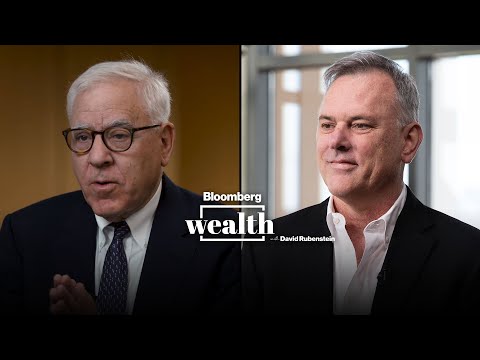 youtube.com
 youtube.com
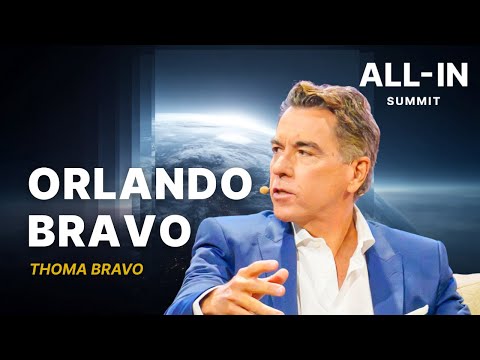 youtube.com
 youtube.com
 youtube.com
 youtube.com
 youtube.com
 youtube.com
 youtube.com
 youtube.com
 youtube.com
 youtube.com
 youtube.com
 youtube.com
 youtube.com
 youtube.com
 youtube.com
 youtube.com
 youtube.com
 youtube.com
 youtube.com
 youtube.com
 youtube.com
 youtube.com
Sources & Further Reading
Profiles, interviews, podcasts, and articles used to compile and verify this entry. Each link opens at the original publisher.
Explore Related Titans
Other figures in the archive who share David Rubenstein's domain, geography, or era.
More in Finance & Investing


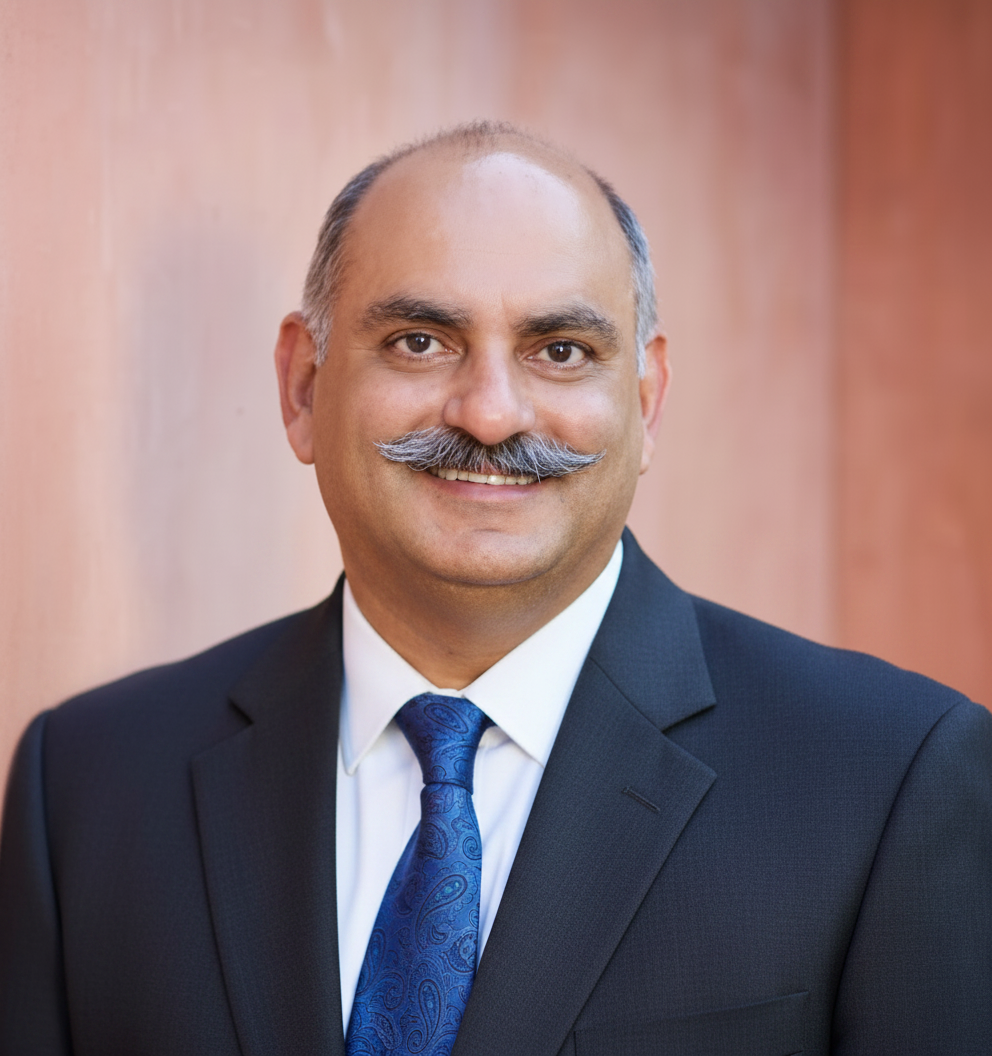






From United States





Contemporaries — born 1940s