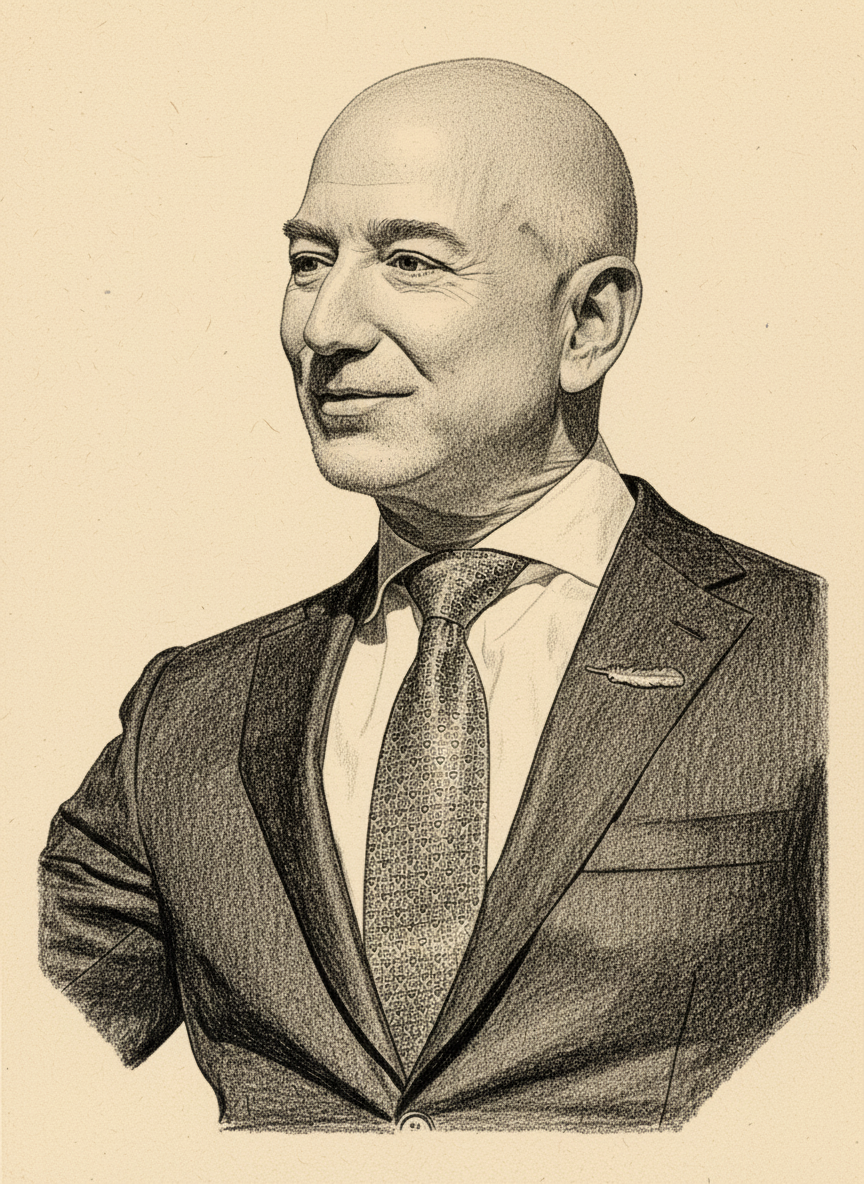
David Bonderman
Co-founder of TPG Capital, a pioneer in leveraged buyouts and distressed asset investing.
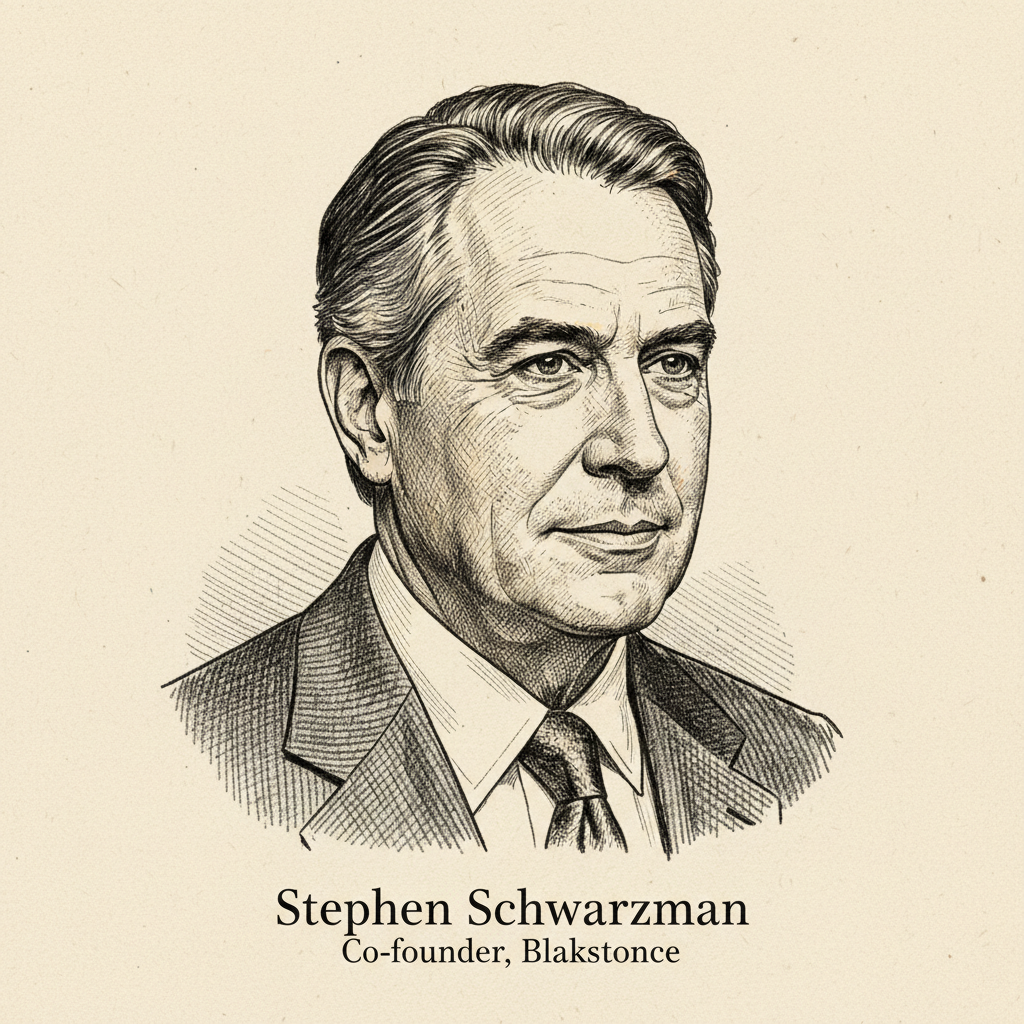
David Bonderman is an American businessman and investor, best known as a founding partner of TPG Capital (formerly Texas Pacific Group), one of the world's largest private equity investment firms. He established TPG in 1992 with James Coulter and William S. Price III, building a reputation for complex, large-scale acquisitions and restructurings across diverse sectors.
Biography
Accomplishments
- 01Co-founded TPG Capital in 1992, building it into one of the largest and most influential private equity firms globally with over $100 billion in assets under management.
- 02Led the successful turnaround investment in Continental Airlines (1993), taking a bankrupt entity and orchestrating its recovery, resulting in an estimated return of over 10x.
- 03Orchestrated significant private equity transactions including the $5.1 billion acquisition of Burger King (2002), the $5.9 billion leveraged buyout of Neiman Marcus (2005), and investments in other major brands like MGM and Univision.
- 04Demonstrated expertise in distressed asset investing and complex corporate carve-outs, consistently generating substantial returns for limited partners.
- 05Served on numerous corporate boards, providing strategic oversight and governance to portfolio companies, including Ryanair, Fender Musical Instruments, and Scandinavian Airlines.
Lessons for Operators
Key Takeaways
Practical lessons distilled for operators, investors, C-levels, and capital allocators.
The Power of Operational Due Diligence
Bonderman's track record with TPG underscores that financial engineering alone is insufficient. Intensive operational due diligence and a clear plan for operational improvement are critical for value creation, especially in distressed investments. Operators should focus on fundamental business health, not just financial metrics.
Strategic Partnerships are Foundational
The enduring success of TPG highlights that a strong, complementary founding team is vital. For C-levels and fund managers, cultivating partnerships with diverse skill sets and a shared long-term vision can provide resilience and expand capabilities.
Courage in Contrarian Investing
Bonderman's willingness to invest in bankrupt companies or unfashionable sectors (e.g., Continental Airlines in the 90s) demonstrates that significant returns often lie where others fear to tread. Investors should analyze opportunities dispassionately, even when conventional wisdom suggests otherwise.
Mastery of Complex Deal Structures
His legal background provided a strong foundation for navigating highly complex transactions, such as leveraged buyouts and corporate separations. Understanding the legal and structural intricacies of large deals is a competitive advantage for fund managers and capital allocators.
Long-Term Value Creation
TPG's long holding periods for some assets reflect a commitment to genuine transformation rather than quick flips. Enterprise leaders and investors should prioritize sustainable growth and operational overhauls that build lasting value, recognizing that these often require patience.
Frameworks & Principles
Named frameworks and strategic principles they popularized or embodied.
Distressed Asset Acquisition & Turnaround
Identifying financially troubled companies (e.g., bankruptcies, Chapter 11) with strong underlying business fundamentals but temporary operational or financial issues. Acquiring these assets at a significant discount, implementing drastic operational restructuring, and recapitalizing the balance sheet to restore profitability and market value.
When to useWhen market conditions create opportunities for undervalued assets due to sector downturns, corporate mismanagement, or economic recession. Requires strong operational oversight capacity and willingness to undertake significant risk and transformation.
Operational Value Enhancement (OVE)
A systematic approach to identifying and executing operational improvements within portfolio companies post-acquisition. This includes supply chain optimization, cost reduction, revenue growth initiatives, talent upgrades, and technology modernization, often led by a dedicated operating team or external consultants.
When to useApplicable to almost any private equity investment, but particularly crucial for turnarounds or mature businesses where organic growth is slow. Should be integrated into the post-acquisition 100-day plan and monitored rigorously.
Thematic Sector Investing
Developing deep expertise in specific industries or macro trends and making investments that align with these themes. This allows for proactive deal sourcing, better due diligence, and more informed strategic guidance for portfolio companies.
When to useWhen a firm has developed specialized knowledge or has a strong conviction about the future trajectory of a particular sector (e.g., healthcare, tech, consumer retail). Helps focus resources and identify emerging opportunities.
Explore Related Titans
Other figures in the archive who share David Bonderman's domain, geography, or era.
More in Finance & Investing








From United States







Contemporaries — born 1940s